
The short answer
What happens when a commercial joke crosses a border and creates risks for people who did not make it? Last Dictator Standing connects creative authorship, digital distribution and a company’s response to political pressure—not merely the history of a restaurant founder.
Chronology
A timeline of the turning points
Campaign launches
Contemporary campaign coverage describes radio-site launch, online seeding and evening television.
Satire circulates internationally
Reports explain the look-alike dictators and the advert’s fictional dinner-party memories.
Television withdrawal announced
Nando’s cites perceived threats and staff and customer safety; online availability is retained.
Political pressure is reported
Independent accounts discuss boycott demands and the tension between satire and commercial exposure.
Creative work enters an awards archive
The One Show records a Merit and names the agency, production company, director and writers.
A South African festive campaign used a fictional Zimbabwean ruler
The campaign imagined a lonely Robert Mugabe look-alike remembering games with other authoritarian leaders before confronting an empty dinner table. Contemporary descriptions identify actors and comic fantasy, not documentary footage of the real leaders together. The political subject was Zimbabwe, but the advertisement was made and broadcast as a South African commercial.
Its purpose was to sell a festive sharing meal. The joke connected international political events with a consumer invitation, making it both satire and advertising. A parliamentary briefing later noted its South African production and satellite visibility in Zimbabwe. Country of portrayal, production and audience therefore should not be treated as identical.
The creative record names a team, not the company’s co-founder
The One Show archive identifies Black River FC in Johannesburg as the agency, Nando’s South Africa as client and Bouffant as production company. Dean Blumberg directed it. Nhlanhla Ngcobo, Avish Gordhan and Lufuno Mavhungu are the credited writers, alongside other named creative and production contributors.
Those credits locate authorship more precisely than a general claim about Nando’s irreverent brand. Robert Brozin’s role in building the company’s culture does not establish that he wrote, directed or personally approved this particular advertisement. The archive records a 2012 Merit in a sixty-second television category, not a finding that the campaign was harmless or commercially successful.
Digital circulation outlasted the television schedule
Contemporary campaign coverage described an initial launch through Kaya FM’s website on 24 November, followed by distribution to bloggers and television that evening. Independent reports appeared immediately afterwards. This sequence makes the original campaign launch different from the date of a later upload, repost or international news article.
Accounts describe shorter and longer versions, so differing running times need not identify a different campaign. The company’s withdrawal statement explicitly said the advert would remain available on YouTube. Removing television flighting was therefore not equivalent to erasing every online copy or ending the public discussion that digital distribution had enabled.
The withdrawal followed pressure and reported safety concerns
On 1 December, Nando’s South Africa said it would stop airing the commercial on television. Its statement referred to political reaction from Zimbabwe and perceived threats to management, staff and customers there. That is evidence of the company’s stated assessment and decision, not independent proof that an attack had occurred.
VOA’s contemporary reporting described boycott calls and reactions from Zimbabwean political figures and commentators. Other reporting connected the dispute with pressure on the local business. People employed by a franchise could face consequences from a campaign produced elsewhere. The episode thus raised a practical question about who carried the risk of a cross-border marketing decision.
Company withdrawal should not become an invented blanket ban
Some later descriptions call the advert banned. The dated company statement establishes a narrower action: withdrawal from its television campaign, while online availability continued. Political demands, commercial caution and an implemented legal prohibition are different things. The reviewed evidence does not justify presenting them as one formal, universal ban.
The creative archive preserves the work and credits, while later interviews discuss the tension between provocative ideas and employee safety. Awards recognition cannot resolve that ethical tension, and publicity does not by itself establish incremental sales. The case remains useful because it separates the freedom to make satire from a business’s responsibilities towards people exposed to its circulation.
Biography context
Explore South Africa through connected lives
Robert Brozin
Understand the brand’s origins without assigning him unverified personal authorship of this campaign.
Explore the biographiesRelated consumer-business biographyRaymond Ackerman
Compare another South African company’s relationship between commercial identity and public debate.
Explore the biographiesConnected biographies
The co-founder in the wider brand history
1959–
Robert Brozin
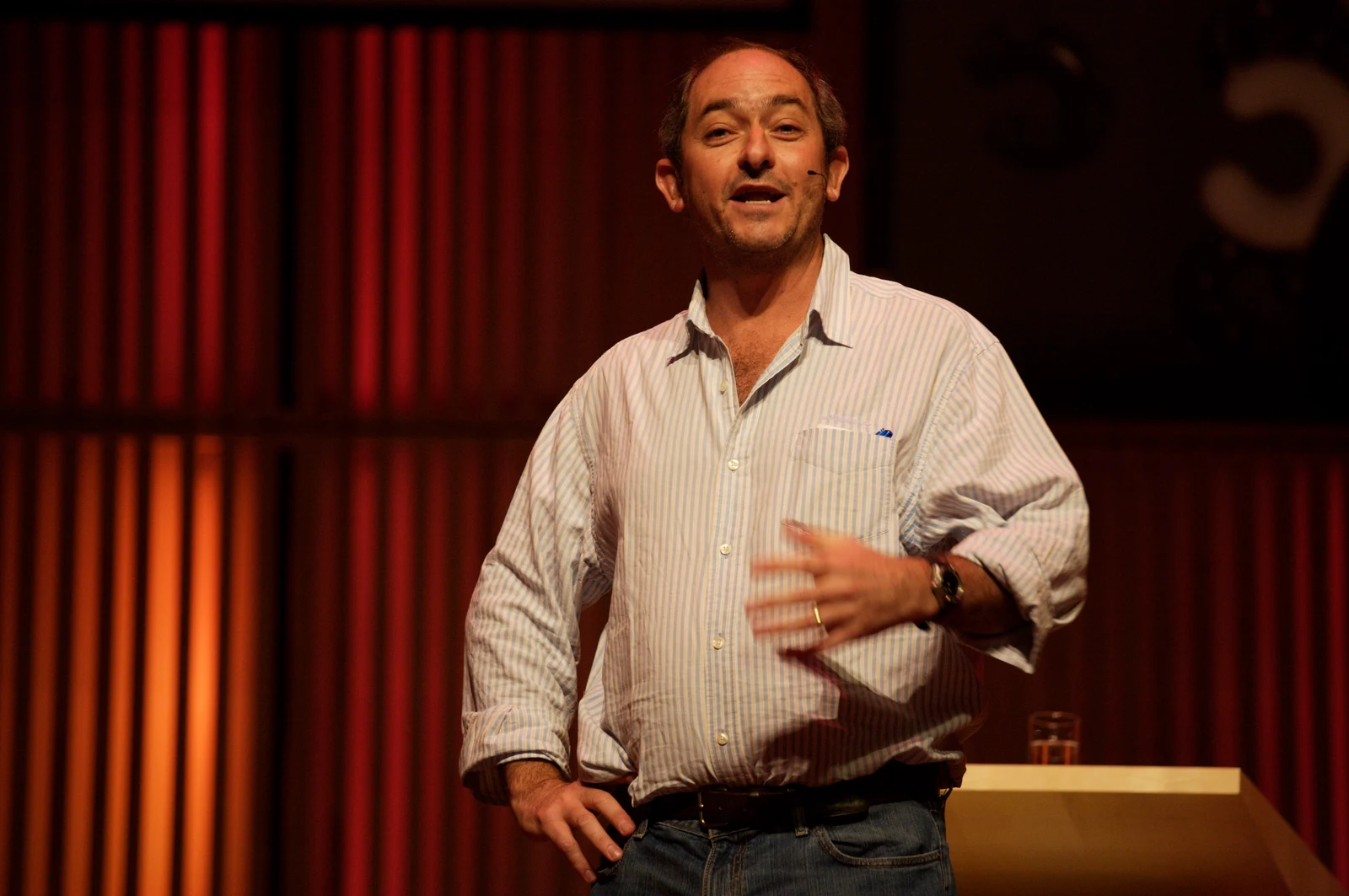
Nando’s co-founder and social-impact entrepreneurRobert “Robbie” Brozin helped turn a Johannesburg restaurant into Nando’s with Fernando Duarte and later investors and managers. His record includes difficult overseas expansion, a distinctive advertising culture and a shift away from daily management towards social-impact projects. Co-founding the brand does not establish sole ownership, continuing CEO status or authorship of every advertisement.Read biographyQuick answers
Common questions
- Did the real Mugabe and other leaders appear together?
- No. Contemporary accounts describe actors and fictional comic scenes.
- Was the campaign made in Zimbabwe?
- The cited records identify a South African client, Johannesburg agency and South African production; Zimbabwe was its principal political subject.
- Was Robert Brozin credited as its writer?
- No. The production archive credits three other writers and director Dean Blumberg.
- Did withdrawal remove it from the internet?
- No. The 1 December statement said television flighting would stop while the advert remained available on YouTube.
Primary and institutional sources
How this history was checked
The contemporaneous company statement establishes the withdrawal’s scope; independent reporting, the parliamentary briefing and named production credits distinguish portrayal, authorship, political pressure and verified events. This article was reviewed on 24 October 2026.
- Bizcommunity25 November 2011: campaign launch sequence and Black River FC / Bouffant production
- Aoife Barry / DailyEdge25 November 2011: contemporary description of actors and the fictional dictator gathering
- The Standard, Zimbabwe27 November 2011: contemporary look-alike advert account and Zimbabwe business concerns
- The One Club2012 One Show archive: Last Dictator Standing, creative credits and Merit award
- Nando’s South Africa / Bizcommunity1 December 2011: company statement ending television flighting, with online availability retained
- Ntungamili Nkomo and Gibbs Dube / VOA Zimbabwe1 December 2011: withdrawal, boycott calls and attributed threat concerns
- Thembi Mutch / Index on Censorship2 December 2011: contemporary withdrawal and political-pressure reporting
- UK House of Commons LibraryZimbabwe: recent political developments, selected page 4 paragraph on the South African advert
- Mail & Guardian7 August 2012: selected creative-process and employee-safety discussion
- Sebastiaan ter Burg / FlickrRobert Brozin - Nando’s, 1 April 2008
- Creative CommonsAttribution-ShareAlike 2.0 Generic