
The short answer
All for You: A Dedication to the Nat King Cole Trio pays tribute through the workings of a small ensemble. Krall’s voice and piano share attention with guitar and bass, making the record a study in musical relationships as well as repertoire.
Chronology
A timeline of the turning points
A repertoire develops on the road
Krall later describes months of playing the material with her trio.
New York sessions
Recording discographies locate the work at the Power Station.
The album is released
Impulse! releases the dedication to the Nat King Cole Trio.
An award nomination
The album is nominated for best jazz vocal performance at the 39th Grammy Awards.
Krall explains the approach
Billboard and Berklee interviews describe the repertoire, trio format and development through performance.
The dedication concerns a way of playing together
The title names the Nat King Cole Trio rather than presenting a survey of all Cole’s later popular recordings. Krall told Billboard that she was interested in swing, simplicity and the influence of his small-group music. A tribute could work through the musical relationship among piano, guitar and bass, not simply through a list of famous hits.
Her Berklee interview placed Cole alongside other guitar-trio influences and described working in that format before recording All for You. This background makes the project more specific than an exercise in nostalgia. The small ensemble was already a setting in which she had learned to balance instrumental playing with singing.
Touring preceded the studio, and release came later
In Billboard’s 1998 interview, Krall recalled that the trio had spent nine months on the road with the songs before recording. She understood the studio work as an extension of that shared experience. Rehearsal and performance could establish musical trust before the producer and engineer had to turn it into an album.
The Jazz Discography Project locates the sessions at New York’s Power Station in October 1995; an inspected personnel and liner-note transcription corroborates that place and period. The released catalogue dates the album to 12 March 1996. These dates describe preparation, recording and publication respectively, not competing release years for the same event.
Familiar repertoire does not mean direct imitation
The selection includes brisk material such as I’m an Errand Girl for Rhythm and Hit That Jive Jack alongside ballads including I’m Thru with Love and If I Had You. Their association with Cole does not make him the composer of every song. The inspected credits include writers such as Bobby Troup, Harry Warren and Al Dubin.
Scott Yanow’s AllMusic review found the medium and faster performances most effective, while hearing Shirley Horn’s influence in some slower selections. He also wished Malone had more opportunities for vocal exchange with Krall. This is an assessment of particular musical choices, not simply praise for accurately copying a model. Tribute and individual interpretation can coexist.
Recognition belongs to a different year from release
The Recording Academy lists All for You as a best jazz vocal performance nominee at the 1997 ceremony. It did not win that award. The nomination belongs to this album’s reception, while Krall’s later wins for other recordings are separate results. Neither an awards year nor later success changes its 1996 release date.
Its significance also exceeds an award result. The record established a persuasive small-group identity at a point when her audience was expanding. The Berklee interview describes that growth as gradual, helped by touring and the nomination. Reading the album through the musicians, arrangements and contrasting critical judgments gives a fuller account than treating it only as the next step toward larger commercial success.
Continue the chronology
Related history guides
Biography context
Explore United States through connected lives
Diana Krall beyond the dedication
Nanaimo, mentors, original songs, different producers and later collaborative work.
Explore the biographiesAnother Canadian piano traditionOscar Peterson
Explore another pianist whose trio work belongs to the musical lineage Krall discussed.
Explore the biographiesConnected biographies
Canadian pianists and different uses of a trio
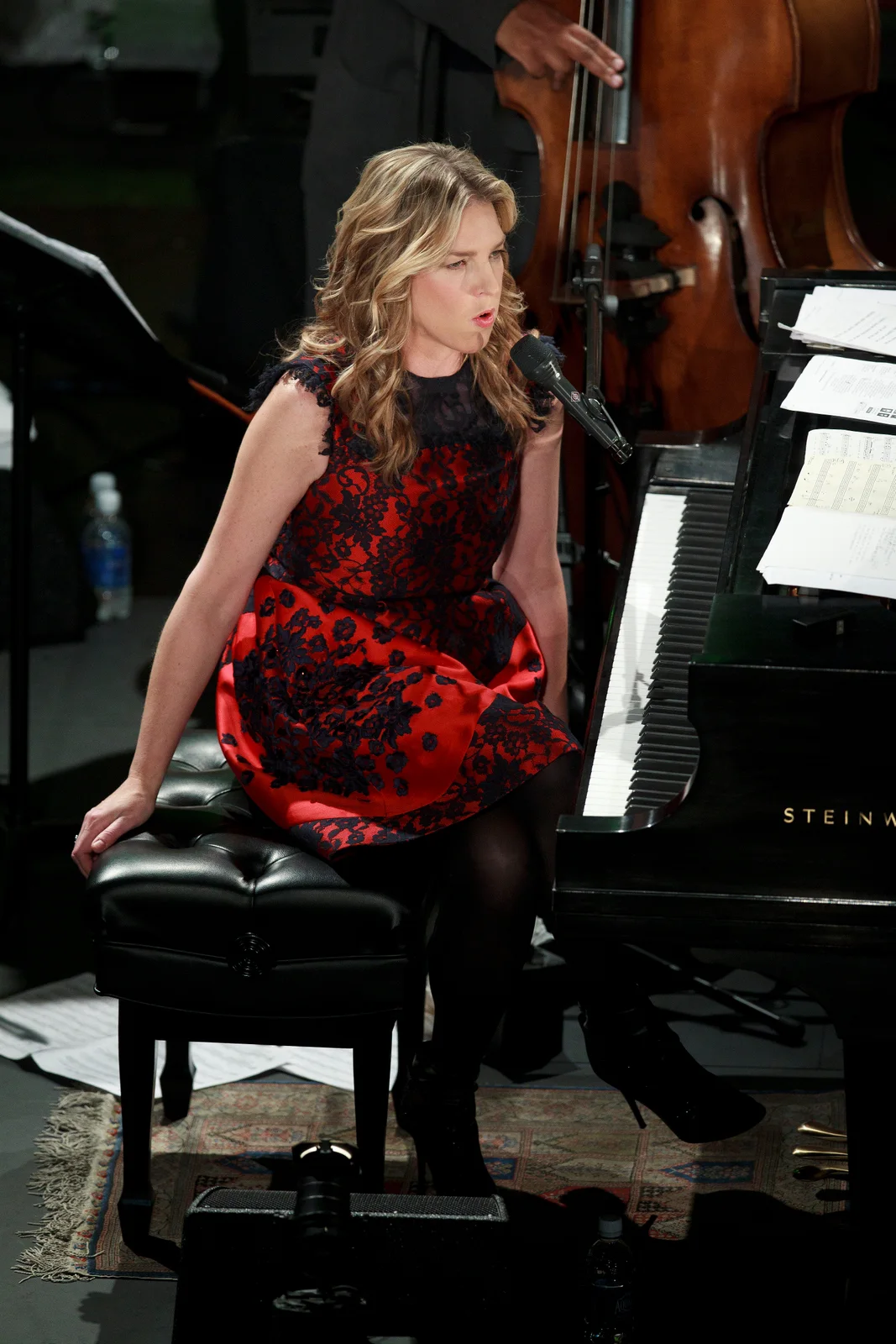
1964–
Diana Krall
Jazz pianist, singer, songwriter and record producerDiana Krall is a Nanaimo-born Canadian pianist and singer whose small-group jazz, songbook interpretations, original writing and production work developed through long musical partnerships.Read biography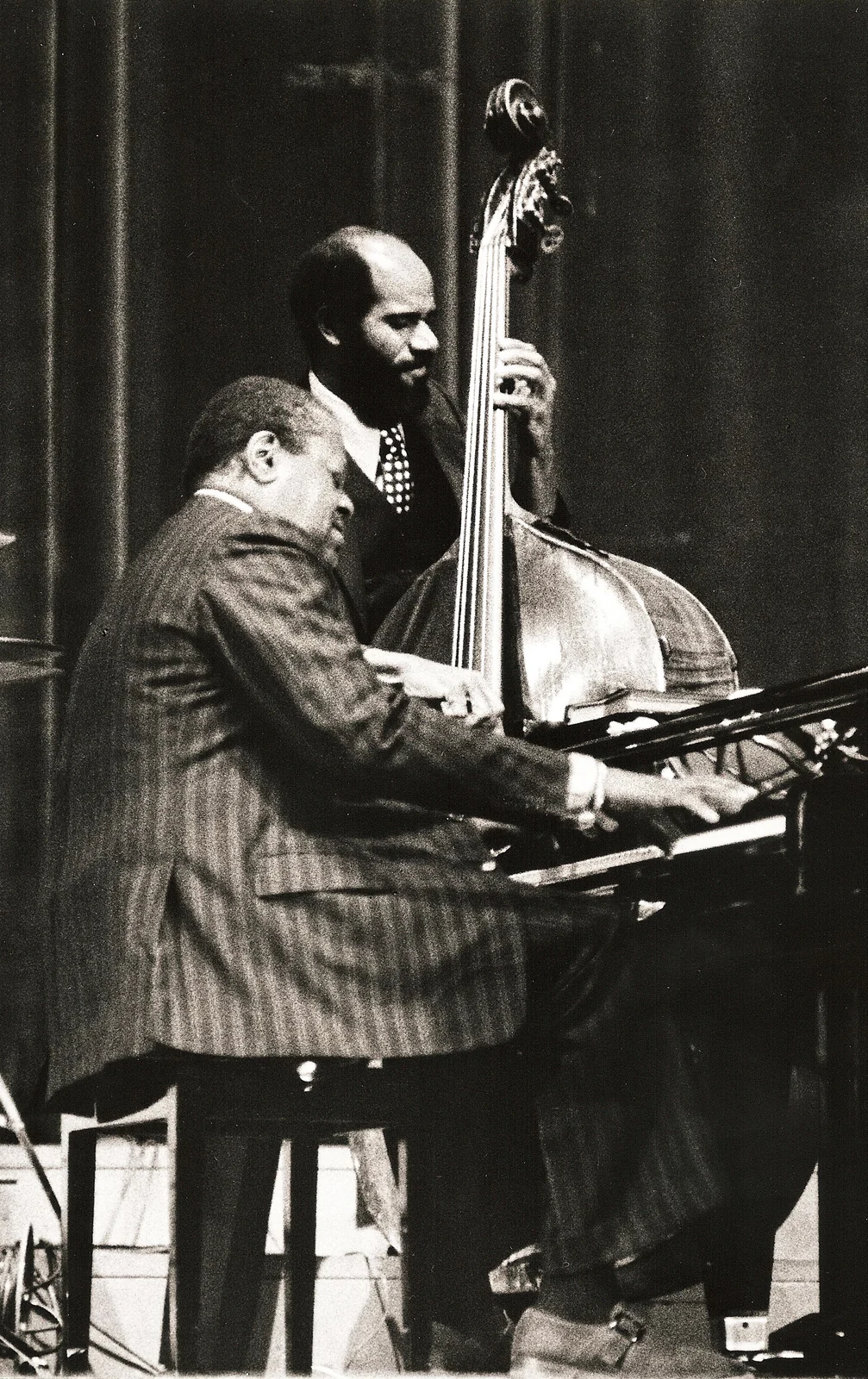
1925–2007
Oscar Peterson
Jazz pianist and composerOscar Peterson was a Montreal-born Canadian jazz pianist and composer whose touring ensembles, recordings and original works reached an international audience.Read biographyQuick answers
Common questions
- What does All for You pay tribute to?
- It is a dedication to the Nat King Cole Trio, especially its small-group approach, not a compilation of all Cole’s best-known orchestral hits.
- Who plays with Diana Krall on the album?
- Russell Malone plays guitar and Paul Keller bass, with Benny Green on piano for If I Had You and Steve Kroon adding percussion to Boulevard of Broken Dreams.
- Was the album recorded in 1996?
- The inspected discography and liner-note transcription date the New York sessions to October 1995. The released album followed in March 1996.
- Did All for You win the 1997 Grammy?
- No. The Recording Academy lists it as a best jazz vocal performance nominee at the 1997 ceremony.
Primary and institutional sources
How this history was checked
Artist interviews, recording credits, release metadata, criticism and the Academy’s award record were compared. Session geography is supported by concordant discography and liner-note transcription, not inferred from nationality. No new complete album listening is claimed; lyrics and cover art are not reproduced. This article was reviewed on 23 October 2026.
- Billboard21 March 1998 interview: Cole concept and touring before recording
- Mark Small / Berklee TodayKrall on guitar trios, arranging and a gradual breakthrough
- Jazz Discography ProjectPower Station sessions and exact instrumental roles
- Audio-MusicInspected personnel, songwriter and liner-note transcription
- Apple Music / Impulse!12 March 1996 original album and track list
- Scott Yanow / AllMusicReview of tempi, ballads, influences and Malone’s contribution
- Recording Academy1997 best jazz vocal performance nomination
- Rob Garland / Wikimedia CommonsSeparate 2010 photograph and own-photographer public-domain grant