
The short answer
Myanmar’s 2012 by-elections filled only 45 vacancies, yet they became the decisive test of President Thein Sein’s political opening. The NLD won 43 of the 44 seats it contested, Aung San Suu Kyi entered Parliament through Kawhmu and the government accepted an opposition landslide. This guide explains the exact seat count, observer verdict, constitutional limits and oath dispute behind that turning point.
Complete result
The NLD won 43 of the 44 seats it contested
Voting took place for 45 vacancies after three planned lower-house contests in Kachin State were postponed on security grounds. The NLD did not contest one upper-house vacancy and won every lower-house and regional seat it entered.
| Party | Lower house | Upper house | Regional | Total |
|---|---|---|---|---|
| National League for Democracy | 37 | 4 | 2 | 43 |
| Union Solidarity and Development Party | 0 | 1 | 0 | 1 |
| Shan Nationalities Democratic Party | 0 | 1 | 0 | 1 |
| All seats filled | 37 | 6 | 2 | 45 |
Chronology
A timeline of the turning points
Aung San Suu Kyi is released
Her final period of house arrest ends six days after an election the NLD boycotted.
The NLD decides to re-register
A revision to the party law allows the former opposition winner to return to legal electoral politics.
Three Kachin contests are postponed
The election commission cites security conditions, reducing the ballot from 48 vacancies to 45.
Voting takes place in 45 constituencies
The day is generally peaceful and orderly, with diplomats and regional observers given limited access.
The NLD landslide is confirmed
Official results give the party 43 of the 44 seats it contested, including all four vacancies in Naypyidaw.
NLD members stay away over the oath
The incoming legislators object to wording that requires them to safeguard the Constitution they want to amend.
Suu Kyi and her colleagues are sworn in
The NLD accepts the existing oath and enters the military-designed Parliament.
Suu Kyi attends a full parliamentary session
Her first appearance in the chamber completes the opposition’s move from boycott to institutional participation.
Why were by-elections held in 2012?
Myanmar’s 2010 general election created a new national Parliament under the 2008 Constitution. It also left vacancies when elected members entered President Thein Sein’s executive, while a smaller number of seats became open through death or removal. Forty-eight constituencies were initially due to vote in the by-elections. On 23 March, the election commission postponed three lower-house contests in Kachin State, saying conflict made a free and fair vote impossible there.
The remaining ballot covered 37 seats in the Pyithu Hluttaw, the lower house; six in the Amyotha Hluttaw, the upper house; and two in regional legislatures. These 45 contests represented only a small fraction of Myanmar’s national and subnational seats. Their importance came from who was participating, how much political space the government would permit and whether the result would show a meaningful break from the manipulated 2010 election.
Why did the NLD return to electoral politics?
The National League for Democracy had refused to re-register in 2010 because the law would have required it to remove imprisoned members, including Aung San Suu Kyi, and accept an institutional framework it opposed. The authorities dissolved the party, and Suu Kyi remained under house arrest until six days after the election. During 2011, however, President Thein Sein’s government released political prisoners, reduced some media controls and opened direct talks with her.
Parliament amended the registration law, replacing language requiring parties to safeguard the Constitution with a commitment to respect it and removing the rule that excluded prisoners from party membership. On 18 November 2011 the NLD decided to register again. Its choice was strategic rather than an endorsement of the charter: entering Parliament could provide a legal platform for constitutional change, while another boycott risked leaving the military-backed system uncontested.
How open was the campaign?
The campaign was substantially more competitive than the 2010 general election. Seventeen parties participated, the NLD could organise publicly, and large crowds attended Suu Kyi’s appearances. Candidates reached voters in constituencies that had previously been dominated by the Union Solidarity and Development Party. The government also invited the United Nations, ASEAN, the United States and the European Union to send representatives.
Openness remained incomplete. Opposition parties reported inaccurate voter lists, restrictions on venues, pressure on campaigners and isolated obstruction. Invitations to foreign observers came late and provided limited deployment, so they did not amount to a full international election-observation mission. The contest was a real political test, but it did not yet offer the comprehensive access, legal certainty or nationwide scope expected in a fully competitive general election.
What were the complete 2012 by-election results?
The NLD won all 37 lower-house seats, four of the six upper-house seats and both regional seats, for 43 victories from 44 contests. It captured every available constituency in the purpose-built capital Naypyidaw, defeating candidates associated with the governing establishment on its own administrative ground. The scale of the result provided a far clearer measure of public preference than the state party’s 2010 landslide.
The USDP retained one upper-house constituency in Sagaing Region, while the Shan Nationalities Democratic Party won the other in Shan State. No other party secured a seat. Official turnout across the 45 constituencies was 68.19 per cent. That percentage was reported for the by-election electorate rather than for the country as a whole, and it should not be compared directly with turnout in a nationwide general election without that qualification.
How large was Aung San Suu Kyi’s Kawhmu victory?
Suu Kyi contested Kawhmu, a lower-house constituency in Yangon Region with rural communities and areas damaged by Cyclone Nargis. The result gave her 55,902 votes, or 85.38 per cent of valid votes, according to official local-governance data. She became one of six NLD candidates who won lower-house vacancies in Yangon Region.
The victory turned a globally recognised dissident into an elected legislator for the first time. It also shifted her daily political role: instead of speaking only from outside a system shaped by the military, she would now work inside it, test parliamentary procedures and negotiate with former generals. Kawhmu did not give her executive power, but it gave the NLD a formal national platform it had lacked since its 1990 mandate was denied.
Were the by-elections free and fair?
The most defensible conclusion is that the polling was peaceful, largely orderly and credible enough for the result to reflect voters’ will, but that the process did not meet every condition of a full international-standard observation. The United Nations reported that problems were not sufficient to compromise the validity of the outcome. Diplomats and regional observers also described a much improved election day compared with 2010.
ANFREL’s assessment was more qualified: election authorities responded to some complaints, but rules and implementation remained inconsistent, and the late, restricted invitation made systematic observation impossible. Complaints included voter-list errors and ballots said to have wax marks that could interfere with voting; there was no evidence that such problems reversed the landslide. Calling the vote either perfectly free or simply fraudulent misses the evidence. It was a credible result produced by an improving but still incomplete electoral environment.
Did 43 seats change control of Parliament?
No. The NLD became the largest opposition party, but its 43 seats amounted to about 6.4 per cent of the full Union Parliament. The USDP still held 219 lower-house and 124 upper-house seats after the by-elections, while serving military officers occupied 110 and 56 respectively. Together with smaller aligned parties, the government and appointed military bloc retained nearly four-fifths of the combined legislature.
The Constitution also reserved the defence, home-affairs and border-affairs ministries for nominees of the commander-in-chief and required more than 75 per cent parliamentary approval for most amendments. The result therefore transformed political legitimacy more than legislative arithmetic. Voters had demonstrated overwhelming support for the NLD, but the party could neither form a government nor change the constitutional balance on its own.
Why did Suu Kyi initially refuse the parliamentary oath?
The Constitution required members to swear that they would safeguard it. The NLD wanted the word changed to respect, matching language it had secured in the party-registration law. When Parliament resumed on 23 April, Suu Kyi and the other incoming NLD members stayed away. Their objection exposed a tension between the mandate to reform the military-designed charter and an oath that appeared to bind them to defend it.
Suu Kyi later said the party would accept the wording to avoid political tension and respond to voters who wanted their representatives seated. On 2 May she and her colleagues took the oath before lower-house speaker Shwe Mann. The compromise did not end the NLD’s constitutional campaign. It showed that participation would require repeated choices between symbolic principle and incremental institutional access.
How did the result affect international sanctions?
The by-elections became external evidence that Thein Sein’s reforms were more than rhetorical. The United States announced steps toward restoring full diplomatic representation and easing selected restrictions. The European Union suspended most restrictive measures for a year while retaining its arms embargo. Governments framed those decisions as responses to a broader reform process that included prisoner releases and dialogue, not to one election alone.
That connection gave a small domestic contest large international consequences. Easing isolation promised investment, aid and diplomatic recognition; it also gave the government incentives to continue opening. Critics warned that rewards could arrive faster than durable institutional change. The later reversal after the 2021 coup demonstrated that the 2012 gains depended on political choices and military restraint rather than an irreversible democratic settlement.
What is the historical legacy of the 2012 by-elections?
The vote forms the essential bridge between the controlled 2010 election and the national transfer of power after 2015. It proved that the NLD could re-enter legal politics without losing mass support, that voters could defeat the governing party under a more open count and that the authorities were then willing to accept a humiliating result. It also gave Suu Kyi and other opposition legislators three years of parliamentary experience before the next general election.
Its limits matter just as much. Only 45 seats were filled, military appointees remained untouched, conflict prevented voting in three Kachin constituencies and the constitutional veto survived. The by-elections were therefore not a democratic transition by themselves. They were the clearest early demonstration that competitive elections could operate inside Myanmar’s constrained system—and that popular choice and military power still occupied different layers of the state.
Continue the chronology
Related history guides
Myanmar’s 2010 Election and Disputed Result
Start with the controlled vote, NLD boycott and military-designed Parliament that created the vacancies.
Read the timeline1988—2026National League for Democracy: History and Elections
Connect the parliamentary breakthrough to the party’s blocked 1990 mandate and later governments.
Read the timeline2008—todayMyanmar’s 2008 Constitution Explained
Read the oath, military seats and amendment threshold the NLD confronted after entering Parliament.
Read the timeline2015–2016The 2015 Election and Transfer of Power
Follow the by-election breakthrough into a nationwide NLD landslide and civilian government.
Read the timeline2010–2020Myanmar’s Democratic Transition
Place the contest within a decade of reform, elections and unresolved military authority.
Read the timeline2020–2021The 2020 Election: Results and Coup Claims
Compare the NLD’s second national victory with the fraud narrative used before the coup.
Read the timeline2021–2026Myanmar’s Coup and Civil War
See how military takeover ended the parliamentary opening the 2012 vote had symbolised.
Read the timelineBiography context
Explore Myanmar through connected lives
Myanmar Biographies
Explore 57 sourced lives across politics, business, sport and culture.
Explore the biographiesFeatured biographyAung San Suu Kyi
Read her path from the 1988 uprising and long detention to Parliament, government and the 2021 coup.
Explore the biographiesPolitics collectionMyanmar Political Leaders
Compare 44 biographies across elections, military rule, minority rights and rival post-coup authority.
Explore the biographiesConnected biographies
Nine biographies connecting the NLD’s return, the governing party and Parliament’s military framework

1945—
Aung San Suu Kyi
Nobel laureate, NLD leader and former state counsellor of MyanmarThe opposition leader who spent about fifteen years in detention, won a parliamentary seat in 2012 and later led Myanmar’s civilian government through the office of state counsellor.Read biography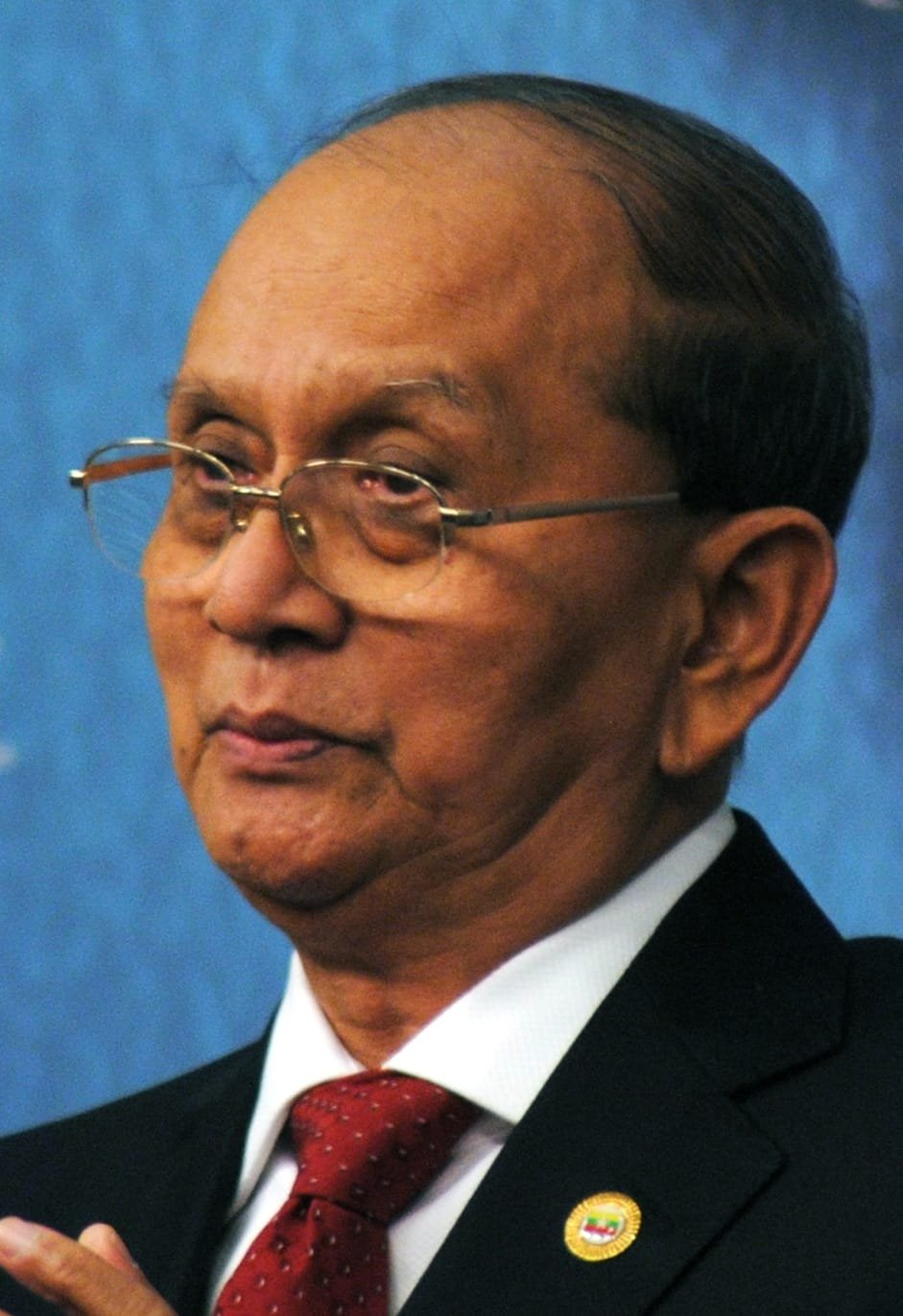
1945—
Thein Sein
President of Myanmar from 2011 to 2016The former general whose presidency released political prisoners, widened civic space and transferred power after the 2015 election without ending military autonomy.Read biography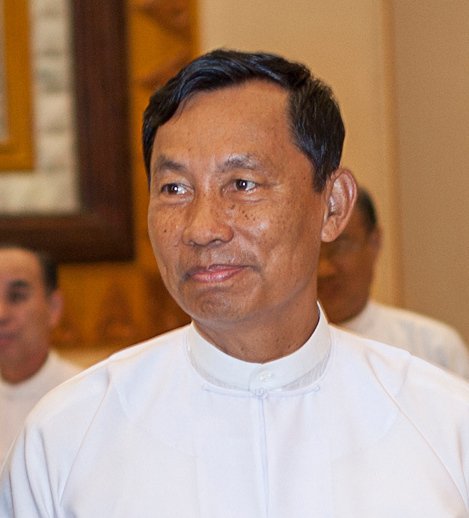
1947—
Shwe Mann
Former general and speaker of Myanmar’s lower houseThe former senior general who became parliament’s first lower-house speaker, challenged parts of the executive’s agenda and lost his party leadership before the landmark 2015 vote.Read biography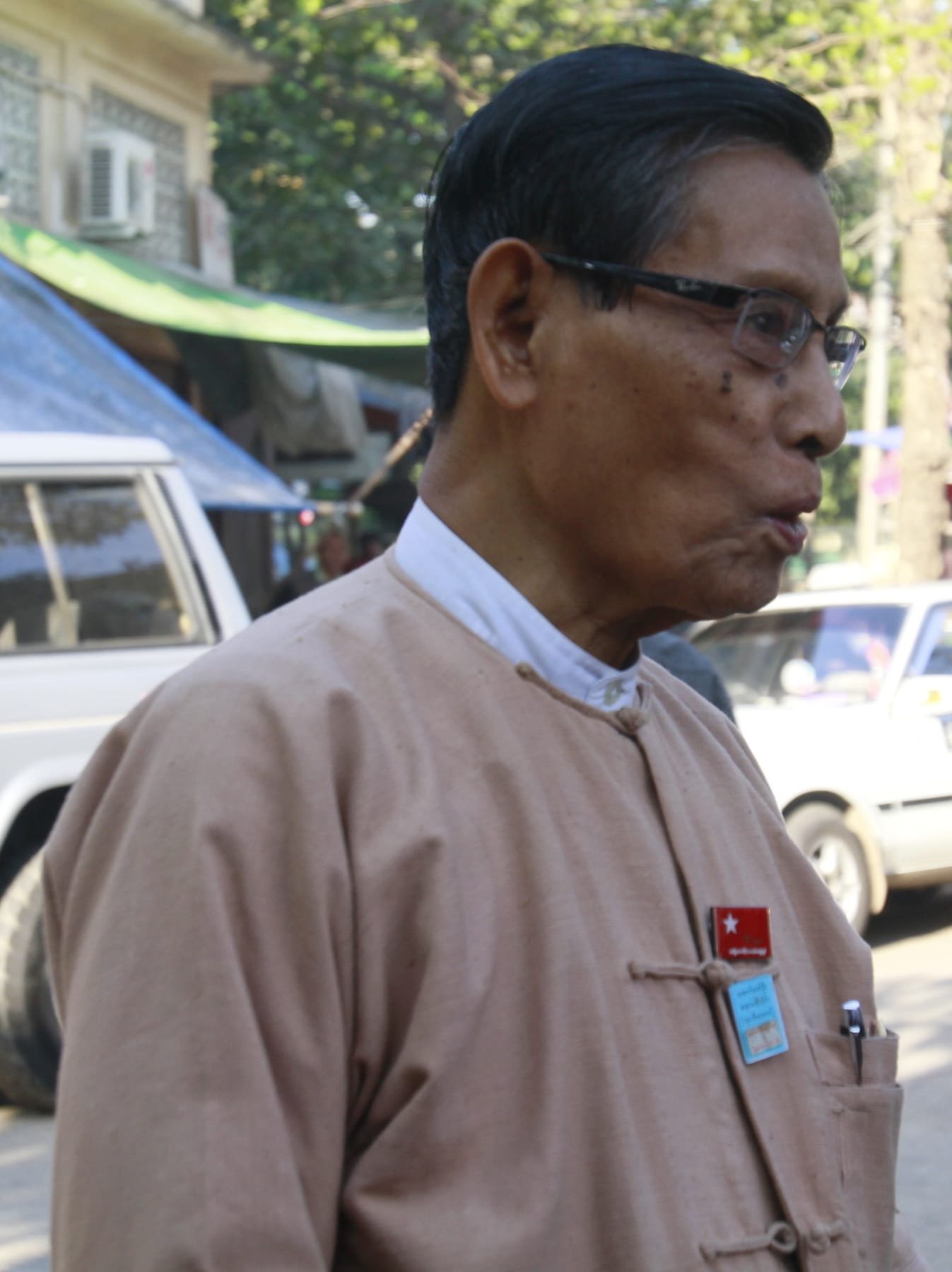
1927—2024
Tin Oo
Former army commander and co-founder of the National League for DemocracyThe former commander-in-chief who was purged by Ne Win, imprisoned and later helped found the NLD after the 1988 uprising.Read biography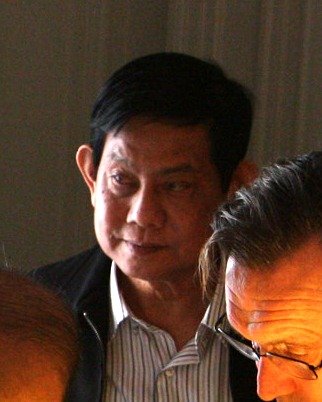
1950—
Htay Oo
Former USDP vice-chair, agriculture minister and major generalThe former major general and agriculture minister who converted junta-era mass organisation into electoral party leadership before losing Hinthada in 2015.Read biography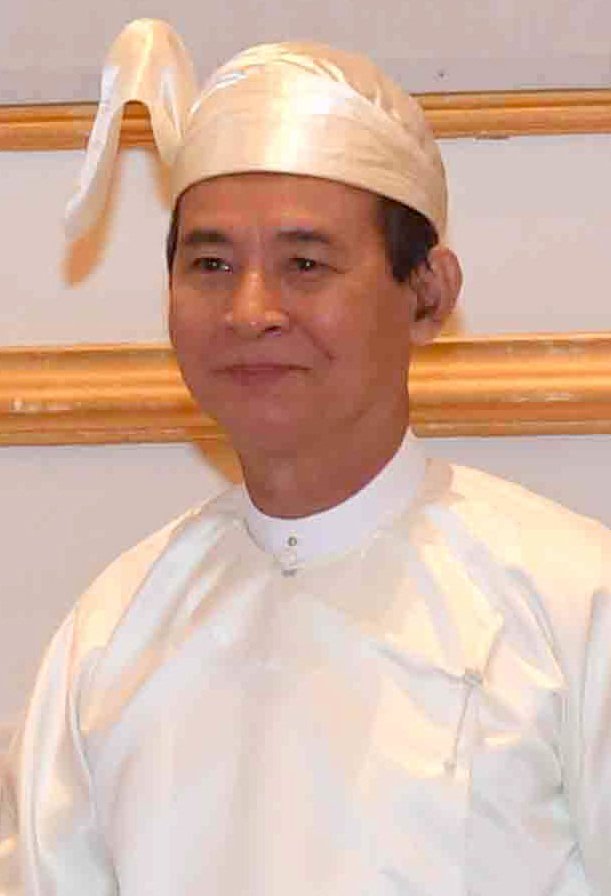
1951—
Win Myint
Lawyer and former president of MyanmarThe lawyer, 1988 democracy activist and parliamentary speaker who became president before the military detained and removed him in the 2021 coup.Read biography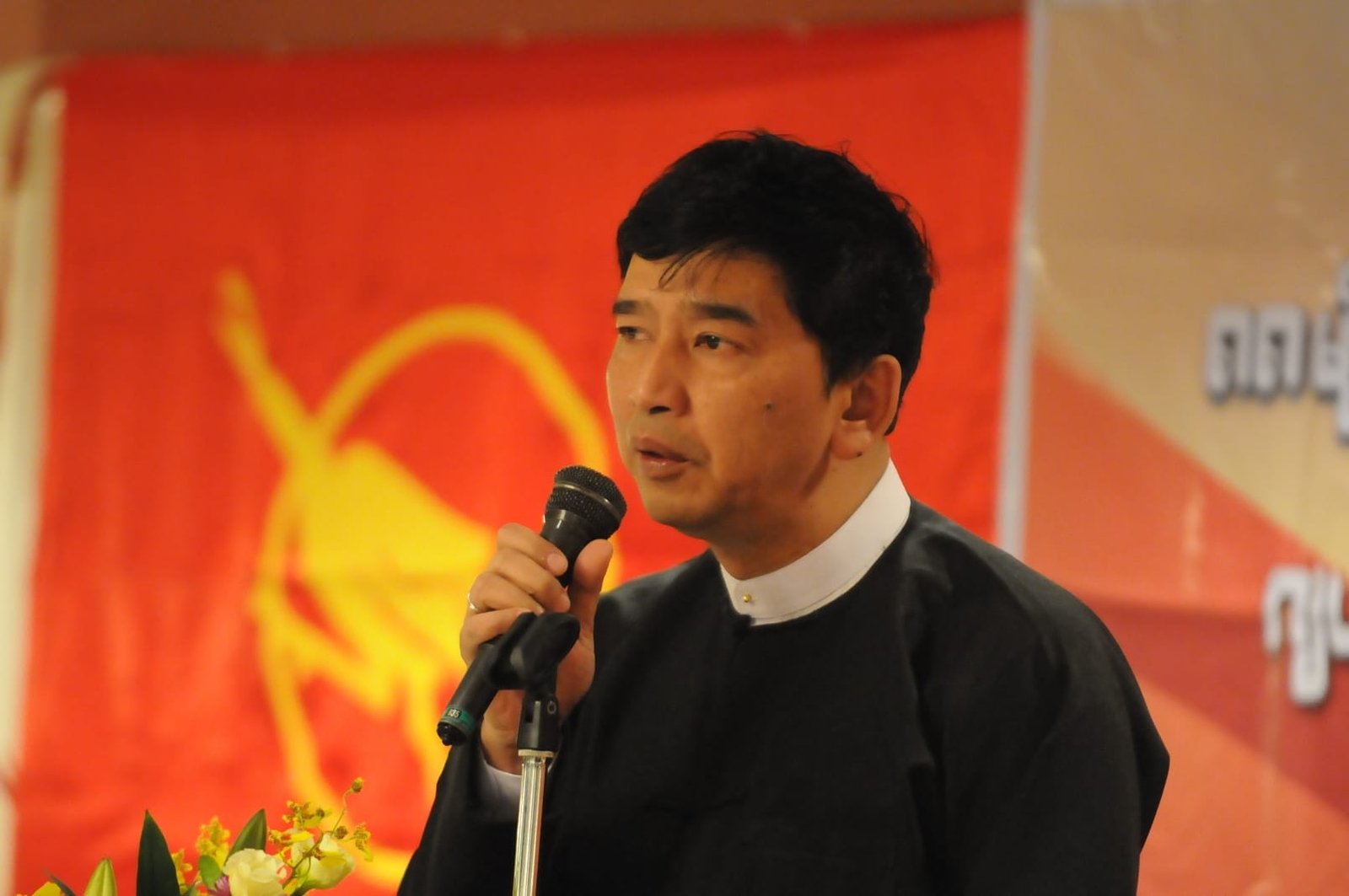
1962—
Min Ko Naing
Student leader and veteran democracy activistThe student organiser whose adopted name means “conqueror of kings” and whose repeated imprisonment made him a symbol of Burma’s 88 Generation.Read biography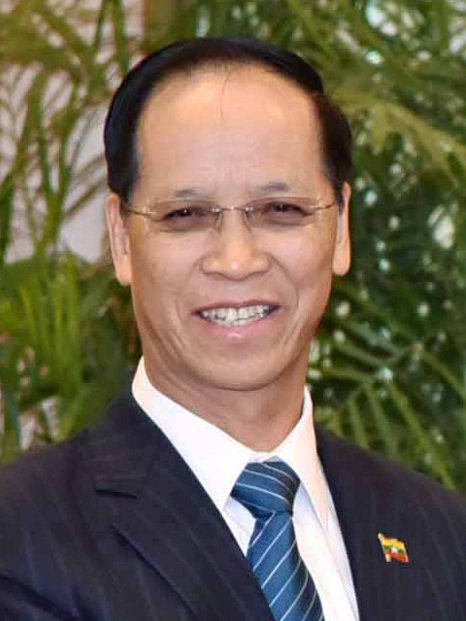
1950—
Sai Mauk Kham
Physician and vice president of Myanmar from 2011 to 2016The Shan physician and cultural organiser who became vice president during Myanmar’s first post-junta government and then returned to parliament in the 2015 election.Read biography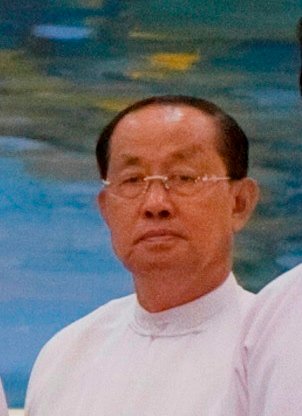
1950—
Tin Aung Myint Oo
General and first vice-president of Myanmar from 2011 to 2012The former SPDC secretary and military nominee who entered Myanmar’s new presidential executive in 2011, then left office after little more than a year.Read biographyQuick answers
Common questions
- When were Myanmar’s 2012 by-elections held?
- Voting took place on 1 April 2012. The election commission filled 45 vacancies after postponing three planned lower-house contests in Kachin State.
- How many seats did the NLD win in 2012?
- The NLD won 43 seats: 37 in the lower house, four in the upper house and two in regional legislatures.
- Did the NLD win 43 of 44 seats or 43 of 45 seats?
- Both numbers describe different denominators. Forty-five seats were filled, but the NLD contested 44 of them and won 43. The USDP and Shan Nationalities Democratic Party each won one upper-house seat.
- Where did Aung San Suu Kyi stand for election?
- She contested the lower-house constituency of Kawhmu in Yangon Region and won 55,902 votes, equal to 85.38 per cent of valid votes.
- What was the official turnout in the 2012 by-elections?
- Official turnout across the participating constituencies was 68.19 per cent. It was a by-election rate, not a nationwide general-election turnout figure.
- Were international observers allowed?
- The government invited representatives from the UN, ASEAN, United States and European Union, but invitations were late and access was too limited for a comprehensive international observation mission.
- Did the NLD control Parliament after its victory?
- No. Its 43 seats were about 6.4 per cent of the Union Parliament. The USDP and appointed military members retained overwhelming control.
- Why did NLD members delay taking their seats?
- They objected to an oath requiring them to safeguard the Constitution and wanted wording that said respect. They accepted the existing oath and were sworn in on 2 May 2012.
- Why were the 2012 by-elections important?
- They returned the NLD to legal politics, made Aung San Suu Kyi an elected legislator, showed that the government would accept an opposition landslide and prepared the way for the 2015 general-election victory.
Primary and institutional sources
How this history was checked
Dates, legal milestones and historical claims are checked against the official and institutional records below. This article was reviewed on 4 October 2026.
- United Nations General AssemblyReport of the Secretary-General on the situation in Myanmar
- Congressional Research ServiceBurma’s April Parliamentary By-Elections
- Asian Network for Free ElectionsMyanmar by-elections 2012 · observation report
- UNDP MyanmarThe State of Local Governance: Trends in Yangon
- The Carter CenterObserving Myanmar’s 2015 General Elections · historical context
- Inter-Parliamentary UnionMyanmar lower-house electoral system and chamber composition
- Wikimedia CommonsAung San Suu Kyi portrait · CC BY-SA 2.0