
The short answer
Langston Hughes and Zora Neale Hurston shared friends, publishing circles, an interest in oral tradition and, for a time, a creative partnership. Following their connections reveals how the Harlem Renaissance worked: through editors, contests, books, performances and travel. Their different careers also show why this broad cultural movement cannot be represented by a single style or founding pair.
Forms and first publication
Four works, different reading questions
These selected works show points of contact without implying a shared genre or joint authorship.
| Work | Writer · year | Form | A useful reading question |
|---|---|---|---|
| The Weary Blues | Langston Hughes · 1926 | Poetry collection | How do rhythm and repetition shape a speaker’s experience? |
| Mules and Men | Zora Neale Hurston · 1935 | Folklore collection | How do conversation and performance frame the collected material? |
| Their Eyes Were Watching God | Zora Neale Hurston · 1937 | Novel | How does Janie gain a voice within and against community judgments? |
| Montage of a Dream Deferred | Langston Hughes · 1951 | Poetry sequence | How does a later urban setting extend the musical experiment? |
Chronology
A timeline of the turning points
Early magazine publication
Hughes’s The Negro Speaks of Rivers appeared in The Crisis; Hurston’s John Redding Goes to Sea appeared in Howard’s Stylus.
Opportunity and a growing network
The magazine’s contest recognized both writers’ work, helping connect emerging authors with other writers, patrons and publishers.
Books, arguments and a new magazine
The Weary Blues appeared, Hughes published The Negro Artist and the Racial Mountain, and both writers contributed to Fire!!.
Travel through the South
Hughes and Hurston traveled together for part of their folklore journeys. A surviving August postcard from Georgia bears both names.
A collaboration breaks down
They worked on Mule Bone in 1930; disputes disrupted the partnership. The coauthored script was registered in January 1931.
Hurston’s different book forms
Mules and Men appeared as folklore in 1935; Their Eyes Were Watching God followed as a novel in 1937.
Hughes beyond the Renaissance
Montage of a Dream Deferred continued his exploration of Black urban experience and musical form.
A later Broadway production
Lincoln Center Theater’s Mule Bone opened at the Ethel Barrymore Theatre, decades after the 1930 collaboration.
Why did Harlem become an arts center?
The Harlem Renaissance took shape amid the movement of Black Americans from the South into Northern cities, where new communities created economic and artistic possibilities. Harlem became a particularly visible concentration of writing, music, visual art and performance during the 1920s and 1930s. Its prominence depended on people and institutions that connected creative work with audiences.
Hughes and Hurston entered a movement with many contributors and earlier foundations. Editors, educators, artists and organizers had already developed spaces for Black intellectual life. Reading the Renaissance through these two writers is useful because their paths intersect, but it should not turn them into its sole founders. Nor did participation require permanent residence in Harlem: travel and Southern communities remained essential to both careers.
How did magazines and prizes create opportunities?
Publishing networks made early recognition possible. The Crisis brought Hughes’s poetry to readers, with Jessie Fauset serving as an important editorial contact. Opportunity’s 1925 contest recognized Hughes’s poetry and Hurston’s fiction and drama. Its awards gathering also provided introductions: Hurston met Annie Nathan Meyer, whose support helped her enter Barnard. Such encounters joined artistic recognition to practical access.
Younger writers also made outlets of their own. Fire!! appeared in November 1926, edited by Wallace Thurman in association with Hughes, Hurston and other artists. Its contents brought fiction, poetry, drama and visual art together, including Hurston’s Sweat and Color Struck. Only one issue appeared. Its short life demonstrates that an influential experiment could matter without becoming a stable publishing business.
What did artistic freedom mean within racial politics?
The movement did not produce agreement about what Black art should do. In his 1926 essay The Negro Artist and the Racial Mountain, Hughes challenged the pressure to imitate white standards and the expectation that Black artists should supply reassuring portraits of respectability. He defended jazz, ordinary lives and the artist’s freedom to draw on Black experience. That argument was a position within a debate, not a rule obeyed by every Renaissance writer.
Hurston’s fiction raised related questions through a different form. The reception of Their Eyes Were Watching God included objections from critics who wanted more explicit social protest. Its attention to a woman’s interior life and community speech asks readers to consider how literary value might exceed a demand for direct political instruction.
Why did oral tradition take them beyond New York?
The 1927 journey reveals a Renaissance connected to Southern speech and music. Hughes met Hurston in Mobile and traveled with her for part of the route, listening and collecting. Yale’s archival finding aid records an August 1927 postcard from Fort Valley, Georgia, sent by Hughes to Carl Van Vechten and co-signed by Hurston. This small document places their friendship within a broader network of correspondence.
Their shared attention did not make their methods identical. Hughes moved between song transcription, observation and literary experiment. Hurston developed extensive anthropological fieldwork and later made recordings now held by the Library of Congress. Oral tradition here means a living activity among speakers and performers; translating it into a poem, folklore book or stage work involved choices about form and audience.
What happened to Mule Bone?
Mule Bone belongs to 1930, not to the 1927 road trip. Hughes and Hurston worked on the comedy together, drawing on a folk story Hurston had collected. Their dispute over the undertaking broke the collaboration, and the play was not staged during their lifetimes. The surviving documents should be kept distinct: Hurston registered De Turkey and de Law in October 1930, while the coauthored Mule-Bone was registered in January 1931.
The later production was another event. Lincoln Center Theater worked with the estates, and the Broadway production opened on 14 February 1991 at the Ethel Barrymore Theatre. It included incidental music by Taj Mahal and a prologue and epilogue by George Houston Bass. Those later contributions are part of the production history, not evidence that the original partnership continued.
How can readers compare the books without flattening them?
Begin by identifying each work’s form and original date. Hughes’s The Weary Blues is a 1926 poetry collection; Hurston’s Mules and Men is a 1935 folklore collection; Their Eyes Were Watching God is her 1937 novel. The similar interest in voice does not erase the difference between collected expressive traditions and an invented character’s life. A useful comparison follows what each form makes possible.
In Hughes, listen for rhythm and shifts of speaker. In Hurston’s folklore, notice the setting and exchange through which a story becomes a social performance. In her novel, follow Janie’s relationship to her own story and to the community listening around her. Then extend the chronology: Hughes’s Montage of a Dream Deferred appeared in 1951. Their careers continued beyond the period most closely identified with the Renaissance.
Biography context
Explore United States through connected lives
Langston Hughes
Follow his education, books, musical interests and career beyond the 1920s.
Explore the biographiesFiction and fieldworkZora Neale Hurston
Explore the differences among her novels, folklore research and dramatic writing.
Explore the biographiesLater literary comparisonToni Morrison
Consider how a later novelist used voice, community and historical memory in different literary circumstances.
Explore the biographiesLater Harlem-connected writingJames Baldwin
Compare another writer’s questions about racial identity, artistic freedom and American life.
Explore the biographiesConnected biographies
Explore the two writers’ separate careers
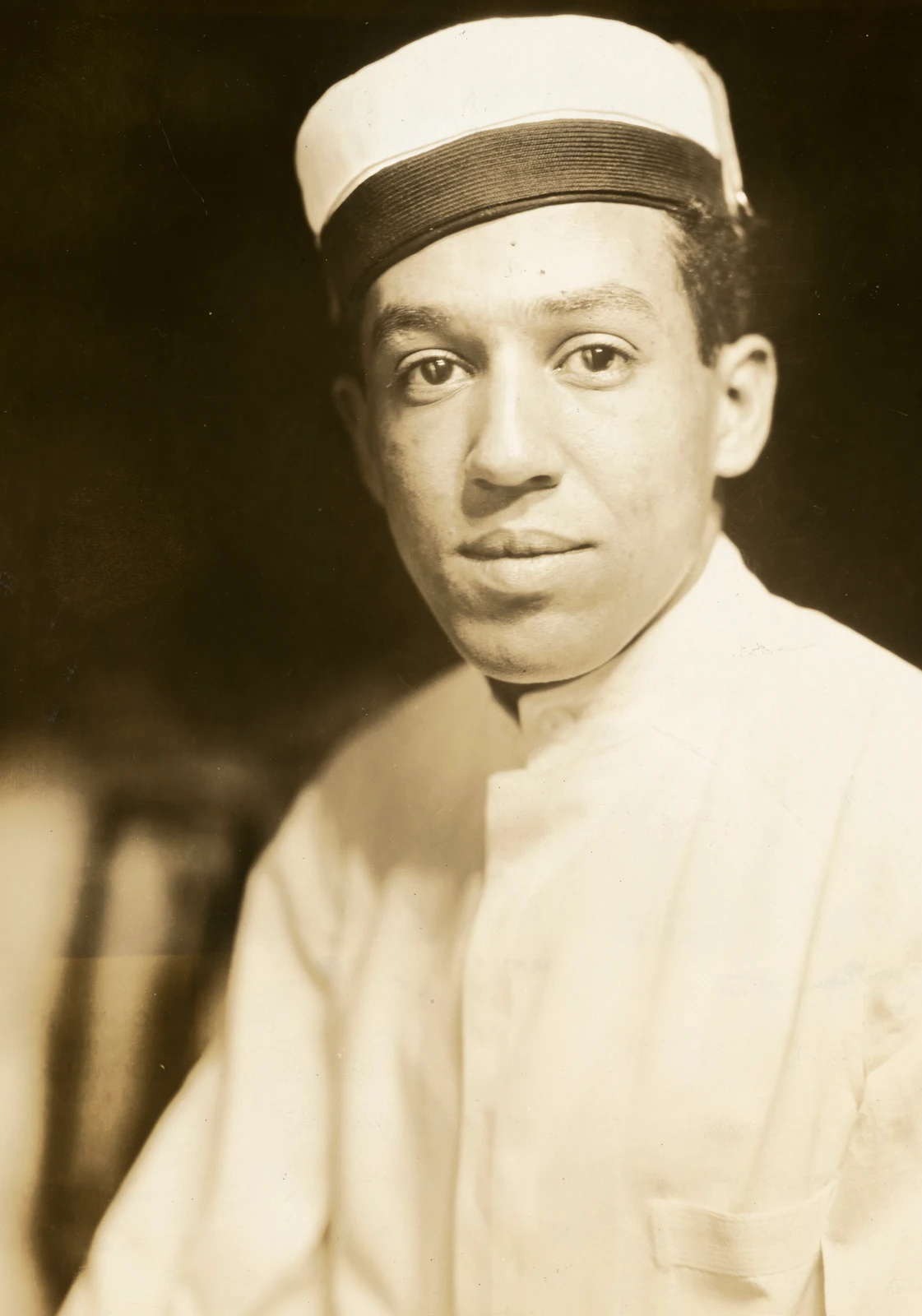
1901/1902–1967
Langston Hughes
Poet, novelist, playwright, columnist and folkloristA writer whose poetry, fiction and performances brought the music, speech, humor and struggles of Black communities into American literature.Read biography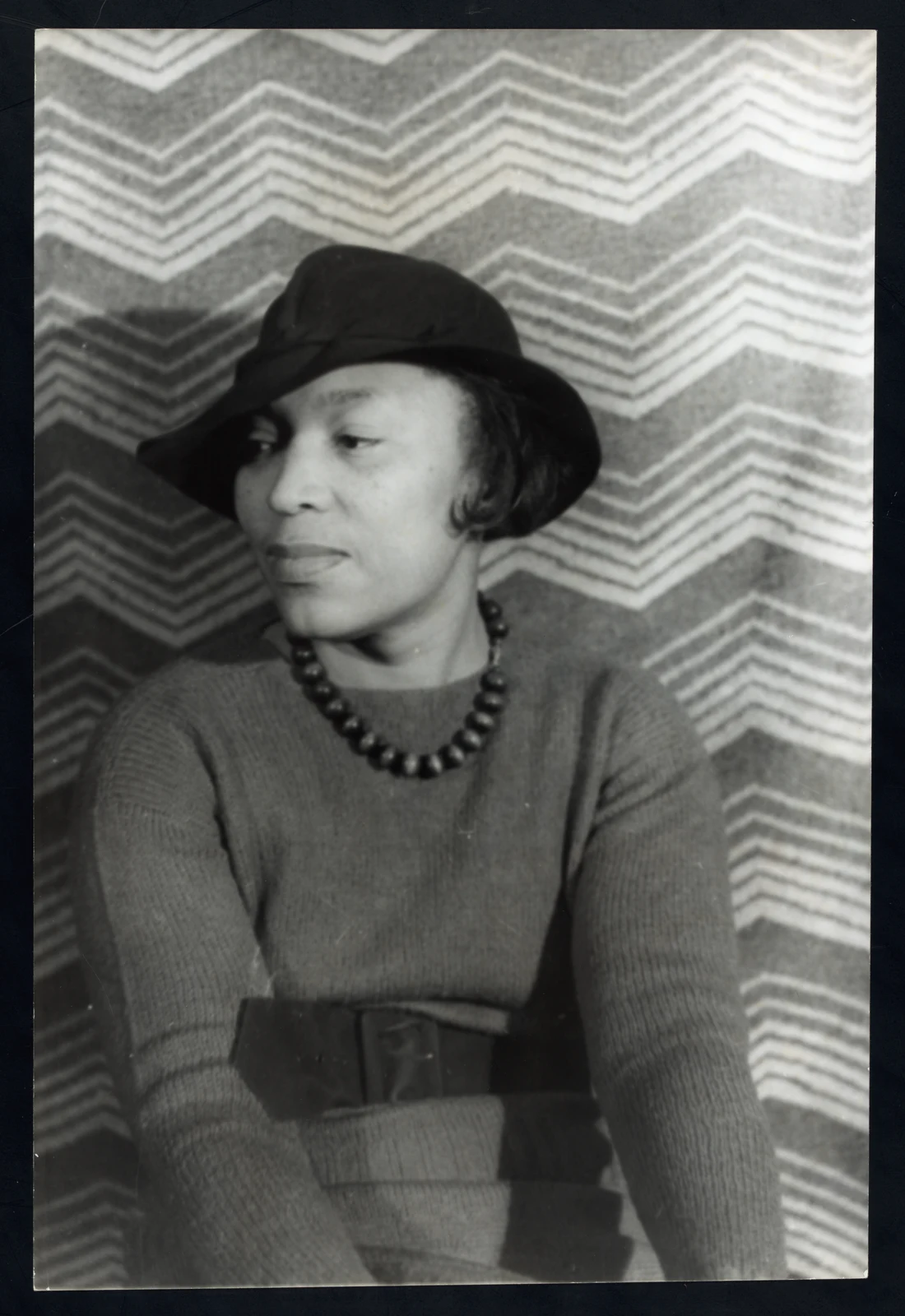
1891–1960
Zora Neale Hurston
Novelist, folklorist, anthropologist and playwrightA novelist and researcher whose writing and fieldwork preserved Black storytelling, songs and everyday speech while exploring women’s lives and independence.Read biographyQuick answers
Common questions
- Did Hughes and Hurston found the Harlem Renaissance?
- They were important participants in a much broader movement. Earlier Black educators and intellectuals, editors, musicians, artists, publishers and many other writers helped create its institutions and audiences.
- Why were The Crisis, Opportunity and Fire!! important?
- Magazines offered publication, editorial relationships and recognition. Opportunity’s prizes connected emerging writers with influential supporters; Fire!! gave younger artists an experimental outlet of their own, although it produced only one issue in 1926.
- Was Mule Bone written on their 1927 journey?
- No. The shared Southern journey took place in 1927. They collaborated on Mule Bone in 1930, and the coauthored script was registered in January 1931. The Broadway production opened on 14 February 1991.
- Should I read Mules and Men as a novel?
- Mules and Men is Hurston’s 1935 folklore collection. Their Eyes Were Watching God is her 1937 novel. Both draw on speech and storytelling, but they offer different relationships between collected tradition, literary structure and individual experience.
Primary and institutional sources
How this history was checked
Institutional collections, publication records, an archival finding aid and a primary essay support the connections discussed here. Original publication, copyright registration and later production dates are treated separately. This article was reviewed on 21 October 2026.
- Library of CongressHarlem Renaissance — research guide
- Library of CongressThe Harlem Renaissance — primary source set
- University of Kansas, Langston Hughes CenterAbout the Hughes Center — literary chronology
- Barnard CollegeZora at Barnard
- The Morgan Library & MuseumFire!! — first-issue catalog record
- University of Pennsylvania, The Online Books PageFire!! — serial publication history
- Lehigh University, African American Poetry: A Digital AnthologyLangston Hughes, The Negro Artist and the Racial Mountain — 1926 primary text
- National Endowment for the ArtsTheir Eyes Were Watching God — book and author guide
- Library of Congress, American Folklife CenterLangston Hughes: Experimental Folklorist
- Yale University Library, Beinecke LibraryCarl Van Vechten Papers Relating to African American Arts and Letters — finding aid, page 23, Hughes correspondence
- Library of CongressZora Neale Hurston resource guide — digital collections
- University of Central FloridaZora Neale Hurston Digital Archive — chronology
- Library of CongressZora Neale Hurston timeline — 1930 to 1935
- Library of CongressThe Mule-Bone — January 1931 copyright-deposit script
- The New York Public LibraryLincoln Center Theater records — historical note
- The Broadway LeagueMule Bone — 1991 original Broadway production
- Lincoln UniversityAbout the Langston Hughes Memorial Library
- Academy of American PoetsLangston Hughes — selected works
- Zora Neale Hurston official website / HarperCollins edition recordMules and Men
- Zora Neale Hurston official websiteReading Group Guide: Their Eyes Were Watching God
- University of Central FloridaZora Neale Hurston Digital Archive — primary bibliography