
The short answer
A proposal can establish what researchers intended to do. It cannot, by itself, establish who attended throughout a workshop or which ambitions they achieved. Dartmouth’s AI history becomes clearer when those questions are kept separate.
Original source-reading aid
Separate the claim from the record
The same date or name can serve different purposes in different records.
| Country | What it supports | What it does not establish |
|---|---|---|
| 1955 proposal | Named authors, intended programme and requested staffing. | Actual attendance or completed results. |
| 2006 recollection | One organiser’s account of discussions and changing plans. | An exhaustive contemporary record. |
| Archive note | The location and limits of the surviving local collection. | That unpreserved events never happened. |
| 1960 paper | A dated technical contribution to symbolic computation. | Publication during the 1956 workshop. |
Chronology
A timeline of the turning points
Begin with the document that made the request
The proposal is dated 31 August 1955 and names John McCarthy, Marvin Minsky, Nathaniel Rochester and Claude Shannon. Their listed affiliations were Dartmouth, Harvard, IBM and Bell Telephone Laboratories respectively. A common retrospective shortcut places every organiser at an institution better known from a later career. Reading the title page first prevents that error. The document requested support for a summer 1956 project in Hanover, New Hampshire. A request and an event belong in the same history without being the same record.
Sources for this section: [1]
Treat the central statement as a conjecture
The authors proposed that learning and other features of intelligence could be described precisely enough for machine simulation. This was a premise for investigation, not an experimental result demonstrating general intelligence. The programme included language, neural networks, abstraction, complexity and self-improvement. Its range is useful evidence against the idea that the early field had a single agreed technique. Research questions can be shared even when methods, definitions and expectations differ.
Sources for this section: [1]
A later participant account changes the question
McCarthy’s 2006 retrospective says participants arrived at different times and stayed for different periods. It discusses Newell and Simon’s logic work, list-processing ideas and other presentations, while explicitly acknowledging the limits of his own recollection. It is a participant’s account, written fifty years later. That makes it valuable for interpretation and leads, but it does not turn memory into a complete attendance register or a contemporaneous transcript.
Sources for this section: [2]
What the local archive can and cannot supply
Dartmouth’s Rauner Special Collections Library describes a rolling series of meetings rather than a conventional conference. Its May 2026 note also explains that the college holds relatively few workshop records because the event was not formally organised by the institution. It points readers to the digitised proposal and an artificial-intelligence vertical file. A sparse archive is a reason to state the limits of a reconstruction. It is not permission to invent missing minutes, exact daily attendance or a unanimous final declaration.
Sources for this section: [3]
Follow later work without moving it back into 1956
McCarthy’s retrospective connects discussions of list processing with subsequent work. His Lisp paper appeared in April 1960, and the archive presents it under that publication date. A later technical publication may illuminate how a research direction developed, but its date cannot be silently moved into the workshop. The distinction is similar to that between a funding plan and a completed result: both can be historically important while answering different questions.
A worked exercise: evaluate three proposed captions
Exercise: an editor proposes three captions for a workshop timeline. A says the 1955 document proves ten people attended continuously for two months in 1956. B says the four named authors proposed a summer research programme. C says the meeting produced the 1960 Lisp paper on the spot. Which caption is directly supported, and what would be needed to improve the other two?
Suggested answer: B follows the dated proposal and its byline. A converts planned staffing and duration into observed attendance; it would require contemporaneous attendance evidence, and McCarthy’s recollection cautions against the assumption. C collapses an event and a later publication. A better version would say the workshop formed part of a developing research network and identify the later paper with its actual date. These are editorial tests of evidence, not claims that the exercise has recovered new records.
A practical reading order
Start with the proposal’s date, byline and aims. Read the retrospective next, marking where the author reports an event, offers an interpretation or admits incomplete memory. Then consult the archive note for the scope of surviving institutional material. Finally, follow a later technical paper as its own contribution. This sequence allows a reader to understand why Dartmouth became a landmark in AI history without mistaking a landmark for the origin of every idea or a guarantee that the original ambitions were fulfilled.
Connected biographies
People and institutions
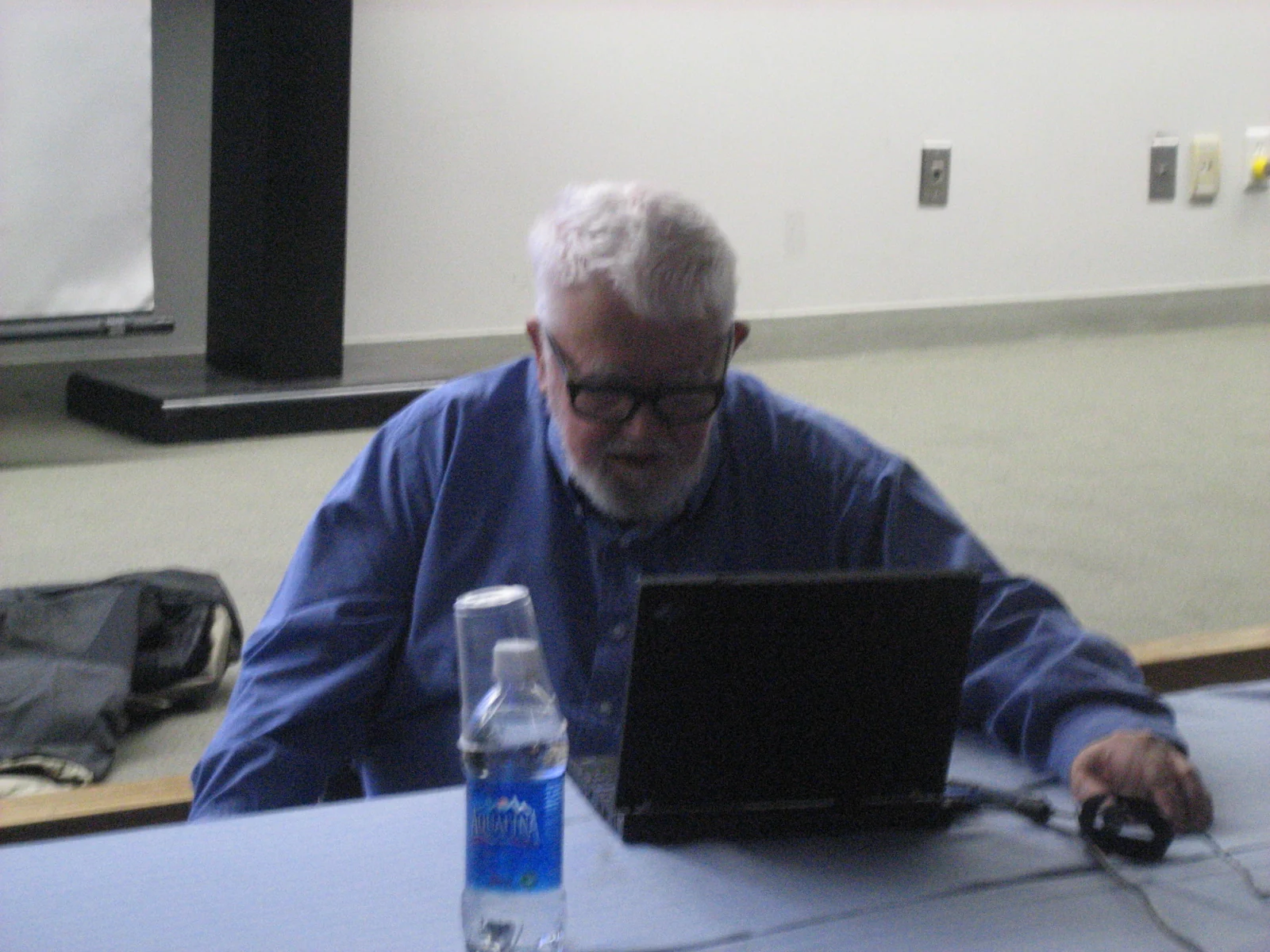
1927–2011
John McCarthy
Computer scientist and mathematical logicianJohn McCarthy helped define artificial intelligence as a research field and developed Lisp as a language for symbolic computation. His career connected mathematical logic, programming tools and shared computing infrastructure, while leaving major research questions open.Read biography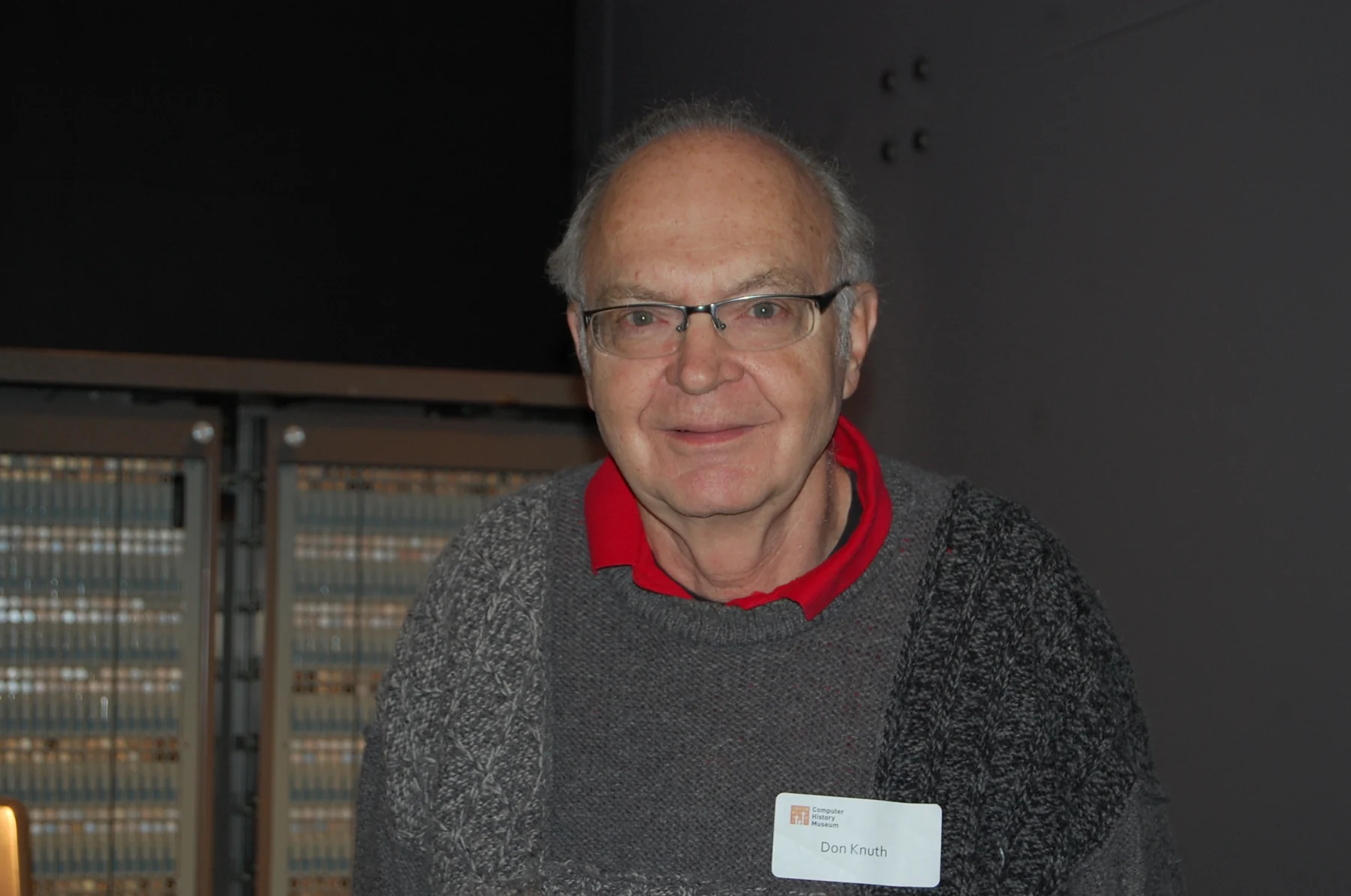
1938–present
Donald Knuth
Computer scientist, mathematician and authorDonald Knuth connected mathematical analysis with the craft of writing programs. His books organised algorithms for study, while TeX, METAFONT and WEB joined practical software development with typography and explanation.Read biography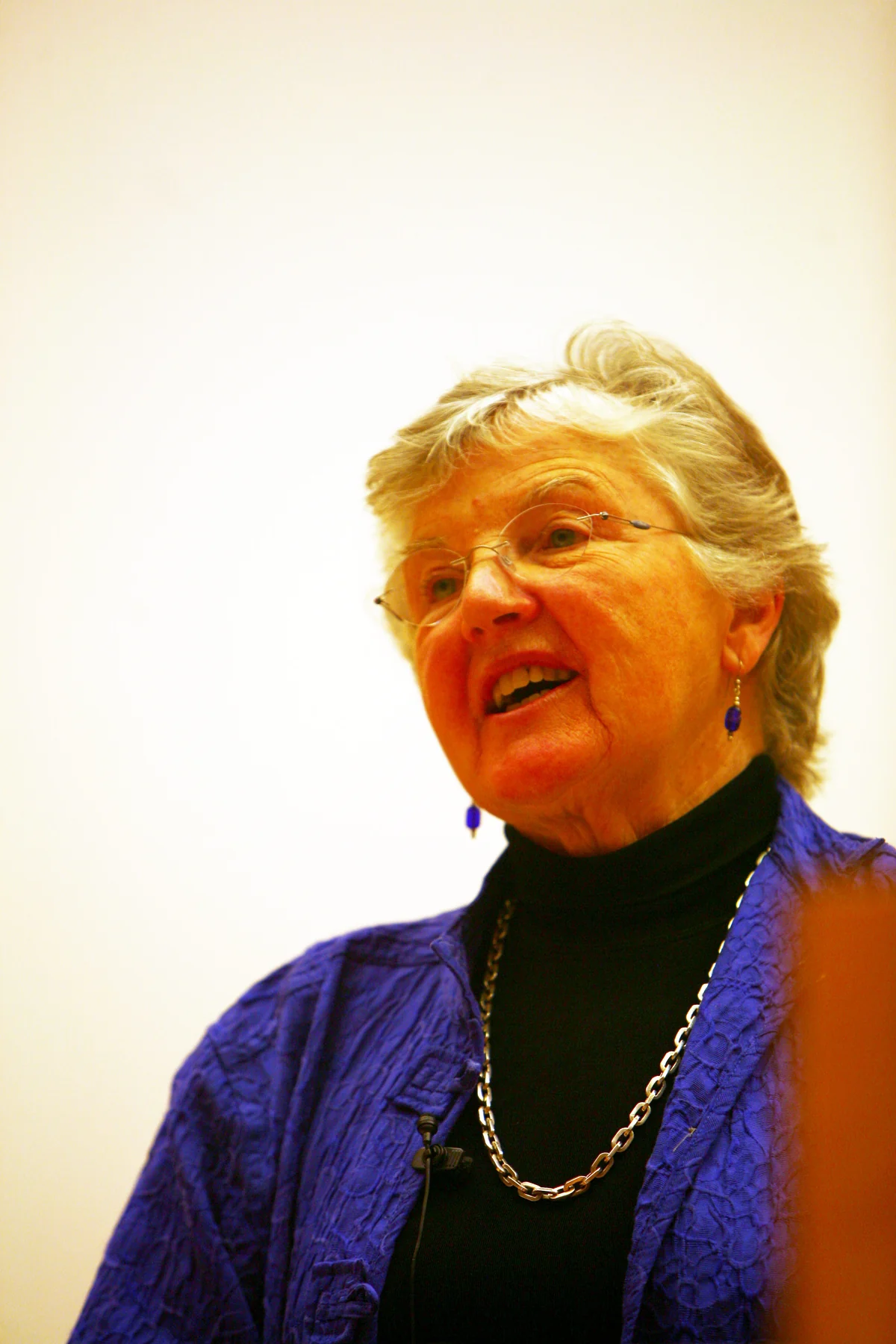
1932–2020
Frances Allen
Computer scientist, compiler researcher and technical mentorFrances Allen developed ways to analyse programs so compilers could improve their execution. Her work with John Cocke and research teams at IBM connected mathematical descriptions of programs with working systems and parallel computing.Read biography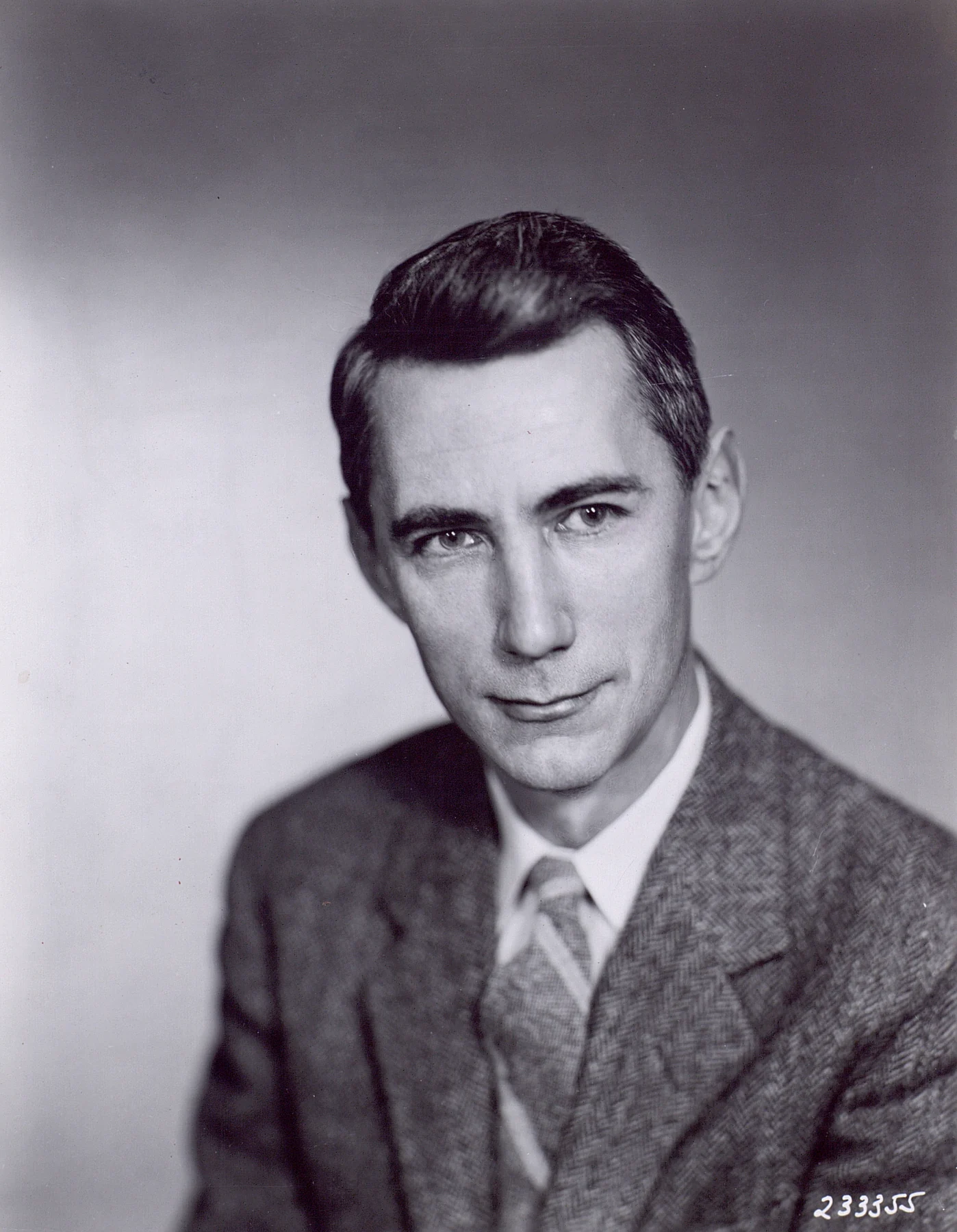
1916–2001
Claude Shannon
Mathematician, electrical engineer and information theoristClaude Shannon connected abstract probability and symbolic logic with engineering problems. His work gave circuit designers a calculus and communication engineers a way to quantify uncertainty, coding limits and reliable transmission.Read biographyQuick answers
Common questions
Primary and institutional sources
How this history was checked
Original records are linked by section. The worked exercises are editorial teaching aids, not newly discovered historical evidence. This article was reviewed on 27 October 2026.