
The short answer
GE15 produced Malaysia’s first hung Parliament: PH emerged as the largest aligned bloc with 82 seats, PN won 74 and no coalition reached the 112-seat majority. The first federal election under Undi18 and automatic registration ended with Anwar Ibrahim’s appointment and a broad post-election unity government.
The final parliamentary result
How the 222 Dewan Rakyat seats were divided
Aligned totals group component parties that the official Election Commission table lists under separate ballot labels. The distinction explains why some sources show PH as 76 and PN as 52.
| Alignment | Seats | Official-label components | Government outcome |
|---|---|---|---|
| PH-aligned | 82 | PH 76 + DAP 5 + MUDA 1 | Led the unity government |
| PN-aligned | 74 | PN 52 + PAS 22 | Became principal opposition |
| Barisan Nasional | 30 | BN | Joined the unity government |
| GPS | 23 | Gabungan Parti Sarawak | Joined the unity government |
| GRS and Warisan | 9 | GRS 6 + Warisan 3 | Supported the government |
| Others | 4 | PBM 1 + KDM 1 + independents 2 | Mixed support |
Chronology
A timeline of the turning points
Pakatan Harapan wins GE14
Malaysia completed its first federal transfer between rival coalitions, with Mahathir Mohamad returning as prime minister.
The PH government falls
Mahathir resigned, Bersatu left PH and defections changed the parliamentary alignment. Muhyiddin Yassin was appointed prime minister.
Ismail Sabri becomes prime minister
Muhyiddin resigned after losing majority support, and the King appointed UMNO vice-president Ismail Sabri Yaakob.
Undi18 and automatic registration take effect
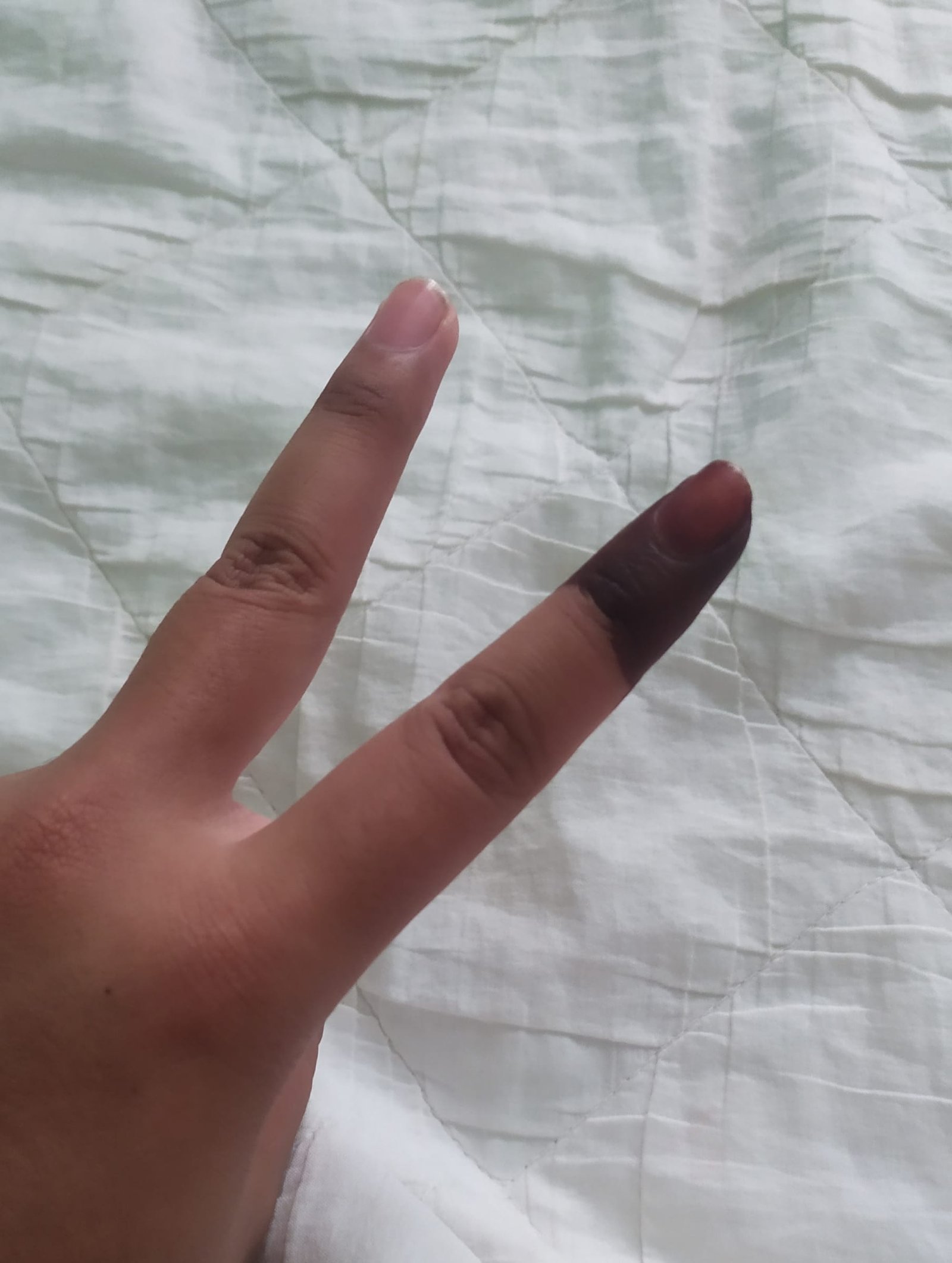
The minimum voting age fell from twenty-one to eighteen and eligible citizens began entering the electoral roll automatically.
Federal anti-party-hopping rules take effect
New Article 49A created circumstances in which an MP who leaves a party must vacate the seat, responding to the defections that shaped the previous Parliament.
Parliament is dissolved early
Ismail Sabri announced dissolution after months of pressure from within UMNO, sending the country to an election during the monsoon season.
A fourteen-day campaign begins
Nomination day confirmed a crowded three-coalition national contest among PH, PN and BN, alongside strong regional coalitions in Sabah and Sarawak.
More than fifteen million voters cast ballots
The expanded electorate voted in the first federal election under Undi18 and automatic registration. Election Commission reporting put turnout at about 73.9 per cent.
No coalition reaches 112 seats
PH emerged as the largest alignment, PN surged through the Malay heartlands and BN recorded its worst federal result, producing Malaysia’s first hung Parliament.
Coalitions negotiate over government formation
PH and PN each sought support. BN, GPS, GRS and smaller groupings became decisive while the King consulted party leaders and the Malay Rulers.
Anwar Ibrahim is sworn in as tenth prime minister
The Yang di-Pertuan Agong appointed Anwar under Articles 40(2)(a) and 43(2)(a) after concluding that he was likely to command majority confidence.
The final deferred parliamentary seat is decided
BN won Padang Serai, completing the 222-seat result after polling there had been postponed following a candidate’s death.
The fifteenth Parliament confirms confidence
MPs took their oaths and Anwar’s government won a confidence motion by voice vote at the first sitting.
What happened in Malaysia’s 2022 general election?
GE15 elected a fragmented Parliament. No party or pre-election coalition won the 112 seats required for a simple majority in the 222-member Dewan Rakyat. It was the first hung Parliament produced directly by a Malaysian general election.
Pakatan Harapan was the largest alignment with 82 seats when its component and allied ballot labels are grouped together. Perikatan Nasional won 74 on the same grouped basis, BN 30, GPS 23, GRS six and Warisan three; two independents, PBM and KDM held the remaining four.
Because voters elected MPs rather than a prime minister directly, the result moved into a constitutional government-formation process. After five days of negotiations and royal consultations, Anwar Ibrahim was appointed prime minister and assembled a broad unity government.
What were the final GE15 seat results?
The official result is easiest to read with one caution: the Election Commission reported some parties under their own ballot labels. It listed PH on 76, DAP on five and MUDA on one; these are commonly grouped as an 82-seat PH-aligned bloc. It listed PN on 52 and PAS on 22, commonly grouped as 74 PN-aligned seats.
BN won 30, a collapse from 79 in 2018 and its lowest federal total. GPS won 23, GRS six and Warisan three. PBM and KDM each won one, and independents won two. The total reached 222 after the deferred Padang Serai poll on 7 December.
Grouping is useful for explaining government formation, but the official ballot-label count remains important. This guide states both so that readers can reconcile apparently different totals in reliable sources.
Why did GE15 produce a hung Parliament?
The coalition system had fractured after 2018. PH remained a major national bloc, but Bersatu had left it and now led PN alongside PAS. BN contested separately, while GPS and GRS defended strong regional positions. Many constituencies therefore became three-cornered contests rather than direct government-opposition races.
PN made large gains in Malay-majority constituencies, including sweeps in Kelantan and Terengganu. PH retained many urban and mixed seats. BN lost votes and seats to both rivals but still held enough MPs to make its post-election decision pivotal.
Malaysia’s first-past-the-post system amplified these regional and constituency patterns. No bloc translated its support into 112 victories, even though the combined turnout represented more voters than any earlier Malaysian election.
How did Undi18 change the electorate?
GE15 was the first federal election after the voting age fell from twenty-one to eighteen and automatic voter registration began. The eligible electorate rose to more than 21 million—about six million above the 14.94 million registered for GE14.
Not all of that increase consisted of eighteen-to-twenty-year-olds. Automatic registration added older eligible citizens who had never registered, while population growth and ordinary age cohorts also expanded the roll. “Six million new voters” is therefore broader than “six million youth voters.”
Turnout was about 73.9 per cent, below GE14’s 82.3 per cent, but the larger roll meant the absolute number of participants was substantially higher. Percentage turnout and ballots cast tell different stories when the denominator changes so sharply.
What issues shaped the campaign?
Political stability was central after four years that produced three prime ministers and several changes of governing alignment. BN argued that a fresh mandate could end uncertainty; PH campaigned on reform and anti-corruption; PN presented itself as a cleaner and more stable alternative to both.
Cost of living, wages, employment, flood readiness and recovery from the COVID-19 pandemic also mattered. ISEAS analysis found that the three national coalition manifestos overlapped on social protection and public services while differing in presentation, governance emphasis and constituencies targeted.
Leadership messages competed with local and regional concerns. Sabah and Sarawak parties stressed state rights and federal bargaining power, while the monsoon-season timing heightened attention to turnout and disaster preparedness.
Why did Perikatan Nasional gain so many seats?
PN combined Bersatu’s claim to governmental experience with PAS’s long-established organisation. It displaced BN across much of the northern and eastern Malay-majority peninsula and emerged as the largest opposition bloc after government formation.
The result is often called a “green wave,” referring to PAS’s colour and the coalition’s gains. Later ISEAS analysis cautions that the label can hide continuity, regional differences, multi-cornered contests and the way first-past-the-post converts shifts in votes into larger shifts in seats.
The safest conclusion is specific: PN won 74 aligned seats in the final count, including 22 officially recorded under the PAS label, and became the principal parliamentary opposition. Explaining every voter’s motivation requires more than the seat map alone.
How was Anwar Ibrahim appointed prime minister?
Malaysia’s Constitution requires the Yang di-Pertuan Agong to appoint a Dewan Rakyat member who in the monarch’s judgment is likely to command majority confidence. With no pre-election winner, party leaders submitted positions and negotiated possible combinations.
Initial alignments shifted. BN declined to support a PN-led government and later agreed to participate in a PH-led arrangement; GPS and GRS also supported the emerging government. After consulting the Malay Rulers, the King appointed Anwar on 24 November under Articles 40(2)(a) and 43(2)(a).
Appointment did not turn GE15 into a direct presidential victory. Anwar became prime minister because a post-election parliamentary alignment could support him. The Dewan Rakyat later approved a confidence motion by voice vote on 19 December.
What is Malaysia’s “unity government”?
The term describes the broad coalition of coalitions formed after GE15. Its core combined PH with its former rival BN and included GPS, GRS and other supporters. PN remained outside the government as the main opposition.
This was not the coalition configuration presented to voters before polling day. It was a response to the hung result: parties with significant ideological and historical differences agreed to support a government led by Anwar, with BN chair Ahmad Zahid Hamidi and GPS figure Fadillah Yusof serving as deputy prime ministers.
The arrangement supplied a working parliamentary majority, but it also changed how accountability had to be understood. Government cohesion now depended on agreements among blocs that had campaigned against one another only weeks earlier.
Did the anti-party-hopping law prevent instability?
The constitutional anti-hopping provisions took effect five days before Parliament was dissolved. They addressed certain individual party defections by requiring a seat to become vacant when specified conditions are met.
The law did not prevent parties or entire coalitions from negotiating alliances after an election, nor did it eliminate every route by which an MP’s political support might change. GE15 therefore combined tighter rules on individual switching with continued flexibility in coalition formation.
Its first test showed both purposes and limits. The election result was resolved through formal bloc negotiations and a parliamentary confidence process, not a repeat of the individual defections associated with the 2020 collapse—but political stability still depended on coalition discipline.
What is GE15’s lasting significance?
GE15 confirmed that Malaysia had moved from dominant-coalition rule to sustained multi-coalition competition. GE14 proved federal power could change hands; GE15 showed that an election might produce no single winner and require transparent government formation afterward.
It also transformed participation. Undi18 and automatic registration permanently enlarged the electorate, requiring every coalition to organise for younger and previously unregistered voters even when their preferences are not uniform.
Finally, the election made constitutional literacy part of everyday politics. Seats, confidence, royal judgment and coalition agreements—not simply the identity of the largest bloc—determined who could govern a hung Parliament.
Continue the chronology
Related history guides
Malaysia’s Political Parties Explained
Decode the difference between party labels, election coalitions and the post-GE15 government alignment.
Read the timeline2008–2022Malaysia Elections: GE12–GE15 Compared
Track the path from a weakened dominant coalition to alternation and a hung Parliament.
Read the timeline9 May 2018Malaysia’s 2018 General Election
Begin with the election that removed BN and created the coalition later broken apart in 2020.
Read the timeline1955–presentHow Malaysia’s Elections Work
Understand constituency results, the majority threshold and constitutional government formation.
Read the timeline1957–presentMalaysia’s Constitutional Monarchy
Examine the King’s appointment power when no bloc has an undisputed majority.
Read the timeline1959–presentHow Malaysia’s Parliament Works
See how confidence and the 112-seat threshold determine who can govern.
Read the timeline1957–presentPrime Ministers of Malaysia
Place Anwar’s appointment after the rapid sequence of post-GE14 governments.
Read the timelineBiography context
Explore Malaysia through connected lives
Connected biographies
Four lives connecting the campaign, hung Parliament and unity-government bargain
 Malaysia · Politics
1947—
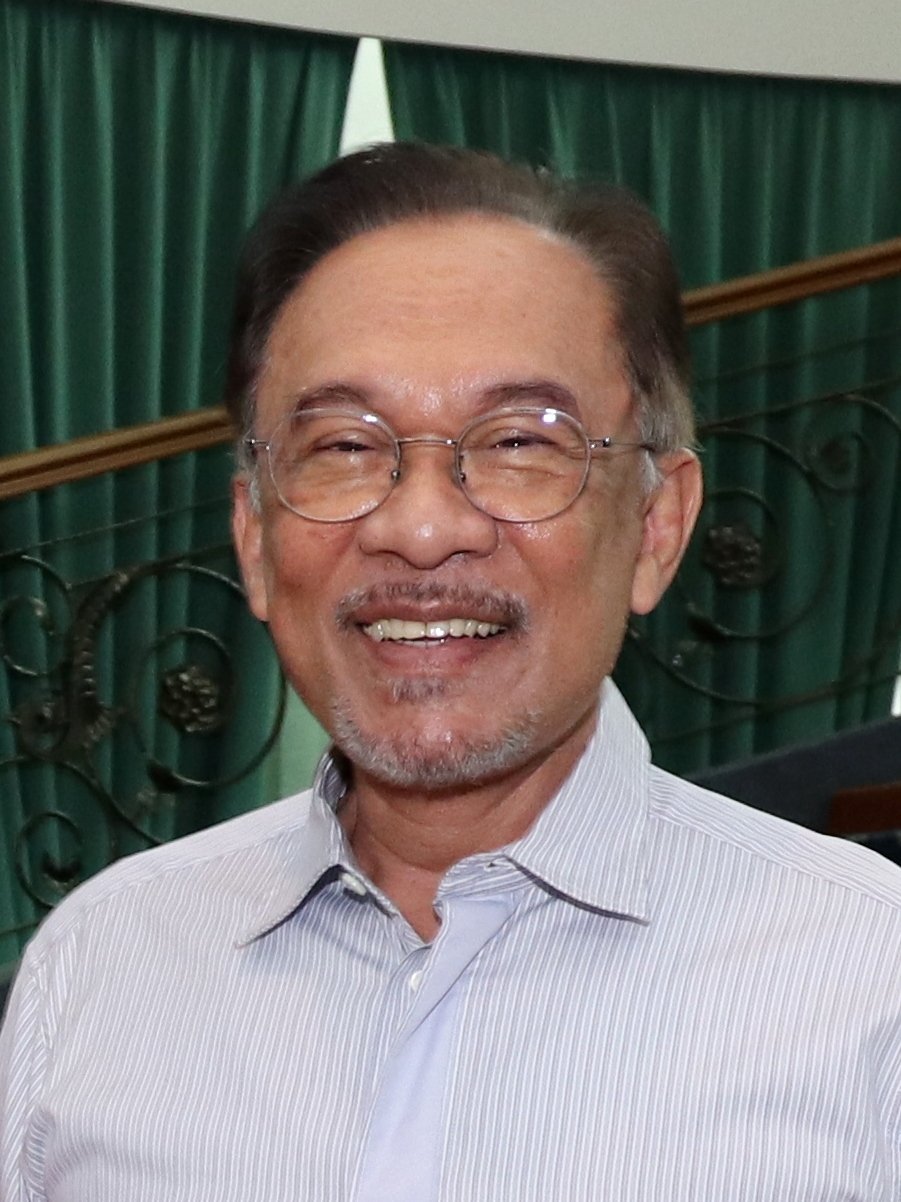
Anwar Ibrahim
Tenth Prime Minister of MalaysiaA student activist turned government minister, opposition leader and Malaysia’s tenth prime minister after one of the longest routes to national office.Read biography Malaysia · Politics
1947—
Muhyiddin Yassin
Eighth Prime Minister of MalaysiaA veteran Johor politician who became prime minister after the 2020 coalition crisis and governed through the most disruptive phase of the pandemic.Read biography Malaysia · Politics
1960—
Ismail Sabri Yaakob
Ninth Prime Minister of MalaysiaA long-serving minister who became prime minister during the pandemic and led Malaysia through reopening, a cross-party reform accord and the 2022 election.Read biography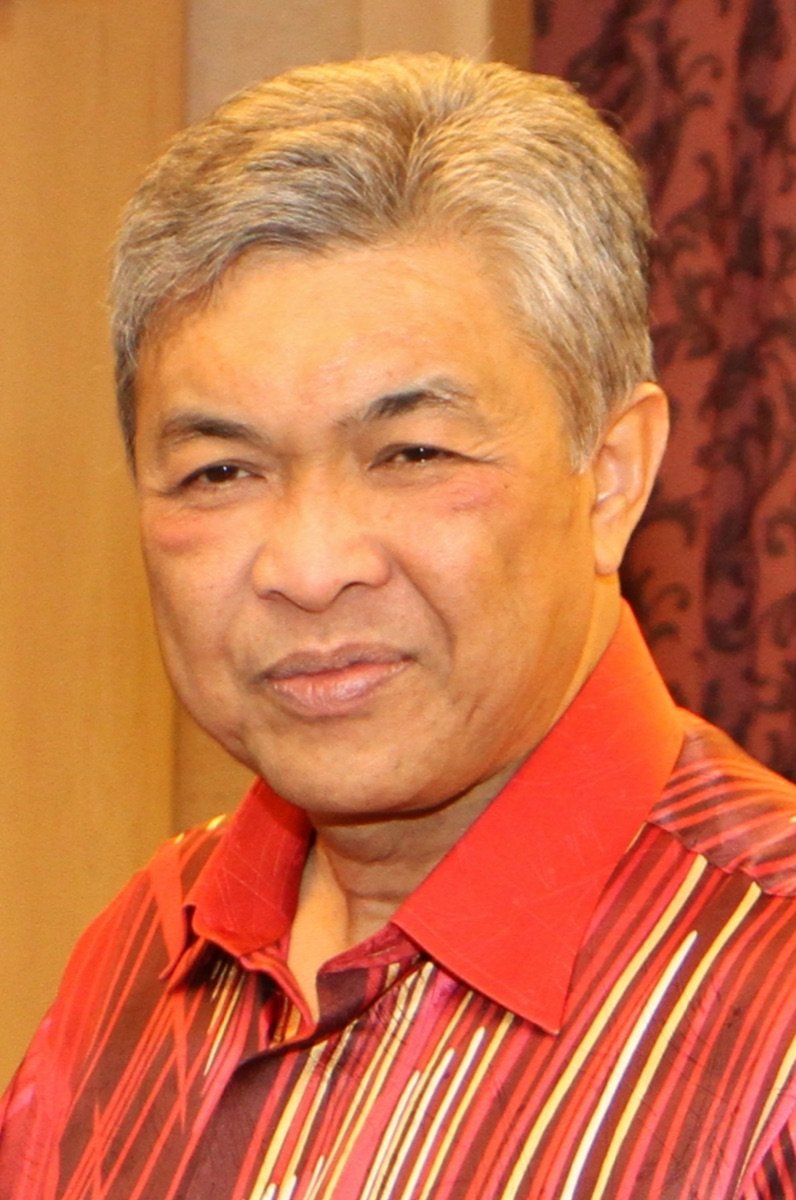 Malaysia · Politics
1953—
Ahmad Zahid Hamidi
Deputy Prime Minister and Minister of Rural and Regional DevelopmentThe UMNO president and Bagan Datuk member of Parliament who returned to the deputy premiership in 2022 after first holding the office from 2015 to 2018.Read biographyQuick answers
Common questions
- When was Malaysia’s GE15 election?
- Most constituencies voted on Saturday, 19 November 2022. The Padang Serai parliamentary poll was deferred until 7 December after a candidate died.
- Who won Malaysia’s 2022 general election?
- No coalition won the 112 seats needed for a majority. PH was the largest aligned bloc with 82 seats, followed by PN with 74; Anwar Ibrahim later formed a multi-coalition government.
- How many seats did each coalition win in GE15?
- On the common aligned grouping, PH won 82, PN 74, BN 30, GPS 23, GRS six and Warisan three. PBM, KDM and two independents held the remaining four seats.
- Why do some official sources list PH as 76 and PN as 52?
- The Election Commission records ballot labels separately. Adding DAP’s five and MUDA’s one to PH gives 82; adding PAS’s 22 to PN gives 74.
- What was voter turnout in GE15?
- Election Commission reporting placed parliamentary turnout at approximately 73.9 per cent. The rate was lower than in 2018, but the much larger electorate produced more voters in absolute terms.
- Was GE15 the first election with Undi18?
- Yes. It was the first federal general election after the voting age fell to eighteen and automatic registration took effect in December 2021.
- Why was Anwar Ibrahim appointed prime minister?
- After consultations and coalition negotiations, the King concluded that Anwar was likely to command majority confidence in the Dewan Rakyat and appointed him under Articles 40(2)(a) and 43(2)(a).
- What parties formed the unity government?
- The government was led by PH and supported by BN, GPS, GRS, Warisan and other MPs. PN became the principal opposition.
Primary and institutional sources
How this history was checked
Election Commission and IPU records establish the final count; parliamentary and PMO records establish the legal reforms, appointment and confidence vote; ISEAS and Bersih provide clearly attributed analysis and observation. This article was reviewed on 4 October 2026.
- Election Commission of MalaysiaOfficial General Election Results Portal — GE15
- Election Commission of MalaysiaOpen Data Portal: GE15 Electorate and Turnout
- Inter-Parliamentary UnionMalaysia House of Representatives Election, November 2022
- Prime Minister’s Office of MalaysiaAnwar Ibrahim Sworn In as Tenth Prime Minister
- Parliament of MalaysiaJournal of the Malaysian Parliament: Undi18 and Anti-Hopping Amendments
- ISEAS – Yusof Ishak InstituteMalaysia’s GE15 Manifestos: Wading Through a Flood of Offerings
- ISEAS – Yusof Ishak InstituteWhy Malaysia’s Unity Government Will (Probably) Survive
- BersihPreliminary Report of the Fifteenth General Election