
The short answer
BN retained a two-thirds majority but fell from 59 seats to 48 as Sabah’s elected opposition grew from one member to twelve. PKR won seven seats, DAP four and Jeffrey Kitingan took Bingkor for STAR. UMNO still won 31 seats on its own, allowing Musa Aman to begin another term as chief minister.
Results at a glance
Seats won in the 2013 Sabah election
UMNO retained an assembly majority on its own, but losses among BN’s regional partners helped PKR, DAP and STAR build a twelve-member opposition.
| Party | Seats won | Share of 60 seats | Change from 2008 |
|---|---|---|---|
| UMNO / BN | 31 | 51.7% | −1 |
| PBS / BN | 7 | 11.7% | −5 |
| UPKO / BN | 4 | 6.7% | −2 |
| LDP / BN | 3 | 5.0% | No change |
| Gerakan / BN | 2 | 3.3% | New allocation |
| PBRS / BN | 1 | 1.7% | No change |
| MCA / BN | 0 | 0.0% | −1 |
| PKR / Pakatan Rakyat | 7 | 11.7% | +7 |
| DAP / Pakatan Rakyat | 4 | 6.7% | +3 |
| STAR | 1 | 1.7% | +1 |
Chronology
A timeline of the turning points
BN wins 59 of 60 seats
DAP held the only opposition seat before SAPP’s later departure reduced the effective BN total to 57.
STAR establishes its Sabah organisation
Jeffrey Kitingan led the regionalist party into a crowded opposition field built around a “Borneo Agenda”.
The Lahad Datu security crisis unfolds
An armed incursion in eastern Sabah put sovereignty, border security and migration at the centre of public debate before the election.
Parliament and the Sabah assembly are dissolved
The dissolution began the formal campaign for simultaneous federal and state elections.
Candidates are nominated
BN defended all 60 seats against Pakatan Rakyat parties, STAR, SAPP and a large field of smaller parties and independents.
BN retains Sabah with 48 seats
The coalition kept a four-fifths assembly majority but lost eleven seats compared with 2008.
PKR and DAP win eleven seats
PKR captured seven constituencies and DAP four, expanding Pakatan Rakyat’s state presence from one seat to eleven.
Jeffrey Kitingan wins Bingkor
The STAR president won the regional party’s only seat by 456 votes in a four-cornered contest.
Musa Aman is sworn in again
Musa began a fourth administrative term after retaining Sungai Sibuga and leading BN to another majority.
Who won the 2013 Sabah state election?
Barisan Nasional retained the Sabah government with 48 of the 60 elected seats. Pakatan Rakyat parties won eleven—seven for PKR and four for DAP—while Jeffrey Kitingan won Bingkor for the State Reform Party, or STAR.
The result remained a decisive BN victory because 31 seats were required for a majority. It was nevertheless a major change from 2008, when BN had won 59 seats and DAP held the only elected opposition place.
The opposition therefore grew from one seat to twelve, while BN lost eleven. SAPP, which had left BN after the previous election and entered 2013 with two assembly members, failed to win any constituency.
How did BN fall from 59 seats to 48?
BN’s statewide vote share fell sharply. ElectionData records approximately 55.6 percent for the coalition, compared with 32.2 percent for Pakatan Rakyat, 5.7 percent for STAR and 4.1 percent for SAPP.
The coalition remained strongest in Muslim-bumiputera and many rural constituencies, but it lost ground in urban Chinese-majority seats, mixed areas and several Kadazandusun-majority districts. Higher opposition support was concentrated efficiently enough to turn eleven additional constituencies.
First-past-the-post voting still gave BN 80 percent of the seats from a little over half of the valid votes. The coalition’s 48-seat total preserved a two-thirds assembly majority, but the gap between its vote share and seat share showed why the result was less dominant than the chamber numbers alone suggested.
How were BN’s 48 seats divided?
UMNO won 31 of the 32 constituencies allocated to it, losing only Klias to PKR candidate Lajim Ukin. Thirty-one was itself the threshold for an assembly majority, so UMNO remained the decisive party inside the government.
PBS fell from twelve seats to seven, UPKO from six to four, while LDP retained three. Gerakan won Elopura and Tanjong Papat, the two constituencies whose former SAPP members had remained aligned with BN after 2008, and PBRS retained Sook. MCA lost both seats it contested.
The pattern concentrated BN power more heavily in UMNO. Its six successful partners together contributed seventeen seats, while losses among PBS, UPKO and MCA accounted for most of the coalition’s decline.
How did PKR win seven seats?
PKR won Matunggong, Kadamaian, Tamparuli, Inanam, Api-Api, Moyog and Klias. The group crossed urban, mixed and Kadazandusun-majority areas rather than following a single geographic or community pattern.
The party incorporated local networks led by figures who had moved away from BN, including Lajim Ukin’s organisation in the Muslim-bumiputera west coast and Wilfred Bumburing’s movement in Kadazandusun areas. That approach created tensions with existing PKR activists, but it also supplied recognisable local candidates.
Academic analysis found that PKR won four of the seventeen constituencies classified as Kadazandusun-majority. The result showed that voters interested in Sabah rights did not support only regional parties; some were also willing to use a national opposition party as their vehicle.
Where did DAP win its four seats?
DAP won Likas, Luyang, Kapayan and Sri Tanjong. Hiew King Cheu won Luyang by 8,676 votes, Edwin Bosi won Kapayan by 7,287, Wong Hong Jun won Likas by 5,652 and Chan Foong Hin retained Sri Tanjong for the party by 5,927.
The victories reflected a strong urban and Chinese-voter shift also visible in Peninsular Malaysia. DAP moved from one Sabah state seat to four while also winning the Kota Kinabalu and Sandakan parliamentary constituencies.
BN still held several less urban Chinese or mixed constituencies, including Tanjong Kapor, Karamunting, Elopura and Tanjong Papat, generally with reduced margins. The result was therefore an urban breakthrough rather than a complete statewide realignment.
Why was Jeffrey Kitingan’s Bingkor victory important?
Jeffrey Kitingan won Bingkor with 5,350 votes, defeating BN–UPKO candidate Kennedy John Angian by 456. It was STAR’s only victory despite the party fielding candidates across much of Sabah.
STAR campaigned on a regionalist “Borneo Agenda” centred on Sabah rights, federal–state relations and local control. The narrow win demonstrated that the message had a constituency, particularly in the interior, even though it did not translate into a broad seat total.
Jeffrey also challenged his brother Joseph Pairin Kitingan for the Keningau parliamentary seat and lost by 346 votes. The simultaneous contests placed two different regional strategies—Pairin inside BN and Jeffrey outside it—before many of the same voters.
Why did SAPP lose all its seats?
SAPP contested independently after leaving BN in September 2008. It fielded 41 state candidates and received about 4.1 percent of the statewide valid vote, but did not finish first in any constituency.
DAP defeated party president Yong Teck Lee in Likas and former SAPP incumbent Melanie Chia in Luyang. In other seats, SAPP competed not only with BN and Pakatan Rakyat but also with STAR and independents, dividing the market for parties campaigning on Sabah-centred themes.
The result removed SAPP from the elected assembly despite its organisational history and former role in government. Its failure contrasted with STAR’s single interior breakthrough and Pakatan Rakyat’s larger urban and mixed-seat gains.
What role did the Lahad Datu crisis play?
The election took place only weeks after an armed group from the southern Philippines entered the Lahad Datu district, leading to deadly clashes and Operation Daulat. The crisis made sovereignty, maritime borders, undocumented migration and eastern-coast security unavoidable campaign subjects.
BN presented the state and federal security response as evidence of its capacity to govern, while opposition speakers connected the incursion to longstanding questions about border management and documentation. The government also established the Eastern Sabah Security Command in the aftermath.
The crisis formed part of the election environment, but the statewide result cannot be reduced to it. Voting still varied substantially by region, urbanisation, party organisation and candidate, and opposition gains occurred alongside continued BN strength in much of eastern and rural Sabah.
How did the result shape Musa Aman’s government?
Musa retained Sungai Sibuga with a majority of 11,569 and was sworn in on 6 May. Because he had first been appointed in 2003 before winning elections in 2004, 2008 and 2013, contemporary reporting described this as his fourth term in office.
UMNO’s 31 seats gave him a secure base, but the larger twelve-member opposition changed the assembly’s political balance. DAP, PKR and STAR could scrutinise the government from distinct urban, national-opposition and regionalist positions.
The election also exposed trends that reshaped the next contest. Shafie Apdal later left UMNO and founded Warisan, opposition parties deepened their urban presence, and state-rights politics expanded beyond SAPP and STAR. In 2018 those forces helped reduce BN to 29 seats and produced Sabah’s first change of government since 1994.
Continue the chronology
Related history guides
STAR Sabah: History and Elections
Continue from Jeffrey Kitingan’s 456-vote Bingkor breakthrough to government and opposition.
Read the timeline9 May 2018The 2018 Sabah State Election
Continue to the 29–29 result that ended BN’s long state government and installed Shafie Apdal.
Read the timeline8 March 2008The 2008 Sabah State Election
Compare the previous 59–1 result and the SAPP split that reshaped the opposition field.
Read the timeline5 May 2013Malaysia’s 2013 General Election
Place Sabah’s result inside the national contest in which BN retained power but lost the popular vote.
Read the timeline1966–presentDAP: History and Leaders
Follow the party that expanded from one Sabah state seat to four.
Read the timeline1999–presentPKR: Reformasi, History and Leaders
Understand the national opposition party that won seven Sabah constituencies.
Read the timeline1973–presentBarisan Nasional: History and Parties
Examine the coalition whose Sabah majority became increasingly dependent on UMNO.
Read the timelineBiography context
Explore Sabah, Malaysia through connected lives
Connected biographies
Eleven biographies connected to the 2013 election
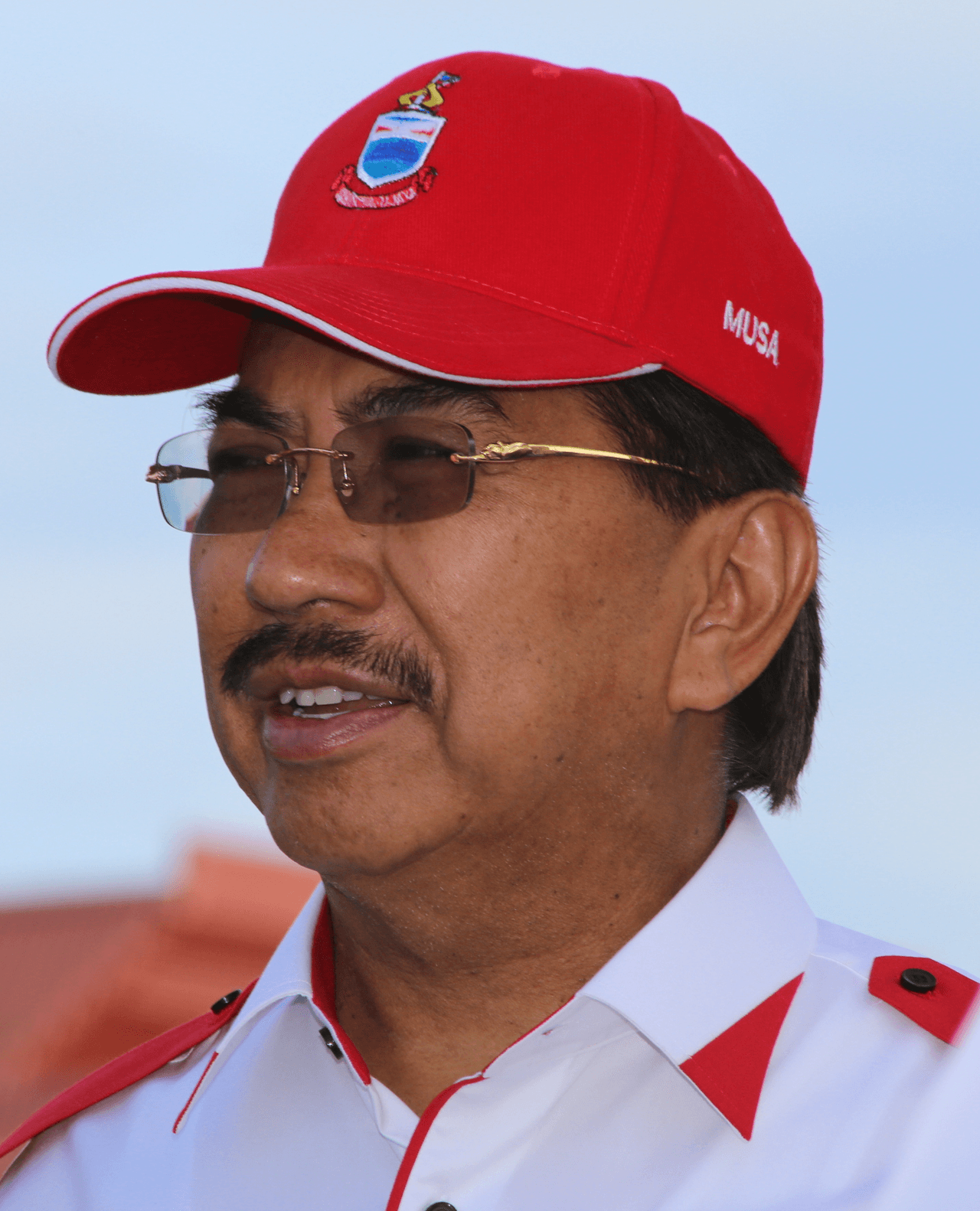
1951—
Musa Aman
Yang di-Pertua Negeri of SabahThe former Sungai Sibuga assemblyman who led Sabah for fifteen years, contested the 2018 transition and returned as Yang di-Pertua Negeri.Read biography
1948—
Jeffrey Kitingan
President of STAR and Member of Parliament for KeningauThe Keningau MP, Tambunan assemblyman and STAR founder whose long career centres on Sabah autonomy, MA63 and Indigenous political representation.Read biography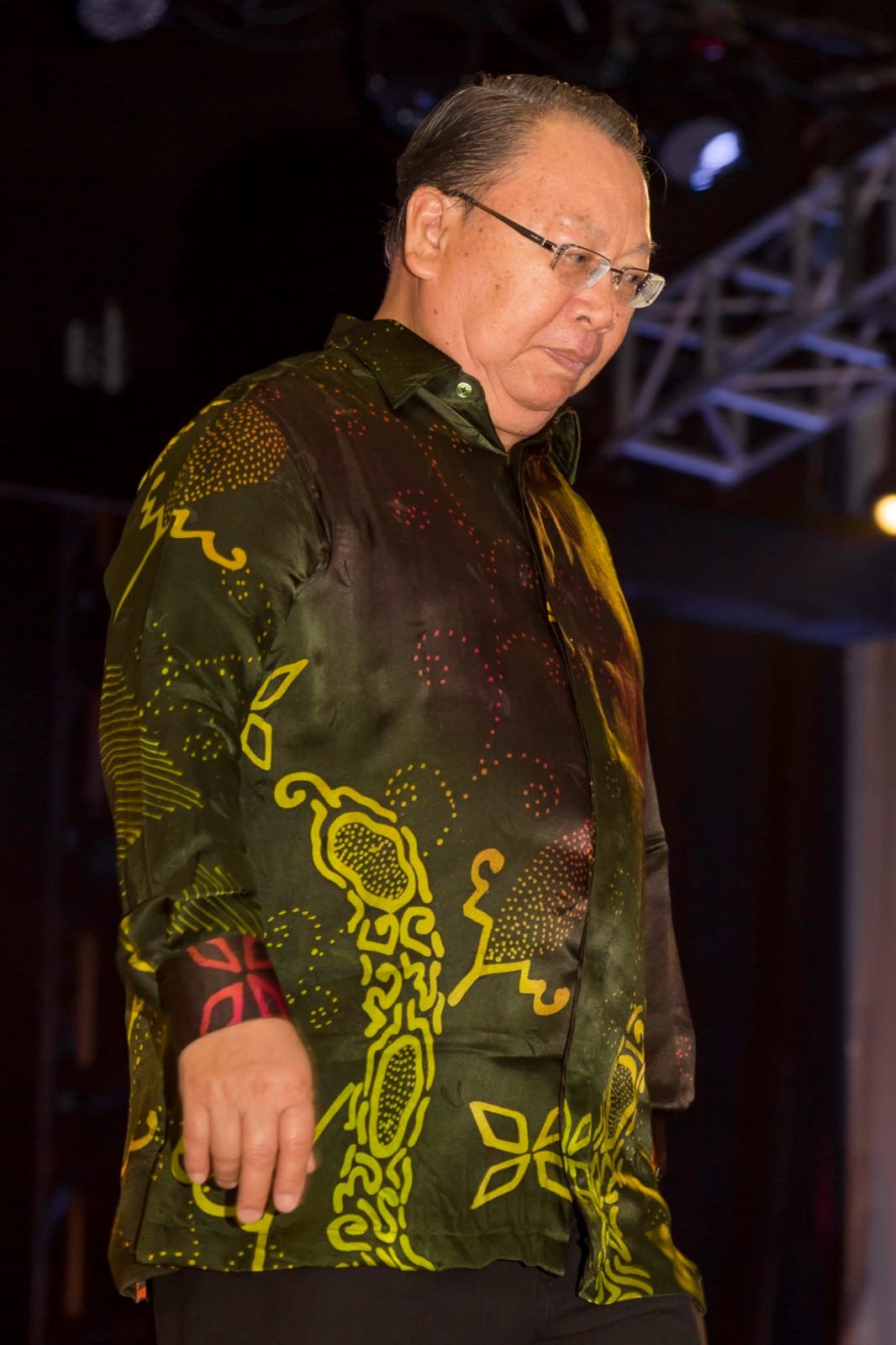
1940—
Joseph Pairin Kitingan
Founder of PBS and former Chief Minister of SabahThe lawyer and Kadazandusun leader who founded PBS, led four consecutive state-election victories and served as Sabah’s chief minister for nearly nine years.Read biography
1956—
Shafie Apdal
President of Parti Warisan and Member of Parliament for SempornaThe Semporna parliamentarian, former federal minister and Warisan founder who led Sabah from 2018 until the 2020 state election.Read biography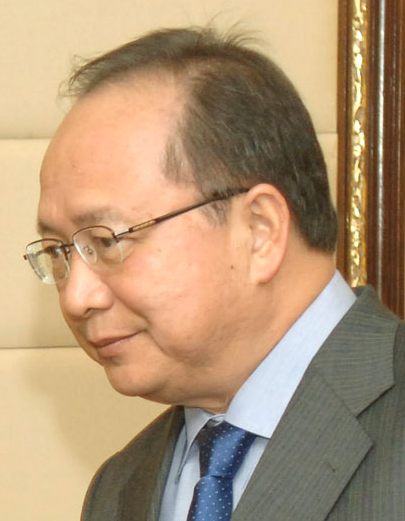
1949—
Bernard Dompok
Former Chief Minister of Sabah and Malaysian ambassadorThe land valuer turned political leader who served ten months as Sabah chief minister, led UPKO for two decades and later represented Malaysia at the Vatican.Read biography
1958—
Wilfred Madius Tangau
Member of Parliament for Tuaran and Assemblyman for TamparuliThe forester and development researcher who became a long-serving Tuaran MP, led UPKO and won a second elected mandate in Tamparuli in 2025.Read biography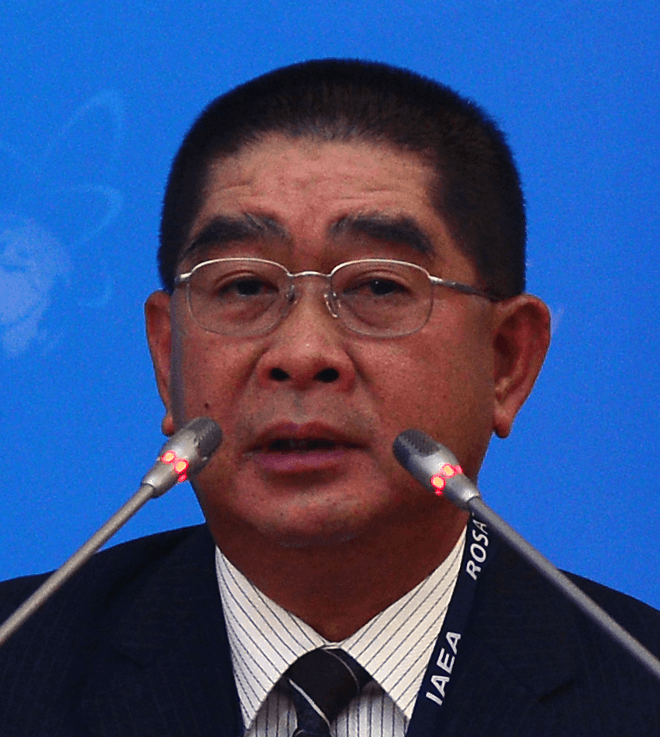
1953—
Maximus Ongkili
Chairman of the Energy Commission of Sabah and former PBS PresidentThe researcher-turned-politician who represented Sabah in Parliament for twenty-seven years, led several federal ministries and became PBS’s second president.Read biography
1955—
Hajiji Noor
Chief Minister of Sabah and Chairman of Gabungan Rakyat SabahThe long-serving Sulaman assemblyman who became Sabah chief minister in 2020 and won a second term at the 2025 state election.Read biography
1950—
Masidi Manjun
Deputy Chief Minister and Finance Minister of SabahThe lawyer and former public administrator who has represented Karanaan since 2004 and now serves as Sabah’s Deputy Chief Minister II and finance minister.Read biography1958—
Yong Teck Lee
President of the Sabah Progressive PartyThe lawyer and former PBS deputy leader who founded SAPP in 1994, led Sabah from 1996 to 1998 and later returned as a nominated assemblyman.Read biography
1947—
Anwar Ibrahim
Tenth Prime Minister of MalaysiaA student activist turned government minister, opposition leader and Malaysia’s tenth prime minister after one of the longest routes to national office.Read biographyQuick answers
Common questions
- When was the 2013 Sabah state election held?
- Polling took place on 5 May 2013 alongside Malaysia’s 13th general election.
- How many seats did BN win in Sabah in 2013?
- BN won 48 of the 60 elected state constituencies.
- How many opposition seats were won?
- Twelve seats were won outside BN: seven by PKR, four by DAP and one by STAR.
- How many seats did UMNO win?
- UMNO won 31 seats, exactly the number required for an assembly majority.
- Which seat did Jeffrey Kitingan win?
- He won Bingkor for STAR by a majority of 456 votes.
- Which four seats did DAP win?
- DAP won Likas, Luyang, Kapayan and Sri Tanjong.
- Did SAPP win any seats in 2013?
- No. SAPP contested 41 state seats but won none.
- Who became chief minister after the election?
- Musa Aman remained chief minister and was sworn in for another term on 6 May 2013.
Primary and institutional sources
How this history was checked
Election records establish the ballots, turnout and seat totals; IDE–JETRO, Aliran and ANU research explain the vote shift and coalition balance; UMS research supplies the security context; official records confirm chief-ministerial continuity. This article was reviewed on 4 October 2026.
- Election Commission of Malaysia, Sabah OfficeDates of Parliamentary and State Elections in Sabah
- ElectionData.mySabah 2013 State Election Results
- Institute of Developing Economies, JETROGeneral Election 2013: Sabah
- Aliran MonthlyGE13: Political Awakening in Sabah?
- Australian National UniversityFederal Political Elites and the Expansion of Ethnic Politics to Sabah
- Universiti Malaysia SabahLahad Datu Standoff and Its Impacts on the GE13 Results in Sabah
- Astro AwaniBN Wins Two-Thirds Majority to Form Sabah Government
- Government of SabahOfficial List of Sabah Chief Ministers
- Wikimedia CommonsJeffrey Kitingan Portrait and Public-Domain Record