
The short answer
The Fly turns a scientific breakthrough into a problem of love, bodily change and responsibility. Its central horror develops inside a relationship, not only in an effects workshop or an accident with a machine.
Chronology
A timeline of the turning points
An earlier adaptation
The original screen version precedes Cronenberg’s reworking.
A remake develops
Pogue’s screenplay and a changing production team precede the Toronto shoot.
Principal photography begins
AFI records a Toronto start, with Ontario locations and studio work.
The film reaches audiences
Romantic tragedy and transformation invite several competing interpretations.
The director revisits its meaning
Cronenberg distinguishes a broad mortality metaphor from a solely AIDS-specific intention.
A remake changes the kind of transformation
Jeff Goldblum plays scientist Seth Brundle and Geena Davis plays journalist Veronica Quaife. An experiment fuses human and insect material. The earlier film’s conspicuous exchange of body parts becomes a progressive transformation involving identity as well as appearance.
The BFI’s contemporary criticism describes a largely concentrated drama around the laboratory and the relationship. Reducing the public spectacle can intensify the encounter: the person who changes is someone the other central character already knows.
Sources for this section: [2]
Whose screenplay is it?
The screen credit belongs to Charles Edward Pogue and David Cronenberg. AFI records Cronenberg’s account that he extensively rewrote the characters and tone while retaining Pogue’s underlying metamorphosis structure.
A remembered claim that only a line of an earlier draft survived concerns dialogue, not proof that an earlier writer contributed nothing. The shared credit and production history are more informative than a solitary-genius account that treats the director’s arrival as the beginning of every element.
Love, speech and a body that will not remain stable
Mark Cousins’s Moviedrome introduction emphasizes the transformed man’s continuing ability to speak about what is happening. The character is not only an object observed from outside. Goldblum’s performance carries thought, humour and fear alongside bodily change.
That makes the relationship more difficult than a simple choice between attraction and disgust. A person can remain recognizable in some ways while becoming frightening in others. The film’s emotional scale comes partly from forcing both experiences into the same confined encounter.
Sources for this section: [3]
An AIDS-era reading is not the only account of intention
Contemporary reception connected the wasting body with AIDS. The historical setting makes that reading understandable, but Cronenberg later told Terry Gross that he had understood the film more broadly through ageing and mortality.
A distinction between interpretation and intention need not invalidate either. The director’s recollection addresses what he meant to make; audiences and critics bring the circumstances in which they encounter it. Neither turns the invented transformation into medical information about an actual disease.
What Veronica’s position adds to the tragedy
The BFI’s reprinted 1987 Pam Cook review asks how compassion and cooperation are placed on Veronica, and whether that creates an unequal burden. It is a useful complication of an account centred entirely on the scientist’s suffering.
Her work, fear and decisions do not disappear because the transformation dominates the publicity. Asking whose experience organizes a scene can therefore reveal a different problem from asking how convincing the creature looks. This is critical interpretation, not a claim that the film has only one permissible moral.
Sources for this section: [2]
A Toronto production made by many crafts
Principal photography began in Toronto on 1 December 1985. AFI identifies Ontario locations and studio work as well as Chris Walas’s effects team. The credits also distinguish Mark Irwin’s cinematography, Carol Spier’s production design, Ronald Sanders’s editing and Howard Shore’s music.
The guide’s Ontario location describes that production history, not an assertion that the fiction explicitly names every location. The Fly is a useful case of a Canadian director working within an American production: national context, funding and the place visible in a story are not identical categories.
Continue the chronology
Related history guides
Biography context
Explore Toronto and Kleinburg, Ontario, Canada through connected lives
Connected biographies
Canadian artists, bodies and adaptation
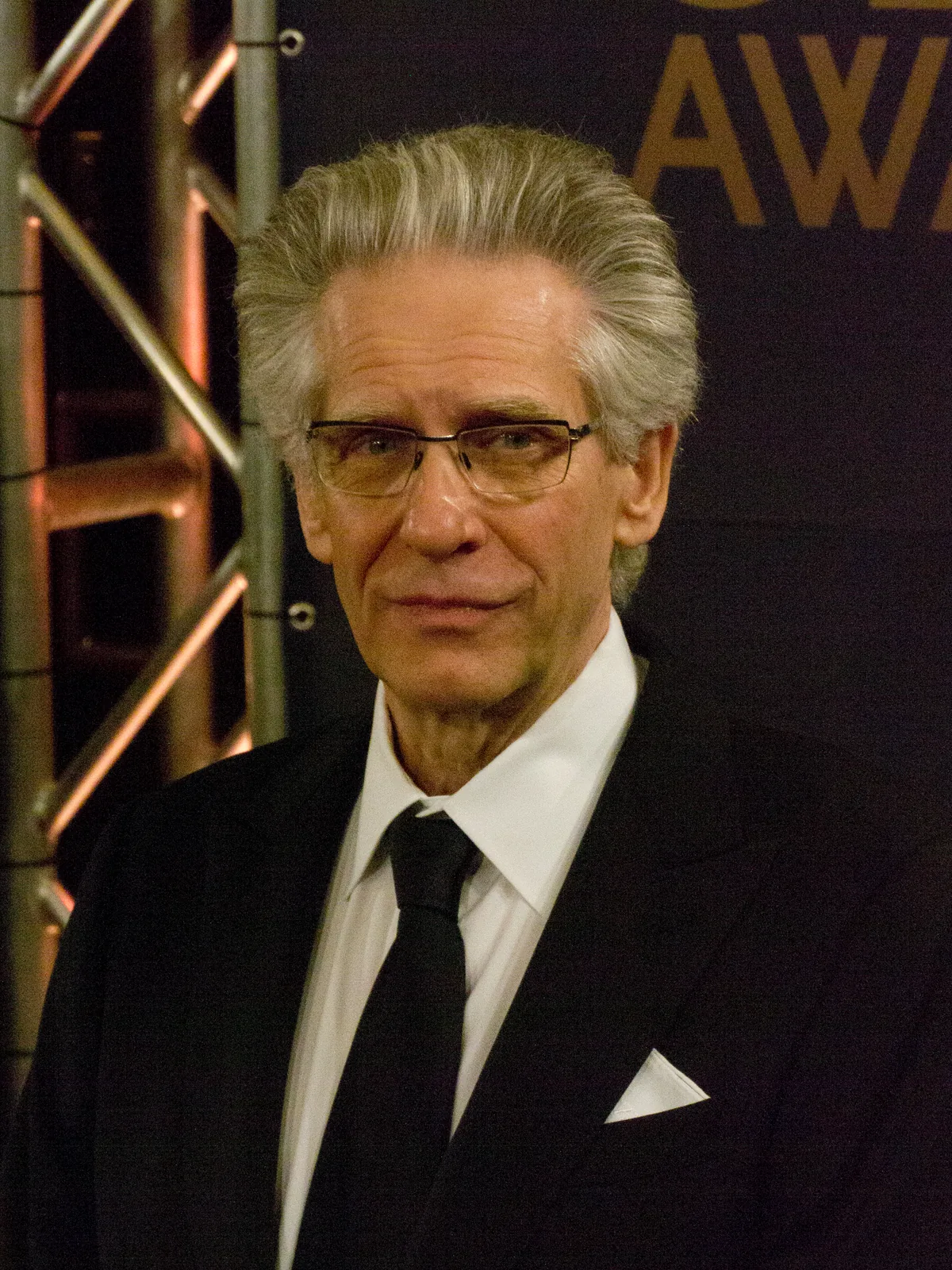
1943–
David Cronenberg
Film director, screenwriter and actorDavid Cronenberg is a Canadian filmmaker whose horror, thrillers and adaptations investigate the body, technology, desire and the difficulty of controlling identity.Read biography
1967–
Denis Villeneuve
Film director, screenwriter and producerDenis Villeneuve is a Canadian filmmaker whose career links Quebec cinema with international thrillers and science fiction, using visual storytelling to explore violence, memory and uncertain knowledge.Read biography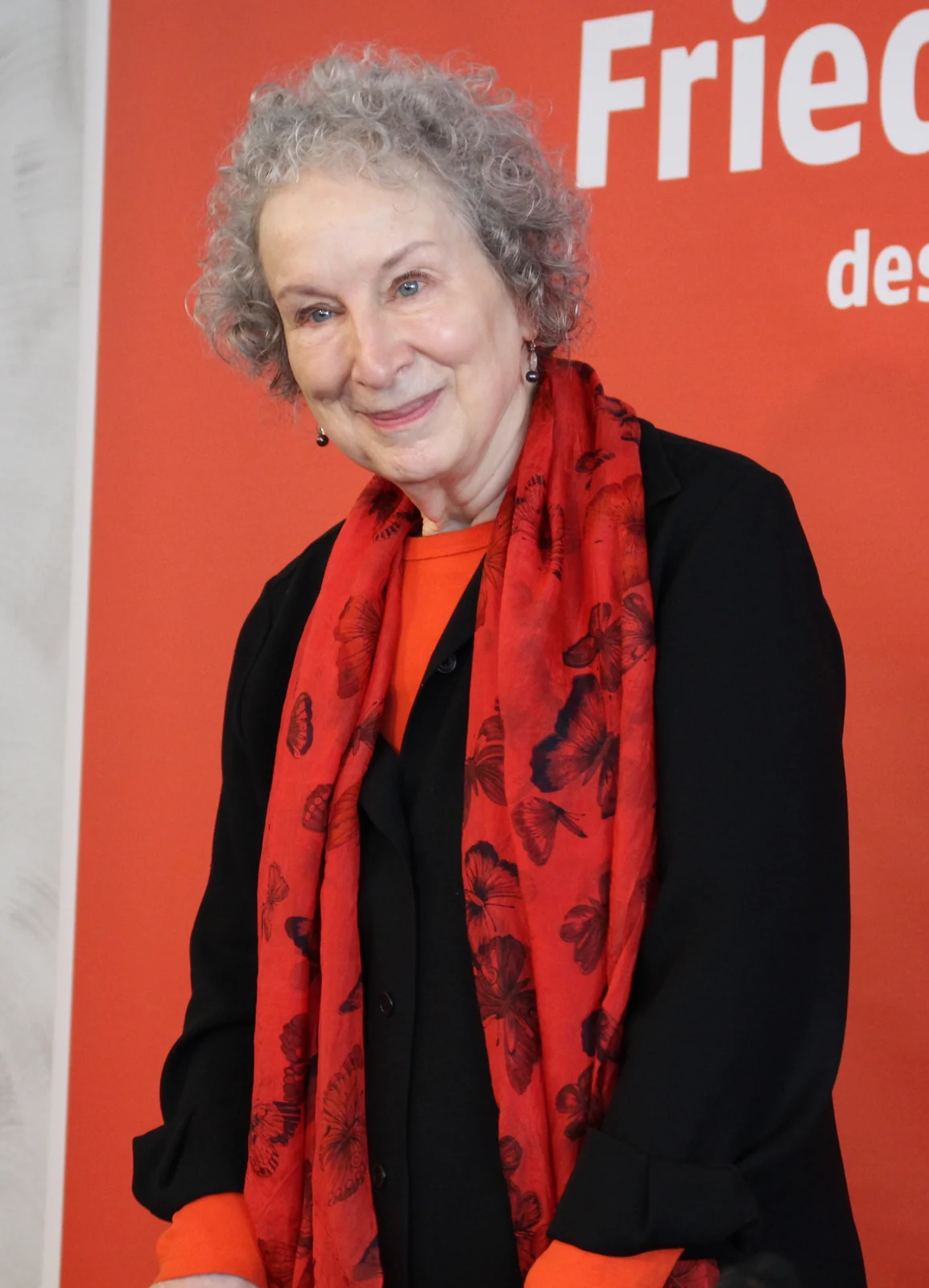
1939–
Margaret Atwood
Novelist, poet and literary criticMargaret Atwood examines power, memory and survival through poetry, historical fiction, dystopia and criticism, with a career extending well beyond The Handmaid’s Tale.Read biographyQuick answers
Common questions
- Is the 1986 film the original The Fly?
- No. It reworks the 1958 screen version, with a substantially different treatment of gradual transformation.
- Did Cronenberg intend only an AIDS allegory?
- He later described a broader concern with ageing and mortality. AIDS-era readings are part of reception, not the only documented account of his intention.
- Where was it filmed?
- AFI records Toronto and Kleinburg, Ontario, among the production locations. That is distinct from identifying the fiction’s named setting.
Primary and institutional sources
How this history was checked
AFI history and credits, BFI programme criticism and the relevant published Fresh Air transcript were checked. No complete new film viewing or audio listening is claimed; artwork and film stills are not reproduced. This article was reviewed on 23 October 2026.
- American Film InstituteCredits, Pogue’s contribution, 1985 photography and Ontario locations
- BFI Southbank2022 programme: contemporary reviews by Pam Cook and Terence Rafferty, plus credits
- BFI Southbank / Mark CousinsMoviedrome introduction reprinted in the 2025 programme
- Terry Gross / Fresh Air Archive2005 transcript: the director on The Fly, ageing and mortality
- Alan Langford / Wikimedia CommonsLicensed later director portrait, CC BY-SA 3.0