
The short answer
Silver Ghost first identified a particular silver-finished 40/50-horsepower car, not every car bearing the Rolls-Royce name. Its 1907 trial work helped turn quiet running and reliability into a public reputation. Separating the chassis, model and later name makes the product story more useful than a simple legend of perfection.
Keeping the evidence attached to the right object
Which Silver Ghost does a source mean?
The same familiar name can refer to a particular car or a wider model history.
| Reference | What it identifies | How to read it |
|---|---|---|
| 40/50 H.P. | The underlying six-cylinder model | A range with production development over time |
| Chassis 60551 | The original named Silver Ghost | The specific silver-finished demonstration car |
| The 1907 trial story | Scottish and extended endurance demonstrations | Defined tests, preparation and conditions |
| The 1909 museum car | A separate surviving example with altered bodywork | Evidence about a particular object, not the original test car |
Chronology
A timeline of the turning points
The model is shown
The 40/50-horsepower Rolls-Royce appears at the Olympia Motor Show.
A particular car gains a name
Claude Johnson names silver-finished chassis 60551 Silver Ghost.
Scottish reliability trial
The car participates in demanding public trial work rather than serving only as a showroom exhibit.
Extended endurance running
Further road running reinforces the reputation; histories commonly round the distance to about 15,000 miles.
Public sales begin
The National Motor Museum dates public sales of the 40/50 to this month.
A wider model name
Silver Ghost becomes the familiar name for the 40/50 range, extending beyond the original demonstration car.
Start with the model, then identify the car
Rolls-Royce’s 40/50-horsepower model was shown at Olympia in 1906. It offered a six-cylinder power unit and a chassis intended for substantial, comfortable coachwork. This was a product development within an already forming enterprise. Its appearance should be distinguished from the founders’ first meeting in 1904 and the company’s formal establishment in 1906.
Claude Johnson then gave the name Silver Ghost to chassis 60551, a particular early example finished in silver with silver-plated fittings. The name associated visual presentation with quietness and smooth running. It later became the familiar designation for the wider 40/50 range. These are three different levels of identification: a manufacturer, a model and an individual demonstration car. Confusing them makes it difficult to understand what was actually tested in 1907.
Reliability was a practical and commercial problem
Early motoring demanded patience and mechanical involvement. A car’s ability to continue running mattered to its usefulness, particularly over long journeys on roads quite unlike a modern motorway. For a manufacturer selling an expensive chassis, claims of refinement needed more than an attractive exhibition stand. A public trial could supply evidence of sustained operation under demanding conditions.
The Silver Ghost’s Scottish trial and subsequent extended road running made that argument visible. Modern histories describe the accumulated distance in rounded terms of about 15,000 miles. Their shorthand should not be turned into a claim that the car ran without fuel, attention or any interruption. Johnson’s more detailed heritage account distinguishes involuntary stops from the operating conditions of the demonstration. Reliability had a defined context; it did not mean freedom from every form of maintenance.
A demonstration depended on a working team
Royce’s engineering direction supplied the foundation, but trial results depended on preparation, inspection, adjustment and driving. Eric Platford’s career shows how testing connected workshop design with road performance. His work on engines, chassis and competitive events belongs within the product’s development rather than outside it as an anonymous supporting detail.
Johnson organized publicity around what the machine could demonstrate. A named, visually distinctive car made the evidence memorable, while repeated use could expose weaknesses and build confidence. This relationship between testing and promotion does not make either activity meaningless. It does mean they should be examined together: what conditions were chosen, what counted as success and how was the result communicated to customers? The reputation grew through engineering work, public observation and purposeful presentation.
Later cars and later trials are separate evidence
The National Motor Museum’s displayed Silver Ghost is a 1909 car with its own history of replacement bodywork. It is not chassis 60551 merely because both share the model’s familiar name. Museum objects can explain the range while requiring precise identification when a visitor asks about the original 1907 demonstration.
The 1911 London-to-Edinburgh work and the 1913 Alpine Trial belong to later developments, even when modern histories tell them alongside 1907. They should not be merged into one journey or assigned to the same unchanged car. The enduring story is therefore more specific than a slogan about the best car in the world: a developing six-cylinder model gained credibility through a distinctive demonstration vehicle, sustained testing and further improvements. Its reputation became a foundation for later sales, without proving that every subsequent car was identical or flawless.
Continue the chronology
Related history guides
Biography context
Explore United Kingdom through connected lives
Connected biographies
The founders behind a developing product
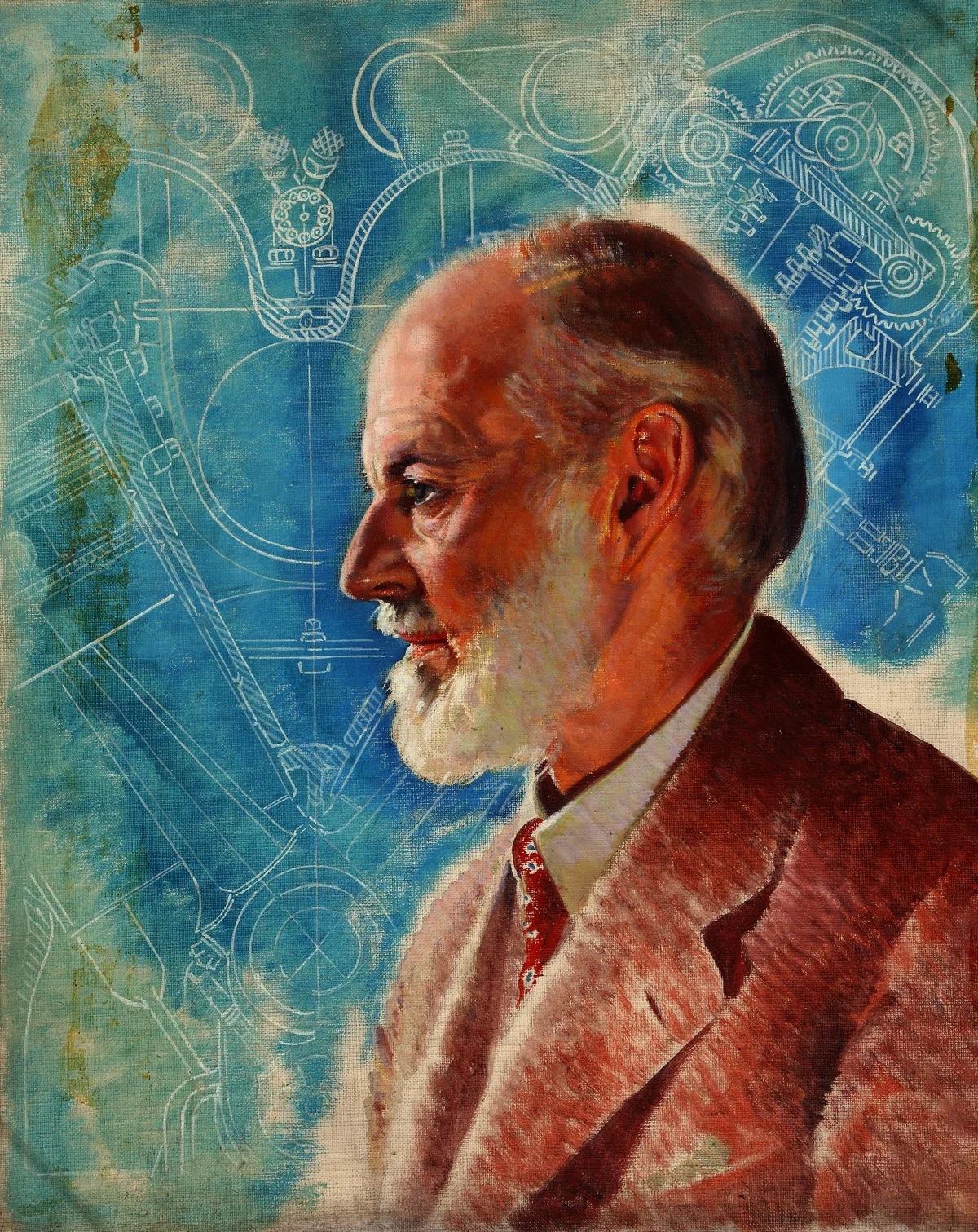
1863–1933
Henry Royce
Electrical and mechanical engineer, manufacturer and Rolls-Royce co-founderHenry Royce built an electrical-engineering business before making his first cars. His 1904 partnership with Charles Rolls joined manufacturing with a sales network. He led an exacting design practice whose later work included the 40/50-horsepower car and aero engines.Read biography
1877–1910
Charles Rolls
Motor dealer, engineer, racing driver, aviator and Rolls-Royce co-founderCharles Rolls brought engineering knowledge, a motor dealership and influential connections to his partnership with Henry Royce. Their 1904 meeting preceded the company’s 1906 formation. He also raced cars, flew balloons and aircraft, and died in a flying accident in 1910.Read biographyQuick answers
Common questions
- Was every 1907 Rolls-Royce called Silver Ghost?
- The name first belonged to a particular silver-finished 40/50 car, chassis 60551. It later became widely associated with the 40/50 model range.
- Did it run continuously without attention?
- The endurance story concerned defined operating and stopping conditions. It should not be read as a claim that no fuel, inspection or maintenance was needed.
- Is the National Motor Museum car the original Silver Ghost?
- No. Its collection record describes a separate 1909 car with a later replacement body, while the original named demonstration car was chassis 60551.
Primary and institutional sources
How this history was checked
The National Motor Museum supplies independent model and object context; corporate histories provide the chassis identification, trial narrative and named collaborators. Rounded distance wording is retained rather than claiming an exact independently audited mileage. No original RAC test log or complete chassis file was examined. This article was reviewed on 23 October 2026.
- Rolls-Royce Motor CarsMakers of the Marque: Charles Stewart Rolls
- Rolls-Royce Motor CarsMakers of the Marque: Henry Royce
- Rolls-Royce Motor CarsShaping the World for 120 Years: engineering and early collaborators
- Rolls-RoyceOur History: 1906 company formation and aero-engine milestones
- Rolls-Royce Motor CarsHeritage: From 1904 to Today and Beyond
- Rolls-Royce Motor CarsMakers of the Marque: Henry Edmunds
- Rolls-Royce Motor CarsMakers of the Marque: Claude Goodman Johnson
- Rolls-Royce Motor CarsMakers of the Marque: Eric Platford
- Science and Industry MuseumIconic Duos: Rolls and Royce in Manchester
- Rolls-Royce Motor CarsModels of the Marque: the 40/50 H.P. and Silver Ghost
- National Motor MuseumRolls-Royce Silver Ghost: model history and the separate 1909 museum car
- The National Archives / Wikimedia CommonsPosthumous Henry Royce portrait: date, medium and public-domain record