
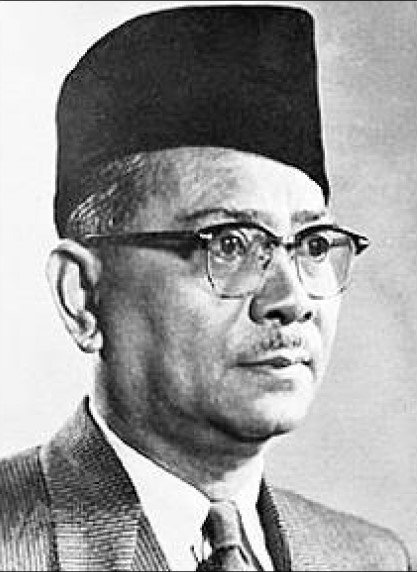
1903—1990
Regional collection · 11 countries
1890s—2002 · Independence · Sovereignty · State-buildingTwenty-three sourced lives reveal why Southeast Asian independence came through declarations, negotiation, revolution, constitutional change, separation and restored sovereignty—not one regional script.
The collection pairs familiar founders with negotiators, constitutional leaders and defenders of sovereignty. Thailand is included through rulers and reformers who preserved formal independence and recovered powers constrained by unequal treaties; Timor-Leste closes the chronology with resistance and restoration in 2002.
Aguinaldo, Sukarno, Hatta, Ho Chi Minh and Xavier do Amaral made declarations whose authority was tested by war, occupation or delayed recognition.
Tunku Abdul Rahman, Norodom Sihanouk, Souvanna Phouma, Omar Ali Saifuddien III and Hassanal Bolkiah connect organised pressure to constitutional agreement.
Aung San, Vo Nguyen Giap, Xanana Gusmão and José Ramos-Horta show the different relationships between armed struggle, coalition-building and external advocacy.
Mongkut, Chulalongkorn and Pridi Banomyong place Thailand’s survival, state reform, unequal treaties and constitutional change inside the regional comparison.
23 sourced biographies · 11 countries
1903—1990

1923—2015
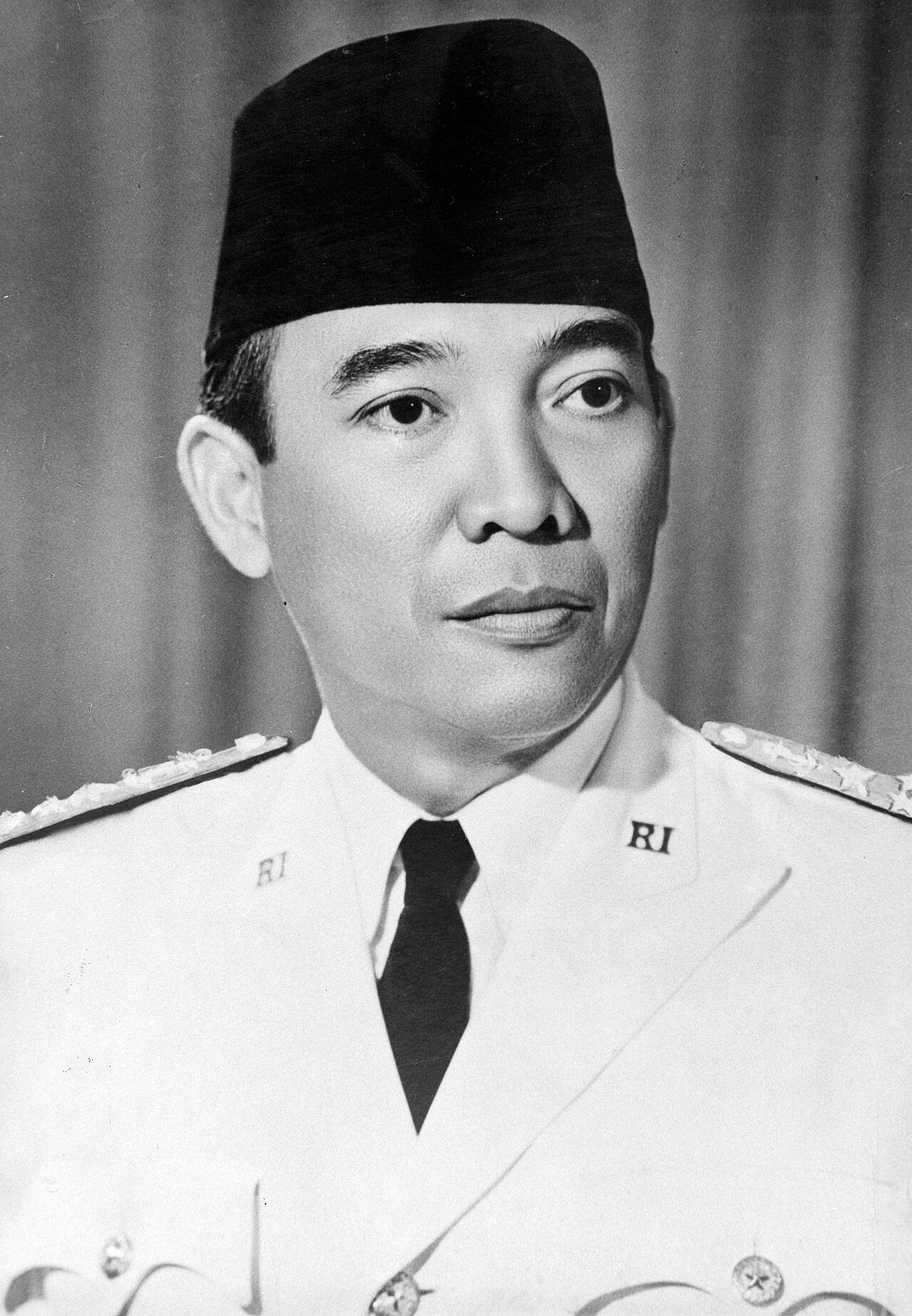
1901—1970
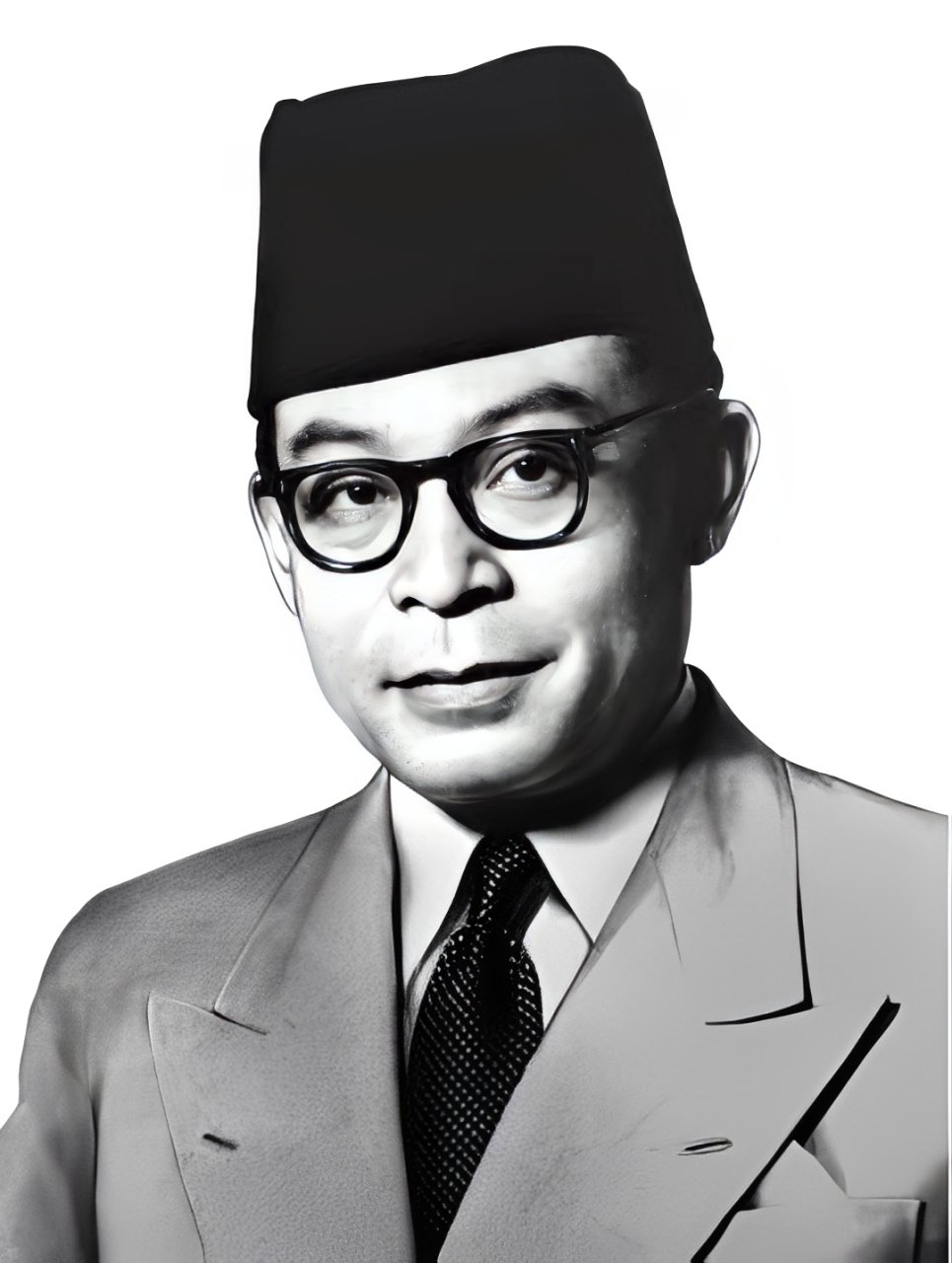
1902—1980
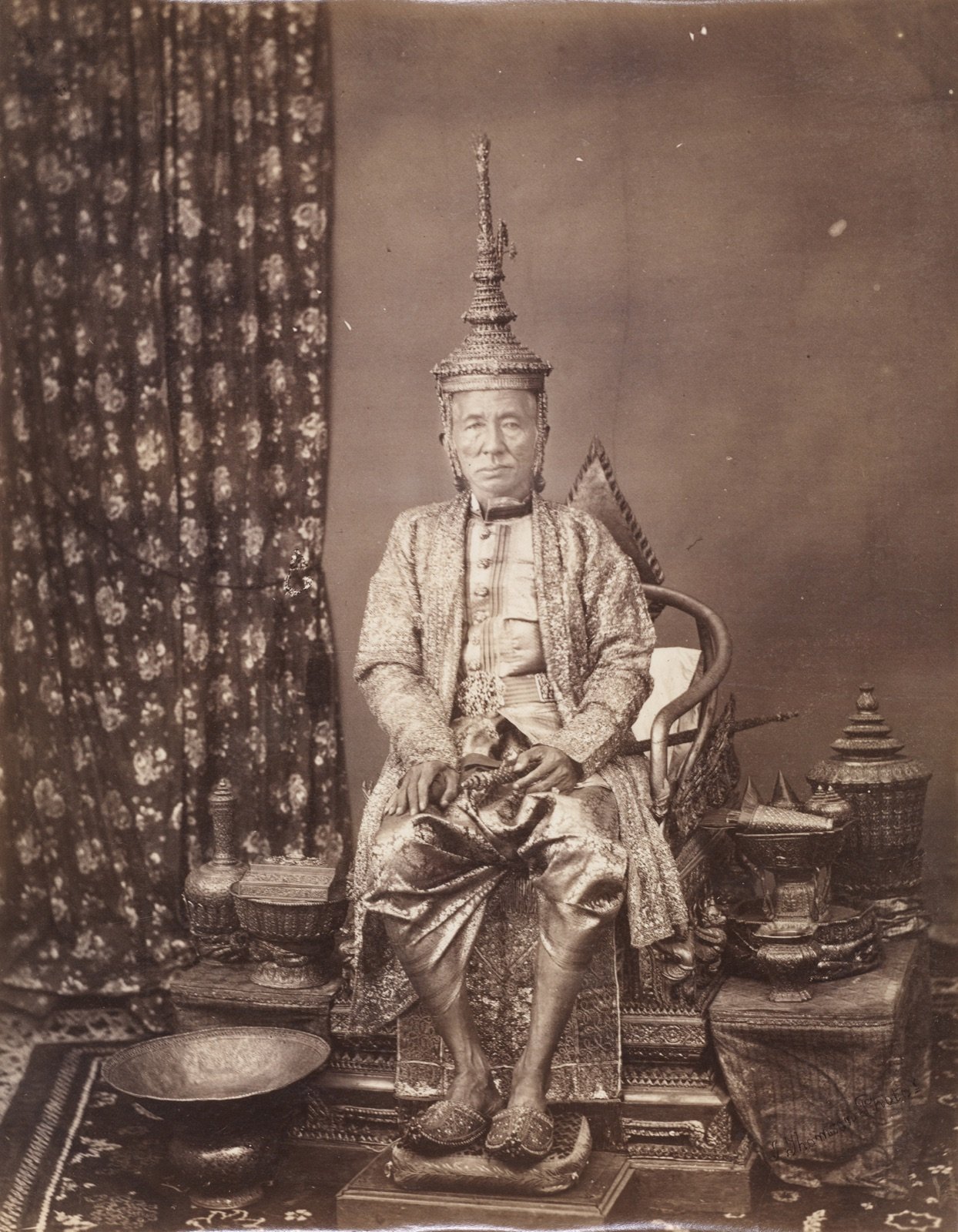
1804—1868

1853—1910
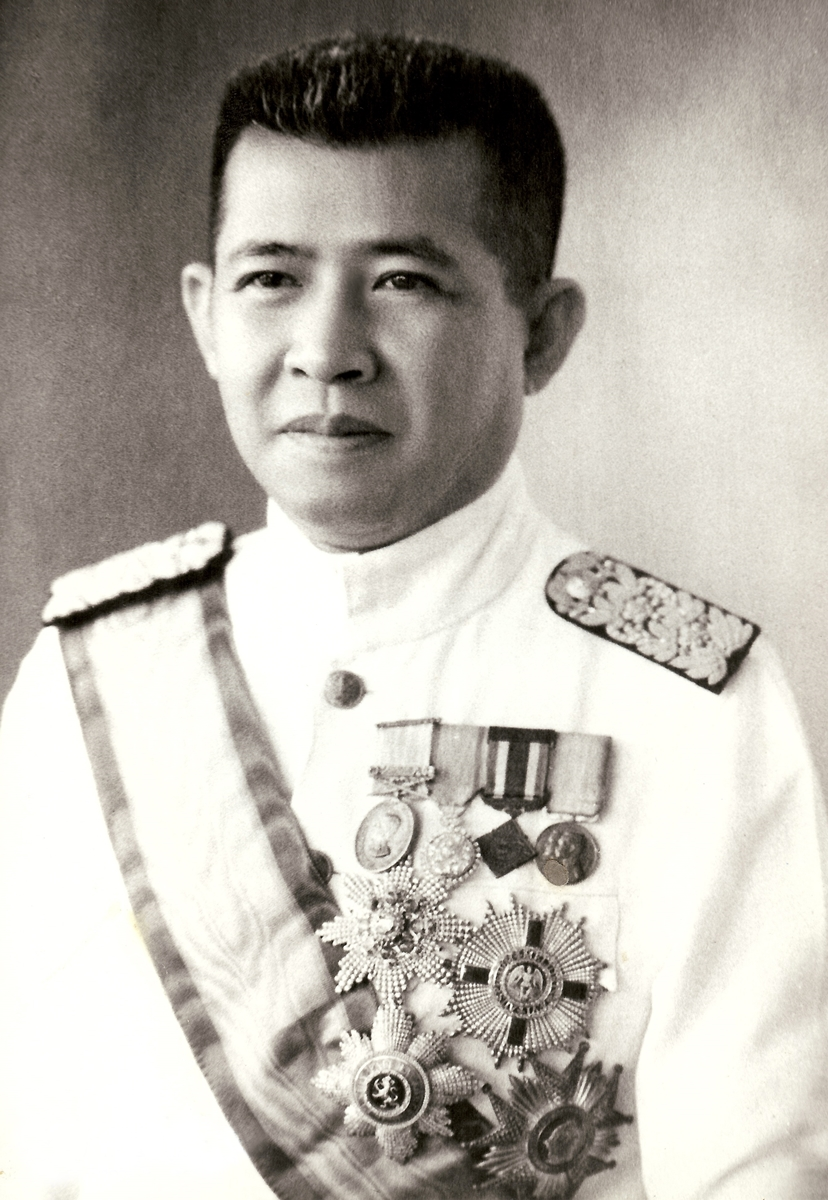
1900—1983

1861—1896

1869—1964
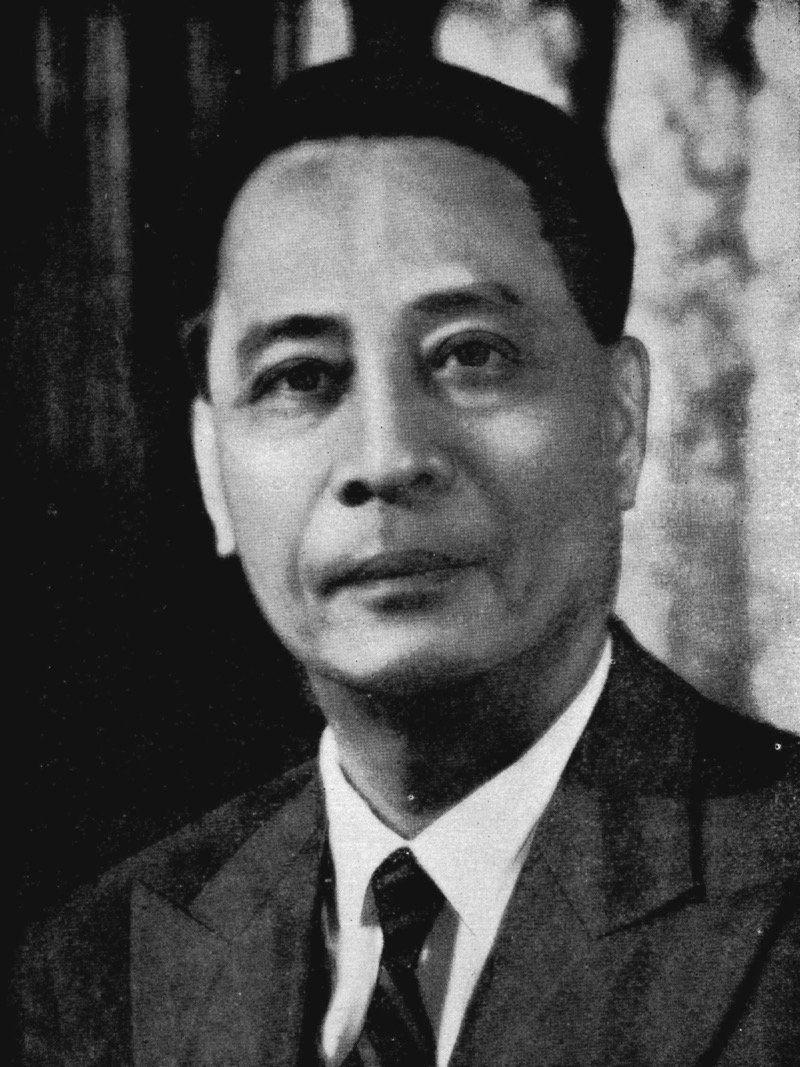
1892—1948
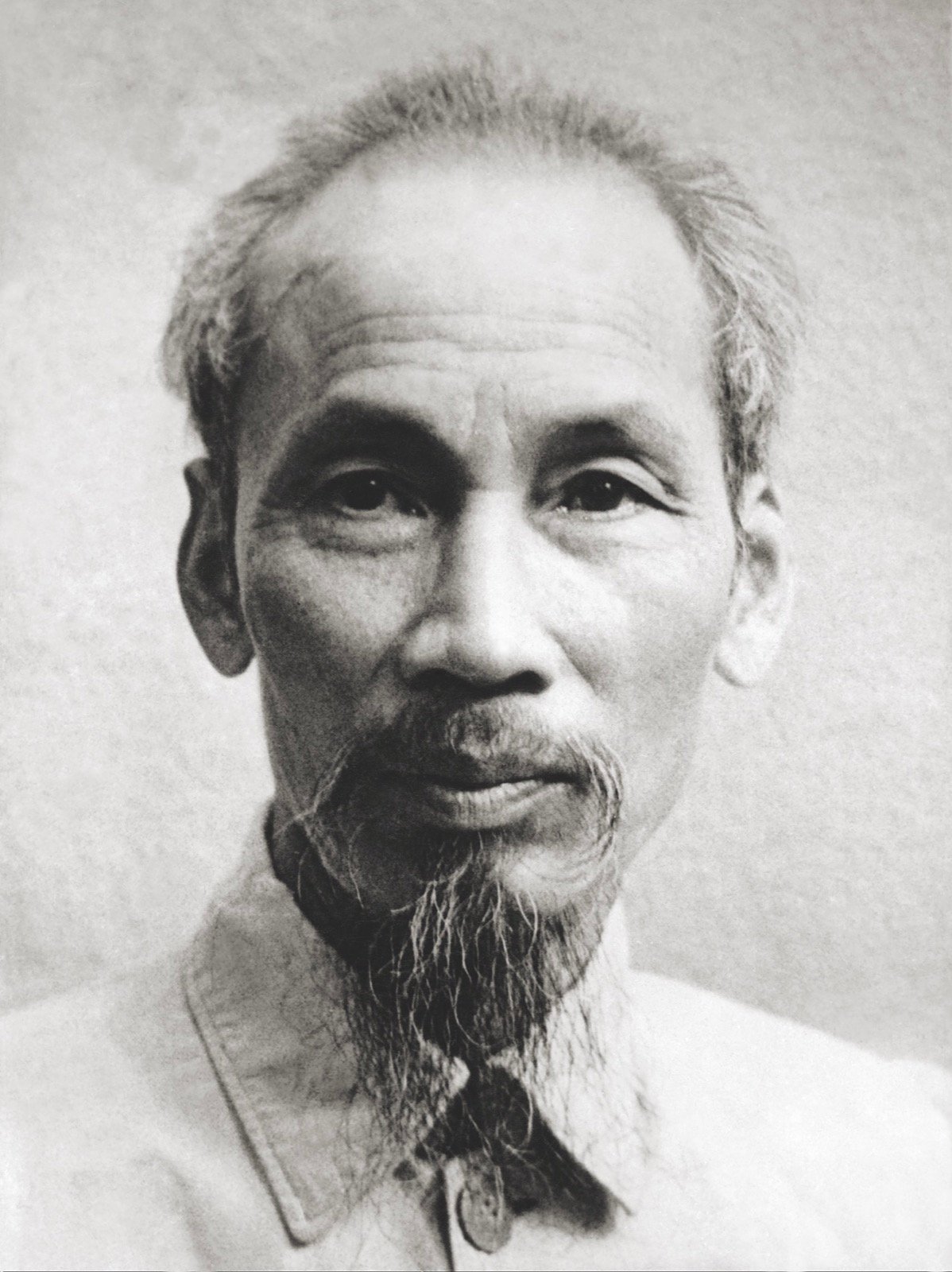
1890—1969

1911—2013

1922—2012

1890—1959

1901—1984
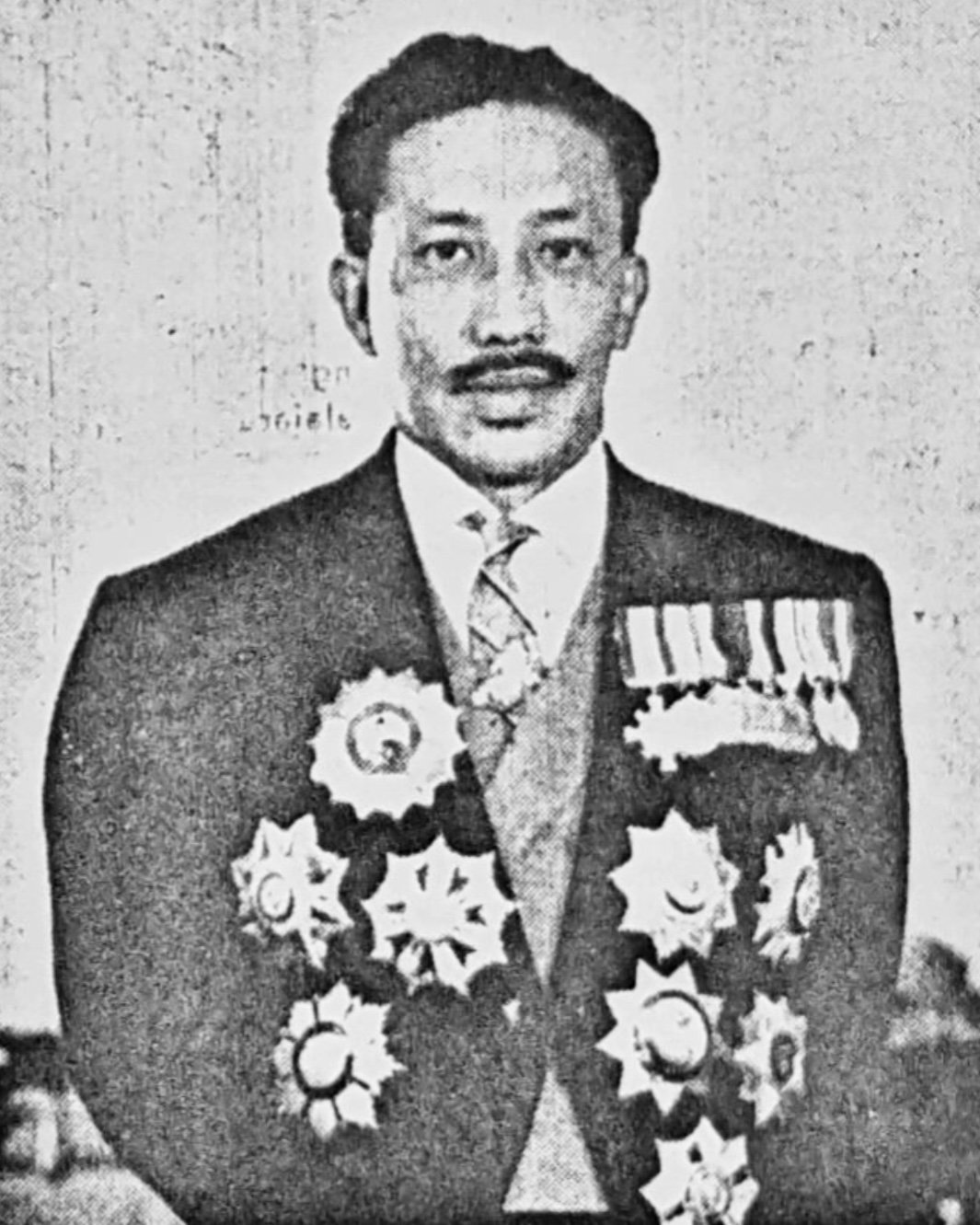
1914—1986

1946—
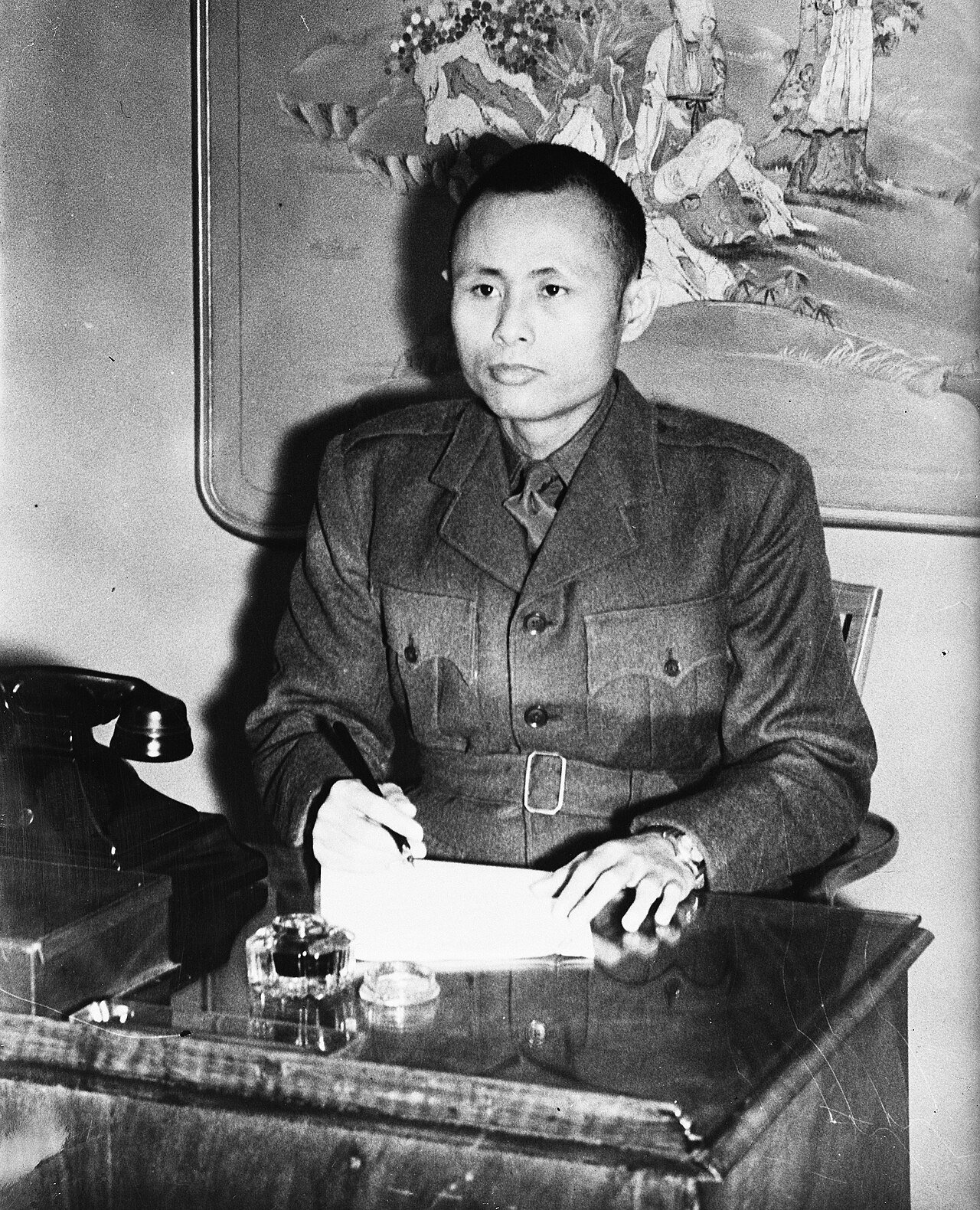
1915—1947
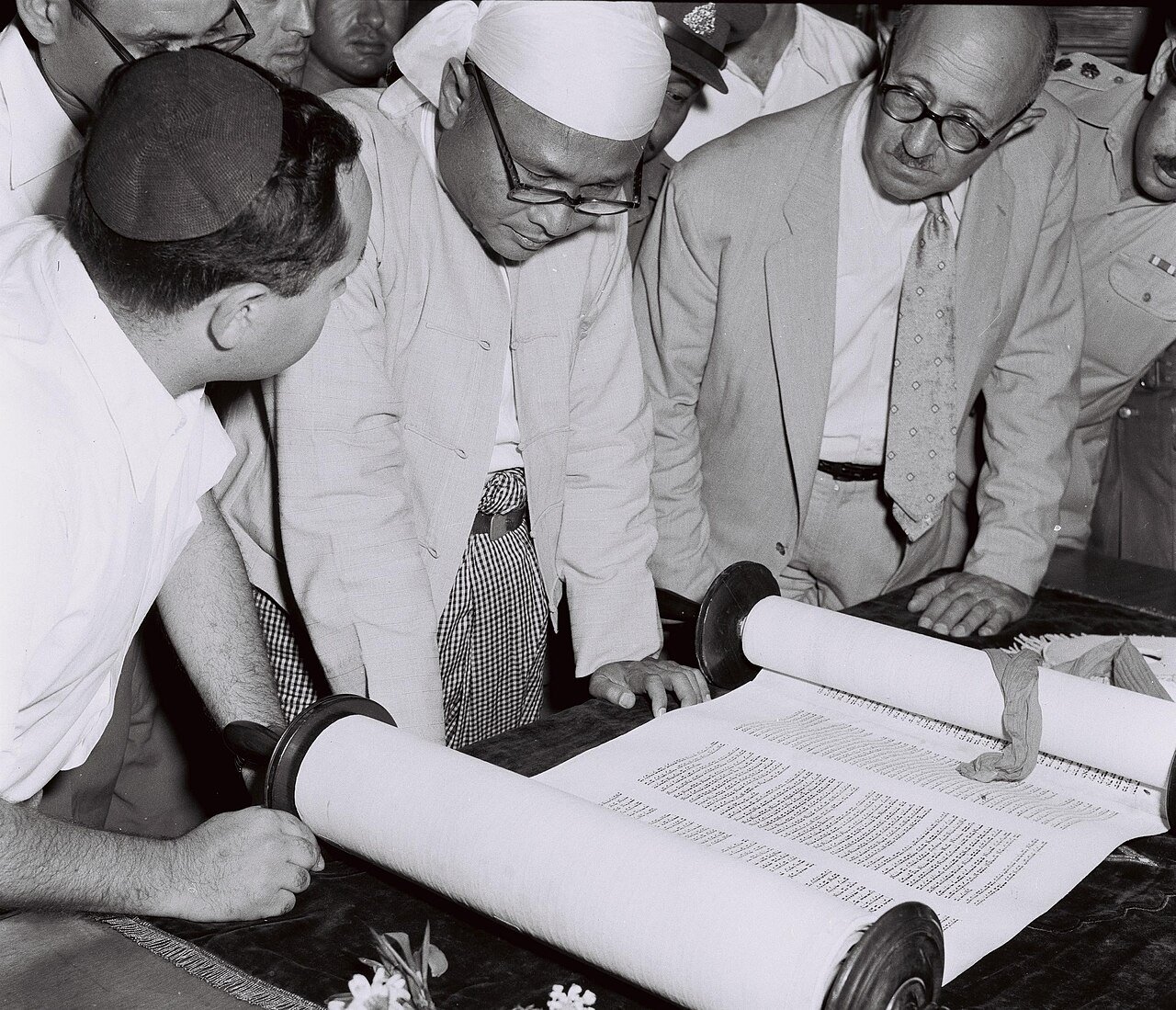
1907—1995

c. 1895—1962

1937—2012

1946—

1949—
Continue the story
The regional timeline explains competing independence dates. Country archives and detailed guides preserve the local constitutional and political context behind each biography.
Quick answers
Primary and institutional sources
The collection’s claims are checked against the records linked below. Individual biographies contain person-level citations.