
The short answer
Indonesia has had thirteen vice presidents across fourteen officially numbered terms. Mohammad Hatta was the first, Gibran Rakabuming Raka is the current officeholder, Jusuf Kalla served twice and the office stood vacant for more than sixteen years after Hatta resigned. This chronology separates unique people from numbered administrations and shows how selection moved from founding appointment to MPR choice and direct national tickets.
Complete officeholder table
Every Indonesian vice president, term and president served
Indonesia counts vice-presidential administrations rather than only distinct people. Jusuf Kalla therefore appears twice—as the tenth and twelfth vice president—producing fourteen numbered terms held by thirteen people.
| Vice president | No. | Term | President served | How selected |
|---|---|---|---|---|
| Mohammad Hatta | I | 1945–1956 | Sukarno | Selected by PPKI |
| Hamengkubuwono IX | II | 1973–1978 | Suharto | Selected by the MPR |
| Adam Malik | III | 1978–1983 | Suharto | Selected by the MPR |
| Umar Wirahadikusumah | IV | 1983–1988 | Suharto | Selected by the MPR |
| Sudharmono | V | 1988–1993 | Suharto | Selected by the MPR |
| Try Sutrisno | VI | 1993–1998 | Suharto | Selected by the MPR |
| B. J. Habibie | VII | 14 Mar–21 May 1998 | Suharto | Selected by the MPR |
| Megawati Sukarnoputri | VIII | 21 Oct 1999–23 Jul 2001 | Abdurrahman Wahid | Selected by the MPR |
| Hamzah Haz | IX | 26 Jul 2001–20 Oct 2004 | Megawati Sukarnoputri | Selected by the MPR |
| Jusuf Kalla | X | 20 Oct 2004–20 Oct 2009 | Susilo Bambang Yudhoyono | Direct joint ticket |
| Boediono | XI | 20 Oct 2009–20 Oct 2014 | Susilo Bambang Yudhoyono | Direct joint ticket |
| Jusuf Kalla | XII | 20 Oct 2014–20 Oct 2019 | Joko Widodo | Direct joint ticket |
| Ma’ruf Amin | XIII | 20 Oct 2019–20 Oct 2024 | Joko Widodo | Direct joint ticket |
| Gibran Rakabuming Raka | XIV | 20 Oct 2024–present | Prabowo Subianto | Direct joint ticket |
Chronology
A timeline of the turning points
Mohammad Hatta becomes the first vice president
The Preparatory Committee for Indonesian Independence selected Hatta one day after the proclamation, with Sukarno as president.
Hatta resigns and the office becomes vacant
Political and constitutional differences ended the Sukarno–Hatta partnership; no successor was installed for more than sixteen years.
Hamengkubuwono IX restores continuous occupancy
The MPR selected the Yogyakarta sultan as the second vice president during Suharto’s New Order.
Adam Malik becomes the third vice president
The former foreign minister and ASEAN co-founder succeeded Hamengkubuwono IX.
Umar Wirahadikusumah begins one term
The former army chief and Audit Board chair became Suharto’s next constitutional deputy.
Sudharmono takes office
The long-serving state secretary and Golkar chair became the fifth vice president.
Try Sutrisno becomes the sixth vice president
The former Jakarta governor and armed forces commander served through Suharto’s final complete term.
B. J. Habibie serves a brief vice presidency
Habibie became vice president shortly before the Asian financial and political crisis forced Suharto to resign.
Succession leaves the vice presidency vacant
Habibie moved immediately to the presidency; the office remained empty through the 1999 legislative election and MPR session.
Megawati serves under Abdurrahman Wahid
The MPR chose Megawati one day after selecting Wahid as president; she succeeded him during the 2001 constitutional crisis.
Hamzah Haz fills the Reformasi vacancy
The MPR elected the PPP chair three days after Megawati became president.
Jusuf Kalla begins the direct-election era
Voters elected Susilo Bambang Yudhoyono and Kalla together in Indonesia’s first direct presidential election.
Boediono becomes the eleventh vice president
The economist and former central-bank governor won a joint first-round mandate with Yudhoyono.
Jusuf Kalla returns for a second, nonconsecutive term
Kalla won with Joko Widodo and became both the tenth and twelfth vice president.
Ma’ruf Amin takes office
The senior Islamic scholar served during Jokowi’s second presidential term.
Gibran Rakabuming Raka becomes vice president
The former Surakarta mayor took office with President Prabowo Subianto after their first-round election victory.
How was Indonesia’s vice presidency created?
The 1945 Constitution established a president assisted by one vice president. On 18 August 1945, the Preparatory Committee for Indonesian Independence selected Sukarno and Mohammad Hatta to lead the new republic. Hatta was more than a ceremonial deputy: he was a co-proclaimer of independence, a cabinet leader, an economic thinker and a principal negotiator during the revolution.
The office nevertheless had fewer permanently assigned powers than its title might suggest. Its practical weight depended on the political system, the president’s delegation and the vice president’s own institutional base. That flexibility helps explain why different incumbents became economic coordinators, political mediators, religious representatives or relatively restrained constitutional deputies.
Why was there no vice president from 1956 to 1973?
Hatta announced his resignation effective 1 December 1956 after his partnership with Sukarno had deteriorated. The National Archives links the break to disagreements over constitutional practice, the limited role of the vice presidency under the parliamentary system and the growing concentration of political authority. His departure ended the symbolic Sukarno–Hatta partnership known as the Dwi Tunggal.
No replacement followed. Indonesia moved from parliamentary government into Sukarno’s Guided Democracy and then through the transition to Suharto without an incumbent vice president. The office remained recognised in the constitutional order, but political leadership operated without a holder until the MPR selected Hamengkubuwono IX in March 1973—a gap of more than sixteen years.
How did the office work during the New Order?
From 1973 through the end of Suharto’s rule, the People’s Consultative Assembly selected the president and vice president in separate processes. Hamengkubuwono IX, Adam Malik, Umar Wirahadikusumah, Sudharmono, Try Sutrisno and B. J. Habibie each served beside Suharto, drawing on backgrounds in royalty, diplomacy, the military, audit, state administration and technology policy.
The constitutional line of succession remained important, but the presidency dominated the New Order’s executive and political system. Vice-presidential influence varied with delegated responsibilities and access to Suharto. Habibie demonstrated the office’s central succession function when Suharto resigned on 21 May 1998 and the vice president immediately became president.
What changed during Reformasi?
The 1999 MPR session selected Abdurrahman Wahid as president and Megawati Sukarnoputri as vice president. When the Assembly removed Wahid in July 2001, Megawati succeeded to the presidency. This was Indonesia’s second vice-presidential succession after Habibie’s; unlike the 1998 transition, it was followed within days by the MPR’s selection of Hamzah Haz to fill the vacancy.
Constitutional amendments imposed a two-term limit, clarified removal and vacancy rules and redesigned electoral legitimacy. If only the vice presidency becomes vacant, the MPR must choose between two candidates nominated by the president within sixty days. These provisions prevent the long, open-ended vacancy that followed Hatta’s resignation.
How has the vice president been elected since 2004?
Article 6A now requires the president and vice president to run as one ticket and receive a direct popular mandate. Indonesia first used that system in 2004, when Susilo Bambang Yudhoyono and Jusuf Kalla defeated Megawati and Hasyim Muzadi in a runoff. Every vice president since Kalla has therefore entered office through the same national result as the president.
Joint election strengthens shared legitimacy but does not prescribe a fixed policy portfolio. Running-mate choices have balanced party coalitions, regional origin, economic expertise, religious authority and generational appeal. Boediono represented technocratic economics, Ma’ruf Amin senior Islamic leadership and Gibran Rakabuming Raka a younger political generation tied to the outgoing president.
Why are there fourteen numbered terms but thirteen people?
Jusuf Kalla is the only person to have served two nonconsecutive vice-presidential terms. He first served with Yudhoyono from 2004 to 2009, then returned with Joko Widodo from 2014 to 2019. The official sequence therefore identifies him as both the tenth and twelfth vice president.
Numbering terms rather than unique individuals produces fourteen official entries held by thirteen people. It also preserves the difference between officeholder chronology and biography count: the table records each administration, while the connected archive provides one biography for each person.
Continue the chronology
Related history guides
Presidents of Indonesia: Complete List
Compare all eight presidents, their terms, routes to office and the two vice-presidential successions.
Read the timelineThirteen biographiesIndonesian Vice Presidents: Biography Archive
Move from the officeholder table into every connected life, source list and personal chronology.
Read the timeline1945–presentIndonesian Presidents
Compare the eight presidents served by this vice-presidential sequence.
Read the timeline1965–1998Indonesia’s New Order Era
Place six vice presidents inside the institutions and power structure of Suharto’s rule.
Read the timeline1997–2004Reformasi and Democratic Transition
Follow two successions, constitutional amendments and the move to direct election.
Read the timeline2004–2024Indonesian Presidential Elections
Compare the five direct contests that elected the latest five vice-presidential terms.
Read the timelineConnected biographies
The thirteen people behind fourteen numbered vice-presidential terms
 Indonesia · Politics
1902—1980
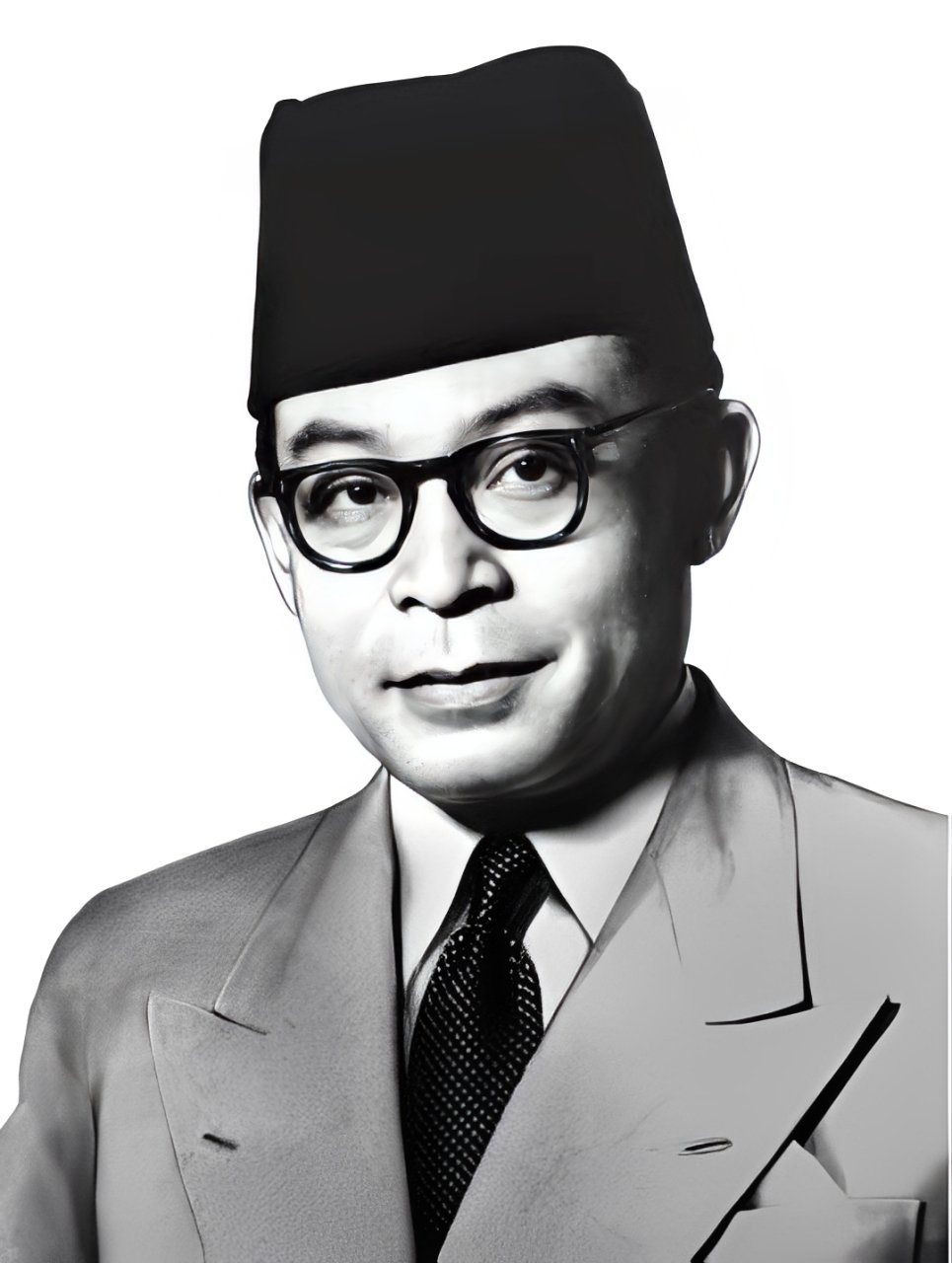
Mohammad Hatta
First Vice President of IndonesiaAn economist, independence leader and Indonesia’s first vice president, remembered as a co-proclaimer of the republic and an advocate of cooperatives.Read biography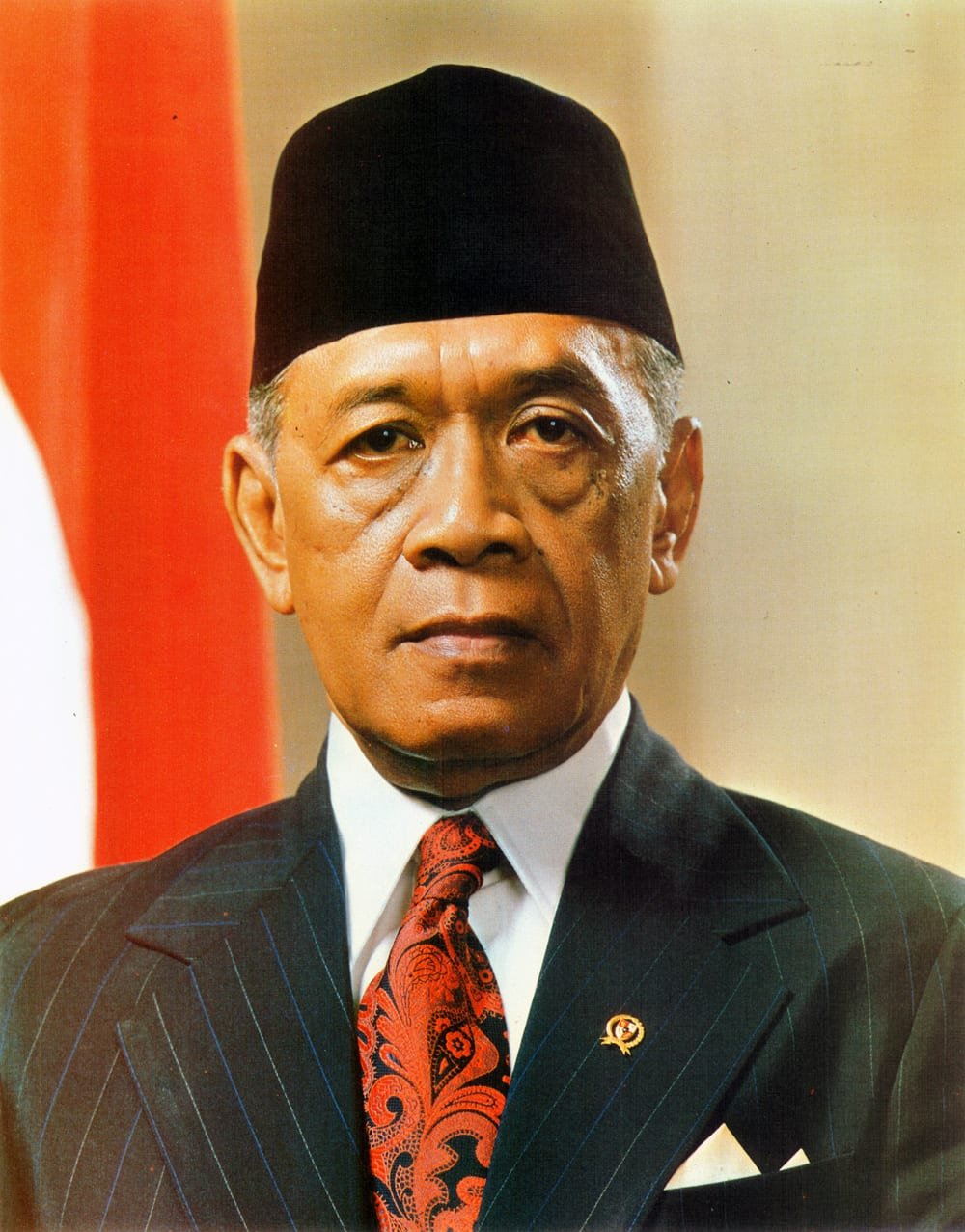 Indonesia · Politics
1912—1988
Hamengkubuwono IX
Ninth Sultan of Yogyakarta and second Vice President of IndonesiaThe Javanese monarch who placed Yogyakarta behind the new republic, held senior national offices and became Indonesia’s second vice president after a long vacancy.Read biography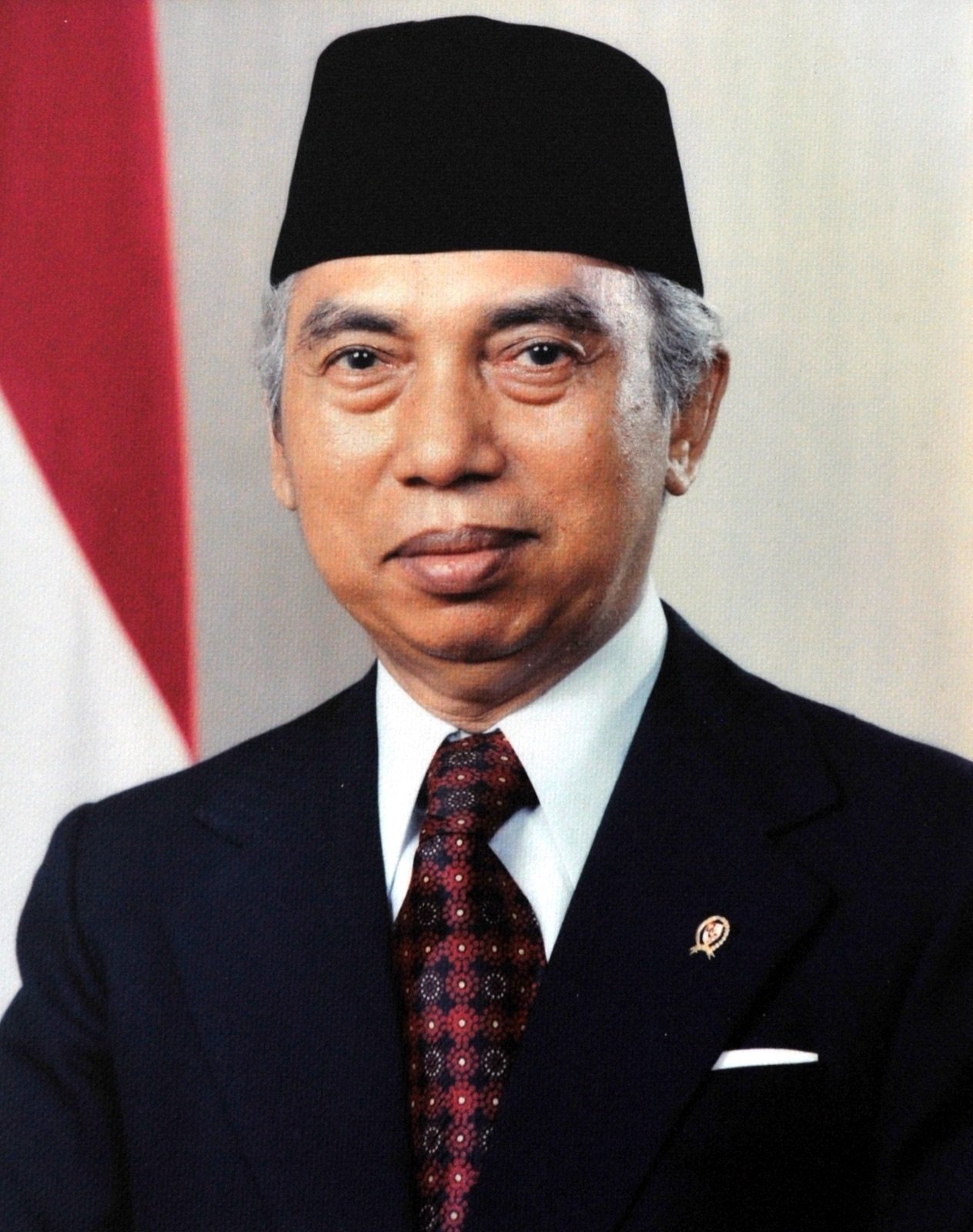 Indonesia · Politics
1917—1984
Adam Malik
Diplomat, journalist and third Vice President of IndonesiaA news-agency founder, independence activist and diplomat who moved from revolutionary politics to ASEAN, the United Nations and the vice presidency.Read biography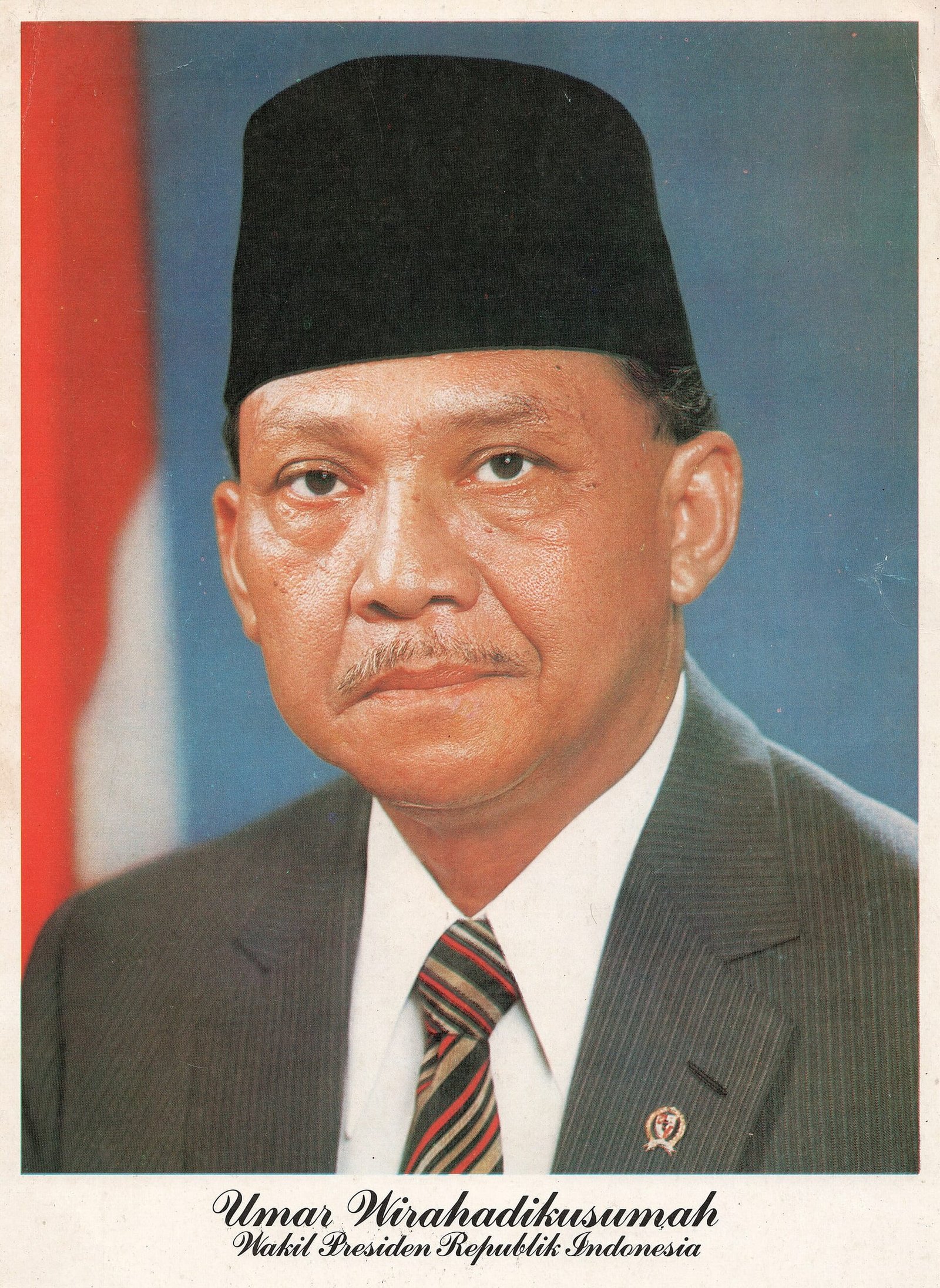 Indonesia · Politics
1924—2003
Umar Wirahadikusumah
Army general, state auditor and fourth Vice President of IndonesiaThe revolutionary-era soldier, army chief and state auditor who became Indonesia’s fourth vice president during Suharto’s New Order.Read biography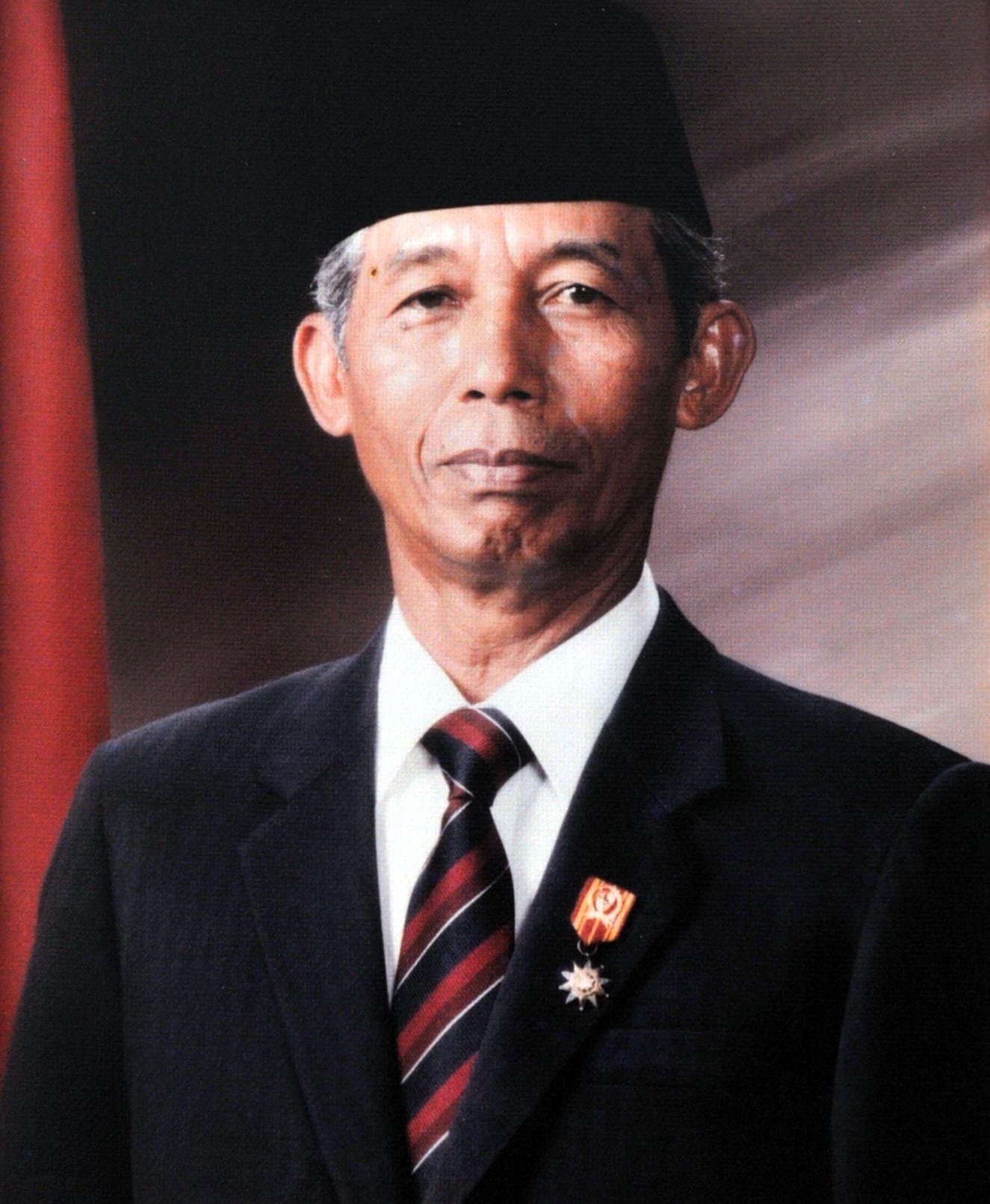 Indonesia · Politics
1927—2006
Sudharmono
Military lawyer, state secretary and fifth Vice President of IndonesiaThe military lawyer and long-serving state secretary who chaired Golkar and became Indonesia’s fifth vice president.Read biography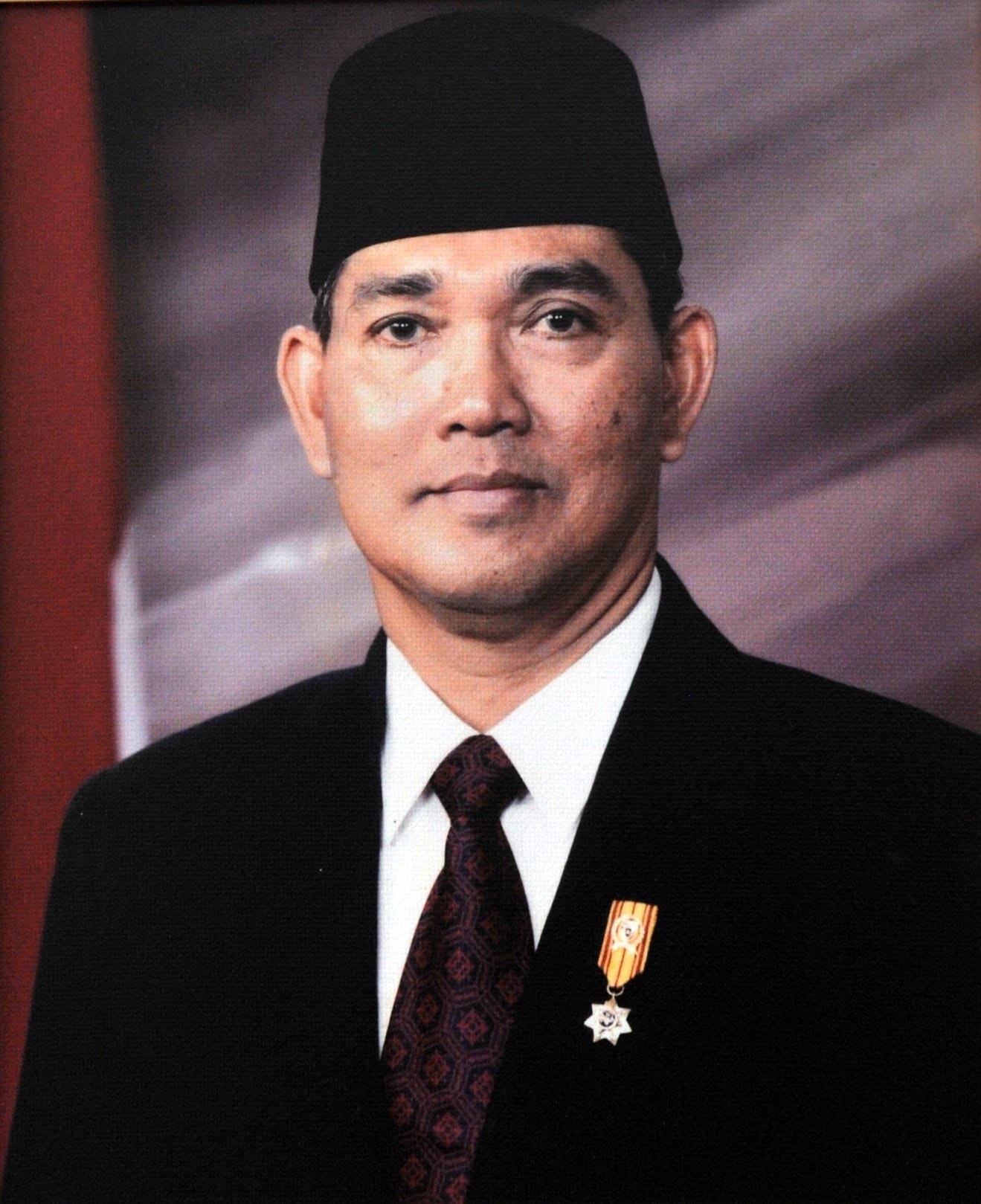 Indonesia · Politics
1935—2026
Try Sutrisno
Army general, armed forces commander and sixth Vice President of IndonesiaThe soldier, Jakarta governor and national military commander who became Indonesia’s sixth vice president during Suharto’s final full term.Read biography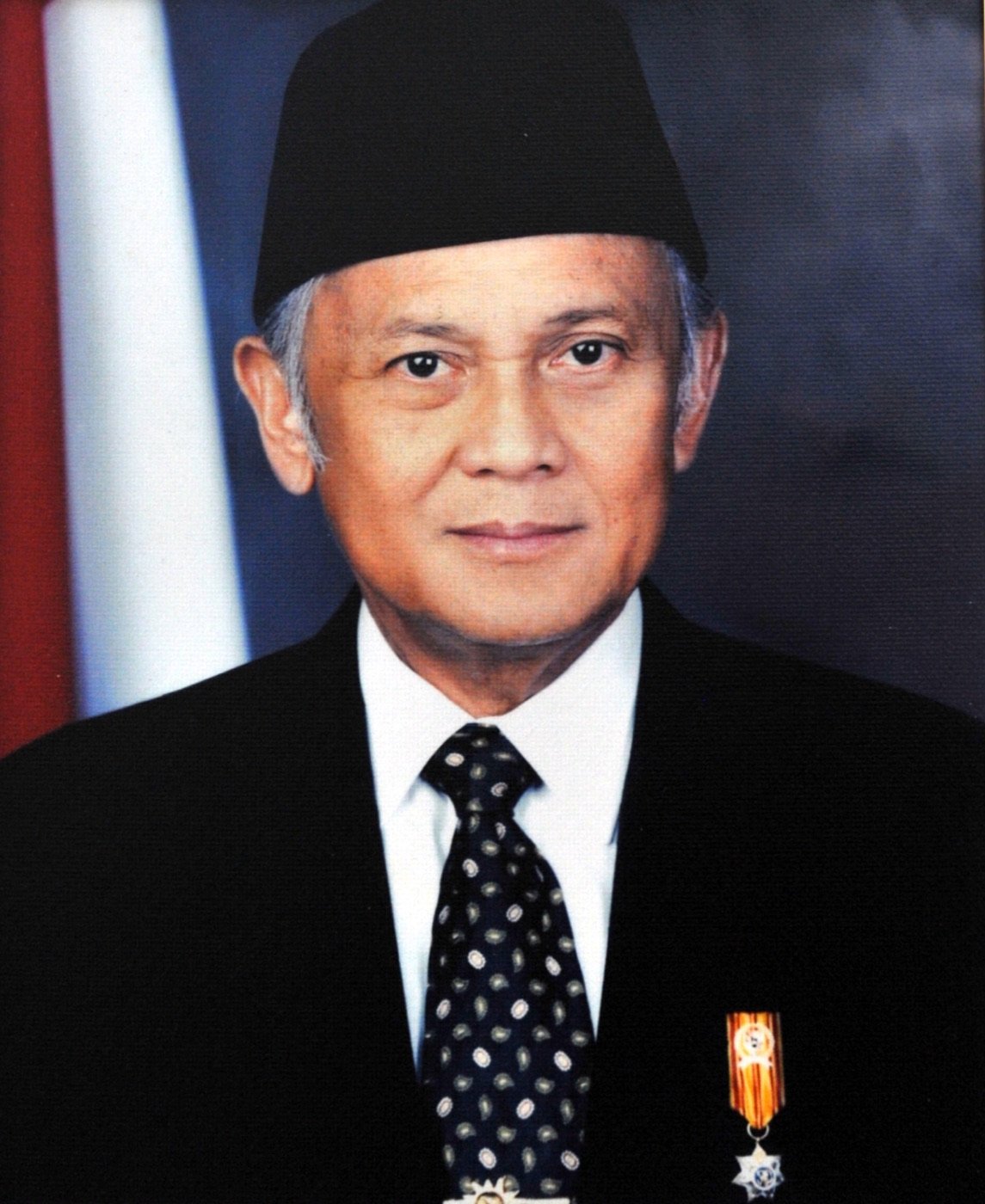 Indonesia · Politics
1936—2019
B. J. Habibie
Third President of Indonesia and aerospace engineerThe aerospace engineer and technology minister who succeeded Suharto in 1998 and opened Indonesia’s first transition from New Order rule.Read biography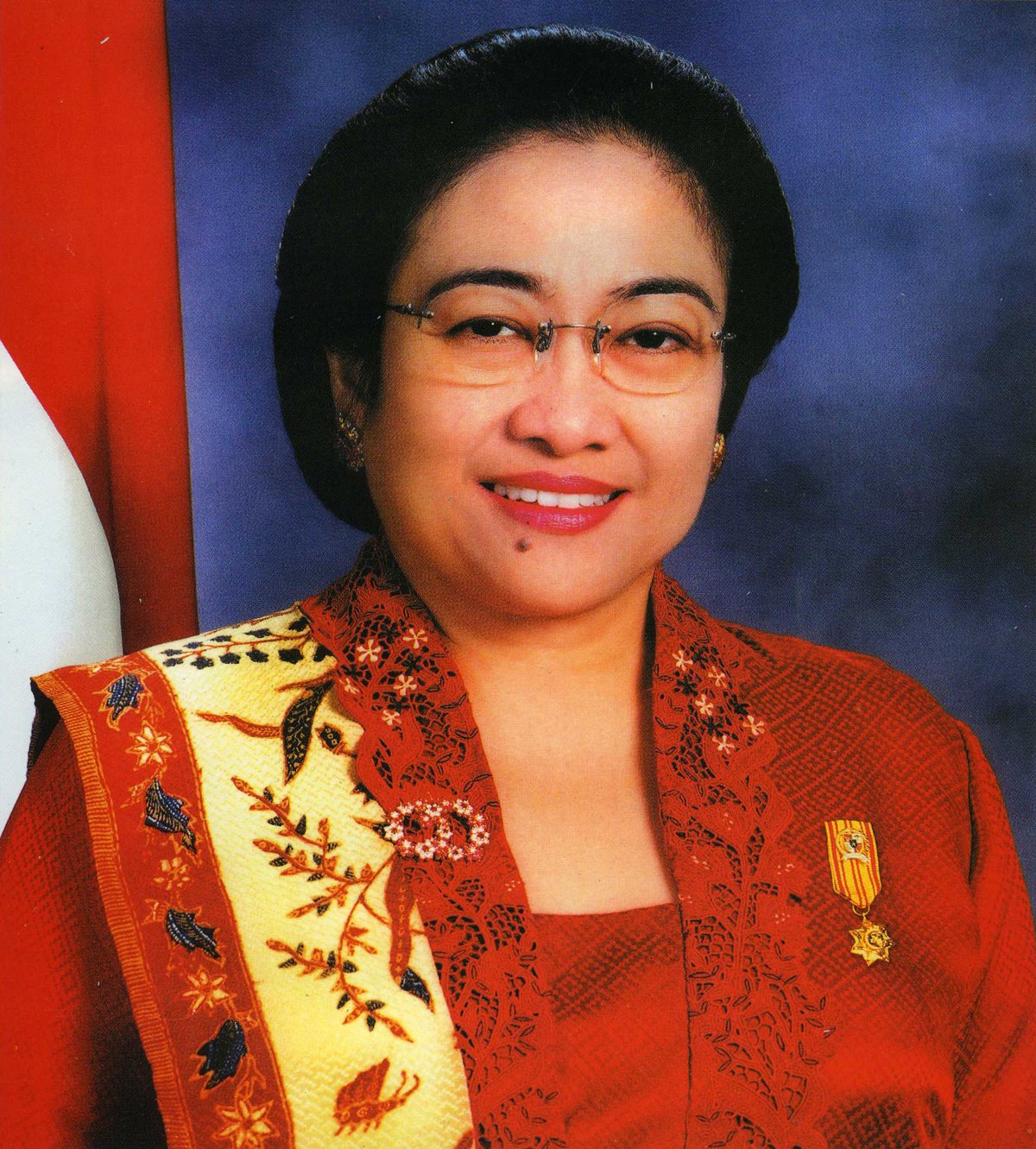 Indonesia · Politics
1947—
Megawati Sukarnoputri
Former president of Indonesia and chair of PDI-PIndonesia’s first woman president, an opposition symbol under Suharto and the PDI-P chair who remains central to post-Reformasi politics.Read biography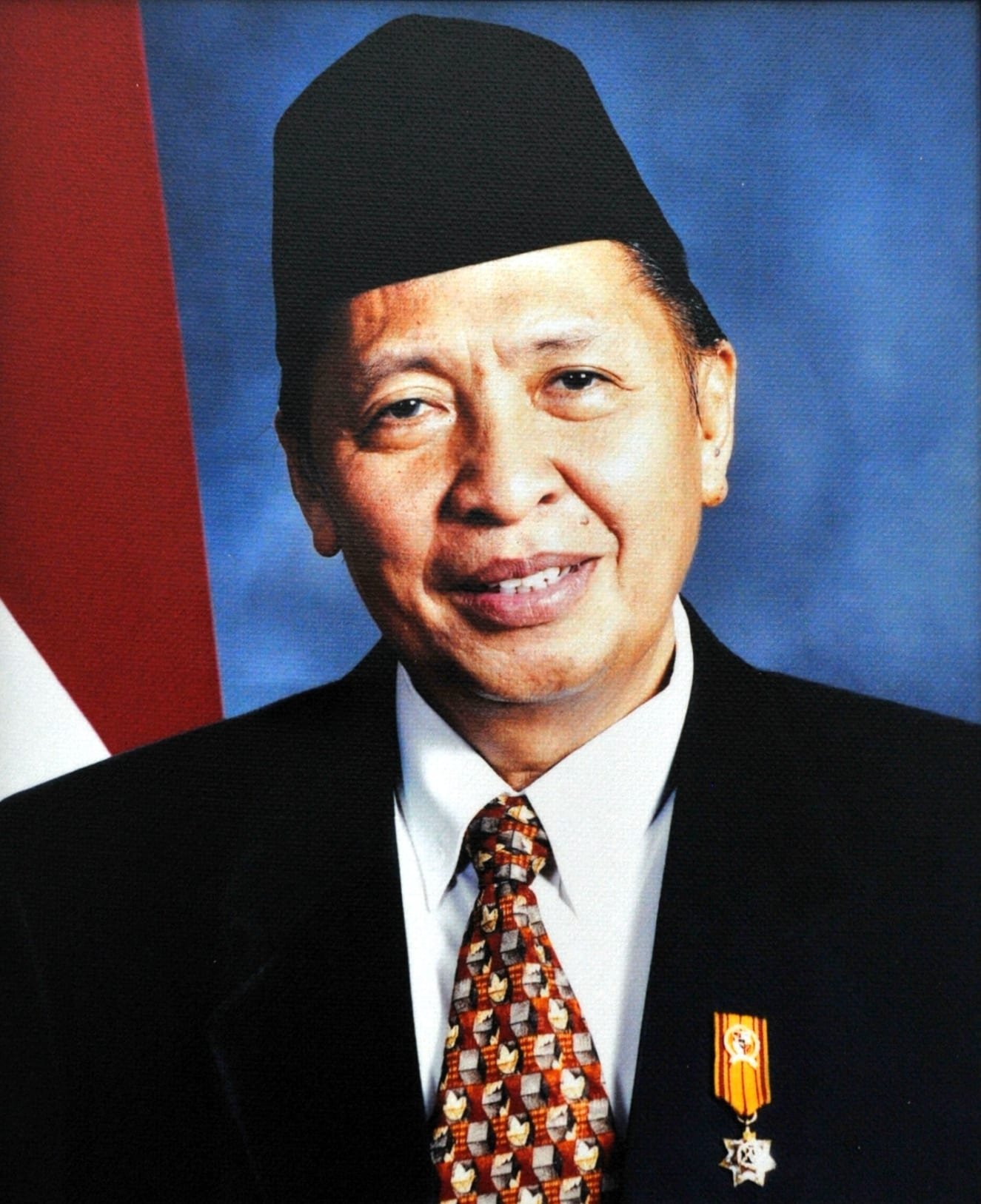 Indonesia · Politics
1940—2024
Hamzah Haz
Islamic party leader and ninth Vice President of IndonesiaThe West Kalimantan teacher, journalist and long-serving PPP politician who became Indonesia’s ninth vice president during the Reformasi transition.Read biography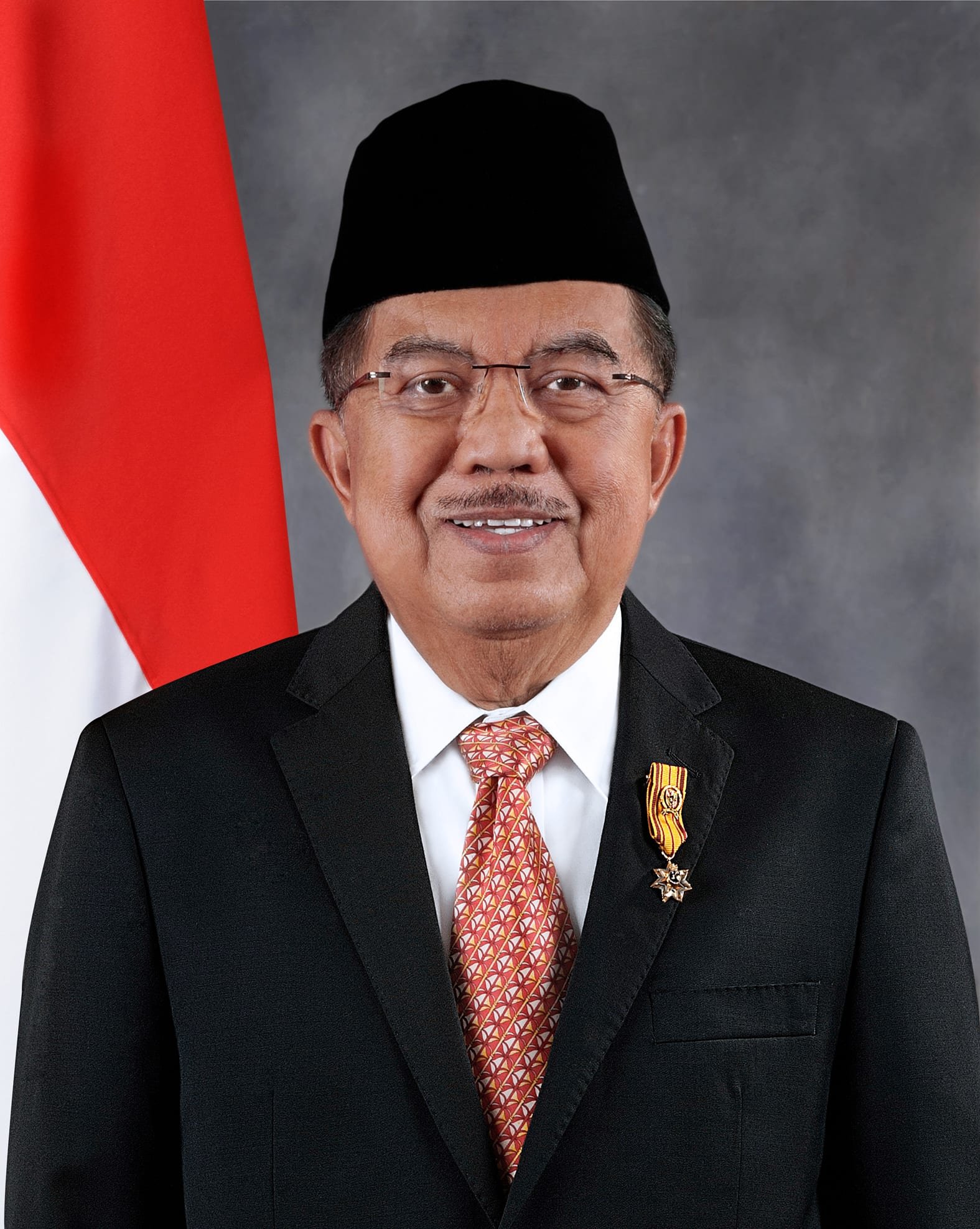 Indonesia · Politics
1942—
Jusuf Kalla
10th and 12th Vice President of IndonesiaThe businessman, Golkar leader and two-time vice president who helped negotiate peace processes from Maluku and Poso to Aceh.Read biography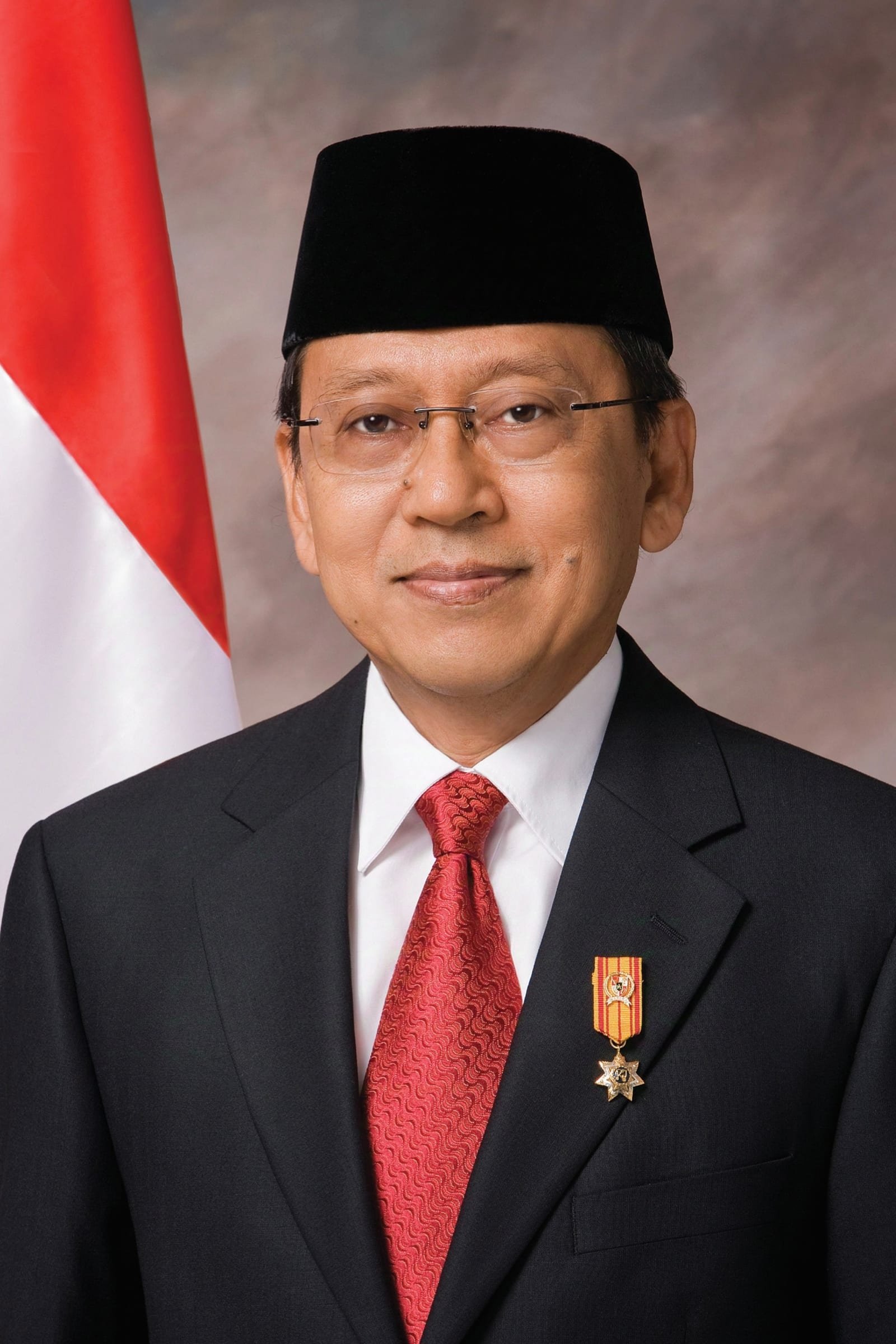 Indonesia · Politics
1943—
Boediono
11th Vice President of Indonesia and economistThe economist and policy technocrat who served as finance minister, coordinating economic minister, Bank Indonesia governor and vice president.Read biography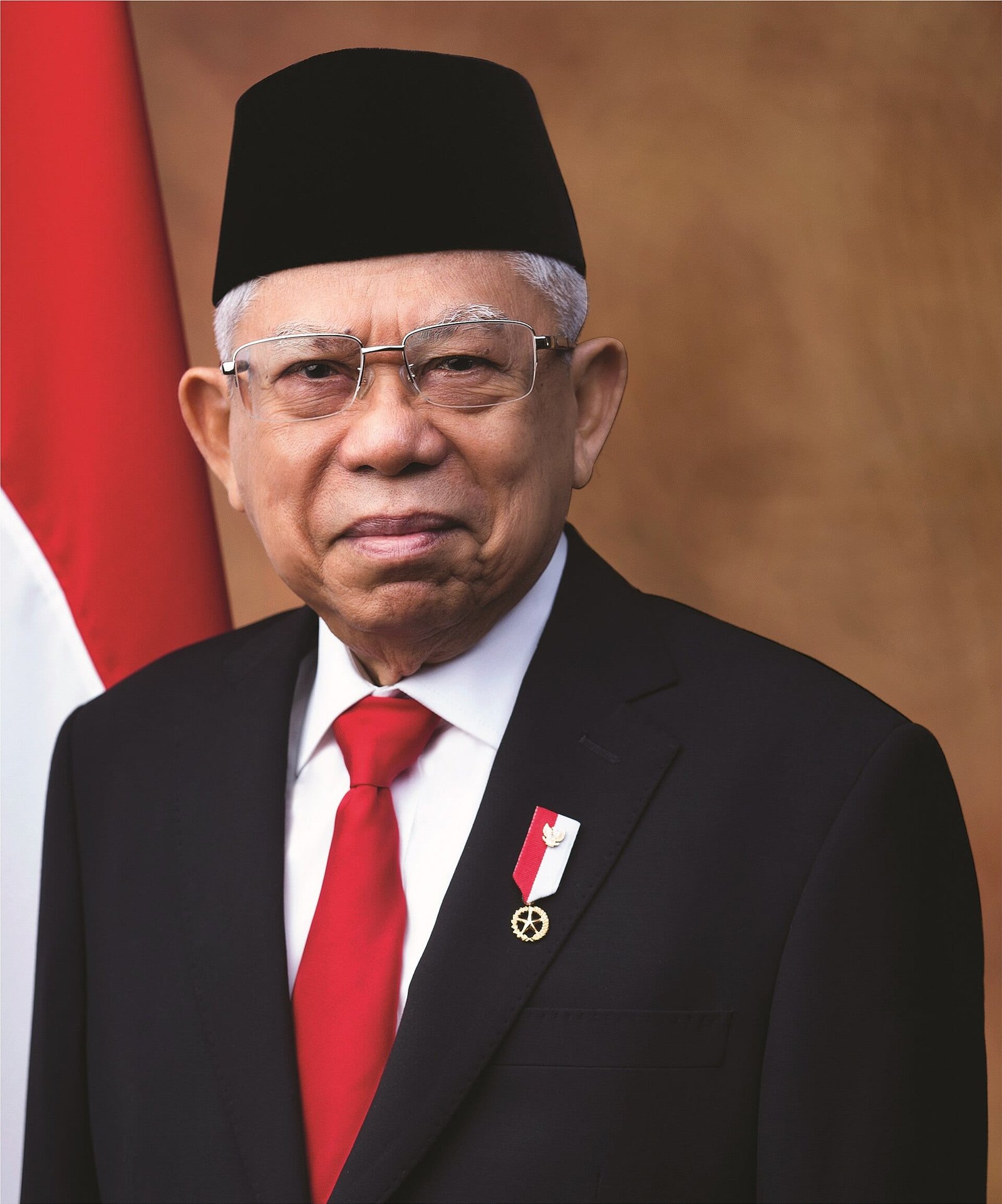 Indonesia · Politics
1943—
Ma’ruf Amin
13th Vice President of Indonesia and Islamic scholarThe Islamic scholar and organisational leader who became Joko Widodo’s running mate in 2019 and served as vice president until 2024.Read biography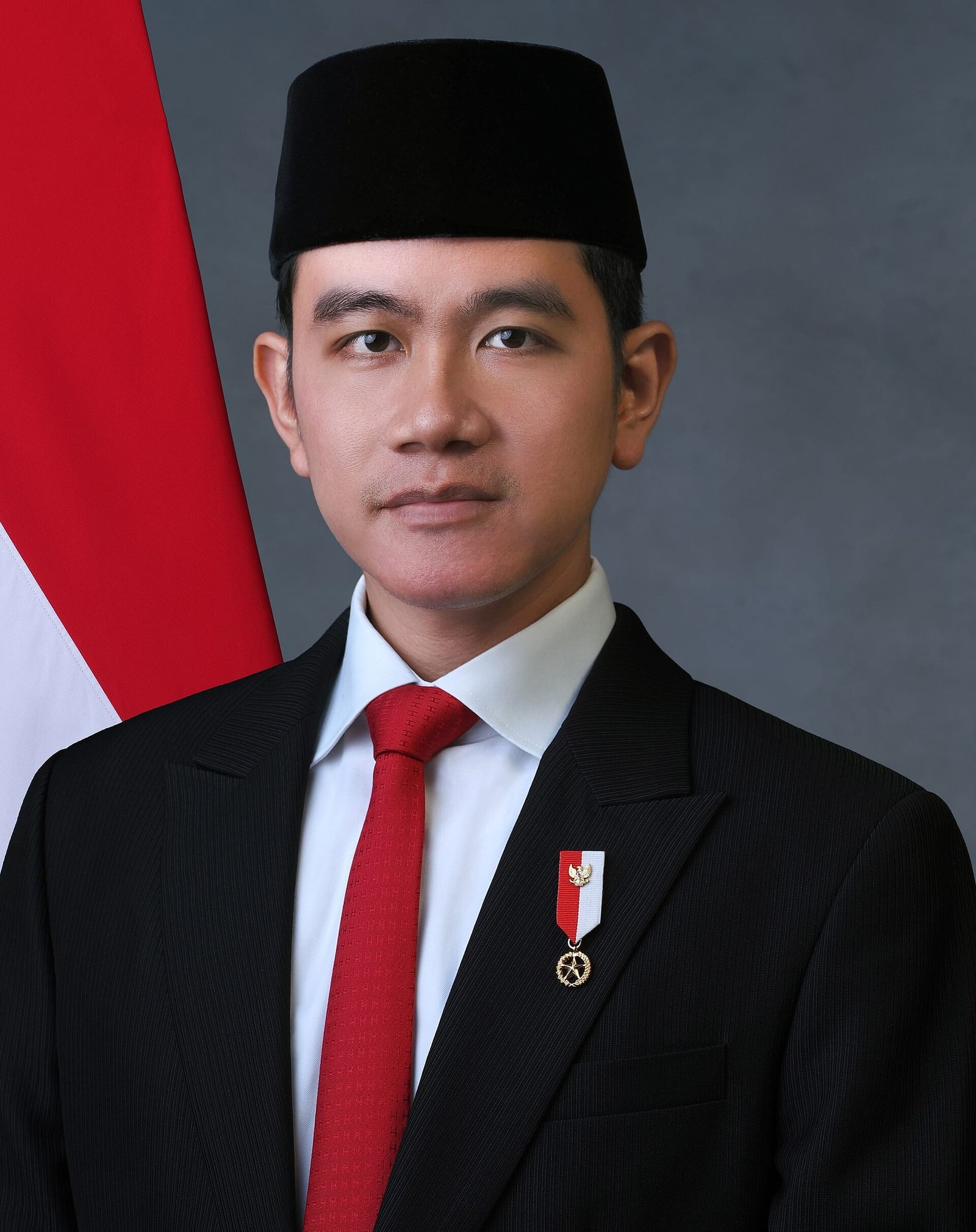 Indonesia · Politics
1987—
Gibran Rakabuming Raka
14th Vice President of IndonesiaThe entrepreneur, former Surakarta mayor and son of Joko Widodo who became Indonesia’s youngest vice president in 2024.Read biographyQuick answers
Common questions
- Who was the first vice president of Indonesia?
- Mohammad Hatta became Indonesia’s first vice president on 18 August 1945, one day after he and Sukarno proclaimed independence.
- Who is the current vice president of Indonesia?
- As reviewed on 3 October 2026, Gibran Rakabuming Raka is Indonesia’s vice president. He took office with President Prabowo Subianto on 20 October 2024.
- How many vice presidents has Indonesia had?
- Thirteen people have held the office across fourteen officially numbered terms. Jusuf Kalla accounts for the difference because he served twice in nonconsecutive administrations.
- Why was Indonesia’s vice presidency vacant for so long?
- Mohammad Hatta resigned effective 1 December 1956, and no successor was selected until Hamengkubuwono IX in March 1973. The gap spanned parliamentary government, Guided Democracy and the transition to the New Order.
- Which Indonesian vice presidents later became president?
- B. J. Habibie succeeded Suharto on 21 May 1998, and Megawati Sukarnoputri succeeded Abdurrahman Wahid on 23 July 2001.
- How is Indonesia’s vice president elected today?
- Voters directly elect the president and vice president together on one national ticket under Article 6A of the amended 1945 Constitution.
Primary and institutional sources
How this history was checked
Dates, legal milestones and historical claims are checked against the official and institutional records below. This article was reviewed on 3 October 2026.
- Secretariat of the Vice President of IndonesiaVice presidents of Indonesia from 1945 to the present
- National Archives of IndonesiaMohammad Hatta’s resignation as vice president
- House of Representatives of IndonesiaThe 1945 Constitution of the Republic of Indonesia
- People’s Consultative Assembly of IndonesiaThe consolidated 1945 Constitution and amendments
- General Elections Commission of IndonesiaHistory of the 2004 election and first direct presidential vote
- Presidential Archives Study Centre, National Archives of IndonesiaPresidential archive for the Suharto era
- General Elections Commission of IndonesiaKPU Decision No. 360 of 2024 — national election results