The short answer
The Manhattan Rebellion began when naval officers seized Prime Minister Phibun at a dredger handover and held him aboard HTMS Sri Ayudhya. The army, police and air force attacked anyway, defeating the revolt and ending the navy’s role as a major political counterweight.
Chronology
A timeline of the turning points
The Coup Group restores army power
Officers led publicly by Phin Choonhavan overthrew the postwar civilian government and marginalised Pridi’s coalition.
The Palace Rebellion fails
A pro-Pridi faction with naval connections occupied the Grand Palace but was defeated by army forces.
Phibun attends the Manhattan ceremony
The prime minister joined the formal transfer of an American-supplied dredger at Ratchaworadit Pier in Bangkok.
Naval officers seize the prime minister
A small group took Phibun at gunpoint and moved him onto the navy flagship HTMS Sri Ayudhya.
The rebellion fails to widen
Fleet elements and two marine battalions joined, but most armed units and potential civilian allies did not.
Government forces counterattack
Army, police and air-force units fought naval positions around the river, dockyard and signal station.
Sri Ayudhya is bombed and shelled
Government aircraft and artillery attacked the flagship even though Phibun was still being held aboard.
Phibun escapes and the revolt collapses
The prime minister swam ashore as the ship burned; surviving rebel positions surrendered or dispersed.
The navy flagship sinks
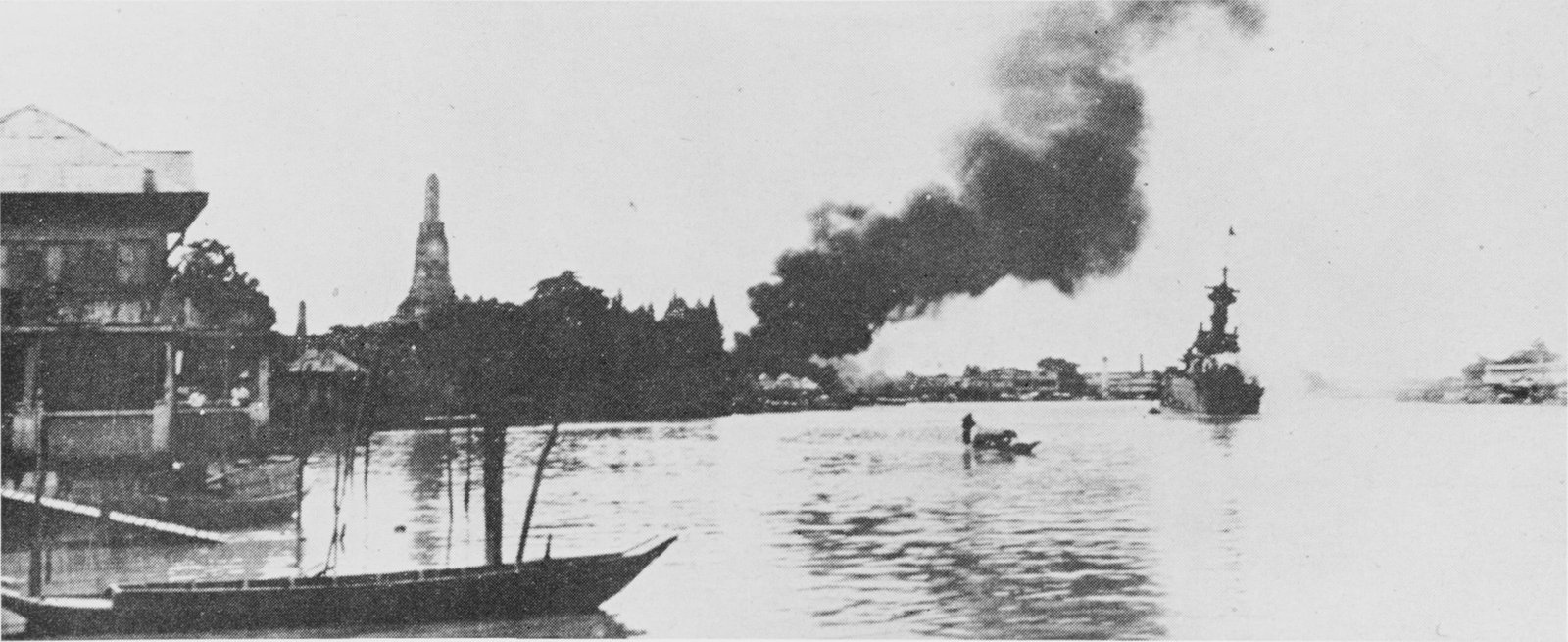
The damaged Sri Ayudhya settled in the Chao Phraya after the fighting had ended.
The navy is purged and reduced
Senior officers faced dismissal or prosecution as marines, naval aviation and Bangkok installations were cut back.
The Coup Group imposes direct military rule
The Radio Coup abolished the existing constitutional order and gave the 1947 officers direct control of government.
What was the Manhattan Rebellion?
The Manhattan Rebellion was a failed coup attempt by a faction of Royal Thai Navy officers on 29–30 June 1951. Its name came from the American dredger Manhattan, whose transfer to the Thai government supplied the plotters with an opportunity to seize Prime Minister Plaek Phibunsongkhram. The officers took Phibun from the ceremony at Ratchaworadit Pier and held him on the navy flagship HTMS Sri Ayudhya in the Chao Phraya River.
The label “naval coup” needs qualification. A small group of fleet officers initiated the operation, supported by fleet elements and two marine battalions at Thonburi. Contemporary United States reporting stressed that other naval and marine commanders did not automatically join. The rebellion was therefore a factional action inside a divided service, not a unified decision by the Royal Thai Navy.
How was Phibun captured at the dredger ceremony?
Fewer than a dozen officers, the most senior a naval captain, used the official handover of the dredger Manhattan to approach Phibun on 29 June. They seized him at gunpoint and transferred him to Sri Ayudhya. The rebels hoped that control of the prime minister would force Generals Phin Choonhavan, Phao Siyanon and Sarit Thanarat to negotiate a reorganisation of government.
Sri Ayudhya tried to move downriver toward the Naval Ordnance Department but could not pass the Memorial Bridge. The immobile flagship became both the symbol of the revolt and a vulnerable hostage platform inside central Bangkok. Naval broadcasts announced political changes, yet the plotters never established control over national communications, the other armed services or the machinery of civil government.
Why did the government attack with Phibun aboard?
The kidnappers assumed that loyal forces would not risk killing the prime minister. Army, police and air-force commanders made the opposite calculation. They continued the counterattack, and Air Marshal Fuen Ronnaphagrad publicly asked Phibun to accept sacrifice for the nation. The response revealed that the regime’s armed coalition could operate without waiting for the man who formally headed it.
Fighting spread around the river, the naval dockyard and the signal station. On 30 June, artillery and aircraft struck Sri Ayudhya while Phibun remained aboard. Fire disabled the ship and forced an evacuation. Phibun escaped by swimming to shore; the rebellion collapsed, and the flagship sank during the night of 1 July. The combat caused substantial military and civilian casualties, but published totals differ and should not be treated as a single uncontested figure.
How did the rebellion change Phin, Phao, Sarit and Phibun?
Phao used the aftermath to take the post of police director-general, strengthening the family-linked Phin–Phao faction. Sarit’s First Army troops won much of the operational credit and increased his standing among younger army officers. Phin remained army commander and later deputy prime minister. These gains created a new balance inside the victorious coalition rather than a single undisputed ruler.
Phibun survived because of his public stature and his value in maintaining relations with the United States, but his capacity to arbitrate among services weakened. The commanders had demonstrated that they could fight through a crisis without him. The regime increasingly rested on competition between Phao’s expanding police and Sarit’s army, with Phibun preserving office by balancing men who now controlled the decisive organisations of force.
Why does the Manhattan Rebellion matter?
The rebellion ended the navy’s role as a major participant in Thailand’s postwar political contests and accelerated the concentration of coercive power in the army and police. It also exposed the limits of Phibun’s restored premiership: holding the prime minister did not mean holding the government, and saving him was not the commanders’ first operational priority.
In November 1951, the Coup Group used a further takeover—often called the Radio or Silent Coup—to eliminate the existing constitutional arrangement and take direct control of civil administration. The Manhattan Rebellion did not mechanically cause that coup, but its suppression removed an important rival and helped clear the path. The event therefore links the 1947 takeover and 1949 Palace Rebellion to the consolidated military order that lasted until Sarit displaced Phibun in 1957.
Continue the chronology
Related history guides
The 1951 Radio Coup
Continue into the broadcast takeover that gave the victorious Coup Group direct control of parliament and government.
Read the timeline26–27 February 1949The 1949 Palace Rebellion
Follow the earlier confrontation that intensified army suspicion of pro-Pridi naval factions.
Read the timeline8 November 1947The 1947 Thai Coup
Start with the takeover that created the Coup Group’s postwar military order.
Read the timeline1932–presentPrime Ministers of Thailand
Place Phibun’s second premiership within Thailand’s succession of elected and military-led governments.
Read the timeline1851–todayThailand History Timeline
Connect the revolt to constitutional change, wartime rule and Cold War authoritarianism.
Read the timelineConnected biographies
Eight biographies connecting the naval revolt to Thailand’s postwar military order
 Thailand · Politics
1897—1964
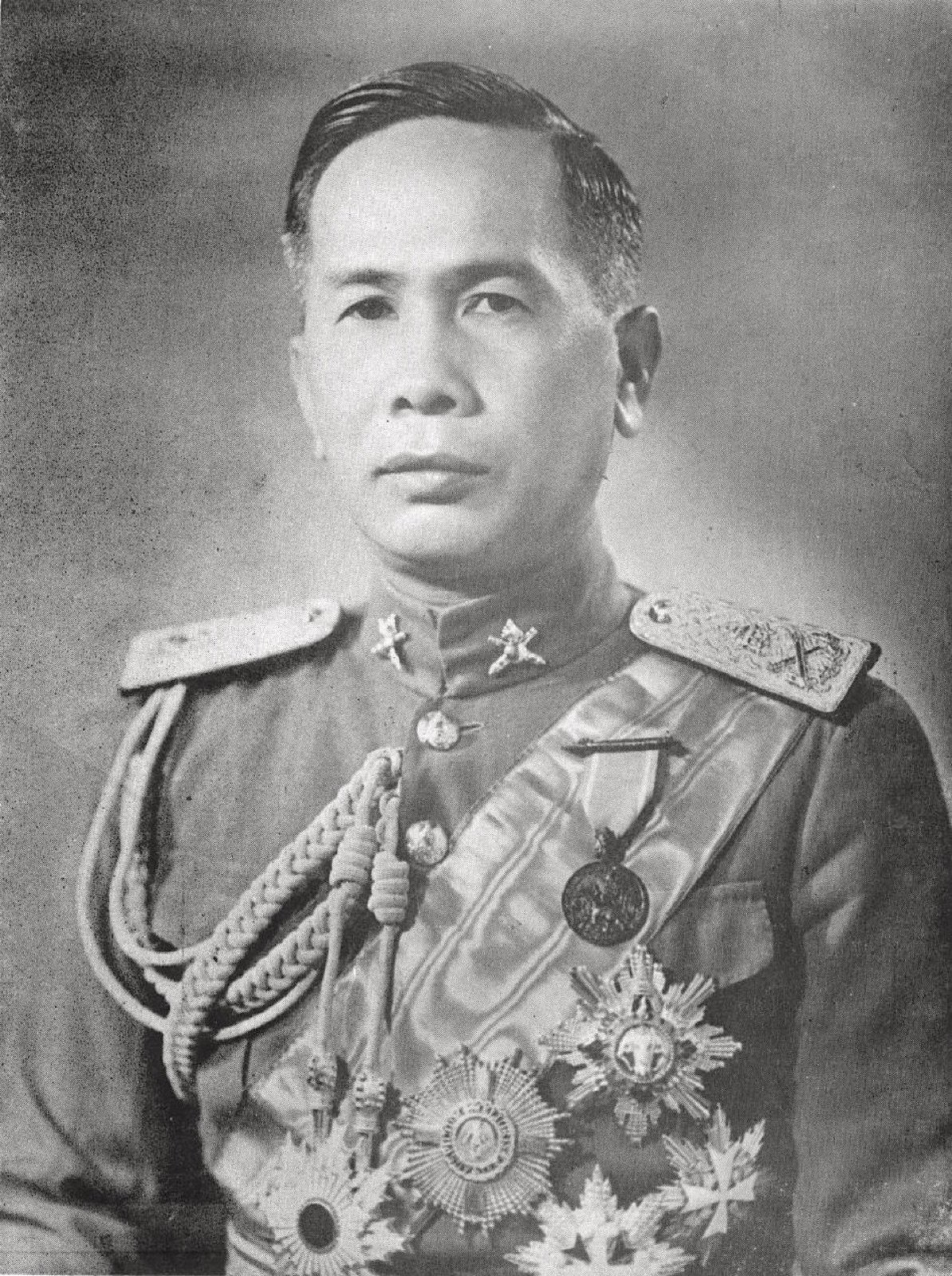
Plaek Phibunsongkhram
Military officer and prime minister of ThailandA military leader of the 1932 revolution who twice served as prime minister and used state power to promote nationalism, social mandates and a new name for the country.Read biography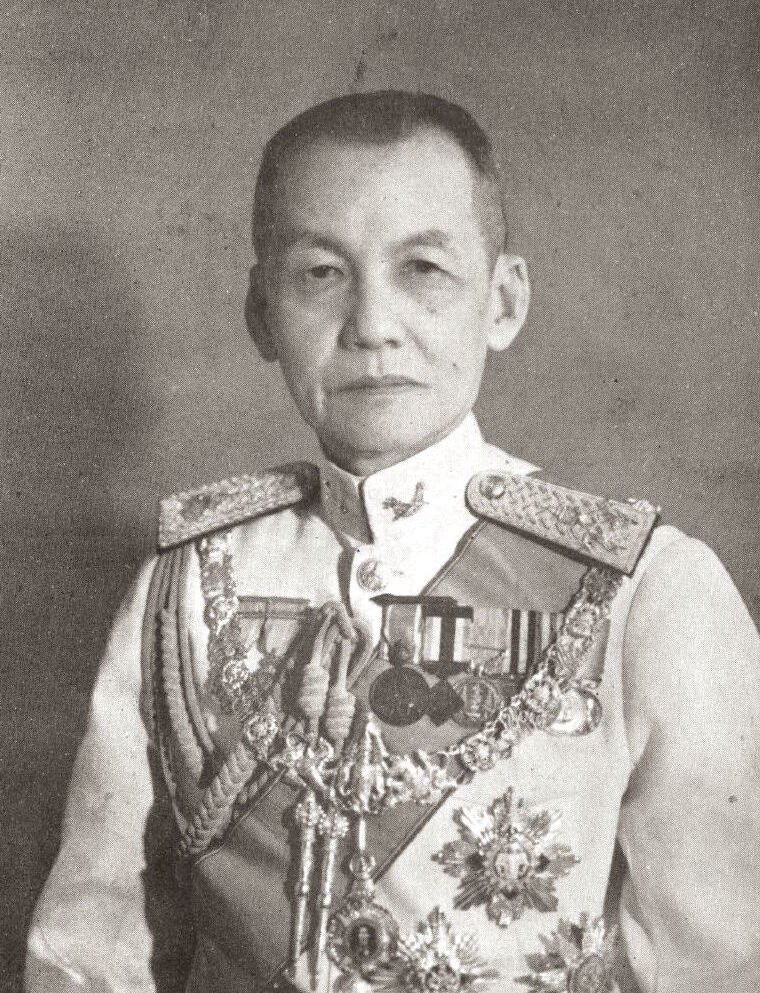 Thailand · Politics
1891—1973
Phin Choonhavan
Thai field marshal and leader of the 1947 Coup GroupA professional soldier who became the public leader of Thailand’s 1947 Coup Group, army commander and patriarch of an influential military-political family.Read biography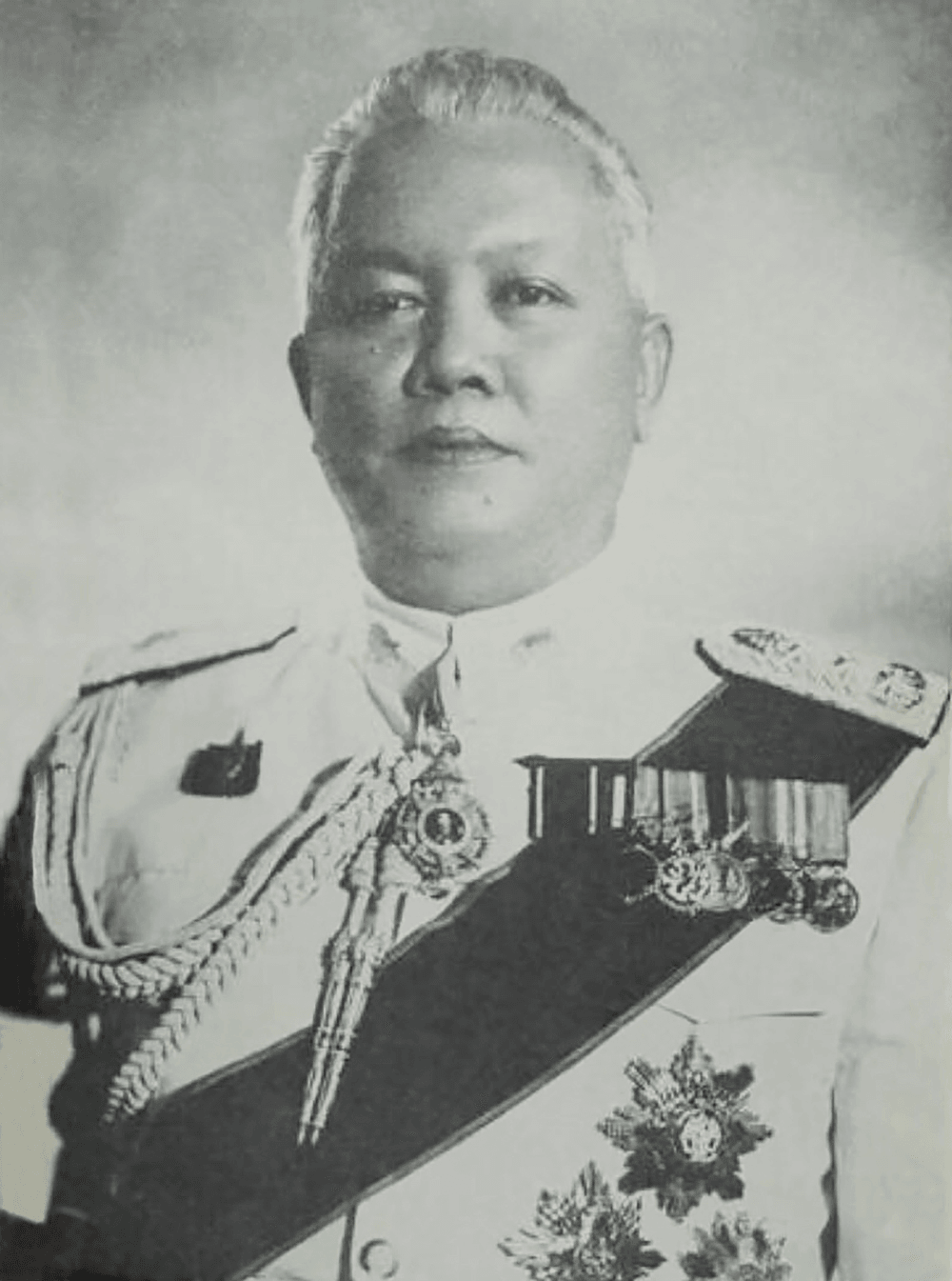 Thailand · Politics
1910—1960
Phao Siyanon
Thai police general and Cold War power brokerA police general who helped make Thailand’s national police a heavily armed Cold War power centre while presiding over political repression and a far-reaching patronage network.Read biography Thailand · Politics
1908—1963
Sarit Thanarat
Military ruler and prime minister of ThailandA field marshal who displaced Phibun, abolished constitutional politics and paired coercive rule with development planning and a close United States alliance.Read biography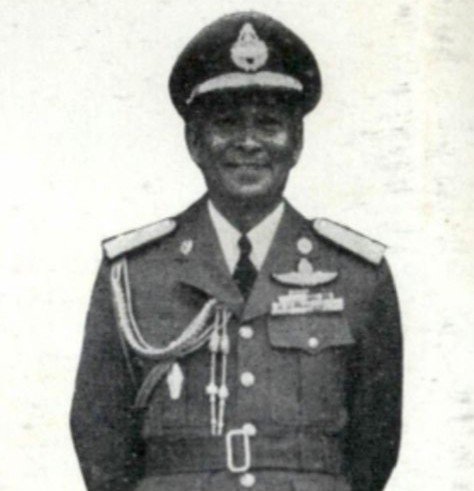 Thailand · Politics
1900—1987
Fuen Ronnaphagrad Ritthakhanee
Royal Thai Air Force commander and deputy prime ministerAn air-force commander whose intervention in the Manhattan Rebellion made him a central military actor, cabinet minister and member of Thailand’s 1951 Radio Coup junta.Read biography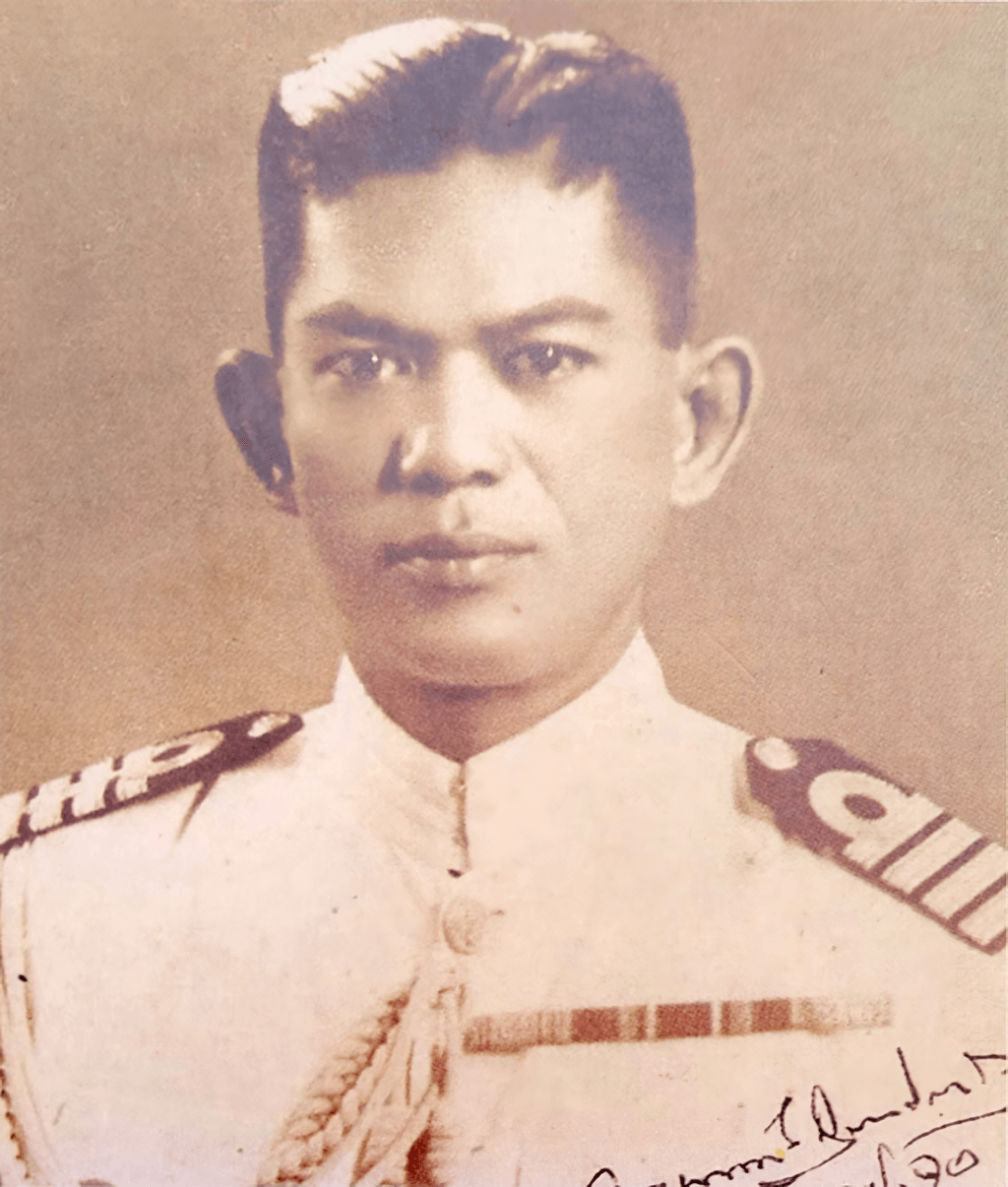 Thailand · Politics
1910—1985
Anon Puntharikapha
Royal Thai Navy captain and leader of the Manhattan RebellionA Thai naval captain who led the Manhattan Rebellion, escaped to Burma after its defeat and spent years with the Mon nationalist movement before returning home.Read biography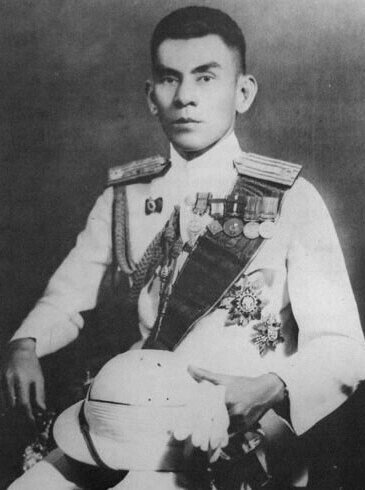 Thailand · Politics
1901—1988
Thawan Thamrongnawasawat
8th Prime Minister of Thailand and naval officerA naval officer, lawyer and People’s Party member who became prime minister during Thailand’s unstable postwar transition and was removed by the 1947 coup.Read biography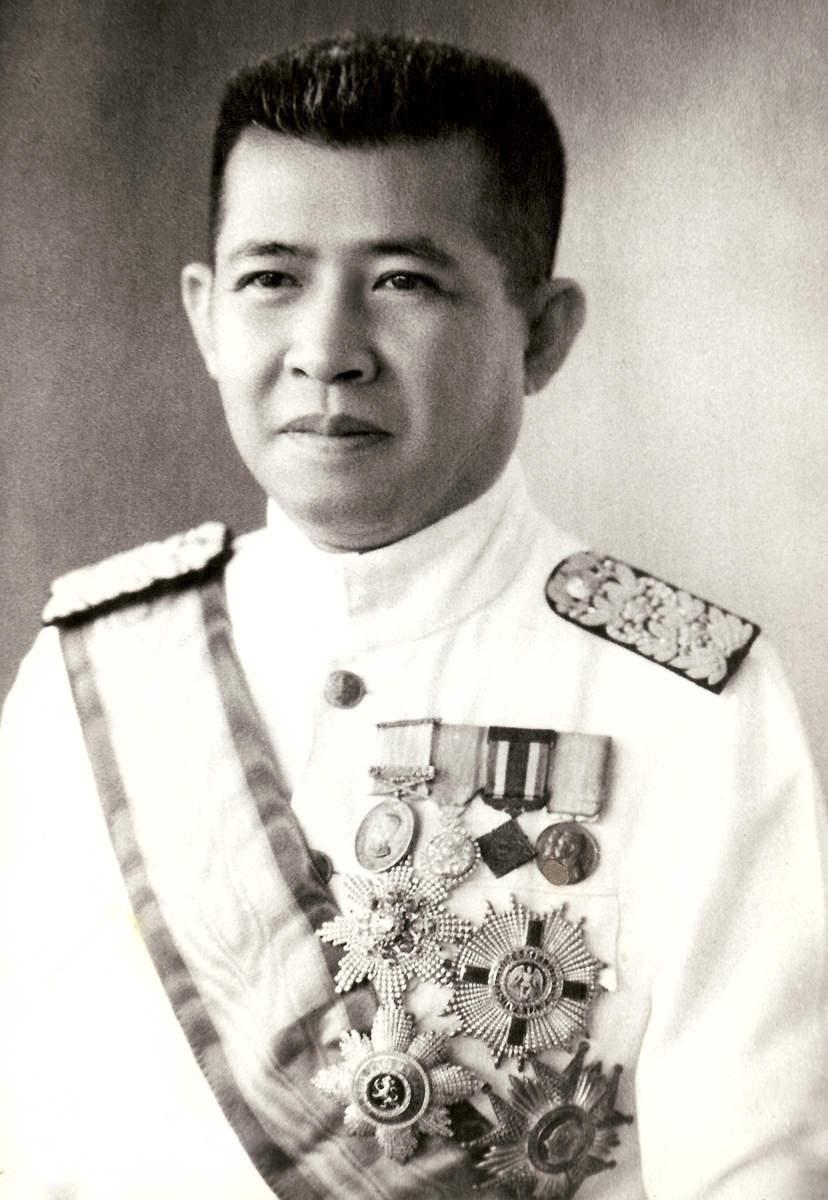 Thailand · Politics
1900—1983
Pridi Banomyong
Statesman, jurist and prime ministerA jurist and statesman who helped end absolute monarchy, founded Thammasat University and led the civilian Free Thai resistance during the Second World War.Read biographyQuick answers
Common questions
- When was the Manhattan Rebellion in Thailand?
- It began on 29 June 1951, when naval officers seized Prime Minister Phibun, and collapsed on 30 June after fighting in Bangkok.
- Why was it called the Manhattan Rebellion?
- The plotters captured Phibun during the official transfer ceremony for an American-supplied dredger named Manhattan.
- Where was Phibun held hostage?
- He was taken aboard HTMS Sri Ayudhya, the Royal Thai Navy flagship, on the Chao Phraya River.
- Did the whole Royal Thai Navy join the coup?
- No. Fleet elements and two marine battalions participated, but other naval commands did not join and the service remained divided.
- How did Phibun escape?
- He swam ashore after artillery and aircraft set Sri Ayudhya on fire. He survived without serious injury and resumed office.
- What was the rebellion’s main political result?
- The navy was purged and sharply reduced, while Phin, Phao and Sarit gained influence and the army–police coalition consolidated power.
Primary and institutional sources
How this history was checked
Dates, legal milestones and historical claims are checked against the official and institutional records below. This article was reviewed on 3 October 2026.
- Ministry of Foreign Affairs of ThailandThe Quest for Thai–US Alliance
- Office of the Historian, U.S. Department of StateJune 1951 report on Phibun’s capture and return
- Office of the Historian, U.S. Department of StateJuly 1951 assessment of the revolt and its consequences
- SOAS University of London Research RepositoryThe Thai military in politics: an analytical study
- Library of CongressThailand: A Country Study
- U.S. Naval History and Heritage CommandHTMS Sri Ayudhya sinking off Bangkok, 30 June 1951
- Wikimedia CommonsManhattan Rebellion media and archival documents