
The short answer
Brunei’s Asian Games record is a compact history of specialist pathways. Two karate bronzes opened the medal account in 1994, sepaktakraw and karate extended it, and a new wushu generation produced the country’s first silver and its first medals at consecutive editions.
Complete medal record
Every Brunei medal at the Asian Games through 2026
Official Olympic Council of Asia and Brunei government records identify seven summer Asian Games medals across five editions.
| Games | Medal | Sport and event | Athlete or team |
|---|---|---|---|
| 1994 Hiroshima — Meghan Loo | Bronze | Karate · women’s kumite | Meghan Loo |
| 1994 Hiroshima — Dk Marliza Pg Omar | Bronze | Karate · women’s kumite | Dk Marliza Pg Omar |
| 1998 Bangkok | Bronze | Sepaktakraw · men’s regu | Brunei national team |
| 2002 Busan | Bronze | Karate · men’s 75 kg kumite | Tong Kit Siong |
| 2022 Hangzhou — held 2023 | Silver | Wushu · women’s taijiquan and taijijian | Basma Lachkar |
| 2022 Hangzhou — women’s team | Bronze | Karate · women’s team kata | Farhah Syahirah, Rodyatul Adhwanna and Farhana Najeha |
| 2026 Aichi–Nagoya | Bronze | Wushu · women’s taijiquan and taijijian | Basma Lachkar |
Chronology
A timeline of the turning points
Brunei made its Asian Games debut
The national delegation entered the Beijing Games and began an unbroken run of appearances.
Two karate athletes won the first medals
Meghan Loo and Dk Marliza Pg Omar each earned women’s kumite bronze in Hiroshima.
Sepaktakraw produced the first men’s medal
The men’s regu team won bronze in Bangkok, extending the medal record beyond karate.
Tong Kit Siong won individual bronze
His men’s 75-kilogram kumite result became Brunei’s fourth Asian Games medal.
Hangzhou ended a 21-year medal gap
Basma Lachkar won Brunei’s first silver, while the women’s karate team kata won bronze.
Lachkar earned a second consecutive medal
She took bronze in Aichi–Nagoya in the women’s combined taijiquan and taijijian event.
When did Brunei first compete at the Asian Games?
Brunei made its Asian Games debut in Beijing in 1990. The Olympic Council of Asia’s official Hangzhou profile records an appearance at every edition from that point onward. For a country with a small population and limited elite-sport system, that continuity matters: it created repeated exposure to regional standards before medals became a regular possibility.
The Asian Games are larger and more varied than a single-sport championship. They place Olympic disciplines beside Asian sports such as wushu and sepaktakraw. Brunei’s medal history therefore reflects where specialist coaching and a realistic competitive pathway could produce results, rather than the size of the delegation alone.
Who won Brunei’s first Asian Games medals?
Brunei’s first medals arrived at Hiroshima in 1994. Female karate athletes Meghan Loo and Dk Marliza Pg Omar each won bronze in individual kumite categories. Four years later, the men’s sepaktakraw regu team earned bronze in Bangkok and became the country’s first male Asian Games medallists.
Tong Kit Siong added a karate bronze in the men’s 75-kilogram kumite event at Busan in 2002. He was Brunei’s first male individual medallist at the Games. Those four bronzes established karate and sepaktakraw as the first successful routes, but another medal would not arrive for more than two decades.
What changed at the Hangzhou Asian Games?
The Games officially titled Hangzhou 2022 were postponed and held in 2023. Basma Lachkar placed second in women’s combined taijiquan and taijijian. The result was Brunei’s first silver medal in Asian Games history and, at that time, its best result at the event. It also showed that a Bruneian athlete could sustain success after winning World Games gold in the same combined discipline in 2022.
The women’s karate team kata of Farhah Syahirah binti Mohd Shamrin, Rodyatul Adhwanna binti Bakar and Farhana Najeha binti Abdul Rahman added bronze. Hangzhou was therefore Brunei’s first two-medal Asian Games since 1994 and the first edition in which it won a medal of a colour other than bronze.
Why is Basma Lachkar’s second medal significant?
At Aichi–Nagoya in 2026, Lachkar won bronze in the same combined taiji event. Brunei’s Department of Youth and Sports reported that she tied the Singapore competitor on points for the bronze position. The result lifted Brunei’s summer Asian Games record to seven medals through the sources reviewed on 4 October 2026: one silver and six bronze, with no gold yet.
More important than the arithmetic is repetition. Earlier Bruneian medals were separated by long gaps, but Lachkar reached the podium at consecutive editions. Her record connects school-level entry, specialised coaching, university study and international competition into a pathway that can be examined and improved for the next generation.
Continue the chronology
Related history guides
Biography context
Explore Brunei through connected lives
Brunei Biographies
Explore 20 sourced lives across politics, business, sport and culture.
Explore the biographiesSport collectionBruneian Sporting Pioneers
Meet the athletes behind Olympic firsts, national records and major medals.
Explore the biographiesCategory indexAthlete Biographies
Compare sporting careers and breakthroughs across Southeast Asia.
Explore the biographiesConnected biographies
Four Bruneian sporting biographies to read with the medal timeline
2003—
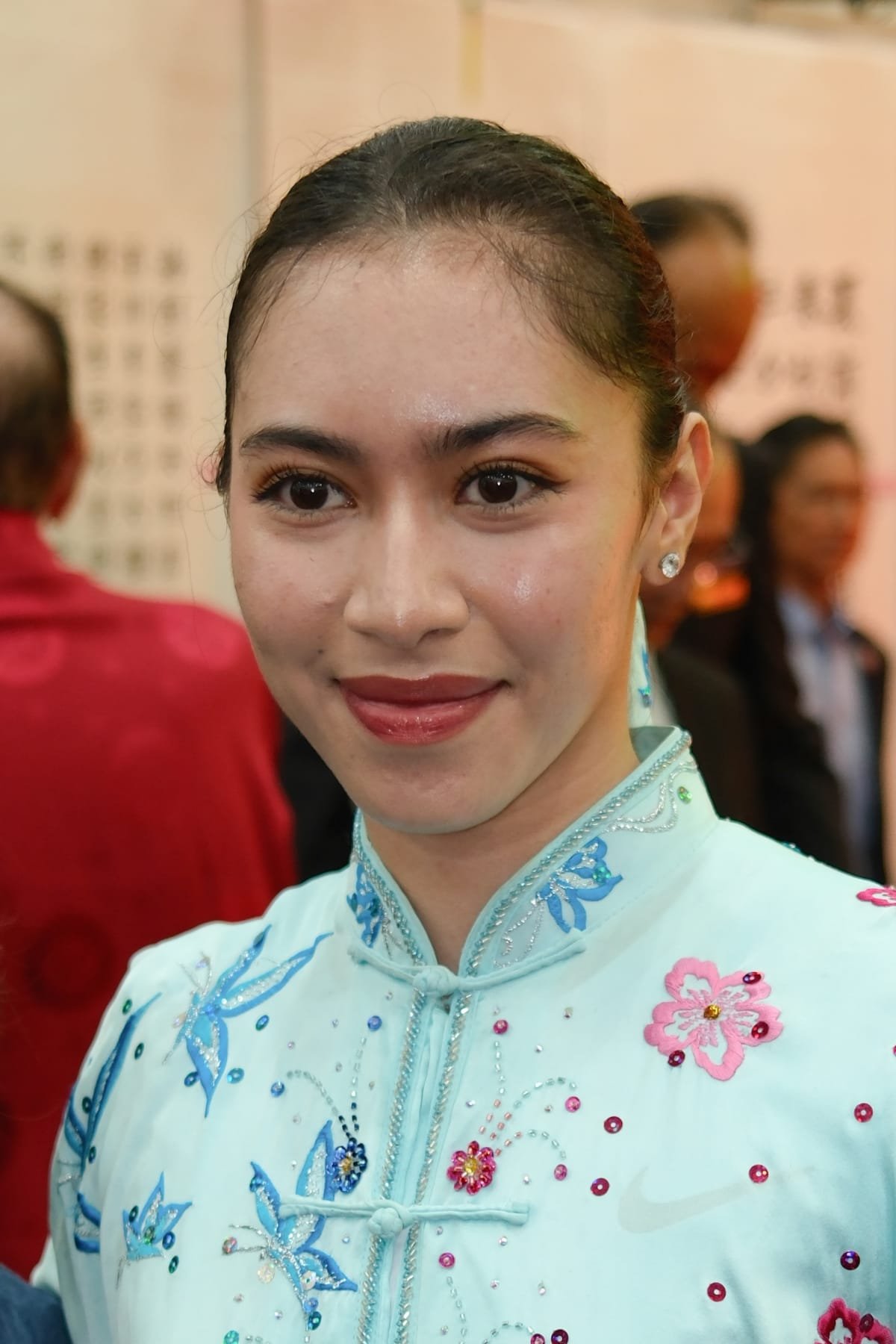
Basma Lachkar
Wushu world champion and Asian Games medallistA taijiquan and taijijian athlete whose World Games title and consecutive Asian Games medals established new international benchmarks for Bruneian sport.Read biography1993—
Maziah Mahusin
Sprinter and Brunei’s first woman OlympianThe 400-metre runner who carried Brunei’s flag at London 2012 and became the country’s first female Olympic competitor.Read biography1991—
Fakhri Ismail
Sprinter and Brunei 100-metre record holderThe sprinter who ran a national-record 10.59 seconds in 2015 and represented Brunei in the Olympic 100 metres at Rio 2016.Read biography1988—
Jaspar Yu
Badminton player and Brunei OlympianThe men’s singles player who represented Brunei at Rio 2016, the country’s first and so far only appearance in Olympic badminton.Read biographyQuick answers
Common questions
- When did Brunei win its first Asian Games medal?
- Brunei won its first two medals at Hiroshima in 1994, when Meghan Loo and Dk Marliza Pg Omar earned bronze in women’s karate kumite.
- Who won Brunei’s first Asian Games silver medal?
- Basma Lachkar won Brunei’s first silver in women’s combined taijiquan and taijijian at the Hangzhou Asian Games held in 2023.
- Has Brunei won an Asian Games gold medal?
- No. Through the 2026 Aichi–Nagoya Games, Brunei’s record was one silver and six bronze medals.
- How many Asian Games medals has Brunei won?
- Brunei had won seven summer Asian Games medals through 2026: two in 1994, one in 1998, one in 2002, two at Hangzhou and one in 2026.
- Why were the 2022 Asian Games held in 2023?
- The Hangzhou Games retained the 2022 edition name after being postponed for one year and staged from September to October 2023.
- What is Brunei’s latest Asian Games medal?
- Basma Lachkar won bronze in women’s combined taijiquan and taijijian at Aichi–Nagoya in September 2026.
Primary and institutional sources
How this history was checked
Dates, legal milestones and historical claims are checked against the official and institutional records below. This article was reviewed on 4 October 2026.
- Olympic Council of Asia · Hangzhou Asian GamesTeam Brunei Darussalam profile and historical medal record
- Olympic Council of Asia · Hangzhou Asian GamesBrunei medallists by sport
- Ministry of Culture, Youth and Sports, Brunei DarussalamAsian Games medal-winning contingent returns from Hangzhou
- International Wushu FederationBrunei’s Top National Wushu Star Athlete Basma Lachkar
- Department of Youth and Sports, Brunei DarussalamBasma Lachkar wins Asian Games bronze in Aichi–Nagoya