
The short answer
Thailand’s 2007 Constitution was drafted through institutions created by the 2006 coup and approved in the country’s first national constitutional referendum. A 57.81-percent yes vote reopened the route to elections, but the charter replaced the fully elected Senate with a mixed chamber and strengthened courts and selected bodies as checks on party government.
Constitutional design
How the 2007 charter changed the 1997 system
The new constitution retained elections and rights while dispersing power away from the large-party model produced under the earlier charter.
| Institution | 1997 Constitution | 2007 Constitution |
|---|---|---|
| House of Representatives | 500 seats: 400 constituency + 100 national party list | 480 seats: 400 constituency + 80 regional party list |
| Senate | 200 directly elected members | 150 members: 76 elected + 74 selected |
| Drafting origin | Broadly participatory assembly after democratic reform | Assembly and committee selected through post-coup institutions |
| Prime-minister tenure | No overall eight-year cap | Maximum of eight years |
| Institutional balance | Stronger elected government plus new oversight bodies | Stronger courts, agencies and selected checks on parties |
Chronology
A timeline of the turning points
The military repeals the 1997 Constitution
The coup abolished parliament and the constitutional order created by the People’s Constitution.
An interim constitution takes effect
The charter created an appointed legislature and a process for selecting a Constitution Drafting Assembly.
The drafting assembly begins work
A 100-member assembly operated within a selection system ultimately controlled by institutions created after the coup.
The drafting committee releases its proposal
Thirty-five drafters presented a charter that reduced the House, created a mixed Senate and strengthened unelected checks.
The assembly approves an amended draft
The final proposal moved to Thailand’s first national referendum on a constitution.
The constitution wins the referendum
Yes received 57.81 percent of valid votes with turnout of 57.61 percent.
The constitution is promulgated
King Bhumibol signed the 309-section charter five days after the vote.
The new rules govern a House election
The People Power Party won 233 of 480 seats and formed a six-party coalition.
Another coup ends the charter
The military takeover abrogated most of the 2007 Constitution after another cycle of political conflict.
Who wrote the 2007 Constitution?
The 2006 interim constitution established a 100-member Constitution Drafting Assembly and a thirty-five-member drafting committee. According to ConstitutionNet, the military-appointed National Assembly nominated candidates from whom the Council for National Security selected the assembly. The assembly chose twenty-five drafters and the coup council’s president selected ten more.
The process included public consultation and revisions, but it was not independent of the military authorities that had abolished the previous charter. That distinction is essential. Citizens later voted on the finished text, yet the institutions defining the choices, timetable and fallback were created by the coup rather than by an elected legislature.
What choice did voters face in the referendum?
On 19 August 2007, voters could approve or reject the draft as a whole. The ballot did not allow separate decisions on the elected House, mixed Senate, rights provisions or expanded institutional checks. Campaigning occurred after months of restrictions on party activity, while the government promoted acceptance as the quickest route back to a general election.
Rejection did not guarantee restoration of the 1997 Constitution. The interim framework allowed the coup authorities to select and revise an earlier charter instead. That asymmetry shaped the campaign: some voters supported the text because they preferred its design, while others treated a yes vote as the clearest path to elected government even if they disliked important provisions.
What were the referendum results?
The proposal passed with 57.81 percent of valid votes against 42.19 percent. Turnout was 57.61 percent, substantially lower than participation in the parliamentary elections immediately before and after the coup. The charter therefore received a national majority among valid ballots, but not support from a majority of all eligible voters.
Geography exposed the political divide. Approval was strongest in Bangkok, the central region and much of the south, while many northern and northeastern provinces voted no. Those regions had supplied Thai Rak Thai with much of its electoral support. The pattern linked constitutional design to the unresolved conflict over whose institutions and votes would shape government.
How did the new House and Senate work?
The House fell from 500 members under the 1997 charter to 480: 400 were elected in multi-member constituencies and eighty through eight regional party lists. The Senate fell from 200 fully elected members to 150, with one elected senator from each of the seventy-six provinces and seventy-four members selected by a committee connected to senior judicial and independent bodies.
The mixed Senate was designed to reduce party domination, but it also moved a large share of legislative and appointment power away from direct election. Senators participated in choosing members of oversight institutions and in removal processes. The arrangement became part of a broader post-coup effort to limit concentrated elected power after the Thaksin era.
What other checks did the constitution strengthen?
The charter strengthened courts, independent agencies and mechanisms for reviewing officeholders and parties. It limited a prime minister to eight years, required MPs to disclose more information and expanded routes by which citizens could bring constitutional questions. It also preserved many rights and community protections associated with the 1997 charter.
These provisions cannot be reduced to either democratic safeguards or anti-party weapons. Independent scrutiny can protect constitutional government, yet institutional design and later enforcement occurred inside a sharply unequal political conflict. In 2008, court decisions removed two prime ministers and dissolved governing parties, demonstrating how rapidly legal accountability could change an elected majority.
Did the constitution restore democracy?
It restored a framework for competitive elections, an elected House, parliamentary government and enumerated rights. The December election ended the Surayud interim administration and brought the People Power Party—the main electoral successor to Thai Rak Thai—into government. Those were meaningful changes from direct rule created by the coup.
The charter also embedded the political assumptions of the post-coup transition: distrust of large elected parties, a partly selected Senate and stronger unelected institutions. It did not reconcile the electorate that continued to support Thaksin-aligned parties with opponents who believed majoritarian government required exceptional restraint. That unresolved conflict shaped 2008, the 2010 protests and the 2014 coup that ultimately displaced the charter.
Continue the chronology
Related history guides
The 1997 People’s Constitution
Compare the participatory charter repealed by the military in 2006.
Read the timeline19 September 2006The 2006 Thai Coup
Understand the takeover and interim order that controlled the drafting process.
Read the timeline23 December 2007The 2007 Thai General Election
See the new House and party-list rules used for the first time.
Read the timelineJanuary–December 2008The 2008 Thai Political Crisis
Follow the court decisions and coalition changes under the new charter.
Read the timelineConnected biographies
Six biographies connecting the coup, constitutional design and return to elections
 Thailand · Politics
1943—
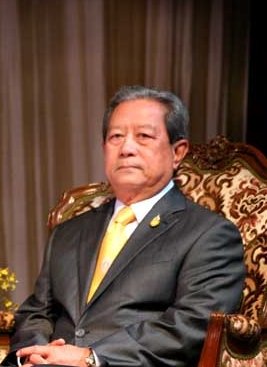
Surayud Chulanont
24th Prime Minister of Thailand, 2006–2008The former army commander and privy councillor appointed prime minister after the 2006 coup, who oversaw a new constitution and Thailand’s return to elected government.Read biography Thailand · Politics
1949—
Thaksin Shinawatra
Businessman and former prime ministerA telecommunications entrepreneur who became prime minister in 2001, transformed Thai electoral politics and remained influential through two decades of conflict.Read biography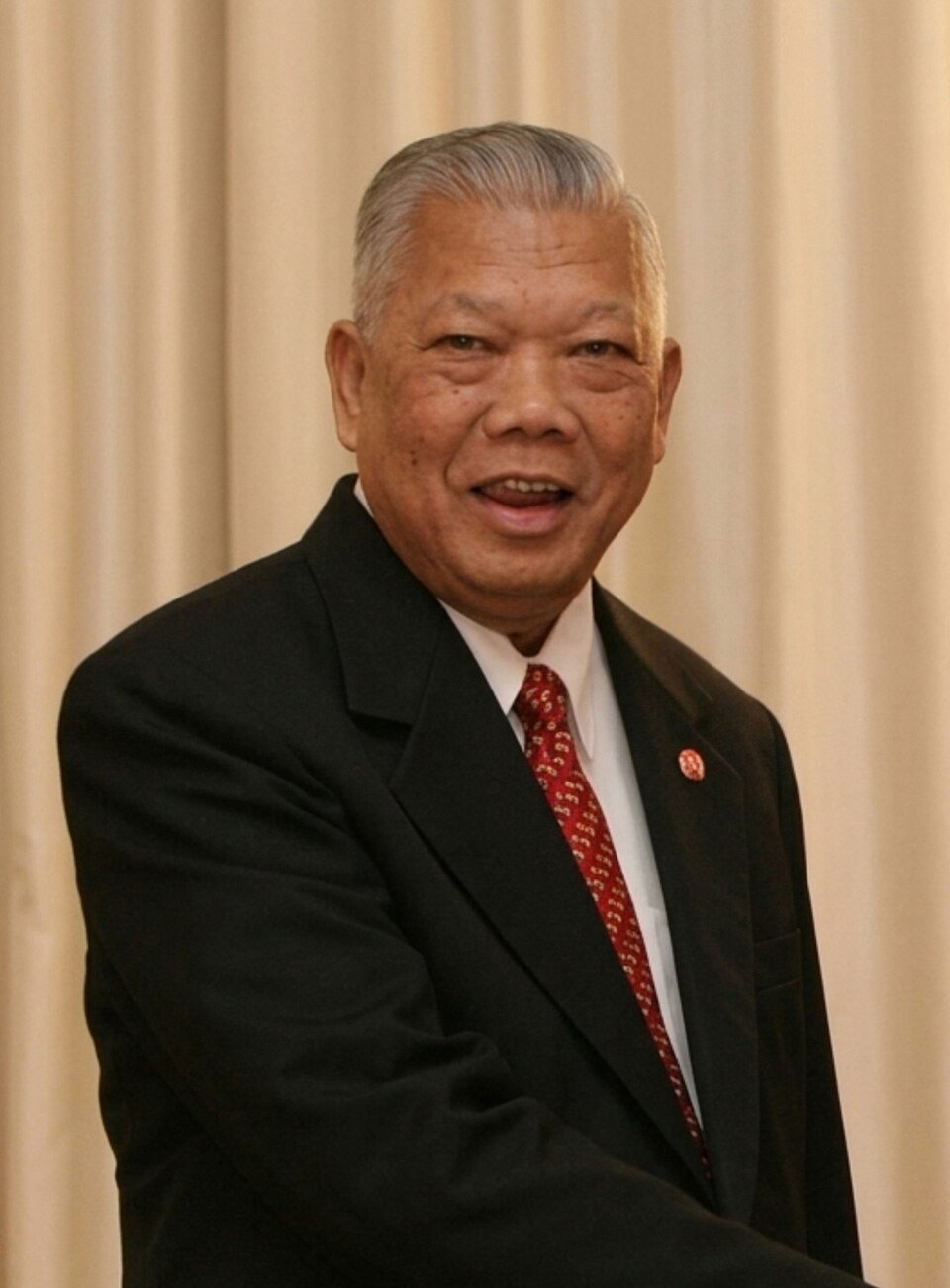 Thailand · Politics
1935—2009
Samak Sundaravej
25th Prime Minister of Thailand, January–September 2008The combative veteran politician, Bangkok governor and television cook who led the first elected government after the 2006 coup before a court ended his premiership.Read biography Thailand · Politics
1964—
Abhisit Vejjajiva
27th Prime Minister of Thailand, 2008–2011The Oxford-educated Democrat leader who became prime minister through a parliamentary coalition, launched crisis stimulus and governed during Thailand’s 2010 protest violence.Read biography Thailand · Politics
1927—2016
Bhumibol Adulyadej
King of Thailand, 1946–2016Thailand’s longest-reigning monarch, whose seven decades on the throne spanned rapid development, repeated political crises and profound social change.Read biography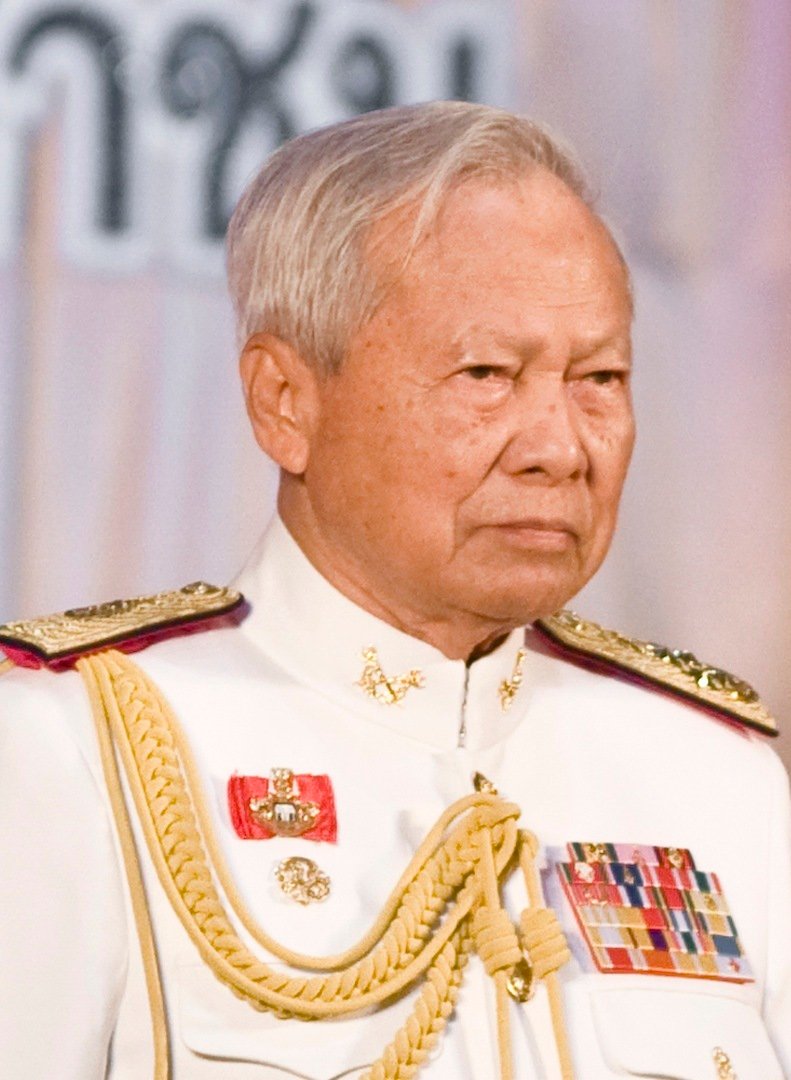 Thailand · Politics
1920—2019
Prem Tinsulanonda
16th Prime Minister of Thailand, 1980–1988The army commander who led Thailand through eight years of parliamentary coalition government before becoming a long-serving royal adviser and regent.Read biographyQuick answers
Common questions
- When was Thailand’s 2007 constitutional referendum?
- It was held on 19 August 2007, eleven months after the coup.
- What percentage approved the 2007 Constitution?
- The official result was 57.81 percent yes and 42.19 percent no among valid votes, with turnout of 57.61 percent.
- How many seats were in the 2007 Constitution’s House?
- The House had 480 members: 400 constituency MPs and eighty regional party-list MPs.
- Was the Senate fully elected?
- No. The 150-member Senate combined seventy-six elected provincial members with seventy-four selected members.
- When did the 2007 Constitution take effect?
- It was promulgated on 24 August 2007 and remained the permanent constitution until the 2014 coup.
Primary and institutional sources
How this history was checked
Dates, legal milestones and historical claims are checked against the official and institutional records below. This article was reviewed on 3 October 2026.
- WIPO LexConstitution of the Kingdom of Thailand, B.E. 2550 (2007)
- ConstitutionNet · International IDEAConstitutional history of Thailand
- International IDEADirect Democracy: The International IDEA Handbook
- Constitute ProjectThailand 2007 Constitution — full text and topics
- U.S. Department of StateThailand country report on human rights practices, 2007
- Wikimedia CommonsSurayud Chulanont portrait and licence record