
The short answer
Parti Warisan Sabah grew from Shafie Apdal’s 2016 break with UMNO into a multiracial regional party that governed Sabah after the 2018 election. It lost power to GRS in 2020, tested a national expansion in 2022 and returned as the largest single opposition party in 2025 with 25 seats and the statewide popular-vote lead.
Election record
Warisan’s major election results since 2018
The 2020 row separates party membership from the ballot logo: six DAP candidates used the Warisan ticket, so 29 ticket victories produced 23 Warisan assembly members.
| Election | Warisan seats | Geographic scope | Political outcome |
|---|---|---|---|
| 2018 Sabah state election | 21 of 60 | Sabah | Formed government with PH and UPKO support |
| 2018 federal election | 8 of 25 Sabah seats | Sabah parliamentary seats | Aligned with the new PH federal government |
| 2020 Sabah state election | 23 members · 29 Warisan-ticket winners | Sabah | Warisan Plus won 32; moved to opposition |
| 2022 federal election | 3 of 222 national seats | 52 candidates nationwide | All three victories came from Sabah |
| 2025 Sabah state election | 25 of 73 | Sabah | Popular-vote lead; principal opposition party |
Chronology
A timeline of the turning points
Shafie Apdal is removed from the federal cabinet
The Sabah UMNO vice-president lost his rural-development portfolio after questioning the government’s handling of the 1MDB controversy.
Shafie leaves UMNO
His departure opened the way for a new Sabah-based vehicle built around his Semporna network and former opposition organisers.
The Warisan name and logo are approved
The Registrar of Societies approved changes to an existing party, and Shafie publicly launched Parti Warisan Sabah with Darell Leiking as deputy president.
Warisan agrees electoral cooperation with PH
The regional party remained outside the national coalition but coordinated Sabah seats with DAP and PKR.
Warisan wins 21 seats and forms government
A 29–29 bloc tie was followed by defections from BN, allowing Shafie to be appointed chief minister.
Shafie obtains a snap-election dissolution
An attempted government change through defections sent the majority dispute back to Sabah voters.
Warisan Plus wins 32 seats but loses government
Warisan members held 23 seats, six DAP candidates won on its ticket, PKR won two and UPKO one; the GRS umbrella won 38.
Warisan expands into Peninsular Malaysia
The party opened a national phase while retaining its Sabah leadership, regional identity and MA63 emphasis.
Warisan wins three parliamentary seats
It contested 52 seats nationwide but all three victories came from its Sabah base.
Warisan wins 25 Sabah seats and the popular vote
The party finished four seats behind GRS despite receiving 2,314 more votes, becoming the assembly’s principal opposition force.
What is Parti Warisan Sabah?
Parti Warisan Sabah, commonly called Warisan, is a multiracial regional political party founded under its current identity in 2016. Former federal minister and Sabah UMNO vice-president Shafie Apdal is its founding president.
Warisan presents Sabah rights, MA63 implementation, multiracial representation, welfare and clean government as connected goals. Its official objectives also refer to Bumiputera protections, the legitimate rights of all communities and fair cooperation among Sabah, Sarawak and Peninsular Malaysia.
The party governed Sabah from May 2018 until September 2020. It later expanded organisationally beyond Sabah, but its elected strength and leadership remained centred in the state.
Why did Shafie Apdal create Warisan?
Shafie had represented Semporna since 1995, served in several federal ministries and risen to an UMNO vice-presidency. His dismissal from Najib Razak’s cabinet in July 2015 and departure from UMNO in July 2016 removed him from the party structure through which he had built that career.
Rather than join an existing opposition organisation, he took over and renamed Parti Pembangunan Warisan Sabah. A Registrar of Societies letter dated 13 October 2016 approved the Parti Warisan Sabah name and new sailing-ship logo, which Shafie announced four days later.
The founding group crossed earlier party lines. Darell Leiking came from PKR, Junz Wong from DAP and Jaujan Sambakong was an elected representative, giving Warisan networks among Muslim-bumiputera, Kadazandusun-Murut and Chinese voters from its beginning.
What does Warisan stand for?
Warisan’s official programme describes a multiracial rather than single-community party. The logo’s joined hands and colours are explained as symbols of unity among ethnic groups and between East and West Malaysia.
Its constitutional objectives include implementing Sabah’s rights under the Malaysia Agreement 1963, combating corruption, improving education, reducing poverty and supporting fair federal cooperation. Campaign language often compresses those ideas into a Sabah-first regional message.
Regionalism does not mean permanent separation from national partners. Warisan cooperated with PH in 2018 and 2020, explored nationwide organisation after 2021 and then contested the 2025 state election without a formal partner. Its strategy has therefore alternated between cooperation and autonomy.
How did Warisan rise so quickly in 2018?
Warisan entered its first general election less than two years after the new name was approved. It coordinated constituencies with DAP and PKR while remaining formally outside PH, allowing Shafie to offer both regional leadership and alignment with the national opposition.
The party won 21 of Sabah’s 60 state seats and eight parliamentary constituencies. With DAP’s six state seats and PKR’s two, the cooperating side matched BN’s 29 and left STAR’s two winners holding the immediate balance.
STAR first supported Musa Aman, but six BN-winning assembly members then shifted to Shafie. The Yang di-Pertua Negeri appointed Shafie on 12 May, and the gazetted cabinet combined Warisan, PH and UPKO figures.
What was the Warisan-led government?
Shafie’s administration ended fifteen years of Musa Aman’s leadership and aligned Sabah with the new PH federal government. Warisan held the chief ministership while allied parties participated in a multi-party cabinet.
The government emphasised Sabah-centred development and federal-state claims, but it operated in a highly fluid assembly. Party switches had helped create its majority, and changes in national government after the February 2020 political crisis altered the incentives facing its own supporters.
When Musa Aman claimed a new majority in July 2020, Shafie requested dissolution rather than accept a government change without an election. That decision created Warisan’s first attempt to defend state power directly at the ballot box.
Why did Warisan lose power in 2020?
Warisan Plus narrowly led ElectionData’s grouped alliance vote and won 32 seats, but the PN–BN–PBS umbrella called GRS won 38 and crossed the 37-seat majority threshold.
The official result recorded 29 victories under the Warisan ticket, but six of those winners were DAP candidates using its logo. Warisan itself supplied 23 assembly members, while PKR won two and UPKO one under their own labels.
Research by ISEAS pointed to GRS strength on the west coast, Warisan’s continued east-coast concentration, lower pandemic turnout and the effectiveness of different GRS partners in distinct constituency types. Hajiji Noor replaced Shafie as chief minister on 29 September.
Why did Warisan expand beyond Sabah?
Warisan announced a Peninsular Malaysia expansion in December 2021 and presented its multiracial regional experience as a possible national alternative. The move distinguished the party from Sabah organisations focused only on state contests.
At GE15 it fielded 52 parliamentary candidates nationwide, including 27 in Peninsular Malaysia. None of the peninsula candidates won, and the party returned three MPs, all from Sabah.
The result exposed a strategic tension. National expansion increased the party’s visibility and expressed its Malaysian objectives, but it also consumed resources without building an immediate electoral base outside Sabah.
How did Warisan perform in the 2025 Sabah election?
Warisan contested all 73 constituencies and won 25, four fewer than GRS. It received 288,703 votes, or 25.6 percent, compared with GRS’s 286,389 and 25.4 percent.
The party remained strong on the east coast and won major urban mixed seats. Shafie retained Senallang, while Warisan captured constituencies previously represented by candidates from DAP and other parties.
Twenty-five seats still left Warisan twelve short of a majority. Hajiji assembled a wider support arrangement first, so Warisan became the principal opposition despite leading the statewide popular vote.
Who leads Warisan?
Shafie Apdal has led the party since the Warisan name was launched in 2016. His long Semporna parliamentary base, federal cabinet experience and term as chief minister make the organisation unusually identified with one founder.
The party website’s leadership list is explicitly labelled for the 2022–2024 term and names Darell Leiking as deputy president, with Jaujan Sambakong, Junz Wong and other elected or appointed vice-presidents. Because the published term label is dated, it should not be treated as a permanent officeholder list.
Warisan’s constitution gives its annual general assembly the highest authority and creates a central supreme council, political bureau, state liaison bodies, parliamentary divisions, branches and women’s and youth wings. This structure extends beyond the founder even though Shafie remains its dominant public figure.
How is Warisan different from GRS, PBS and UPKO?
Warisan is a single party, while GRS is a coalition of several parties. This is why comparing Warisan’s 25 seats directly with GRS’s 29 in 2025 is valid at the ballot-label level but does not mean the organisations have the same internal structure.
PBS and UPKO emerged from earlier Kadazandusun political traditions and have participated in several coalitions. Warisan was built later as an explicitly multiracial party with a strong Muslim-bumiputera east-coast base and an ambition to compete across Sabah.
All four use regional language and advocate Sabah interests, but they differ over leadership, federal alignment and whether those aims are best pursued through a standalone party or a governing coalition. Those strategic differences explain much of Sabah’s post-2018 competition.
Continue the chronology
Related history guides
UPKO Sabah: History and Elections
Compare Warisan with the regional party that supported its government and later joined GRS.
Read the timeline9–12 May 2018The 2018 Sabah State Election
Read the 29–29 result and constitutional transition that first brought Warisan to government.
Read the timeline26–29 September 2020The 2020 Sabah State Election
See how Warisan Plus led the grouped vote but GRS won the 38-seat majority.
Read the timeline29 November–1 December 2025The 2025 Sabah State Election
Compare Warisan’s vote lead and 25 seats with the broader government formed by GRS.
Read the timeline2020–presentGabungan Rakyat Sabah: History and Parties
Understand the coalition that replaced Warisan and remained its leading state rival.
Read the timeline1985–presentParti Bersatu Sabah: History and Leaders
Compare Warisan’s rapid rise with Sabah’s earlier regional-party breakthrough.
Read the timeline1952–presentMalaysia’s Political Parties Explained
Place Warisan beside national coalitions and other Borneo-based parties.
Read the timelineBiography context
Explore Sabah, Malaysia through connected lives
Shafie Apdal
Follow the Semporna MP from federal cabinet service to Warisan’s founding and Sabah leadership.
Explore the biographiesRegional archiveInfluential People from Sabah
Explore the political figures, chief ministers and regional-party leaders surrounding Warisan’s rise.
Explore the biographiesConnected biographies
Ten biographies across Warisan’s rise and opposition era
1956—
Shafie Apdal
President of Parti Warisan and Member of Parliament for SempornaThe Semporna parliamentarian, former federal minister and Warisan founder who led Sabah from 2018 until the 2020 state election.Read biography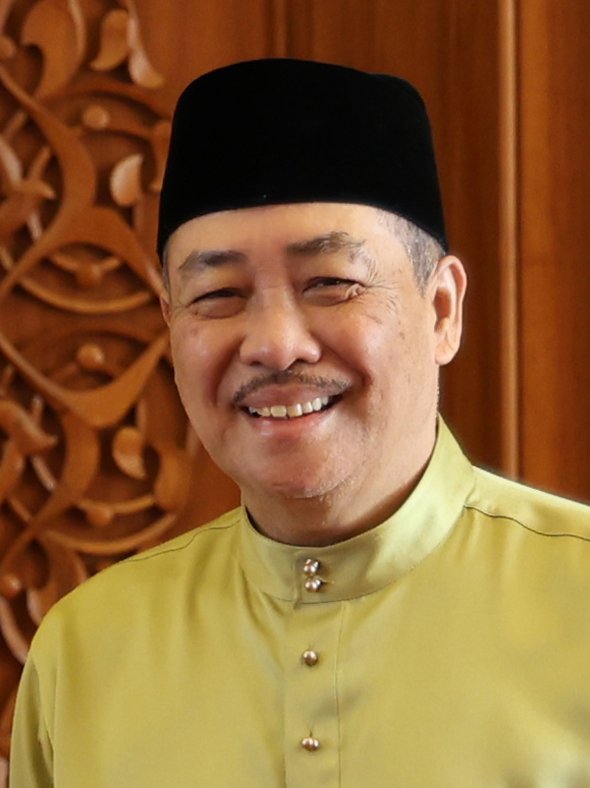
1955—
Hajiji Noor
Chief Minister of Sabah and Chairman of Gabungan Rakyat SabahThe long-serving Sulaman assemblyman who became Sabah chief minister in 2020 and won a second term at the 2025 state election.Read biography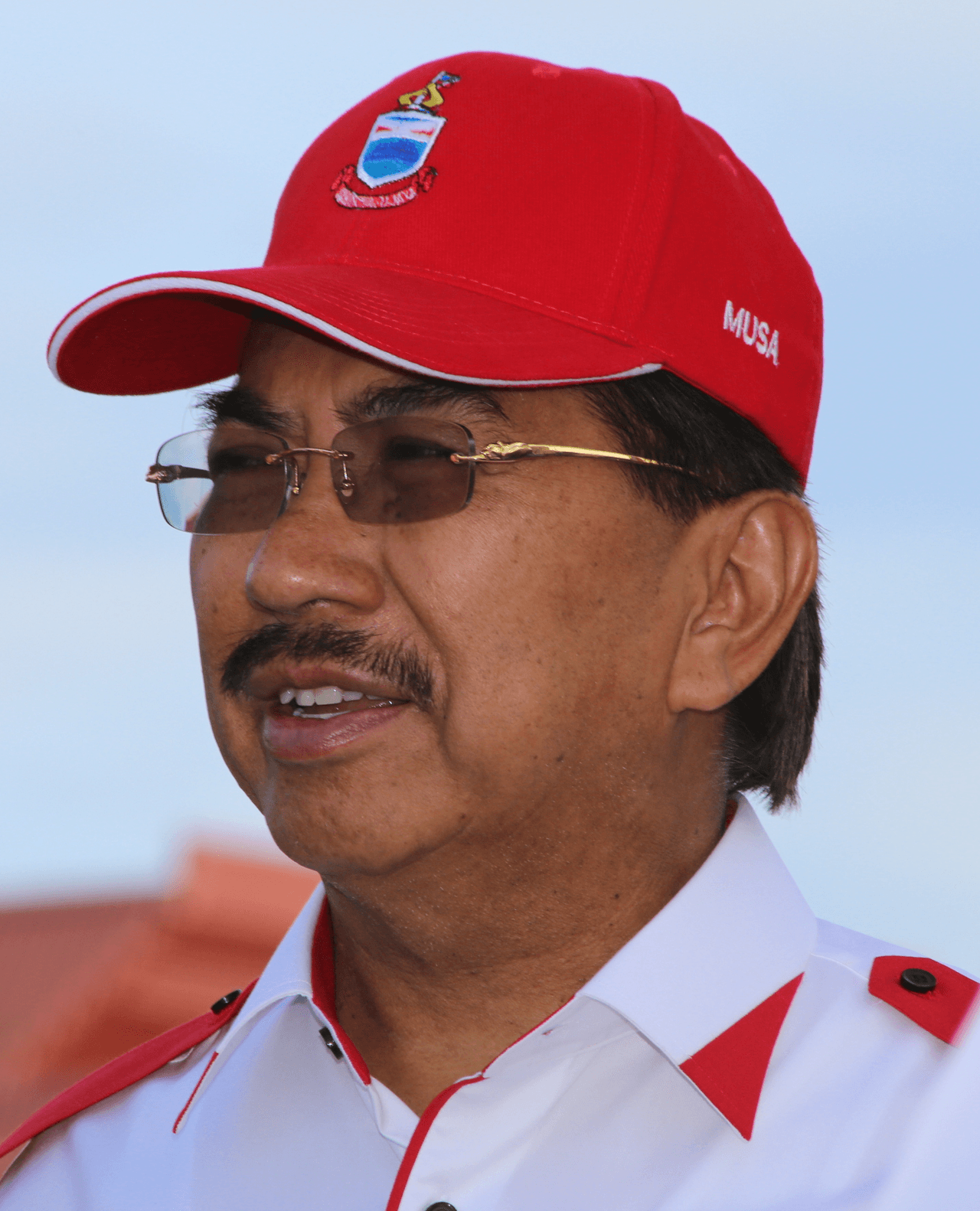
1951—
Musa Aman
Yang di-Pertua Negeri of SabahThe former Sungai Sibuga assemblyman who led Sabah for fifteen years, contested the 2018 transition and returned as Yang di-Pertua Negeri.Read biography
1983—
Ewon Benedick
Deputy Chief Minister of Sabah and President of UPKOThe Penampang MP and Kadamaian assemblyman who leads UPKO and became Sabah’s Deputy Chief Minister III after the 2025 state election.Read biography
1948—
Jeffrey Kitingan
President of STAR and Member of Parliament for KeningauThe Keningau MP, Tambunan assemblyman and STAR founder whose long career centres on Sabah autonomy, MA63 and Indigenous political representation.Read biography
1958—
Wilfred Madius Tangau
Member of Parliament for Tuaran and Assemblyman for TamparuliThe forester and development researcher who became a long-serving Tuaran MP, led UPKO and won a second elected mandate in Tamparuli in 2025.Read biography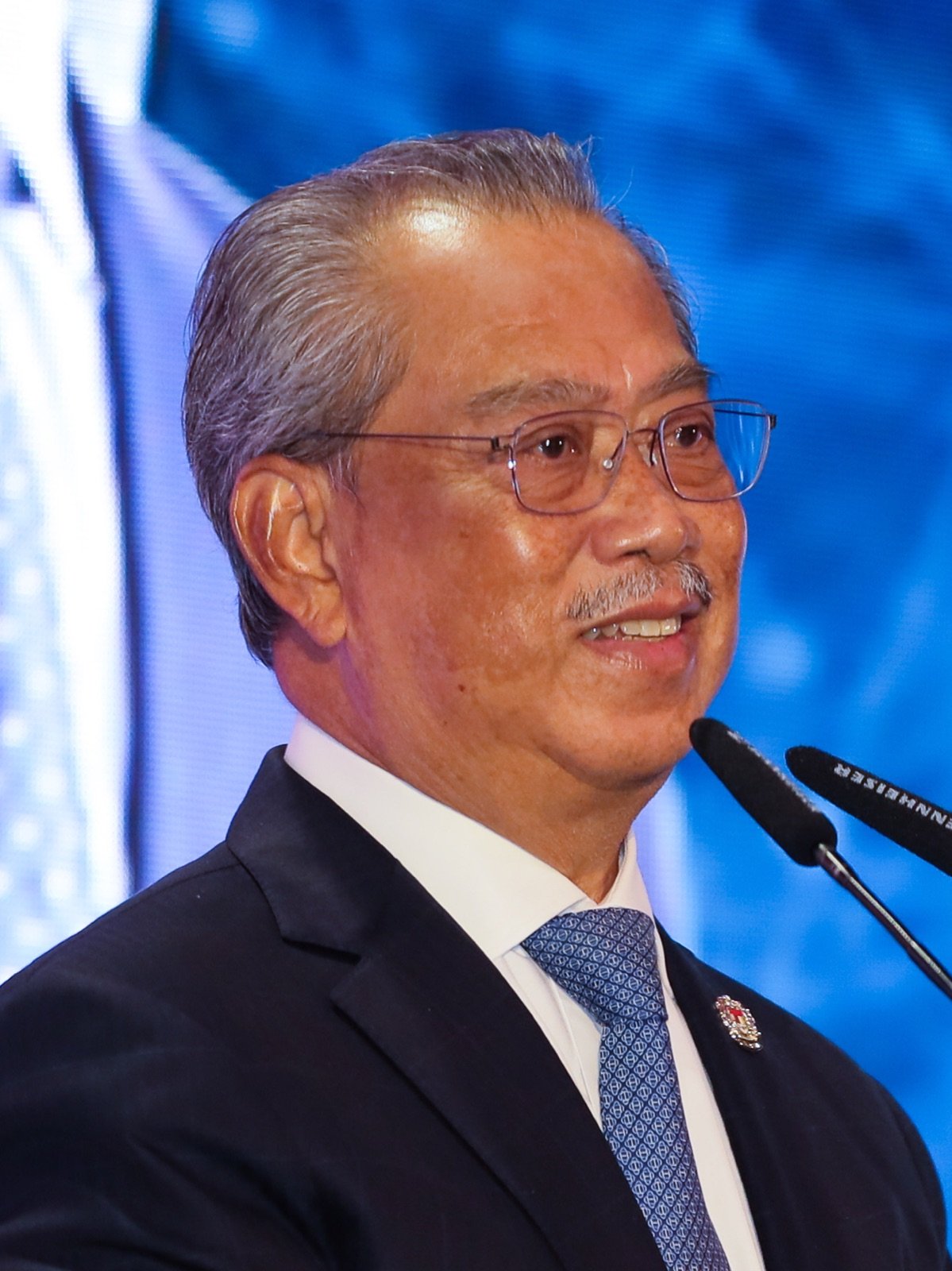
1947—
Muhyiddin Yassin
Eighth Prime Minister of MalaysiaA veteran Johor politician who became prime minister after the 2020 coalition crisis and governed through the most disruptive phase of the pandemic.Read biography
1953—
Najib Razak
Sixth Prime Minister of MalaysiaA political heir who led Malaysia for nine years before an historic election defeat and convictions in the SRC International and main 1MDB cases.Read biography
1925—
Mahathir Mohamad
Fourth and seventh Prime Minister of MalaysiaA physician-politician whose two premierships—separated by fifteen years—made him the longest-serving and one of the most consequential leaders in Malaysian history.Read biography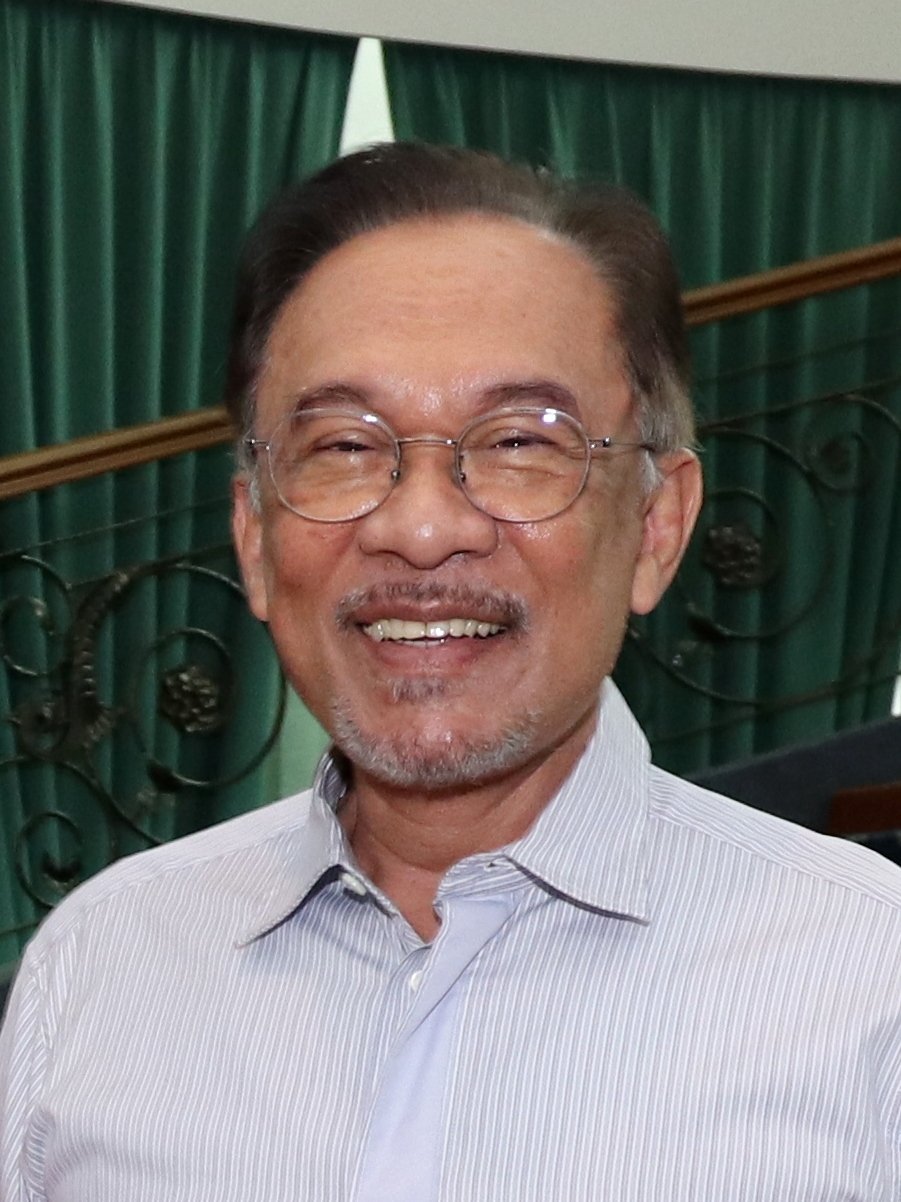
1947—
Anwar Ibrahim
Tenth Prime Minister of MalaysiaA student activist turned government minister, opposition leader and Malaysia’s tenth prime minister after one of the longest routes to national office.Read biographyQuick answers
Common questions
- When was Parti Warisan Sabah founded?
- The Registrar of Societies approved the current name and logo in October 2016, and Shafie Apdal announced Parti Warisan Sabah on 17 October.
- Who founded and leads Warisan?
- Former federal minister and Sabah chief minister Shafie Apdal is the party’s founding president.
- Is Warisan a member of Pakatan Harapan?
- No. Warisan cooperated electorally with PH in 2018 and 2020 but remained a separate party.
- How many seats did Warisan win in 2018?
- Warisan won 21 Sabah state seats and eight parliamentary seats in the 2018 general election.
- How many seats did Warisan win in 2020?
- Warisan members won 23 seats. The official Warisan ticket won 29 because six DAP candidates also used its logo; Warisan Plus won 32 in total.
- How many parliamentary seats did Warisan win in GE15?
- Warisan won three Dewan Rakyat seats in 2022 after fielding 52 candidates nationwide.
- How many seats did Warisan win in 2025?
- Warisan won 25 of Sabah’s 73 elected seats and received 288,703 votes, the largest party vote total.
- Was Shafie Apdal chief minister?
- Yes. He served as Sabah chief minister from 12 May 2018 until the 2020 election transfer.
- Is Warisan only a Sabah party?
- Its roots, leadership and elected base are in Sabah, but it expanded organisationally into Peninsular Malaysia in 2021 and contested seats nationwide in 2022.
Primary and institutional sources
How this history was checked
Warisan’s own site establishes its stated objectives and organisation; Registrar-approval reporting fixes the 2016 launch; Election Commission, ElectionData and Gazette records establish election and appointment facts; Bernama and ISEAS document national expansion, parliamentary results and the 2020 defeat. This article was reviewed on 4 October 2026.
- Parti WarisanOfficial Party History, Objectives and Symbolism
- Parti WarisanParty Organisation and Leadership Structure
- New Straits TimesShafie’s Party Name and Logo Approved as Parti Warisan Sabah
- ElectionData.mySabah 2018 State Election Results
- Sabah State GazetteAppointment of Shafie Apdal as Chief Minister, 12 May 2018
- Election Commission of MalaysiaFull Results of the 16th Sabah State Election, 2020
- BernamaGE15 Ends in a Hung Parliament: Final Party Totals
- Election Commission of MalaysiaFull Results of the 17th Sabah State Election, 2025
- ISEAS – Yusof Ishak InstituteThe Fall of Warisan in Sabah’s Election
- Wikimedia CommonsShafie Apdal Portrait and CC BY 3.0 Record