The short answer
Joko Widodo’s narrow victory over Prabowo Subianto created Indonesia’s first president from outside the senior military and established national political families. Official recapitulation and a Constitutional Court ruling converted a polarised campaign and competing claims into a lawful transfer.
Chronology
A timeline of the turning points
Legislative elections produce a fragmented parliament
PDI-P led the vote without dominating the chamber, making coalition building essential for nomination and government.
Two broad coalitions nominate their tickets
PDI-P and allies backed Joko Widodo–Jusuf Kalla; Gerindra, Golkar and partners backed Prabowo Subianto–Hatta Rajasa.
Voters choose between two presidential tickets
Competing quick counts produced a tense election night before credible organisations converged on a narrow Jokowi lead.
KPU declares Jokowi the winner
The national recapitulation recorded 70,997,833 votes for Jokowi–Kalla and 62,576,444 for Prabowo–Hatta.
Prabowo–Hatta challenge the result
The ticket asked the Constitutional Court to reject or revise the KPU outcome, alleging extensive irregularities.
The Constitutional Court rejects the petition
The Court left the 53.15 to 46.85 per cent result in force after hearing the evidence and responses.
Jokowi becomes Indonesia’s seventh president
The former Surakarta mayor and Jakarta governor took office after SBY completed two terms.
Why did the 2014 election look like a political realignment?
Susilo Bambang Yudhoyono could not seek a third term, and neither presidential candidate was the head of the outgoing government. Joko Widodo, widely known as Jokowi, had moved from mayor of Surakarta to governor of Jakarta through a public image built around local delivery and direct visits known as blusukan.
Prabowo Subianto offered a contrasting route to power. A former special-forces commander and former son-in-law of Suharto, he founded Gerindra and campaigned around decisive leadership, economic nationalism and restoration of state authority. The choice connected Reformasi-era electoral competition to unresolved arguments about the New Order.
How were the coalitions formed?
PDI-P nominated Jokowi despite Megawati Sukarnoputri’s continued authority inside the party. Jusuf Kalla, vice president from 2004 to 2009 and former Golkar chair, supplied national experience and links beyond PDI-P’s core organisation.
Prabowo partnered with Hatta Rajasa, an outgoing coordinating minister and PAN chair. Their coalition initially commanded more parliamentary parties than Jokowi’s alliance, creating the prospect of a president beginning with an opposition majority in the legislature.
What issues shaped the campaign?
Jokowi presented managerial reform, public services and his non-elite biography. Prabowo stressed food and energy sovereignty, stronger executive direction and national control of resources. Both campaigns relied on television, volunteers and fast-growing social media networks.
The campaign also exposed vulnerabilities that would intensify later: identity-based rumours, coordinated disinformation and sharply different narratives about candidates’ pasts. Questions about Prabowo’s military record and dismissal remained central, while false claims about Jokowi’s religion and ancestry circulated widely.
What were the official results?
The KPU recorded 70,997,833 votes for Joko Widodo and Jusuf Kalla, equal to 53.15 per cent. Prabowo Subianto and Hatta Rajasa received 62,576,444, or 46.85 per cent. The difference was 8,421,389 votes.
The geographic map was divided rather than uniform. Jokowi performed strongly in much of Java outside the west, Bali, parts of Kalimantan, Sulawesi and eastern Indonesia, while Prabowo built majorities across western provinces and West Java. The result demonstrated a national victory assembled from distinct regional coalitions.
How was the dispute resolved?
Prabowo announced his withdrawal from the ongoing recapitulation process before the KPU completed its declaration, but the legal route remained a petition to the Constitutional Court. His ticket alleged structured irregularities and asked for extensive correction or a new vote.
On 21 August, the Court rejected the petition in Decision No. 01/PHPU.PRES-XII/2014. The ruling confirmed the KPU outcome and allowed the transition calendar to continue. Legal finality did not erase partisan division, but it prevented competing quick-count claims from becoming rival claims to office.
What did Jokowi’s victory represent?
Jokowi became the first Indonesian president who did not emerge from the senior military ranks or the country’s established national political families. His municipal-to-national trajectory expanded the imaginable path to the presidency and rewarded a style focused on visibility and delivery.
His coalition later widened, and former opponents entered government. That flexibility reduced legislative confrontation but also blurred the boundary between governing and opposition. The same two presidential rivals returned in 2019, making 2014 the opening contest of a decade-long relationship between electoral competition and later accommodation.
Continue the chronology
Related history guides
The 2009 Presidential Election
See how SBY’s reelection positioned the figures and parties that competed to succeed him.
Read the timeline17 April 2019The 2019 Presidential Election
Continue to the Jokowi–Prabowo rematch under simultaneous national voting.
Read the timelineFive election guidesIndonesian Presidential Elections
Compare every direct presidential result and its constitutional dispute.
Read the timelineEight biographiesIndonesian Presidents
Connect the campaign to the administrations before and after it.
Read the timelineConnected biographies
Five leaders connecting nomination, succession, party strategy and the disputed result
 Indonesia · Politics
1961—
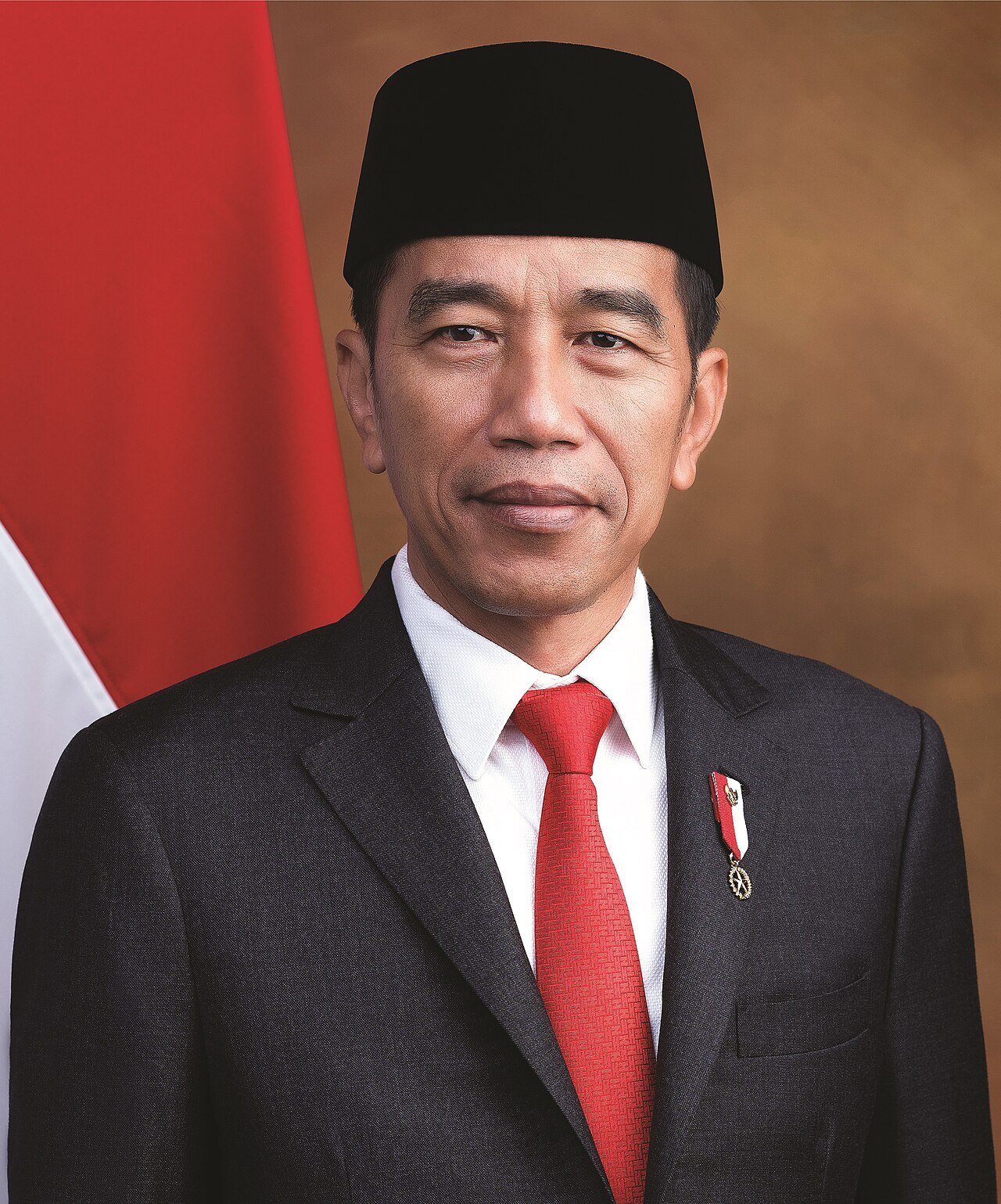
Joko Widodo
Seventh president of Indonesia and PSI memberIndonesia’s seventh president, a former furniture exporter and city mayor whose decade in office reshaped infrastructure, industry and succession.Read biography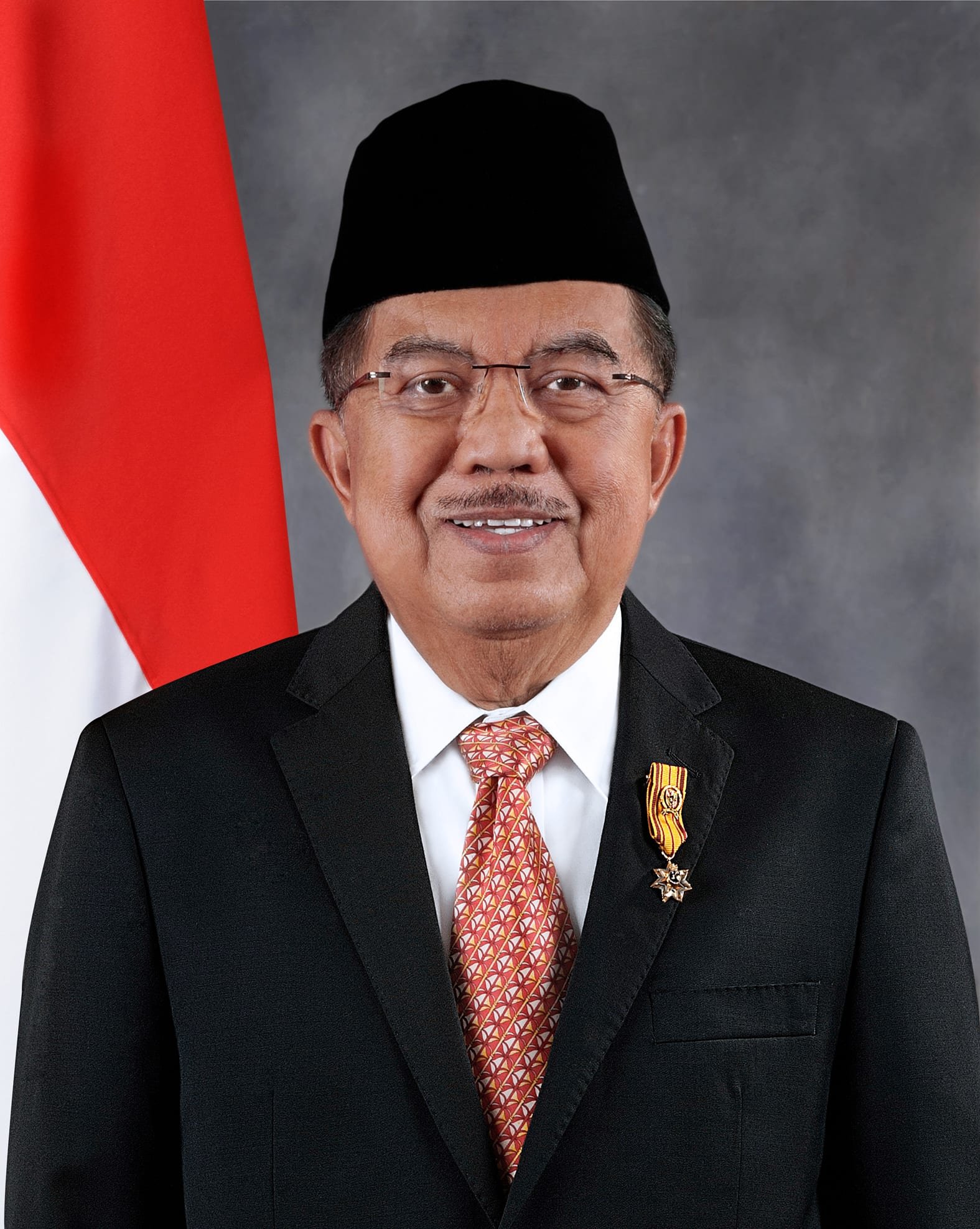 Indonesia · Politics
1942—
Jusuf Kalla
10th and 12th Vice President of IndonesiaThe businessman, Golkar leader and two-time vice president who helped negotiate peace processes from Maluku and Poso to Aceh.Read biography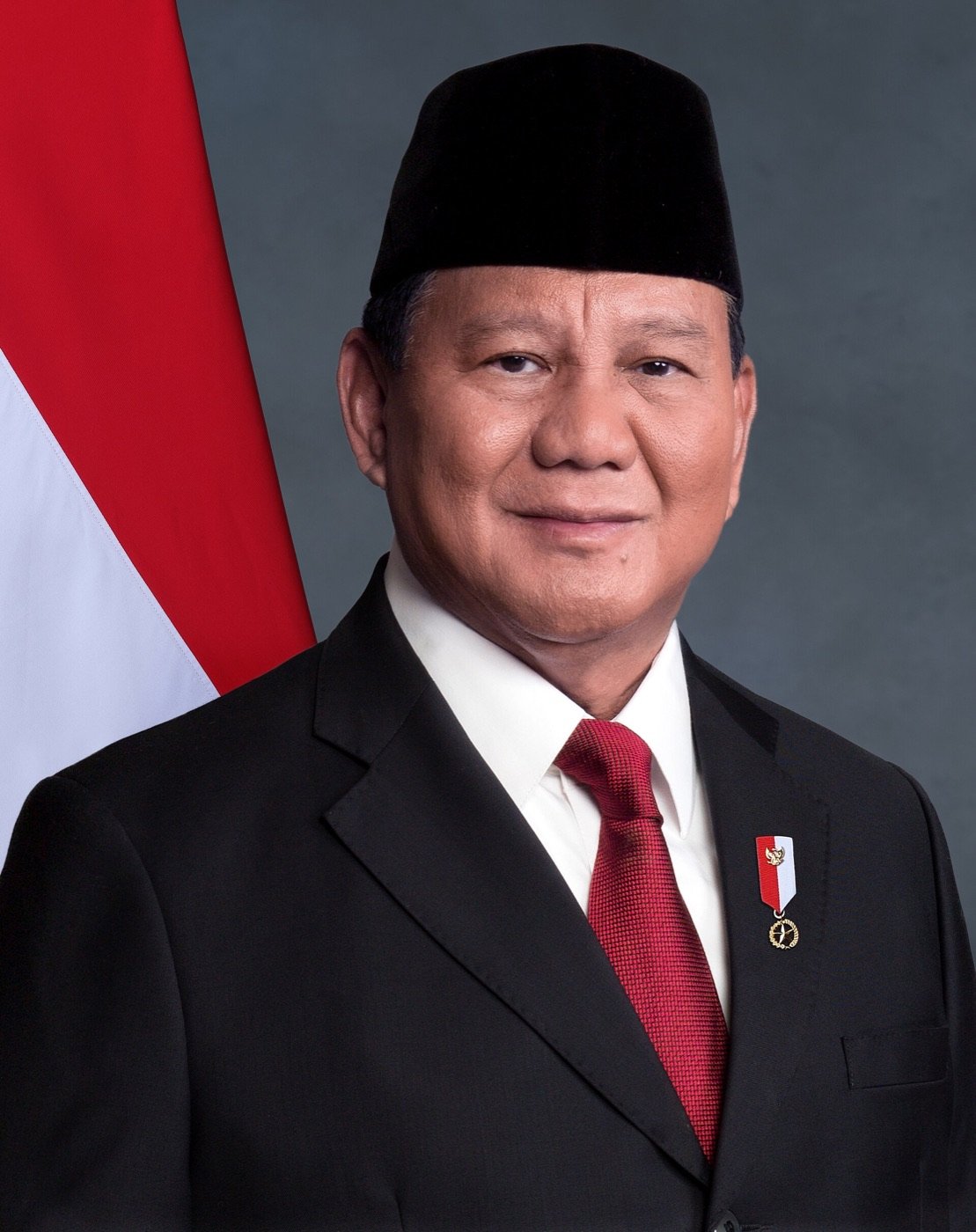 Indonesia · Politics
1951—
Prabowo Subianto
Eighth President of IndonesiaThe former special-forces commander and defence minister who won Indonesia’s 2024 election and became its eighth president.Read biography Indonesia · Politics
1949—
Susilo Bambang Yudhoyono
Sixth President of IndonesiaThe retired general known as SBY who won Indonesia’s first direct presidential election and led the country from 2004 to 2014.Read biography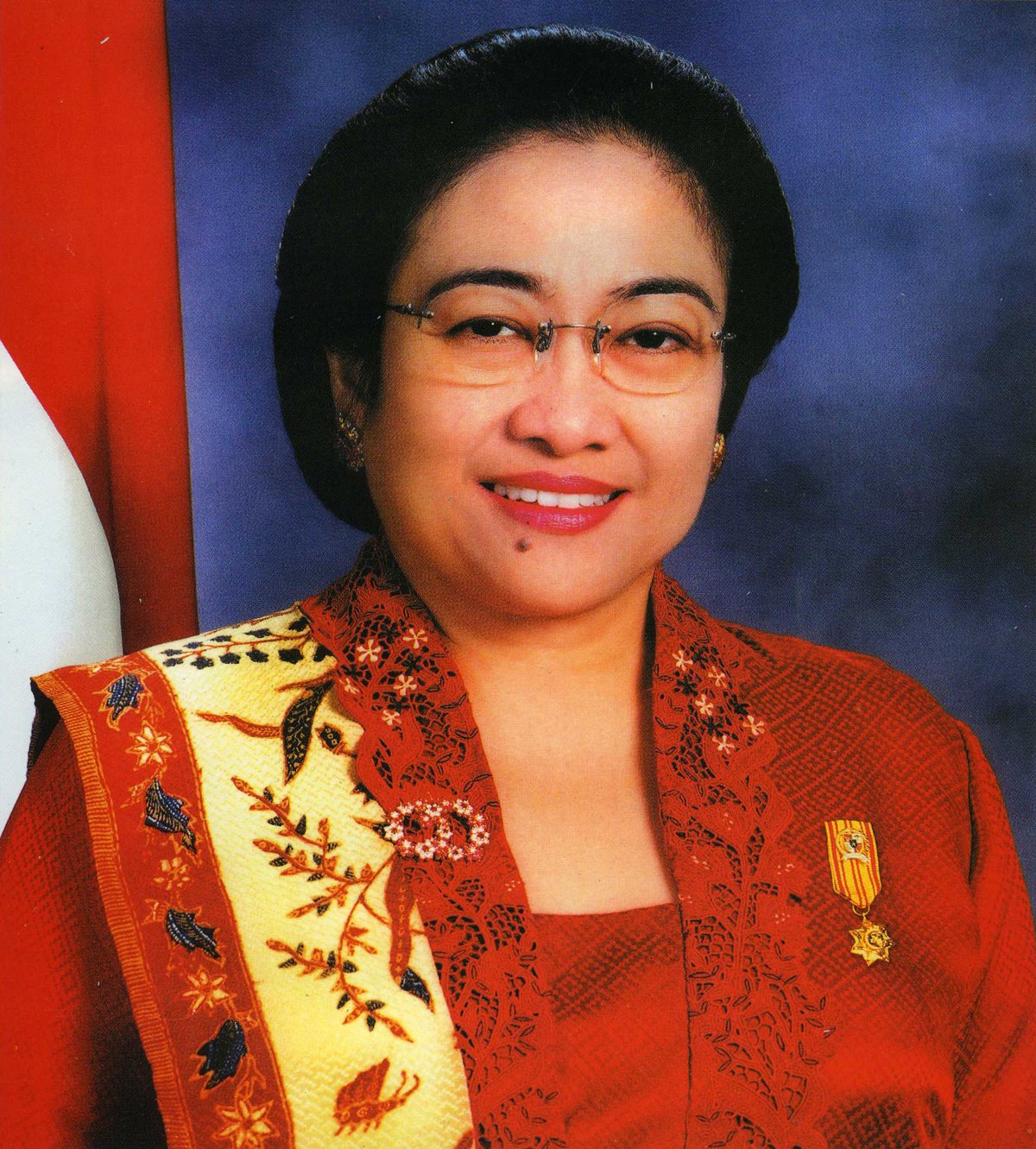 Indonesia · Politics
1947—
Megawati Sukarnoputri
Former president of Indonesia and chair of PDI-PIndonesia’s first woman president, an opposition symbol under Suharto and the PDI-P chair who remains central to post-Reformasi politics.Read biographyQuick answers
Common questions
- Who won Indonesia’s 2014 presidential election?
- Joko Widodo and Jusuf Kalla won 70,997,833 votes, or 53.15 per cent of the valid national total.
- How many votes did Prabowo receive in 2014?
- Prabowo Subianto and Hatta Rajasa received 62,576,444 votes, or 46.85 per cent.
- Did the Constitutional Court change the 2014 result?
- No. The Court rejected the Prabowo–Hatta petition on 21 August 2014 and left the KPU result in force.
- Why was Jokowi’s 2014 victory historically important?
- He was the first Indonesian president to rise from local elected office without belonging to the senior military or an established national political family.
Primary and institutional sources
How this history was checked
Dates, legal milestones and historical claims are checked against the official and institutional records below. This article was reviewed on 3 October 2026.
- General Elections Commission of IndonesiaPemilu 2014
- General Elections Commission of IndonesiaKPU certifies the 2014 presidential result
- General Elections Commission of IndonesiaSuara KPU: official totals and election chronology
- Constitutional Court of the Republic of Indonesia2014 presidential election result dispute record
- National Archives of the Republic of IndonesiaPresidenpedia: Joko Widodo