
The short answer
Burma’s independence emerged from three linked processes: negotiation with Britain, an agreement between the interim government and several frontier-area leaders, and constitution-making after the assassination of Aung San. Sovereignty arrived on a fixed date; agreement about the union remained incomplete.
Chronology
A timeline of the turning points
Aung San–Attlee agreement
The British government and Burma’s Executive Council agreed a route to a constituent assembly and transfer of power.
Panglong Agreement signed
Shan, Kachin and Chin representatives agreed cooperation with the interim government on stated terms.
Constituent-assembly election
The AFPFL won an overwhelming majority, though participation and opposition varied.
Aung San assassinated
Gunmen killed Aung San and cabinet colleagues at the Secretariat in Rangoon.
Constitution adopted
The constituent assembly completed the framework for the Union of Burma.
Independence Act became law
The UK statute set 4 January 1948 as the appointed day.
Union of Burma became independent
Sao Shwe Thaik became president and U Nu prime minister.
What did Britain and Aung San agree in January 1947?
Aung San led an Executive Council delegation to London as Britain accepted that Burma should choose its own constitutional future. The agreement with Prime Minister Clement Attlee provided for a constituent-assembly election, wider Burmese control of government and negotiations toward transfer of power.
The talks were decisive but not universally accepted. Some Burmese politicians rejected Aung San’s authority or the settlement’s terms, while the constitutional position of the frontier areas still required separate negotiation.
What was the Panglong Agreement?
At Panglong on 12 February, representatives of the interim Burmese government and Shan, Kachin and Chin communities agreed to cooperate in accelerating independence. The text provided for a frontier-areas counsellor, representation in the Executive Council and financial autonomy arrangements.
Panglong is often remembered as a founding promise of equality and federal union. The signed document was narrower than later political symbolism, however, and not every ethnic community was represented. Its meaning remains central precisely because later conflict exposed how much the constitutional bargain left unresolved.
How did assassination change the transition?
The AFPFL dominated the April election and Aung San appeared likely to lead the new state. On 19 July, assassins killed him and six cabinet colleagues during a meeting at the Secretariat. U Saw, a political rival and former prime minister, was later convicted over the plot.
U Nu assumed leadership of the government while the constituent assembly completed its work. Independence therefore arrived without the politician who had negotiated its timetable and held together much of the coalition behind it.
When did Burma become independent?
The Burma Independence Act named 4 January 1948 as the appointed day on which the country would cease to be part of the British monarch’s dominions. The new Union of Burma did not join the Commonwealth.
Sao Shwe Thaik became the first president and U Nu the first prime minister. Communist rebellion, ethnic armed conflict and administrative weakness challenged the union almost at once, making independence both a completed transfer of sovereignty and the start of an unfinished argument about the state itself.
Continue the chronology
Related history guides
Burma’s Separation and Independence Dates
Understand what changed in 1937 and why sovereignty arrived in 1948.
Read the timeline1962—1988The 1962 Coup and Burmese Way to Socialism
See how the army ended the parliamentary order created at independence.
Read the timeline1988The 8888 Uprising
Follow the mass movement that ended the socialist party state but not military rule.
Read the timeline2008—todayMyanmar’s 2008 Constitution Explained
Compare the founding federal settlement with the military-designed constitutional order.
Read the timeline1948—2026Myanmar Presidents and Heads of State
Follow the presidency created at independence through military councils, acting officeholders and the disputed post-coup order.
Read the timelineConnected biographies
Four lives connecting independence, union government and postcolonial diplomacy
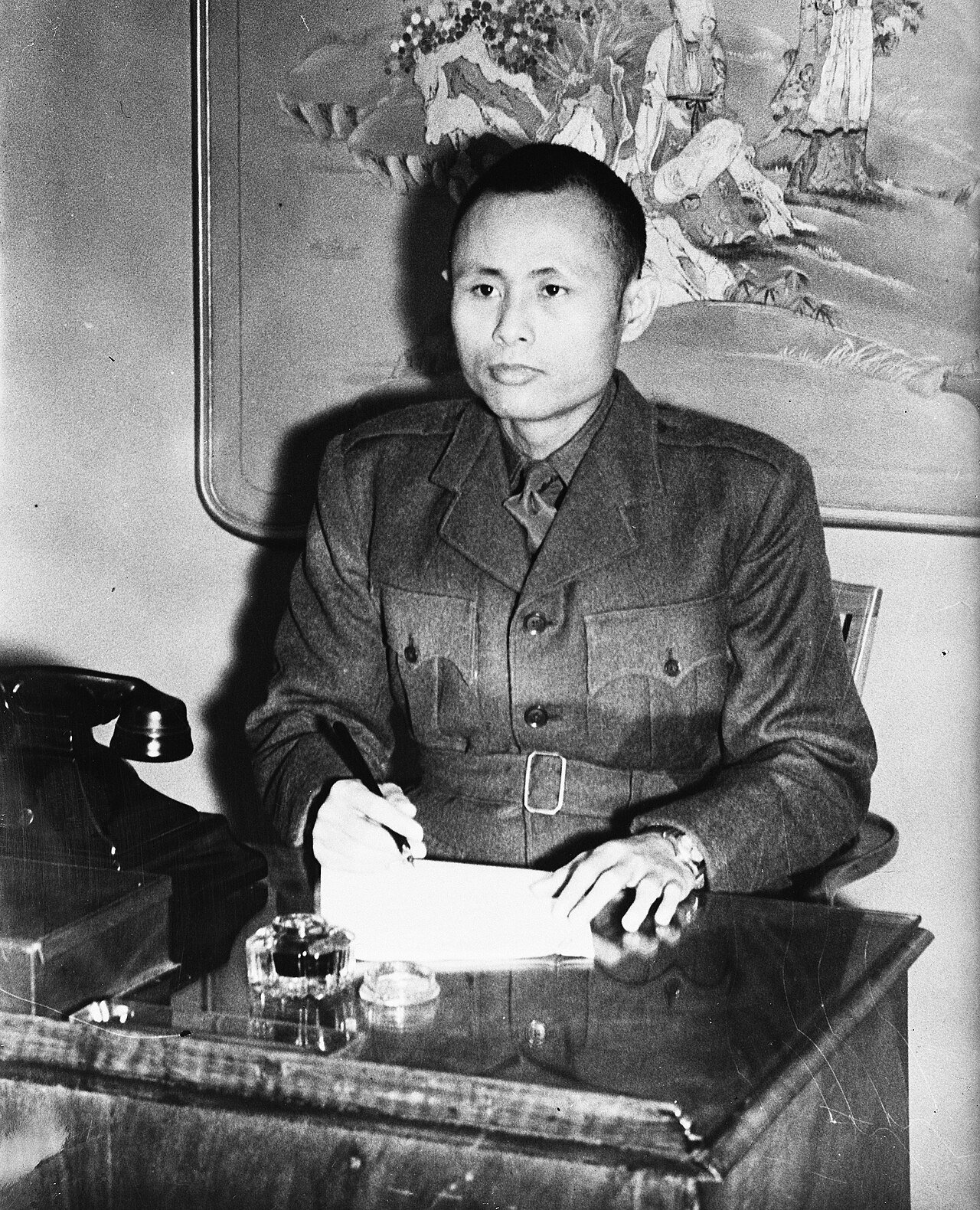
1915—1947
Aung San
Independence leader and architect of modern BurmaThe nationalist organiser and military leader who negotiated Burma’s route to independence but was assassinated before sovereignty arrived.Read biography
c. 1895—1962
Sao Shwe Thaik
First president of the Union of BurmaThe saopha of Yawnghwe who helped bring Shan participation into the Panglong settlement and became the independent union’s first head of state.Read biography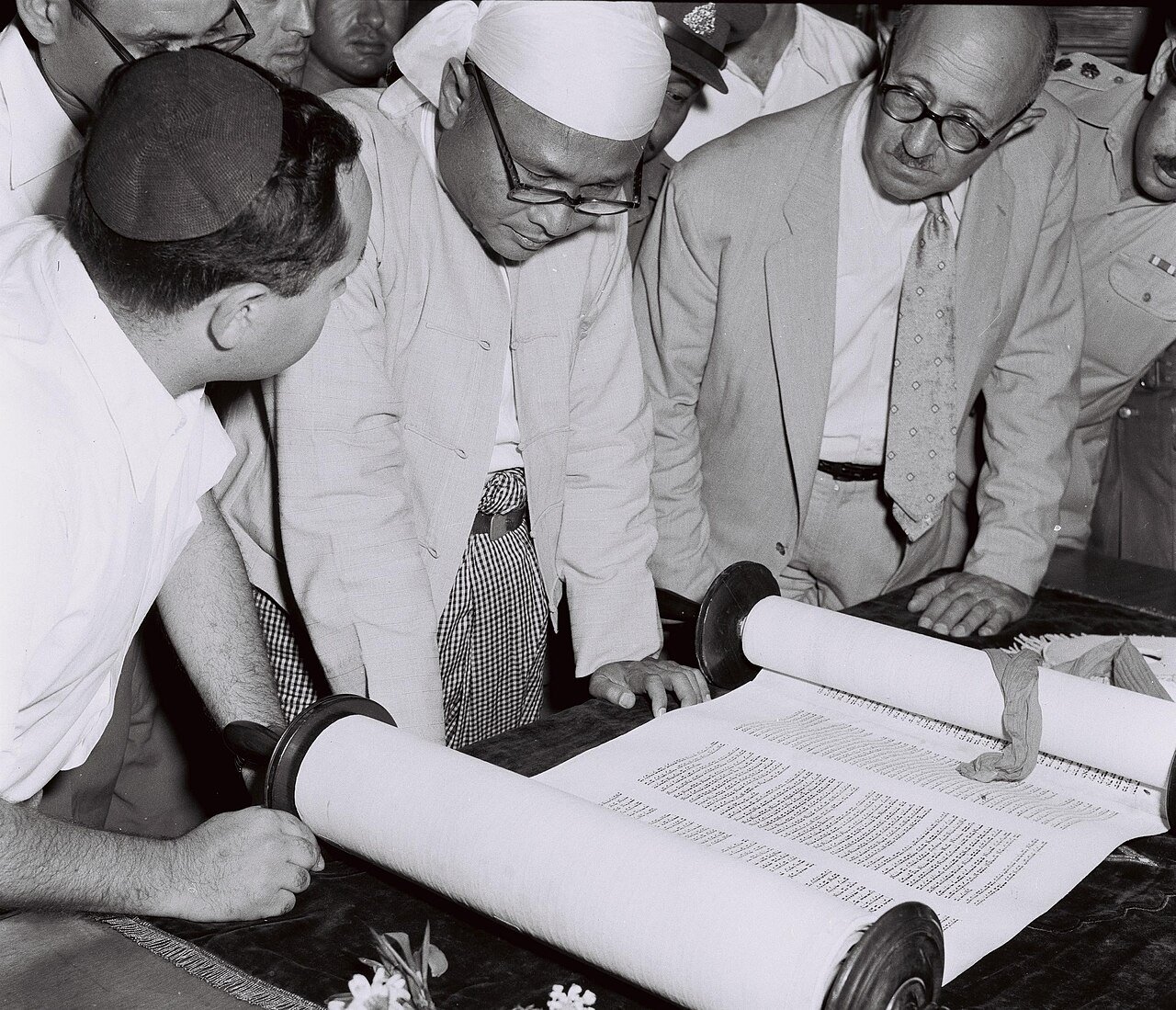
1907—1995
U Nu
First prime minister of independent BurmaThe writer, student activist and AFPFL politician who became independent Burma’s first prime minister and the central civilian leader of its parliamentary era.Read biography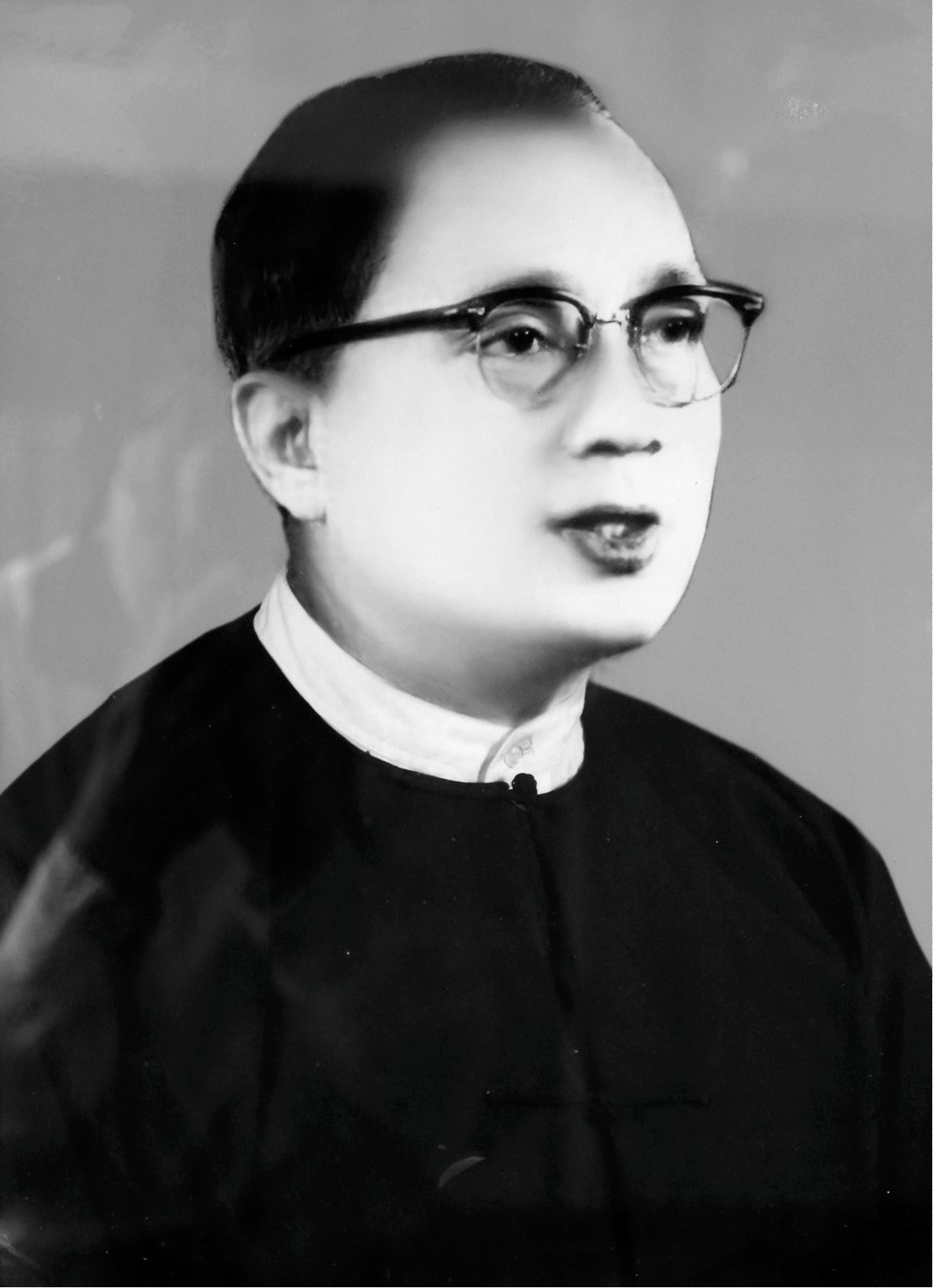
1909—1974
U Thant
Third secretary-general of the United NationsThe teacher and Burmese diplomat who became the first non-European UN secretary-general and led the organisation from 1961 through 1971.Read biographyQuick answers
Common questions
- When did Burma gain independence?
- The Union of Burma became independent from British rule on 4 January 1948.
- Who negotiated Burma’s independence?
- Aung San led the crucial negotiations with Britain in January 1947, supported by the AFPFL-led Executive Council.
- What was the Panglong Agreement?
- It was a 12 February 1947 agreement between the interim government and Shan, Kachin and Chin representatives on cooperation, representation and frontier-area autonomy.
- Who led Burma at independence?
- Sao Shwe Thaik became president and U Nu became prime minister. Aung San had been assassinated in July 1947.
- Did independent Burma join the Commonwealth?
- No. The 1948 Union of Burma became a republic outside the Commonwealth.
Primary and institutional sources
How this history was checked
Dates, legal milestones and historical claims are checked against the official and institutional records below. This article was reviewed on 4 October 2026.