
The short answer
Across Asia on the Cheap was not originally a plan for a worldwide publishing company. It was a small attempt to make practical information useful to people preparing a particular journey. The business question is how that information became something that could be produced, distributed and renewed—not simply how its authors completed their own trip.
Chronology
A timeline of the turning points
The journey begins
The couple sets off from England; material for the later guide develops during travel.
Production in Sydney
The couple assembles and sells the first guide.
Another research cycle
Further travel precedes the next substantial title.
An organisation beyond the founders
Business management and staff become necessary as publishing continues.
The opportunity was a practical question, not an invented desire to travel
The Wheelers set off in 1972, travelled across Asia and spent time in Sydney. People wanted to know how they had travelled, where they had stayed and how the route worked. Their later accounts locate the opportunity in those questions. They did not need to create curiosity about Asia from nothing; they needed to organise information for travellers who already wanted to go.
That makes the first guide a specific product rather than merely a memoir offered for sale. Its usefulness depended on a reader being able to do something with the material. The relevant audience was also narrower than everyone who travelled: people seeking practical, budget-conscious independence had different questions from customers buying a fully organised holiday.
Self-publication joined editorial choices to physical labour
The 1973 production was based in Sydney, according to Tony’s specific later recollection. The founders prepared and assembled the booklet themselves. Literary Hub’s account of the publishing decision also describes work fitted around the office jobs they had taken after arrival.
A manuscript alone could not satisfy demand. Someone had to turn it into copies, decide what fitted and handle the repetitive work of assembly. Maureen’s production role is consequently central to explaining the first product. Calling the enterprise an accidental success can conceal the deliberate, ordinary labour required between having a useful idea and placing a finished book in someone’s hands.
Booksellers provided a route from experience to paying readers
The founders’ published conversation at London Business School recalls approaching local bookshops directly. They had neither an established publisher’s recognition nor its sales organisation. A bookseller’s willingness to try a small number of copies was therefore a practical connection between the new product and an audience beyond their immediate acquaintances.
This was a distribution problem as much as a writing achievement. The knowledge was useful only if prospective readers could find it before leaving. Direct contact also exposed the product to a simple test: another person had to believe that someone would want to buy it. Later recollections of early publicity illuminate the process without supplying an independently audited sales series.
Sources for this section: [3]
A second guide required another cycle of work
After further travel, South-East Asia on a Shoestring appeared in 1975. This mattered because a continuing publishing venture needed more than a successful first account. Another title demonstrated that experience could be gathered and organised again, rather than exhausting the business’s material with one memorable journey.
Repeatability carried continuing obligations. Routes, services and costs change, so a practical guide ages differently from a narrative whose principal subject is what happened to its author. A growing list meant more research, editorial judgement and coordination. It explains why the founders eventually needed staff and management rather than simply spending all their time travelling and writing together.
The useful format also shaped what travellers saw
James Brooke-Smith’s historical interpretation connects the guides with the expansion of backpacking and global tourism. A book that made an unfamiliar route easier could also channel people towards shared recommendations. Independence from a package tour did not mean independence from the publisher’s selections.
The first guide’s importance is therefore not that it invented travel or offered timeless instructions. It joined an audience, a manageable physical product and a developing distribution system. Its later influence invites scrutiny as well as admiration: the same editorial authority that made journeys more approachable could narrow attention to a familiar circuit, leaving other experiences and local perspectives less visible.
Sources for this section: [6]
Continue the chronology
Related history guides
A publishing partnership supports another institution
Compare selling a guide with creating a public space for writing and disagreement.
Read the timeline2013–2014Information still needs a delivery system
Compare a useful proposition with the organisation required to make it accessible.
Read the timelineBiography context
Explore Sydney, New South Wales, Australia through connected lives
The Wheeler Centre opening
Follow the later move from publishing resources to a separately run cultural forum.
Explore the biographiesBusiness biographyTony Wheeler
Follow travel writing, ownership change and the later philanthropic career.
Explore the biographiesThe other co-founderMaureen Wheeler
Examine the production and organisational work behind the public brand.
Explore the biographiesConnected biographies
Two distinct contributions to the same first product
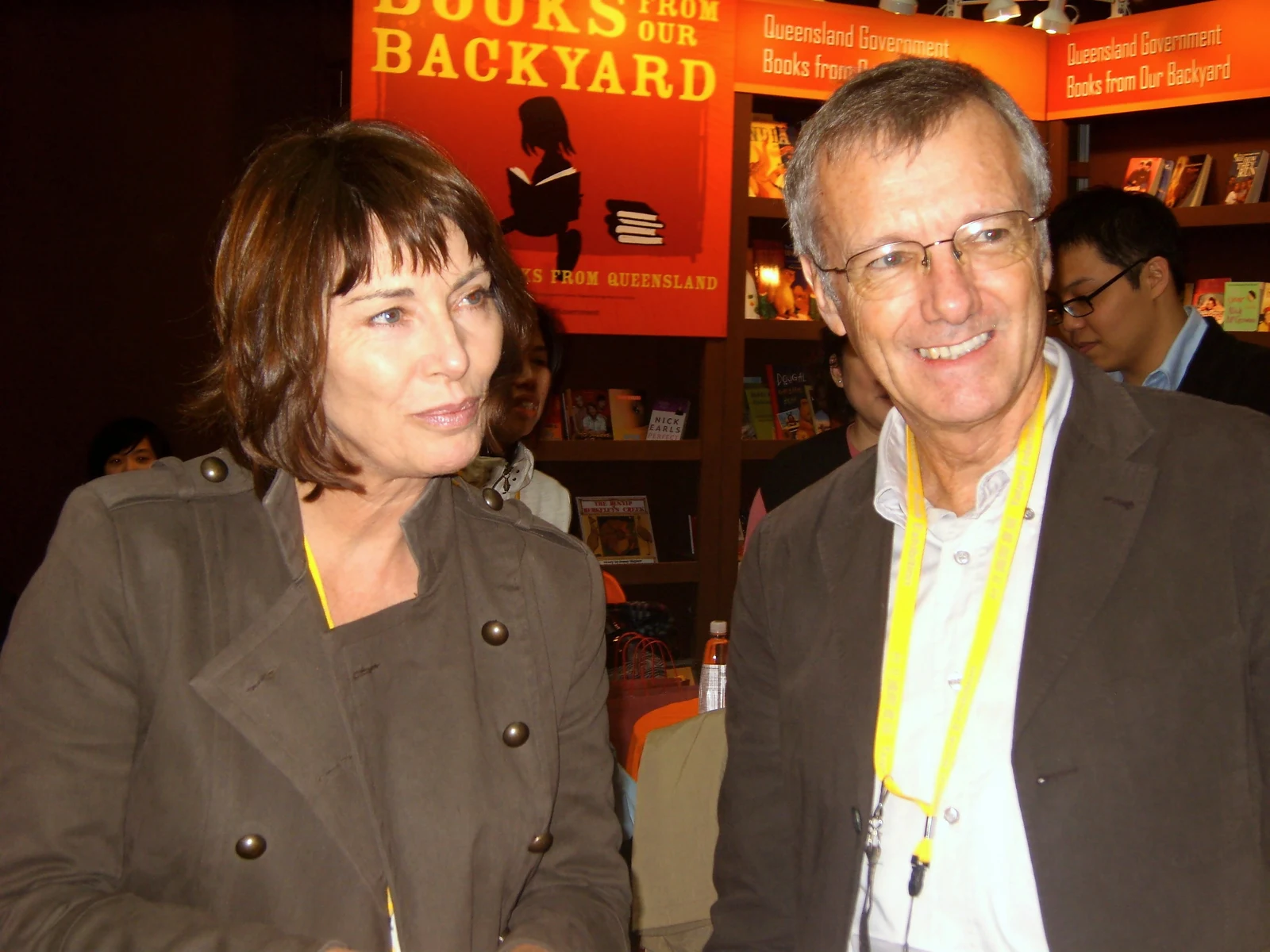
1946–
Tony Wheeler
Travel writer, publishing co-founder and philanthropistTony Wheeler connected engineering and management training with an enthusiasm for travel. A small Sydney guidebook became the beginning of an international publishing business, developed with Maureen Wheeler and a widening circle of colleagues. Its influence, later ownership changes and the founders’ philanthropy reveal several different measures of a publishing career.Read biography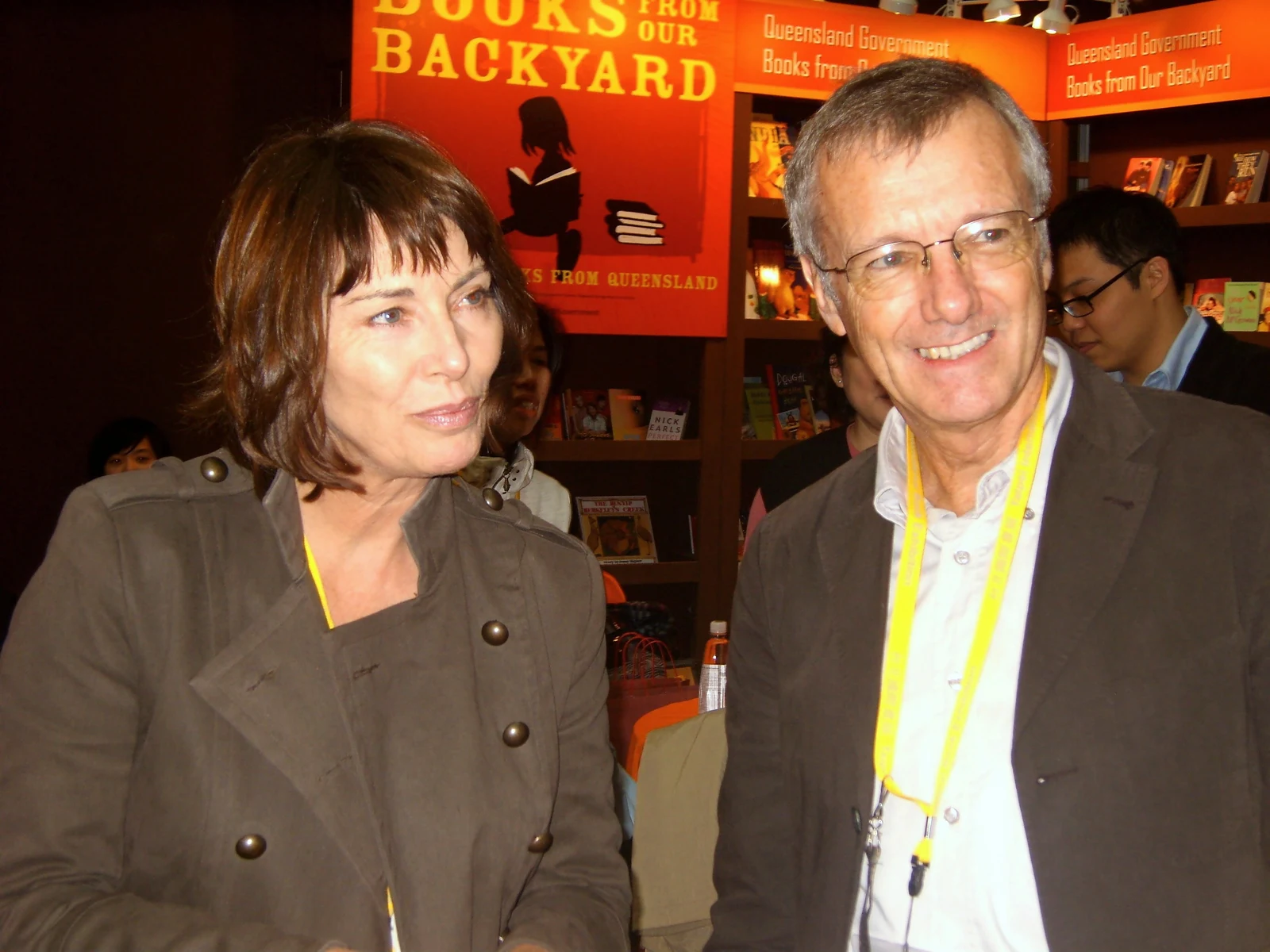
Contemporary
Maureen Wheeler
Publishing co-founder, business organiser and philanthropistMaureen Wheeler’s contribution to Lonely Planet extended from constructing and selling its first books to managing the demands of a growing organisation. Her social-work education informed her approach to people, while later philanthropy applied her resources to institutions and locally developed projects. Her career is more than the spouse’s version of a travelling founder’s story.Read biographyQuick answers
Common questions
- Was the first guide produced at the later Melbourne headquarters?
- No. The specific first-person production account places it in Sydney in 1973.
- Did the enterprise begin with Tony alone?
- No. Maureen’s production and selling work was part of the founding partnership.
- Was this a plan for a worldwide company from the outset?
- The reviewed recollections describe an immediate information need and a small product, not a fully formed global expansion plan.
- Is the booklet’s old advice offered as current travel guidance?
- No. This is a history of a publishing product; historical routes, prices and practical advice are not present-day recommendations.
Primary and institutional sources
How this history was checked
First-person chronology and the specific Sydney recollection establish the sequence and place. The published London conversation and Literary Hub account illuminate production and selling; the dated management interview explains later organisational demands. Brooke-Smith supplies historical interpretation, not a measured causal tourism study. No entire guidebook, unprovided audio or original sales ledger claimed as reviewed. This article was reviewed on 24 October 2026.
- Tony WheelerAbout Tony: first-person chronology, education and former ownership
- Tony Wheeler10 July 2023: Sydney recollection and the first guide’s production location
- Florence Wilkinson and Rajesh Chandy / London Business School8 July 2025: selected published conversation on production, selling and partnership
- Paige McClanahan / Literary Hub, excerpt via Scribner21 June 2024: selected account of the first guide’s creation and the founders’ publishing decision
- Dynamic Business2007 interview: staff, equity and the transition to a larger publishing organisation
- James Brooke-Smith / Literary Hub, excerpt via The History Press5 May 2023: selected historical argument on backpacking, guides and global tourism
- Rico Shen / Wikimedia CommonsComplete 2008 Taipei book-exhibition photograph: own-work source, initial grant and sole file version
- Creative CommonsAttribution-ShareAlike 2.5 Generic