
The short answer
Why did changing a grocery chain require both fewer stores and a better shopping experience? Loblaw’s early-1970s difficulties were financial and operational, not merely visual. The response under Galen Weston Sr. combined closures, management changes, store design and a reconsideration of merchandise. It was a restructuring of a business founded much earlier, not Loblaw’s founding event.
Chronology
A timeline of the turning points
An earlier retail beginning
The Loblaw Groceterias story begins decades before the Weston-led turnaround.
Family control
George Weston obtains control before Galen Weston Sr.’s appointment.
New executive leadership
Weston takes charge amid debt, aging stores and price competition.
Closures and reinvention
Unviable outlets close while retained stores, management and merchandising change.
Product strategy develops
No name follows the initial restructuring; President’s Choice comes later, in 1984.
The problem was an existing network that no longer worked well
Loblaw’s official chronology places its first Toronto grocery stores in 1919. George Weston’s family acquired control in the 1950s, before Galen Weston Sr. became CEO. These dates matter: the 1972 story concerns renewing inherited infrastructure and a troubled corporate asset, not establishing the first store.
A government study identified weak locations, small stores, limited renovation and shortcomings in meat, produce and staff training. Those are separate operating problems. A chain can have a recognizable name and still lose customers when its locations, prices or shopping conditions no longer compete effectively.
Closing stores was part of rebuilding, not a contradiction
The company’s historical account describes debt and too many unprofitable locations. A family holding-company arrangement relieved lease constraints, allowing management to close stores that could not justify continued operation. A smaller network could be financially stronger if resources were directed toward viable sites.
That is an explanation of the restructuring logic, not a claim that closures had no cost. Closing an outlet can disrupt employees and customers even if it improves the company’s accounts. A turnaround judged only by the number of new locations would therefore miss what management was trying to change and whom the change affected.
Store design changed how customers encountered the merchandise
Designer Don Watt helped redesign retained stores, while Loblaw’s current timeline also records a new logo and advertising. The historical account describes changes to the shopping environment, including lighting, displays and the prominence of fresh food. Design here meant the arrangement and communication of the store, not simply a decorative identity applied after operations were fixed.
A grocery visit brings together layout, product availability, perceived freshness and price information. Changing those elements could reinforce an operating recovery, while a new logo alone could not pay the company’s debts. Separating those functions explains why the visual redesign belongs in the story without being presented as the single cause of the turnaround.
The management team matters as much as the chairman
Weston brought Richard Currie and Dave Nichol into the renewal effort. Grocery Business dates Currie’s arrival to 1972 and his subsequent Loblaw presidency to 1976. Their later careers and responsibilities show that the turnaround involved sustained management, not a single executive announcement.
The government study names Weston, Currie and Nichol together when discussing corrected operating deficiencies. A useful division is corporate control and capital allocation, operating management, merchandising and design. The boundaries were not absolute, but recognizing them prevents a biography of the owner from absorbing all the work of colleagues and staff.
Private labels were a later phase, not all invented in 1972
Loblaw dates no name to 1978 and President’s Choice to 1984. The latter’s premium private-label approach is examined separately. Placing both in 1972 would erase the period of experimentation between restructuring stores and building recognizable product brands.
The turnaround therefore joined financial retrenchment with renewed reasons for shoppers to visit. Its significance is not a universal management recipe: store closures, design and private labels operate differently in other markets. It is a documented Canadian example of an existing retailer changing its assets, personnel and offer over time rather than being saved by one gesture.
Continue the chronology
Related history guides
Biography context
Explore Canada through connected lives
Connected biographies
The executive who led the restructuring
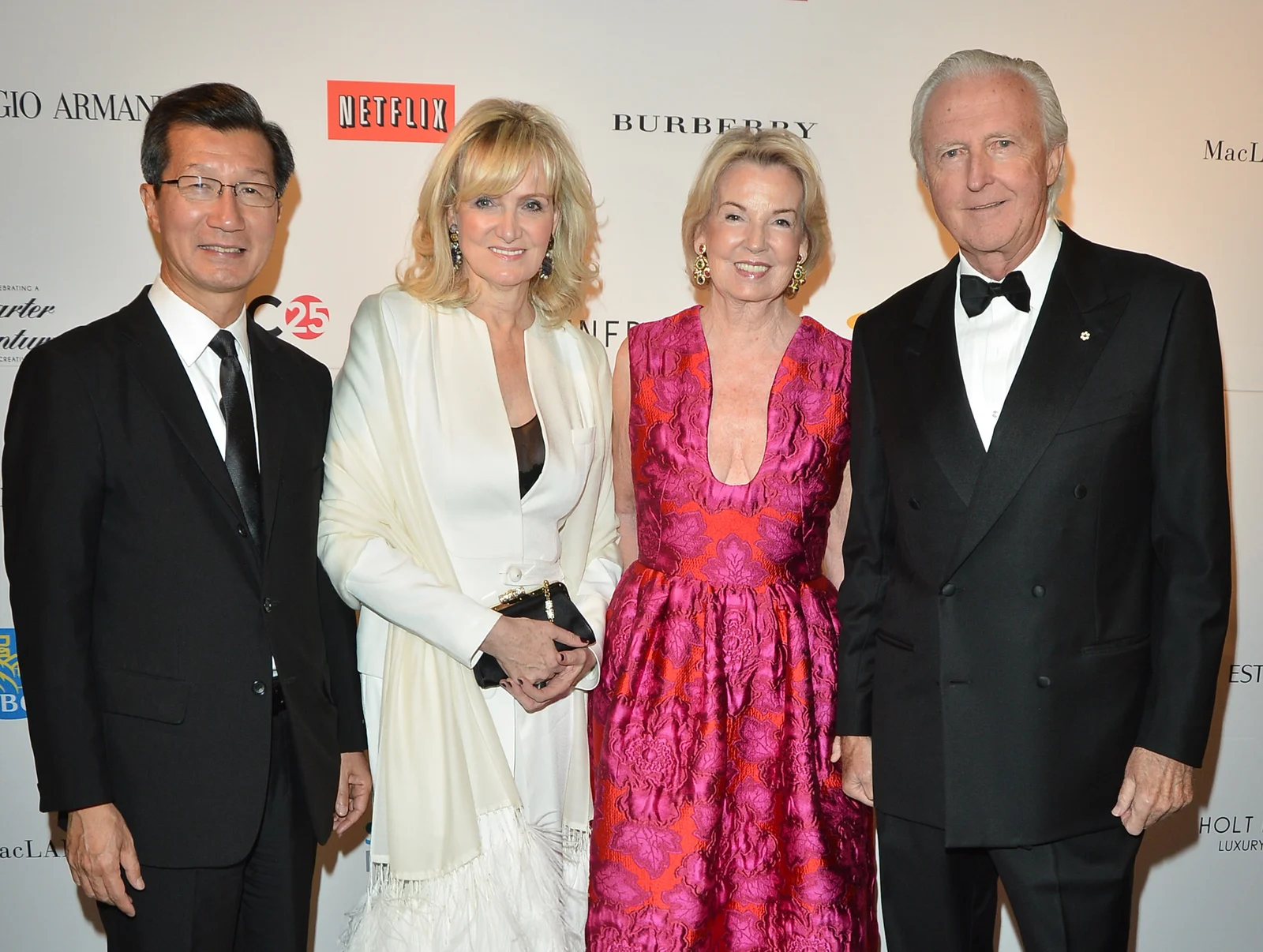
1940–2021
Galen Weston Sr.
Retail executive and former George Weston chairmanGalen Weston Sr. was a Canadian retail executive who returned from Ireland to lead Loblaw’s restructuring in 1972. A third-generation member of the Weston business family, he worked with managers and designers to rebuild the grocery chain and later chaired George Weston Limited.Read biographyQuick answers
Common questions
- Did Loblaw begin in 1972?
- No. Its grocery history dates to 1919. Galen Weston Sr. became CEO in 1972 to restructure an existing chain.
- Was the turnaround only a logo redesign?
- No. Store closures, financial restructuring, management, merchandising and changes to the shopping environment all formed part of the response.
- Did President’s Choice launch during the 1972 turnaround?
- Not at its beginning. No name launched in 1978 and President’s Choice in 1984.
Primary and institutional sources
How this history was checked
Corporate retrospectives establish sequence but have a promotional perspective. A contemporary government industry study and separate management biographies help test the single-hero version of the story. This article was reviewed on 23 October 2026.
- LoblawCorporate chronology: original stores and turnaround milestones
- George Weston LimitedFamily control and succession history
- Government of Canada publicationsFood-retailing study, indexed page 37: operating deficiencies and management
- George Weston LimitedReinventing Loblaws: closures, design and management
- Grocery BusinessRichard Currie’s management chronology
- Grocery BusinessW. Galen Weston’s retail career
- George Pimentel / Canadian Film Centre / Wikimedia CommonsComplete later group photograph and CC BY 2.0 record
- Creative CommonsAttribution 2.0 Generic licence