
The short answer
The Akutagawa Prize is a continuing institution named after a writer who had already died. Its founding records and present rules answer different questions. Keeping those records apart clarifies who created it, what kind of work it recognizes and how a reader can investigate a decision.
Compare the records
Four people, four roles
The same award history contains several kinds of contribution. Naming the role makes a biographical claim testable.
| Record or role | Documented connection | Useful distinction |
|---|---|---|
| Ryūnosuke Akutagawa | Writer commemorated by the prize, after his death. | Namesake; not founder or judge. |
| Kikuchi Kan | Established the Akutagawa and Naoki prizes in 1935. | Founder; not the first Akutagawa laureate. |
| Yasunari Kawabata | A judge from the first year, as verified by the literature museum. | Panel member; not sole decision-maker. |
| Ishikawa Tatsuzō | Won the first round for Sōbō in Seiza. | First laureate; not the person after whom the prize was named. |
Chronology
A timeline of the turning points
Akutagawa died
The writer later commemorated by the prize died on 24 July.
First award
The official list records Ishikawa Tatsuzō’s Sōbō, published in Seiza.
No award
The next round is recorded as having no winner.
Society established
The Society for the Promotion of Japanese Literature was founded after the prize’s creation.
The founder and the namesake are different people
The Society for the Promotion of Japanese Literature credits Kikuchi Kan, founder of Bungeishunjū, with establishing the Akutagawa Prize in 1935 in memory of his friend Ryūnosuke Akutagawa. It was created alongside the Naoki Prize. Akutagawa had died in 1927, so he neither founded the award nor selected its winners. This distinction is a useful starting point for interpreting a literary prize: its name commemorates one writer, while its procedures and decisions belong to other people and to an institution that continues after them.
Sources for this section: [1]
Begin with the two 1935 results
The official historical list gives the first award, for the first half of 1935, to Ishikawa Tatsuzō for Sōbō and names the magazine Seiza as its publication venue. It records no award for the second half of that year. These two entries establish more than a famous first winner: from the opening year, the sequence was not simply one person receiving a prize in every round. The list is a reliable way to check a title, author, round and original venue. Explaining the reasons behind a particular decision requires an additional record, such as the judges’ published assessments.
Sources for this section: [2]
What the award currently considers
The society’s current description identifies short and medium-length works of literary fiction by emerging writers, published in magazines, including coterie journals. It is not an open-submission manuscript competition. The Naoki Prize has a different remit, considering book publication and entertainment fiction by emerging or established writers. These are the organizer’s categories, rather than a universal ranking of literary forms. They help explain why the presence of a new novel in a bookstore does not by itself make that book an Akutagawa candidate. Present eligibility language should also not be silently projected unchanged onto every year since 1935.
Shortlisting, discussion and a published trail
According to the current FAQ, several preliminary selection committees lead to a final shortlist, after which the judges discuss the candidates. A round can recognize one work, two works or none. The selection meetings occur in July and the following January. The official description gives the present eligibility windows as December through May and June through November. Winning Akutagawa texts and judges’ comments appear in Bungei Shunjū. For a reader, the comments are especially useful: they permit comparison between a selected story and the different literary judgments surrounding it, rather than treating the result as an impersonal score.
Kawabata’s documented role
The Museum of Modern Japanese Literature’s Kawabata exhibition states that Yasunari Kawabata served as an Akutagawa Prize judge from its establishment in 1935. It also describes correspondence connected with the prize, including a 1936 letter from Dazai Osamu. This verifies Kawabata’s participation without making him the award’s creator or claiming that he alone chose its first winner. A panel member, a founder and a winning author occupy different positions. The museum’s exhibition description is evidence for the archived correspondence; it is not a full transcript of every selection meeting or every letter.
Sources for this section: [4]
A small method for reading an award history
Choose one entry from the official list and make a four-field note: round, writer, work and original magazine. Add the date of the later issue carrying the result and judges’ comments if you consult it. Keep a separate line for any subsequent book edition or English translation. This simple exercise prevents a reprint’s date from replacing the first publication and a judge’s opinion from being mistaken for unanimous agreement. Also separate the prize’s 1935 founding from the society’s foundation on 2 July 1938: related institutions need not begin on the same day.
Connected biographies
People connected with this history
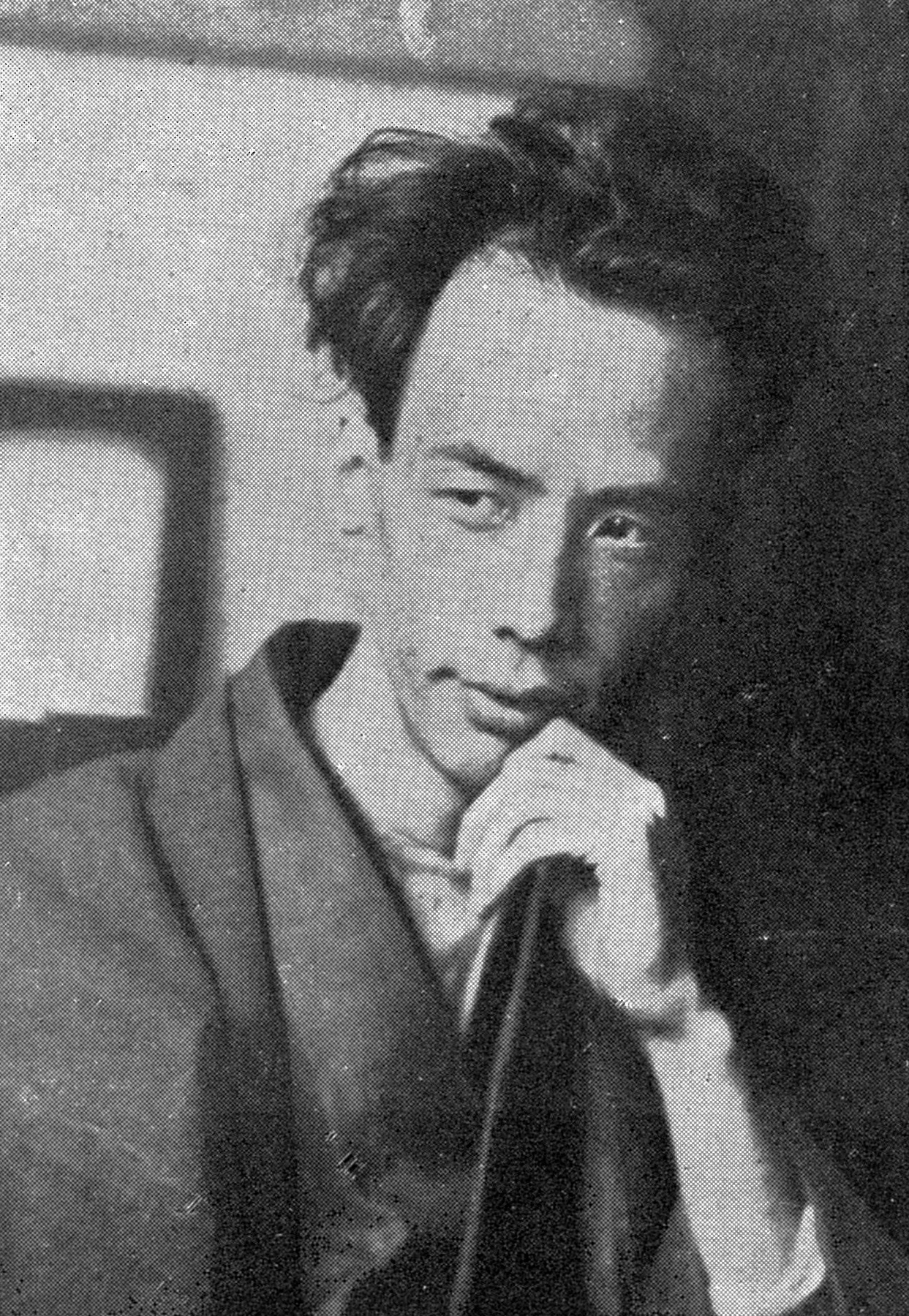
1892–1927
Ryūnosuke Akutagawa
Short-story writer, poet and essayistRyūnosuke Akutagawa wrote compact fiction that tests pride, motives and the stories people tell about themselves. His career moved from student literary magazines and English teaching to professional writing and increasingly personal late work.Read biography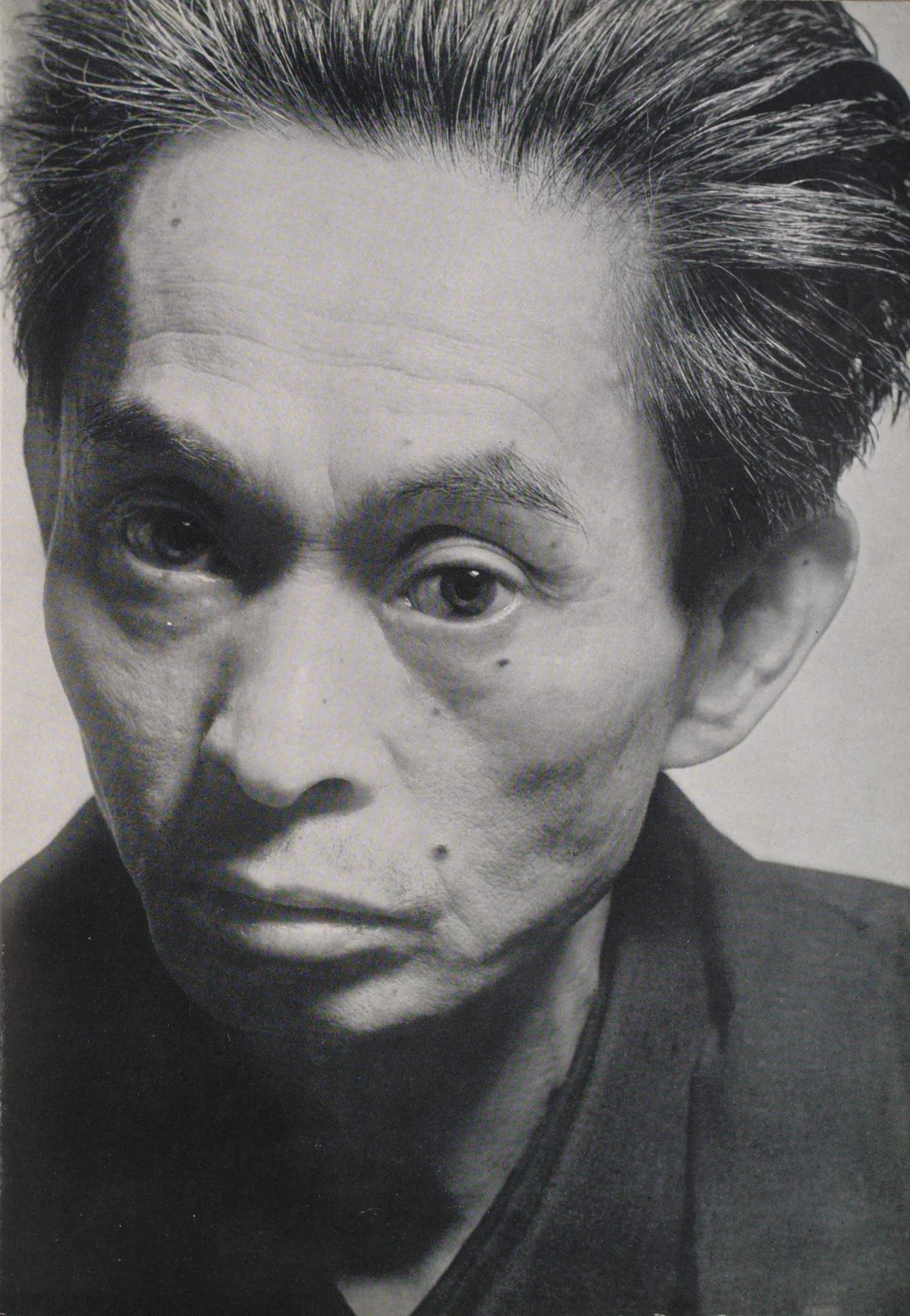
1899–1972
Yasunari Kawabata
Novelist, critic and Nobel laureateYasunari Kawabata moved through experimental magazines, newspaper serialization and decades of revision to become Japan’s first Nobel laureate in literature. He also worked as a critic, prize judge and organizer of literary institutions.Read biographyQuick answers
Common questions
- Can an unpublished manuscript be entered directly?
- The society says the Akutagawa Prize is not an open-entry competition; it considers qualifying works already published in magazines.
- Does every round have exactly one winner?
- No. The current rules permit one work, two works or no award; the second round in 1935 had no winner.
- Was the prize founded when the society was established in 1938?
- No. The prize began in 1935; the society’s own record dates its foundation to 2 July 1938.
Primary and institutional sources
How this history was checked
These records distinguish contemporary publications and technical documents from later institutional recollections. This article was reviewed on 27 October 2026.
- Society for the Promotion of Japanese LiteratureLiterary awards: founding and remit of the Akutagawa and Naoki prizes
- Society for the Promotion of Japanese LiteratureAkutagawa Prize: historical winners list, including the first and second 1935 rounds
- Society for the Promotion of Japanese LiteratureFrequently asked questions: eligibility, shortlisting, selection and publication
- Museum of Modern Japanese LiteratureYasunari Kawabata exhibition: manuscripts, correspondence and the history of his works (2022)
- Society for the Promotion of Japanese LiteratureAbout the society: foundation on 2 July 1938