
The short answer
The dispute over spending at a private residence became a test of how constitutional institutions respond to one another. This guide focuses on remedial action and legislative oversight, rather than retelling a president’s biography or treating constitutional invalidity as a criminal conviction.
Chronology
A timeline of the turning points
Public Protector’s report
Secure in Comfort sets out findings and remedial action.
Institutional disagreement
Madonsela publicly explains her report and objections to its handling.
Court hearing
The EFF and DA applications are heard together.
Judgment
The court clarifies the legal effect of remedial action and finds constitutional failures.
Parliamentary response
Mbete welcomes clarification and proposes cross-party discussion of oversight mechanisms.
The Public Protector was designed as more than an executive adviser
Sections 181 and 182 of the Constitution establish the office’s independence and powers to investigate, report and take remedial action. Other state bodies must assist and protect it, while the institution remains accountable to the National Assembly. Independence and accountability are therefore part of the same constitutional design.
The office must also be accessible to people and communities. That matters to the dispute’s institutional stakes: a complainant’s route to scrutiny would be weakened if the subject of an investigation could simply decide that an unwelcome outcome counted for nothing. This is distinct from claiming that the Public Protector is itself a court.
The report distinguished improper benefit from a criminal prosecution
In her August 2015 briefing, Thuli Madonsela explained the report’s treatment of non-security improvements at Nkandla and the resulting benefit to the President’s estate. She distinguished recovery of an improper benefit from a requirement to prove fault for that benefit, comparing it with money overpaid to a public servant.
The briefing also described findings and proposed action concerning ministers, officials and contractors. It is therefore misleading to treat the entire investigation as only one repayment question. These were the Public Protector’s explanations of her work; this guide has not independently reconstructed every procurement transaction or read a complete criminal investigation.
Sources for this section: [4]
Disagreement did not authorise an institution to substitute its own result
On 31 March 2016 the Court held that remedial action had legal effect unless set aside through judicial process. It invalidated the Assembly’s absolving resolution and found failures of constitutional duty. These were constitutional determinations, not criminal convictions.
The distinction is between testing an exercise of power through a lawful process and acting as though it has no force. Questioning correctness and obtaining judicial review are not the same as replacing another institution’s decision with a preferred conclusion. The judgment’s importance lay in the relationship between institutions, not only the identity of the office-holder whose conduct prompted the dispute.
The Speaker’s response identified a task for Parliament
On 3 April Mbete described the ruling as providing legal certainty and acknowledged that some matters could have been handled differently. She proposed discussing it with party leaders and considering improvements to parliamentary mechanisms. These were her responses and proposed next steps, not evidence that every necessary reform had already happened.
Section 55 requires the Assembly to maintain oversight of executive authority. The Constitution also gives it procedural powers, including receiving evidence and requiring reports. Those tools are means to fulfil scrutiny, not a substitute for the obligation itself. Having a committee or completing a debate cannot alone demonstrate that oversight has been effective.
Constitutional ethics could be enforced rather than merely celebrated
Bernard Bekink’s later case note argues that the episode showed constitutional ethical requirements to be legal provisions, not ceremonial language. His analysis distinguishes broader moral debate from norms incorporated into law: not all wrongdoing is criminal, and legal accountability has more than one form.
This provides a useful limit to both dismissal and exaggeration. An institutional breach is not harmless because no criminal verdict was issued; equally, it does not justify inventing one. The practical question is whether officials and institutions comply with the duties their powers carry. The companion biographies place those duties within longer careers without allowing personal reputation to decide the legal issue.
Continue the chronology
Related history guides
Biography context
Explore Johannesburg, South Africa through connected lives
Connected biographies
Office-holders within a wider constitutional structure
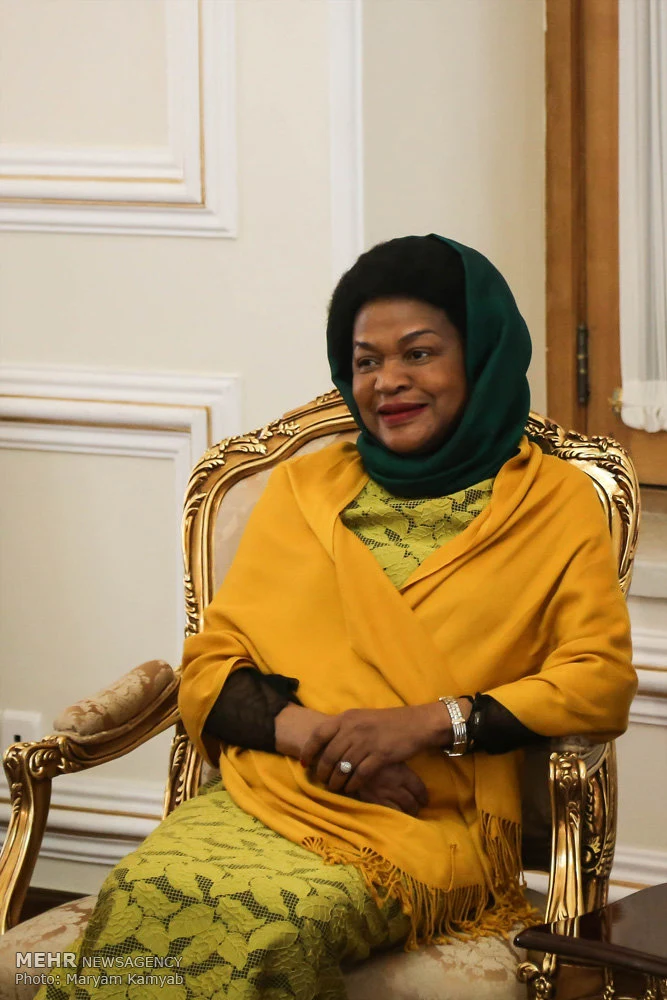
1949–
Baleka Mbete
Former parliamentary Speaker, deputy president, teacher and writerBaleka Mbete’s career links teaching, exile cultural work and women’s organisation with senior parliamentary and executive office. Her tenure as Speaker included constitutional controversy over oversight and a later secret-ballot decision. These institutional decisions deserve examination alongside her earlier political work.Read biography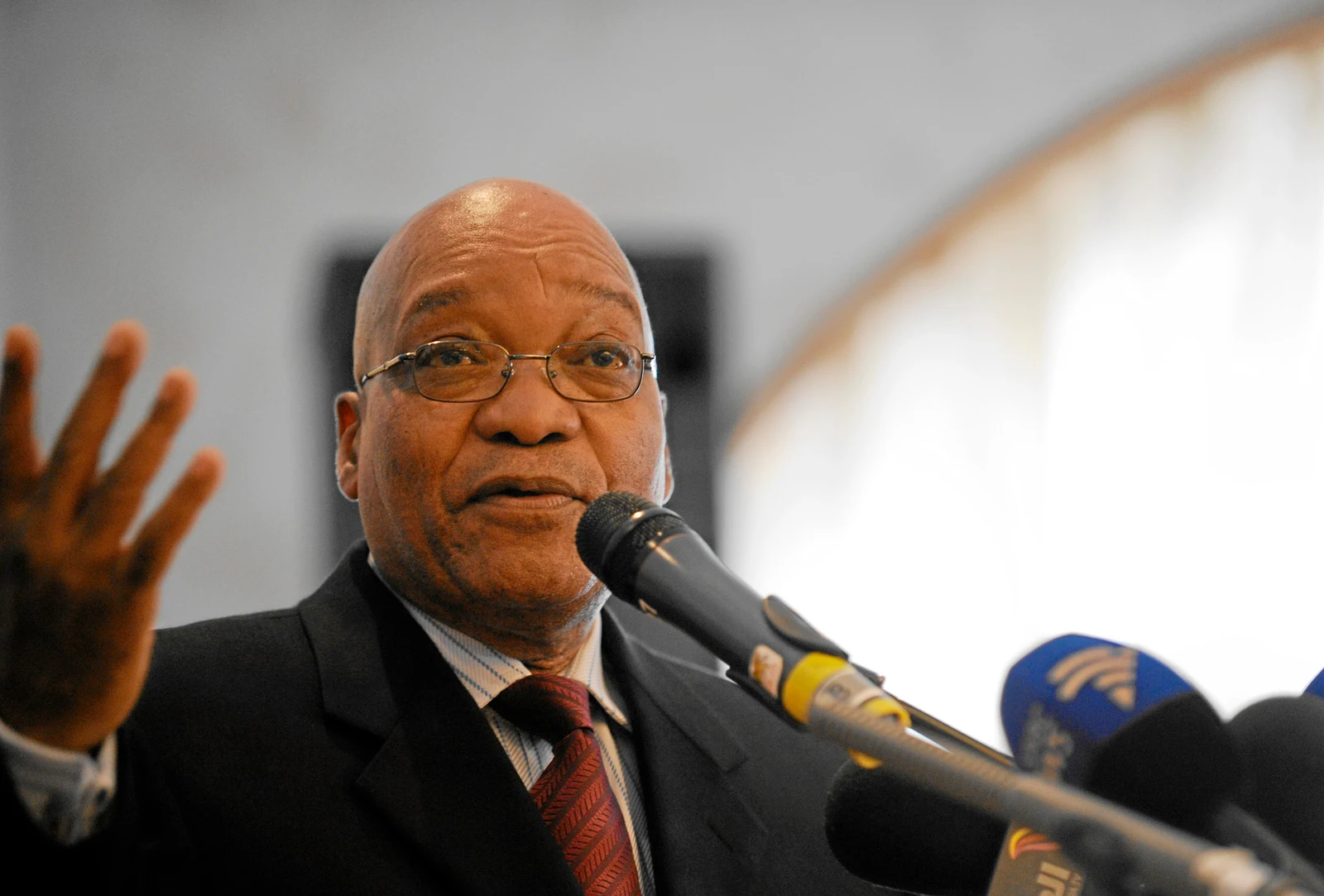
1942–
Jacob Zuma
Former President of South Africa and leader of the MK PartyJacob Zuma moved through anti-apartheid imprisonment, exile intelligence work and provincial politics before leading the ANC and South Africa. His presidency combined policy initiatives with serious institutional failures, while his later MK Party leadership and distinct legal proceedings keep him central to public debate.Read biographyQuick answers
Common questions
- Was the Public Protector simply a presidential adviser?
- No. The Constitution establishes an independent institution with investigative and remedial powers.
- Did the ruling amount to a criminal conviction?
- No. It concerned constitutional duties and the legal effect of institutional action.
- Did scrutiny become unnecessary after a committee met?
- No. The obligation concerned effective oversight, not procedure alone.
- Does this guide claim to cover every Nkandla proceeding?
- No. It addresses the 2016 institutional decision and selected contemporary responses.
Primary and institutional sources
How this history was checked
The Court’s short media summary was checked against selected constitutional clauses, Madonsela’s briefing, Mbete’s response and Bekink’s independent case note. The summary is explanatory, not the binding judgment itself; no full docket or procurement audit is claimed. The portrait shows Mbete in 2017, not the hearing. This article was reviewed on Reviewed 24 October 2026.
- Constitutional Court of South Africa31 March 2016: EFF v Speaker / DA v Speaker, media summary
- Department of Justice and Constitutional DevelopmentConstitution, chapter 4: selected sections 55–57
- Department of Justice and Constitutional DevelopmentConstitution, chapter 9: selected sections 181–182
- Thuli Madonsela / South African Government3 August 2015 briefing: selected report, benefit and institutional-process passages
- Baleka Mbete / Parliament of South Africa3 April 2016: response to the constitutional ruling
- Bernard Bekink / De Jure2020 case note: selected constitutional-ethics argument and conclusion
- Maryam Kamyab / Mehr News AgencyBaleka Mbete during the 3 September 2017 meeting with Iran’s foreign minister