
The short answer
The Restoring Territory Rights Act 2022 removed federal restrictions on the ACT and Northern Territory making voluntary-assisted-dying laws. Its immediate subject was legislative power, not individual eligibility or a nationally administered service. The distinction is essential: restoring the ability to debate and legislate does not itself enact a territory’s substantive scheme.
Chronology
A timeline of the turning points
Territory power restricted
Federal legislation restricts the ACT and Northern Territory legislatures in this policy area.
Private bill introduced
Luke Gosling introduces the measure co-sponsored with Alicia Payne.
Debate and amendments
Territory autonomy and proposed federal safeguards are debated separately.
Passage without amendments
The Senate completes consideration and the bill is sent for assent.
Lawmaking restriction removed
The whole Act commences on assent; separate territory legislation is still needed for a scheme.
Territories faced a restriction that states did not
Federal legislation in 1997 amended the self-government arrangements of the ACT and Northern Territory to prevent their legislatures permitting voluntary assisted dying. This was a limit on legislative competence in a particular field, rather than a declaration that territories had no lawmaking powers generally.
The distinction arose from their constitutional and statutory position. The Parliamentary Library’s digest identifies earlier attempts to remove the restriction and explains why the 2022 bill amended the self-government Acts. Its reader question was who could make the law, even though disagreement about the underlying policy remained inseparable from the public debate.
Sources for this section: [2]
The bill was a collective parliamentary effort
Labor backbenchers Luke Gosling and Alicia Payne sponsored the proposal introduced in August 2022. David Pocock supported it in the Senate, acknowledging those sponsors and earlier territory advocates. Support and authorship should not be conflated, nor should a long campaign be assigned to one newly elected senator.
The major parties allowed conscience votes. Contemporary reporting describes support across political groupings and continuing opposition within them. That setting differs from a uniform government-versus-opposition contest: individual parliamentarians could disagree about both territory autonomy and assisted dying while the proposal proceeded through the normal legislative stages.
The Senate considered who should set safeguards
Opponents sought to retain narrower federal restrictions tied to safeguards in state legislation, including age, mental impairment and disability. The Senate’s procedural account records those amendments as unsuccessful.
The majority instead left the scope of any future territory law to the territory legislatures. This did not establish that every senator accepted every possible scheme or considered safeguards unnecessary. It resolved where those decisions should be made. The final bill passed without amendments, while the earlier debate and divisions remain evidence that final passage on the voices was not unanimous agreement on every substantive moral question.
Final passage and legal commencement were different dates
The Senate completed passage on 1 December 2022 and sent the bill for assent. Assent and commencement followed on 13 December.
The amendments removed the relevant self-government restrictions. That changed legislative authority; it did not open a clinical service automatically when debate ended. Parliament’s vote and the operative legal change were separate stages.
Restored power did not automatically revive the old Northern Territory scheme
The application item did not automatically revive the Northern Territory’s 1995 scheme after the 1997 cutoff. Its effect remained subject to a contrary intention in later territory law.
Contemporary reporting described the ACT planning consultation and the Northern Territory taking a different timetable. Those were next-step positions in December 2022, not a claim about every later development. The federal change made local legislative choices possible. It did not settle what either territory must enact, guarantee identical laws or supply advice about any person’s present medical or legal position.
Biography context
Explore Australia through connected lives
David Pocock
Read his migration, sporting and advocacy background alongside his ACT mandate.
Explore the biographiesGovernment contextAnthony Albanese
Place the conscience-vote process within the government elected in 2022.
Explore the biographiesContrast a state settingDaniel Andrews
Compare Victorian substantive legislation with the different question of federal limits on territory powers.
Explore the biographiesConnected biographies
A territory representative within a longer campaign
1988–
David Pocock
Independent senator for the Australian Capital TerritoryDavid Pocock grew up in Zimbabwe and migrated to Australia before an international rugby career. Environmental work and agricultural study preceded his 2022 Senate election, where he became an advocate for ACT representation and a negotiator on national legislation.Read biographyQuick answers
Common questions
- Did this Act itself create a territory VAD scheme?
- No. It restored legislative power; a substantive territory scheme required separate law.
- Was David Pocock the bill’s sponsor?
- No. He supported it. Luke Gosling and Alicia Payne sponsored the private-member proposal.
- Did it revive the 1995 Northern Territory scheme automatically?
- No. Its application provision specifically addressed that law rather than automatically restarting it.
- When did the federal change become operative?
- On 13 December 2022, when the Act received assent and commenced—not the 1 December passage date.
Primary and institutional sources
How this history was checked
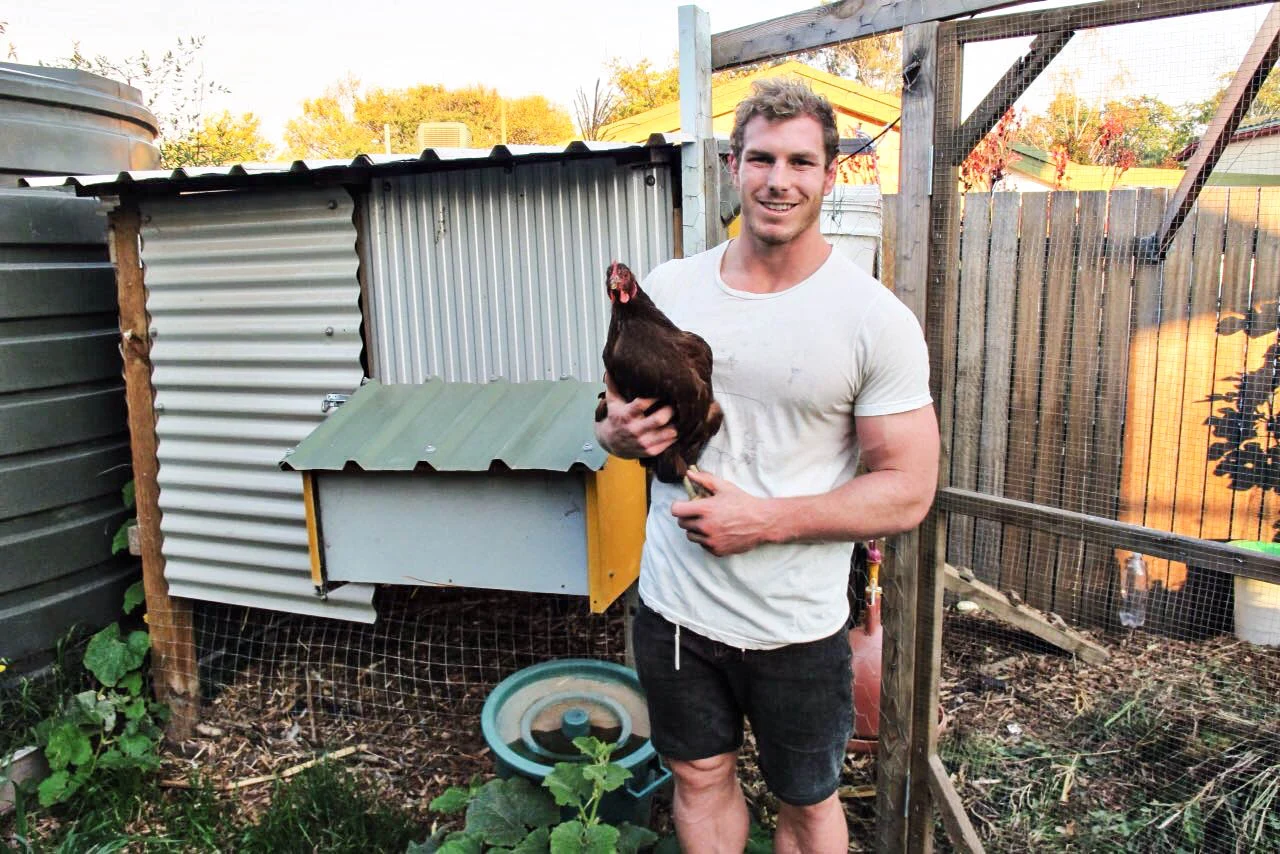
Selected digest passages establish the earlier restriction. The original Act supplies commencement and its short amendment/application items; selected Senate records and contemporary reporting establish proceedings and disagreement. Only selected passages were consulted, not all debate or later territory laws. This explains legislative institutions, not individual legal or medical advice. Emma Pocock’s 2016 backyard photograph identifies the senator; it is not an image of the 2022 campaign or vote. This article was reviewed on 24 October 2026.
- Federal Register of LegislationRestoring Territory Rights Act 2022 as made: commencement, repeals and application item
- Parliamentary LibraryRestoring Territory Rights Bill 2022 digest: selected legislative-power and historical-context passages
- Senator David Pocock5 September 2022 speech: support for territory powers and identification of bill sponsors
- Department of the SenateProcedural Information Bulletin 367: selected workplace and territory-rights proceedings
- Department of the SenateSenate Daily Summary, 1 December 2022: passage without amendments and dispatch for assent
- ABC NewsTerritory-rights vote, conscience debate and separate legislative next steps, 1 December 2022
- Emma Pocock / Wikimedia CommonsDavid Pocock with chicken: complete original and confirmed exact-file CC BY-SA 4.0 permission