
The short answer
BN repeated its 59-of-60 result even as the coalition suffered major losses elsewhere in Malaysia. UMNO won all 32 of its seats, Jimmy Wong gave DAP the sole opposition constituency in Sri Tanjong and Musa Aman continued as chief minister. Six months later, SAPP left BN, revealing fractures behind the landslide.
Results at a glance
Seats won in the 2008 Sabah election
Seven BN component parties won 59 seats. DAP captured Sri Tanjong from PBS, producing the only change outside the coalition compared with 2004.
| Party | Seats won | Share of 60 seats | Change from 2004 |
|---|---|---|---|
| UMNO / BN | 32 | 53.3% | No change |
| PBS / BN | 12 | 20.0% | −1 |
| UPKO / BN | 6 | 10.0% | +1 |
| SAPP / BN | 4 | 6.7% | No change |
| LDP / BN | 3 | 5.0% | No change |
| MCA / BN | 1 | 1.7% | No change |
| PBRS / BN | 1 | 1.7% | No change |
| DAP | 1 | 1.7% | +1 |
Chronology
A timeline of the turning points
BN wins 59 of 60 seats
Musa Aman received his first electoral mandate as chief minister after PBS returned to the governing coalition.
The Sabah assembly is dissolved
Dissolution prepared the state for a second consecutive election held alongside the federal general election.
Candidates are nominated
BN defended all 60 seats while opposition parties and independents created many multi-cornered contests.
Gum-Gum becomes uncontested
BN–UMNO candidate Zakaria Mohd Edris was returned without a poll after his PKR opponent withdrew.
BN again wins 59 state seats
The coalition repeated its 2004 total even as BN lost its two-thirds parliamentary majority nationally.
DAP takes Sri Tanjong
Jimmy Wong defeated the BN–PBS incumbent by 1,172 votes and became the assembly’s only elected opposition member.
Musa Aman begins another term
Musa retained Sungai Sibuga and continued leading a government in which UMNO held 32 of 60 elected seats.
SAPP leaves Barisan Nasional
Yong Teck Lee’s party withdrew from BN to sit independently, but only two of its four assembly members followed the party out.
Two former SAPP members join Gerakan
Raymond Tan and Au Kam Wah formally returned their Tanjong Papat and Elopura seats to the BN party column through Gerakan.
Who won the 2008 Sabah state election?
Barisan Nasional won 59 of Sabah’s 60 elected state seats on 8 March 2008. Democratic Action Party candidate Jimmy Wong Sze Phin won the remaining constituency, Sri Tanjong, while PKR, PAS, smaller local parties and independent candidates won none.
The result exactly matched BN’s 59-seat total in 2004, but the identity of the sole non-BN winner changed. An independent had won Kuala Penyu in 2004; in 2008 BN recaptured that seat and lost Sri Tanjong to DAP instead.
With 31 seats required for a majority, BN controlled the assembly by an overwhelming margin. UMNO alone won 32 seats, meaning the chief minister’s party held an elected majority without needing the coalition’s six other components.
How were BN’s 59 seats divided?
UMNO contested and won all 32 of its allocated constituencies. PBS won 12 of 13, UPKO won all six, SAPP all four, LDP all three, and MCA and PBRS one each. The seven component-party totals added up to 59.
PBS’s only defeat was Sri Tanjong, where its incumbent Samson Chin Chee Tsu lost to DAP. Compared with 2004, PBS fell from thirteen seats to twelve while UPKO rose from five to six; the overall BN total did not change.
The numbers preserved a broad multi-party coalition but left its internal balance unmistakable. UMNO held more than half of the chamber, while all six partner parties together held 27 seats.
Who won Sri Tanjong for DAP?
Jimmy Wong Sze Phin won Sri Tanjong in Tawau with 5,359 votes. BN–PBS incumbent Samson Chin received 4,187 and PKR candidate Kong Hong Ming received 3,090, giving Wong a majority of 1,172.
The three-way result was notable because DAP and PKR were both presented as part of the wider national opposition but did not complete a statewide seat agreement. Wong still finished first with 42.3 percent of valid votes in the constituency.
Sri Tanjong gave DAP its only Sabah state seat and supplied the assembly’s only elected opposition voice. Wong later represented Kota Kinabalu in Parliament from 2013 to 2018 before returning to the state seat in 2018.
Why did the opposition win only one seat?
PKR and DAP failed to settle a complete seat-sharing arrangement. Both parties fielded candidates in some of the same constituencies, dividing the non-BN vote in urban and mixed areas where the coalition was most vulnerable.
Academic analysis identified Likas and Luyang as examples where the combined DAP and PKR vote exceeded the winning BN candidate’s total. That arithmetic does not prove every voter would have transferred to a single nominee, but it shows how multi-cornered contests protected narrow BN victories.
Organisation and incumbency also mattered. BN campaigned through a statewide network of federal and regional parties, while the opposition field was divided among PKR, DAP, PAS, BERSEKUTU, PASOK, SETIA and dozens of independents. Gum-Gum was returned to BN without a poll after the challenger withdrew.
Why did Sabah differ from Peninsular Malaysia in 2008?
Malaysia’s 2008 general election was a national setback for BN. The coalition lost its two-thirds majority in Parliament and lost control of several state governments in the peninsula, creating the result often described as a political tsunami.
Sabah moved in the opposite direction. BN won 59 of 60 state seats and 24 of the state’s 25 parliamentary seats. Together with Sarawak, those federal victories were crucial to BN retaining its national majority.
Research by Arnold Puyok and later by James Chin and Puyok argued that local political structures, development campaigning and weaker opposition coordination limited the reach of peninsula-centred issues. The contrast helped popularise the description of Sabah and Sarawak as BN’s political fixed deposits, although later elections would challenge that label.
How strong was BN beneath the 59-seat total?
The seat result was more dominant than the vote distribution. ElectionData records approximately 62.1 percent of valid state votes for BN and 31.6 percent for candidates grouped with the national opposition, with independents and BERSEKUTU sharing most of the remainder.
First-past-the-post voting rewarded BN for finishing first across almost every constituency. In some urban seats, fragmented challenges allowed coalition candidates to win without an absolute majority; in many rural and Muslim-bumiputera seats, BN won by much wider margins.
Api-Api, Bingkor, Merotai and several other seats were comparatively close even though the chamber count looked uniform. Reporting both the 59-seat result and the distribution of competitive constituencies gives a more accurate picture than treating the election as a single statewide landslide.
Why did Musa Aman remain chief minister?
Musa retained Sungai Sibuga with a majority of 7,657 votes. He had led Sabah since March 2003 and had already continued after the 2004 election, ending the earlier practice of automatically rotating the chief-ministership among community categories.
The 2008 result strengthened his position further. UMNO again won all 32 of its assigned seats, giving Musa a majority inside the assembly and a larger bloc than the other BN components combined.
He remained chief minister for another decade. His long tenure brought leadership continuity after the rapid changes of the rotation era, but it also concentrated power around the state UMNO organisation and made internal coalition disputes increasingly important.
Why did SAPP leave BN after winning four seats?
SAPP won Likas, Luyang, Elopura and Tanjong Papat under the BN symbol. Six months later, on 17 September 2008, its supreme council declared that the party was leaving the coalition and would sit independently rather than immediately joining Pakatan Rakyat.
Party president Yong Teck Lee linked the decision to dissatisfaction with federal treatment of Sabah and to a wider loss of confidence in Prime Minister Abdullah Ahmad Badawi. The split showed that a near-clean sweep could conceal serious disputes about state rights, development and representation inside BN.
Only Likas member Liew Teck Chan and Luyang member Melanie Chia remained with SAPP outside BN. Raymond Tan of Tanjong Papat and Au Kam Wah of Elopura rejected the move, left SAPP and later joined Gerakan. The effective assembly balance therefore became 57 BN, two SAPP and one DAP rather than 55–5.
What was the election’s longer-term impact?
The 2008 result marked the second consecutive 59-seat BN victory and the peak of Musa Aman’s electoral dominance. Yet DAP’s Sri Tanjong breakthrough showed that an urban opposition foothold was possible, and SAPP’s exit created a new regional opposition current within months.
By the 2013 election, BN’s state total fell from 59 to 48. DAP won four seats, PKR seven and Jeffrey Kitingan’s STAR one, turning the isolated 2008 breakthrough into a twelve-member elected opposition.
The sequence matters when interpreting Sabah’s 2018 change of government. The dramatic result that year did not emerge from nowhere: urban opposition gains, state-rights arguments, regional-party realignment and challenges to UMNO dominance were already visible beneath the 2008 seat landslide.
Continue the chronology
Related history guides
The 2013 Sabah State Election
Continue to the election where BN fell to 48 seats and the opposition grew to twelve.
Read the timeline21 March 2004The 2004 Sabah State Election
Compare the first 59-seat result, when an independent won the only non-BN constituency.
Read the timeline1966–presentDAP: History and Leaders
Place Jimmy Wong’s Sri Tanjong breakthrough inside the party’s national development.
Read the timeline1973–presentBarisan Nasional: History and Parties
Understand the coalition that dominated Sabah while losing ground nationally in 2008.
Read the timeline1985–presentParti Bersatu Sabah: History and Leaders
Follow PBS through its twelve-seat result and loss of Sri Tanjong.
Read the timeline1963–presentChief Ministers of Sabah: Complete List
Compare Musa Aman’s long administration with every Sabah government since 1963.
Read the timelineBiography context
Explore Sabah, Malaysia through connected lives
Influential People from Sabah
Explore biographies of Musa Aman, Yong Teck Lee and other figures connected to the election.
Explore the biographiesCountry archiveExplore Malaysia
Compare Sabah’s result with the wider political changes produced by Malaysia’s 2008 election.
Explore the biographiesConnected biographies
Ten biographies connected to the 2008 election
1951—
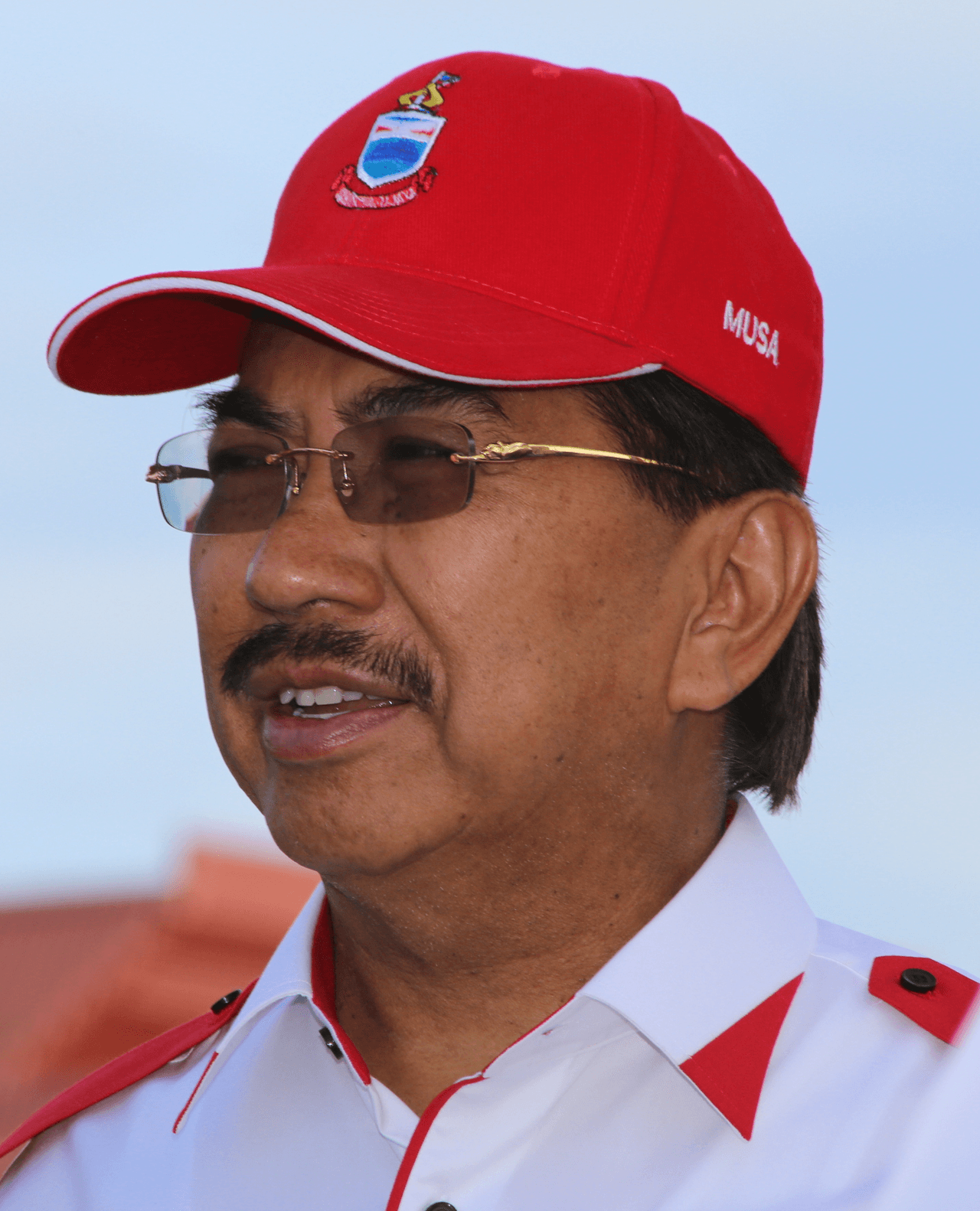
Musa Aman
Yang di-Pertua Negeri of SabahThe former Sungai Sibuga assemblyman who led Sabah for fifteen years, contested the 2018 transition and returned as Yang di-Pertua Negeri.Read biography1958—
Yong Teck Lee
President of the Sabah Progressive PartyThe lawyer and former PBS deputy leader who founded SAPP in 1994, led Sabah from 1996 to 1998 and later returned as a nominated assemblyman.Read biography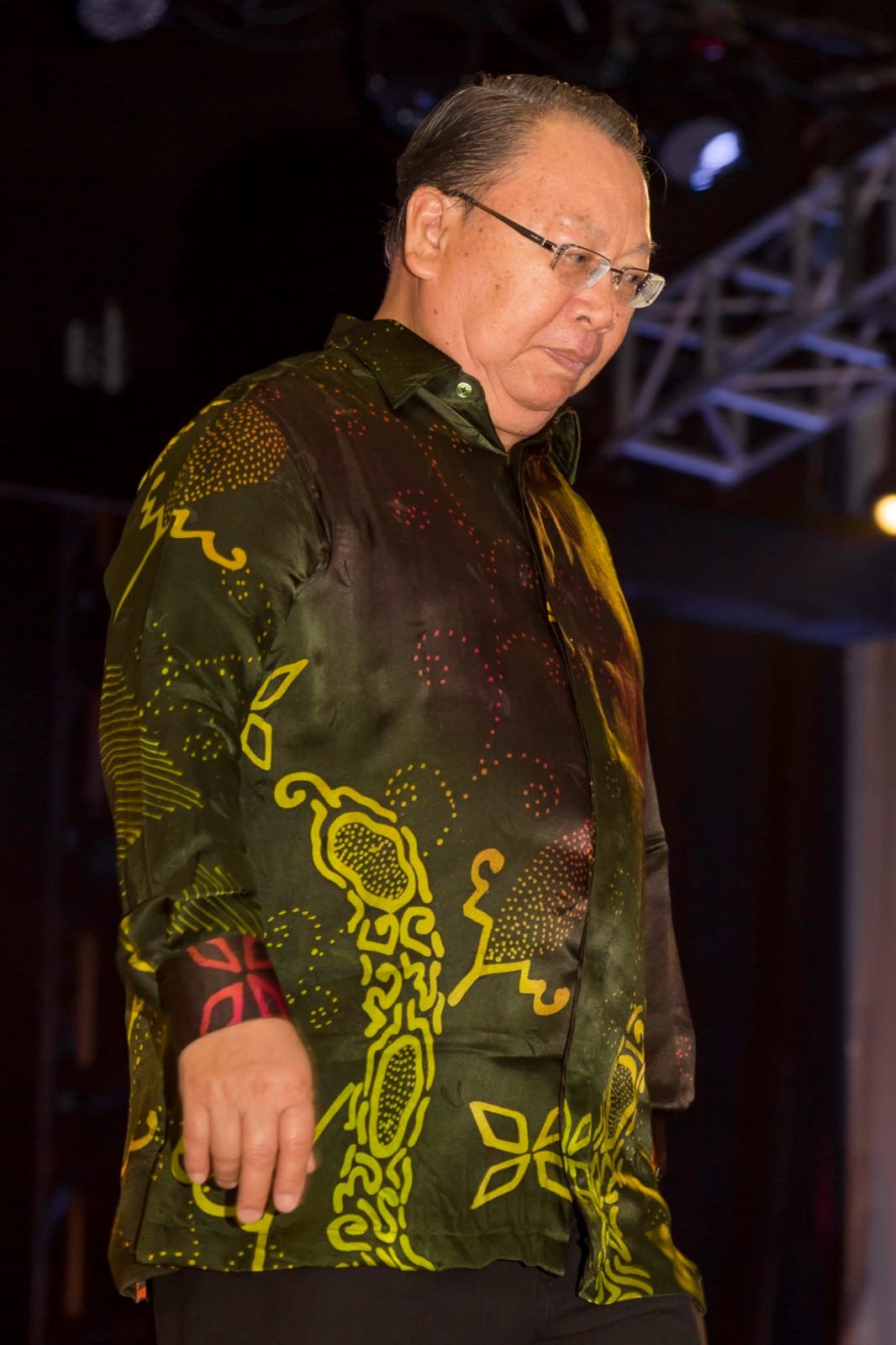
1940—
Joseph Pairin Kitingan
Founder of PBS and former Chief Minister of SabahThe lawyer and Kadazandusun leader who founded PBS, led four consecutive state-election victories and served as Sabah’s chief minister for nearly nine years.Read biography
1953—
Maximus Ongkili
Chairman of the Energy Commission of Sabah and former PBS PresidentThe researcher-turned-politician who represented Sabah in Parliament for twenty-seven years, led several federal ministries and became PBS’s second president.Read biography
1948—
Jeffrey Kitingan
President of STAR and Member of Parliament for KeningauThe Keningau MP, Tambunan assemblyman and STAR founder whose long career centres on Sabah autonomy, MA63 and Indigenous political representation.Read biography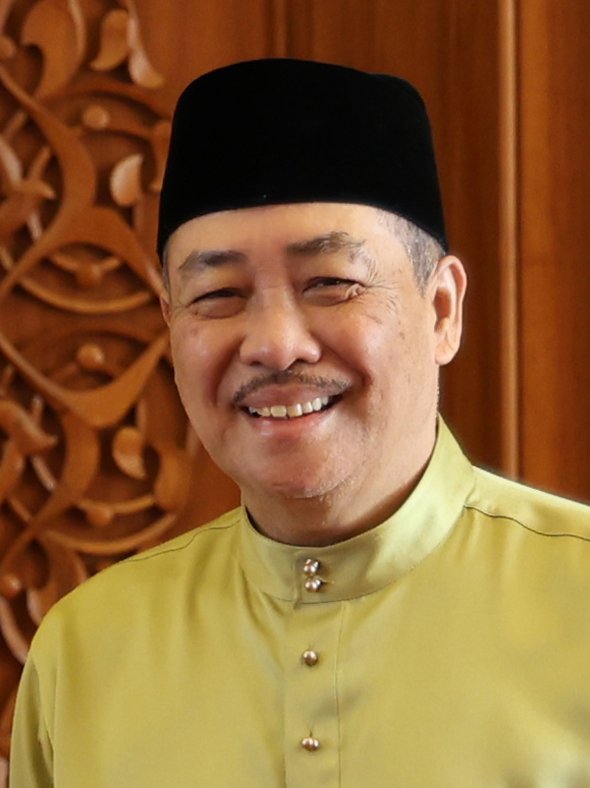
1955—
Hajiji Noor
Chief Minister of Sabah and Chairman of Gabungan Rakyat SabahThe long-serving Sulaman assemblyman who became Sabah chief minister in 2020 and won a second term at the 2025 state election.Read biography
1950—
Masidi Manjun
Deputy Chief Minister and Finance Minister of SabahThe lawyer and former public administrator who has represented Karanaan since 2004 and now serves as Sabah’s Deputy Chief Minister II and finance minister.Read biography1958—
Joachim Gunsalam
Deputy Chief Minister of Sabah and President of PBSThe physician and six-term Kundasang assemblyman who rose through PBS, entered Sabah’s senior cabinet and became the party’s third president.Read biography
1956—
Shafie Apdal
President of Parti Warisan and Member of Parliament for SempornaThe Semporna parliamentarian, former federal minister and Warisan founder who led Sabah from 2018 until the 2020 state election.Read biography1947—
Chong Kah Kiat
Former Chief Minister of Sabah and lawyerThe Kudat lawyer who built LDP, served in the federal cabinet and led Sabah from 2001 until the rotation arrangement ended in 2003.Read biographyQuick answers
Common questions
- When was the 2008 Sabah state election held?
- Polling took place on 8 March 2008 at the same time as Malaysia’s 12th general election.
- How many seats did BN win in Sabah in 2008?
- BN won 59 of the 60 elected state constituencies.
- Which party won the only opposition seat?
- DAP won Sri Tanjong through candidate Jimmy Wong Sze Phin.
- How many seats did UMNO win?
- UMNO contested and won 32 seats, an assembly majority on its own.
- What was the BN component-party breakdown?
- UMNO won 32, PBS 12, UPKO six, SAPP four, LDP three, and MCA and PBRS one each.
- Was any state seat uncontested?
- Yes. Zakaria Mohd Edris was returned for BN–UMNO in Gum-Gum after the PKR candidate withdrew.
- Who was chief minister after the election?
- Musa Aman remained chief minister after retaining Sungai Sibuga and leading BN to 59 seats.
- When did SAPP leave BN?
- SAPP withdrew on 17 September 2008, but only two of its four elected assembly members followed it out of the coalition.
Primary and institutional sources
How this history was checked
Official election records establish the date and constituency result; ElectionData supplies the ballot totals; UiTM, UMS and Monash research explain regional voting patterns; contemporary reporting documents SAPP’s post-election exit. This article was reviewed on 4 October 2026.
- Election Commission of Malaysia, Sabah OfficeDates of Parliamentary and State Elections in Sabah
- ElectionData.mySabah 2008 State Election Results
- Universiti Teknologi MARAThe 2008 Malaysian General Elections in Sabah: Looking Beyond the “Peninsular Factor”
- Monash UniversityGoing Against the Tide: Sabah and the 2008 Malaysian General Election
- Universiti Malaysia SabahChinese Politics in Sabah and the 12th General Election
- Parliament of MalaysiaArchived Member Record: Wong Sze Phin @ Jimmy
- The StarSAPP Pulls Out of Barisan
- Government of SabahOfficial List of Sabah Chief Ministers
- Wikimedia CommonsMusa Aman Photograph and CC BY-SA 3.0 Record