
The short answer
From 22 to 25 February 1986, a military breakaway and mass civilian mobilisation on EDSA ended Ferdinand Marcos’s twenty-year rule. Corazon Aquino took office, beginning a difficult transition from authoritarian government to a new constitutional democracy.
Chronology
A timeline of the turning points
Benigno Aquino Jr. is assassinated
The opposition leader was killed after returning from exile. His death became a catalyst for sustained protest, investigation and a broader coalition against the Marcos regime.
Marcos calls a special election
Under domestic and international pressure, Marcos announced an early presidential contest. Corazon Aquino became the opposition’s principal candidate.
The Philippines votes
The special election produced competing counts and widespread allegations of intimidation and fraud. The official canvass declared Marcos the winner, while Aquino and independent monitors challenged the result.
Enrile and Ramos withdraw support
Defence Minister Juan Ponce Enrile and armed forces vice chief Fidel Ramos announced their break with Marcos and took positions at Camps Aguinaldo and Crame.
Civilians gather on EDSA
After Cardinal Jaime Sin appealed over Radio Veritas, large crowds brought food, formed human barriers and gathered around the camps to protect the breakaway forces.
The balance of force shifts
More military units defected or refused to attack the crowds. Civilian resistance, church networks and independent broadcasting helped prevent the regime from isolating the camps.
Aquino takes office and Marcos departs
Corazon Aquino was sworn in at Club Filipino. The Marcos family left Malacañang later that day and went into exile, ending twenty years of Marcos rule.
A provisional constitution begins the transition
Proclamation No. 3 adopted the Freedom Constitution and provided for reforms and the drafting of a new charter.
The 1987 Constitution is ratified
Voters approved a new constitution that restored a presidential system, a bicameral Congress, a bill of rights and new limits on martial-law powers.
What was the People Power Revolution?
People Power—also called the EDSA Revolution—was the four-day mass mobilisation from 22 to 25 February 1986 that ended Ferdinand Marcos’s presidency and installed Corazon Aquino. It combined a military breakaway with a much larger civilian effort to shield the rebels and resist a violent crackdown.
The event was not spontaneous in the sense of appearing without history. It followed years of resistance under authoritarian rule, the political rupture created by Benigno Aquino Jr.’s assassination and the disputed presidential election held two weeks before the crowds occupied EDSA.
The election crisis and military breakaway
The 7 February special election gave citizens a direct choice between Marcos and Aquino but did not resolve the struggle for legitimacy. Official institutions proclaimed Marcos, while opposition groups and independent observers cited fraud and challenged the result. Aquino called for nonviolent civil resistance.
On 22 February, Enrile and Ramos publicly withdrew support from Marcos after a failed military plot and appealed for protection. Their position was initially precarious. The arrival of civilians around Camps Crame and Aguinaldo changed the political cost of using force and encouraged further defections.
How civilians, churches and media shaped EDSA
Cardinal Sin’s broadcast appeal helped mobilise people through Catholic parish networks, but the crowd was politically and socially diverse. Families, religious communities, workers, students, professionals and opposition organisers occupied the avenue, supplied the camps and placed unarmed bodies between soldiers and military units loyal to Marcos.
Radio Veritas and improvised independent broadcasting carried appeals and reports when control of information was strategically decisive. Images of civilians offering food and flowers to soldiers became the revolution’s global symbol, but the peaceful outcome also depended on commanders and troops repeatedly refusing or avoiding orders that could have produced mass violence.
From revolutionary government to the 1987 Constitution
Aquino’s oath on 25 February marked a transfer of power, not the immediate restoration of every constitutional institution. Her government initially exercised exceptional authority under a provisional “Freedom Constitution” while dismantling structures of the previous regime and convening a constitutional commission.
The constitution ratified on 2 February 1987 restored an elected bicameral Congress and strengthened rights and institutional checks. It also imposed clearer limits on presidential declarations of martial law, including reporting to Congress, time limits and review by both Congress and the Supreme Court.
Legacy, influence and unfinished questions
People Power became an international model of nonviolent democratic mobilisation and inspired the language of later protest movements. In the Philippines, it reopened electoral competition, civil liberties and independent institutions after authoritarian rule.
Its legacy is also debated. Elite continuity, inequality, repeated coup attempts and the political return of the Marcos family demonstrate that a change of government did not settle every question of power, justice or historical memory. Understanding EDSA requires holding its democratic achievement together with the limits of the transition that followed.
Continue the chronology
Related history guides
Philippines History Timeline
Place EDSA and the democratic transition inside the longer national chronology.
Read the timeline19 biographiesPeople Power and Philippine Democracy Figures
Meet the legal, political, media, religious, military and constitutional figures across the democratic transition.
Read the timeline24 biographiesDemocracy, Dictatorship and Restoration
Trace the longer constitutional crisis from the 1969 election through the 1987 charter.
Read the timeline21 Aug 1983The Ninoy Aquino Assassination
Trace the political rupture that accelerated the opposition coalition.
Read the timeline1986—1987The 1987 Philippine Constitution
Continue through the commission, plebiscite and restored institutional safeguards.
Read the timelineConnected biographies
Fifteen biographies behind dictatorship, mobilisation and transition
1933—2009
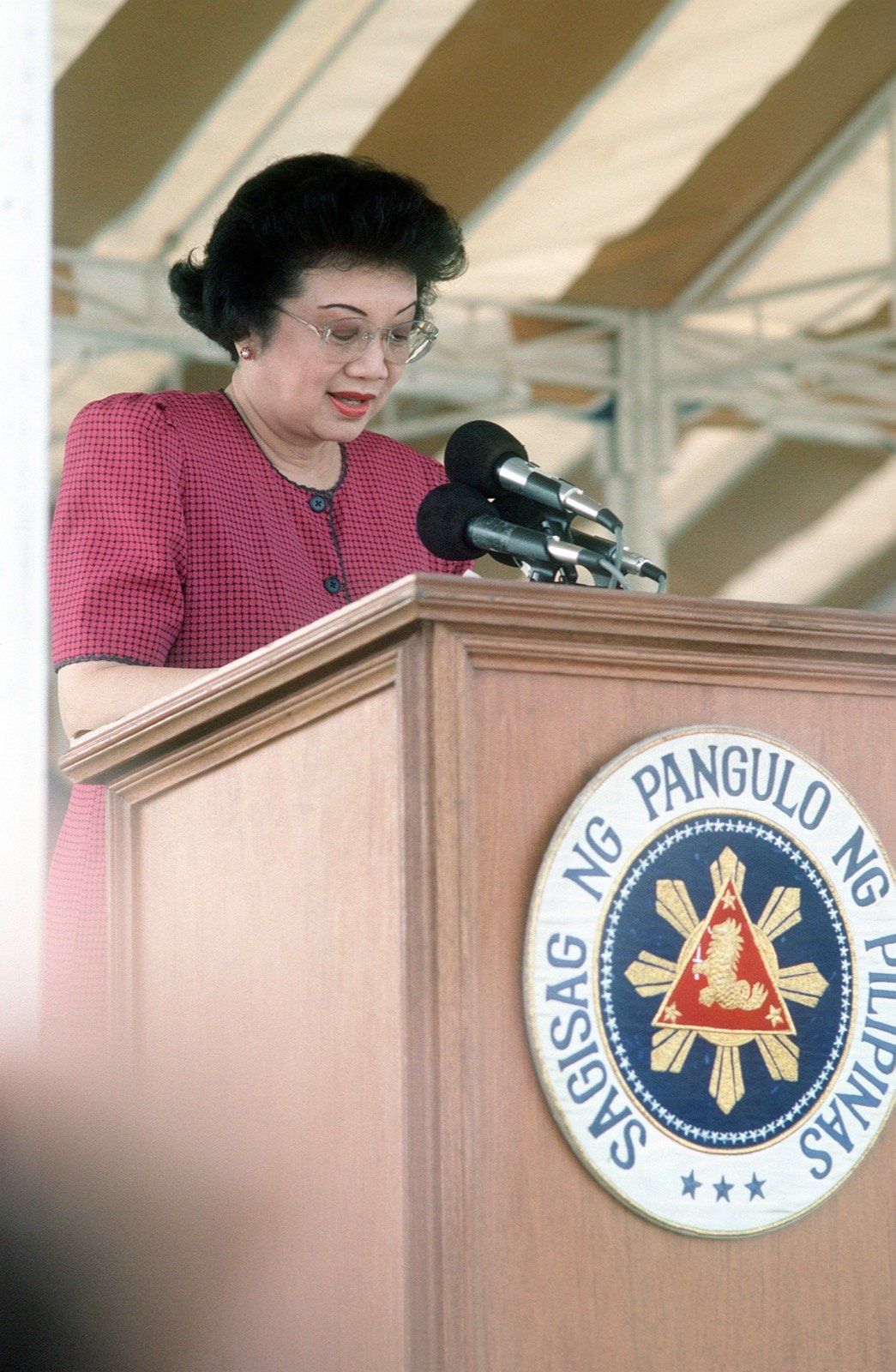
Corazon Aquino
President of the Philippines, 1986–1992The opposition leader who became president after People Power and restored constitutional government following the Marcos dictatorship.Read biography
1917—1989
Ferdinand Marcos
President of the Philippines, 1965–1986A president who imposed martial law, dismantled democratic checks and ruled for two decades before the 1986 People Power Revolution forced him from office.Read biography
1932—1983
Benigno Aquino Jr.
Senator and opposition leaderThe senator known as Ninoy whose imprisonment, exile and assassination on returning to Manila transformed opposition to Ferdinand Marcos.Read biography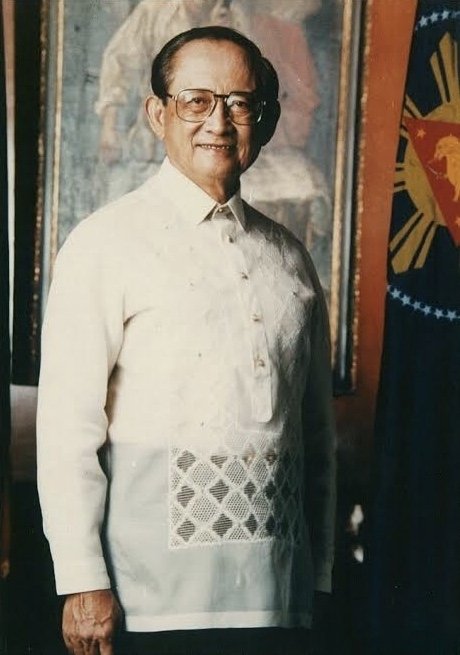
1928—2022
Fidel V. Ramos
President of the Philippines, 1992–1998The general who withdrew support from Ferdinand Marcos during People Power and later served as defence secretary and the Philippines’ twelfth president.Read biography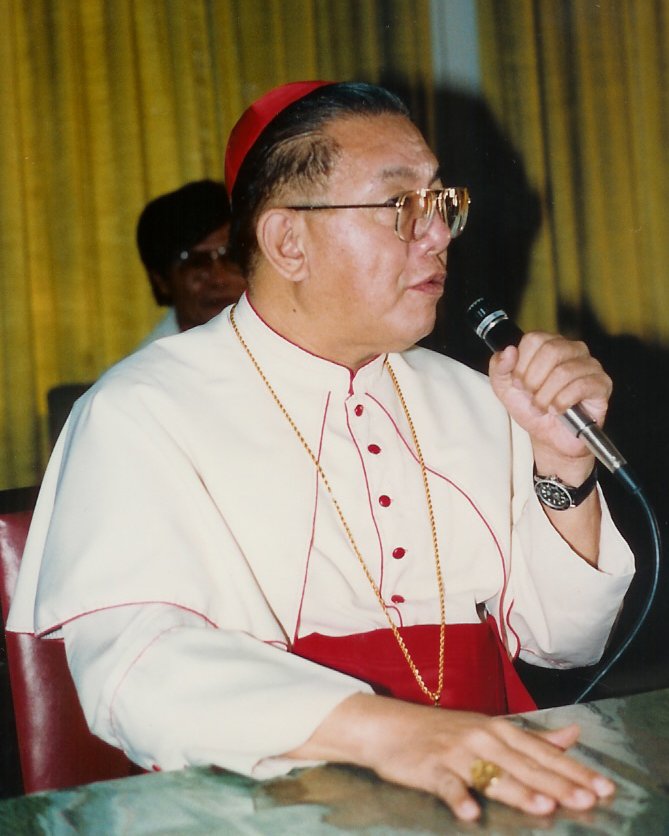
1928—2005
Jaime Cardinal Sin
Cardinal and Archbishop of ManilaThe Archbishop of Manila whose religious authority, democratic advocacy and Radio Veritas appeal helped bring civilians onto EDSA in February 1986.Read biography
1924—2025
Juan Ponce Enrile
Defence minister and Senate presidentThe lawyer and defence minister whose career stretched from the declaration of martial law to the EDSA breakaway, four Senate terms and the Senate presidency.Read biography
1922—1987
Jose W. Diokno
Senator, lawyer and human rights advocateA Filipino senator and civil-liberties lawyer known as Ka Pepe who was detained without charge under martial law and built a national network of human rights defenders.Read biography
1898—1992
Lorenzo Tañada
Senator, nationalist and anti-dictatorship leaderA four-term Filipino senator known as Ka Tanny who returned from retirement to defend political prisoners and lead public resistance under martial law.Read biography
1920—2016
Jovito Salonga
Opposition senator and post-EDSA Senate presidentA Filipino lawyer, opposition leader and statesman who survived wartime imprisonment and the Plaza Miranda bombing before helping rebuild the Senate after EDSA.Read biography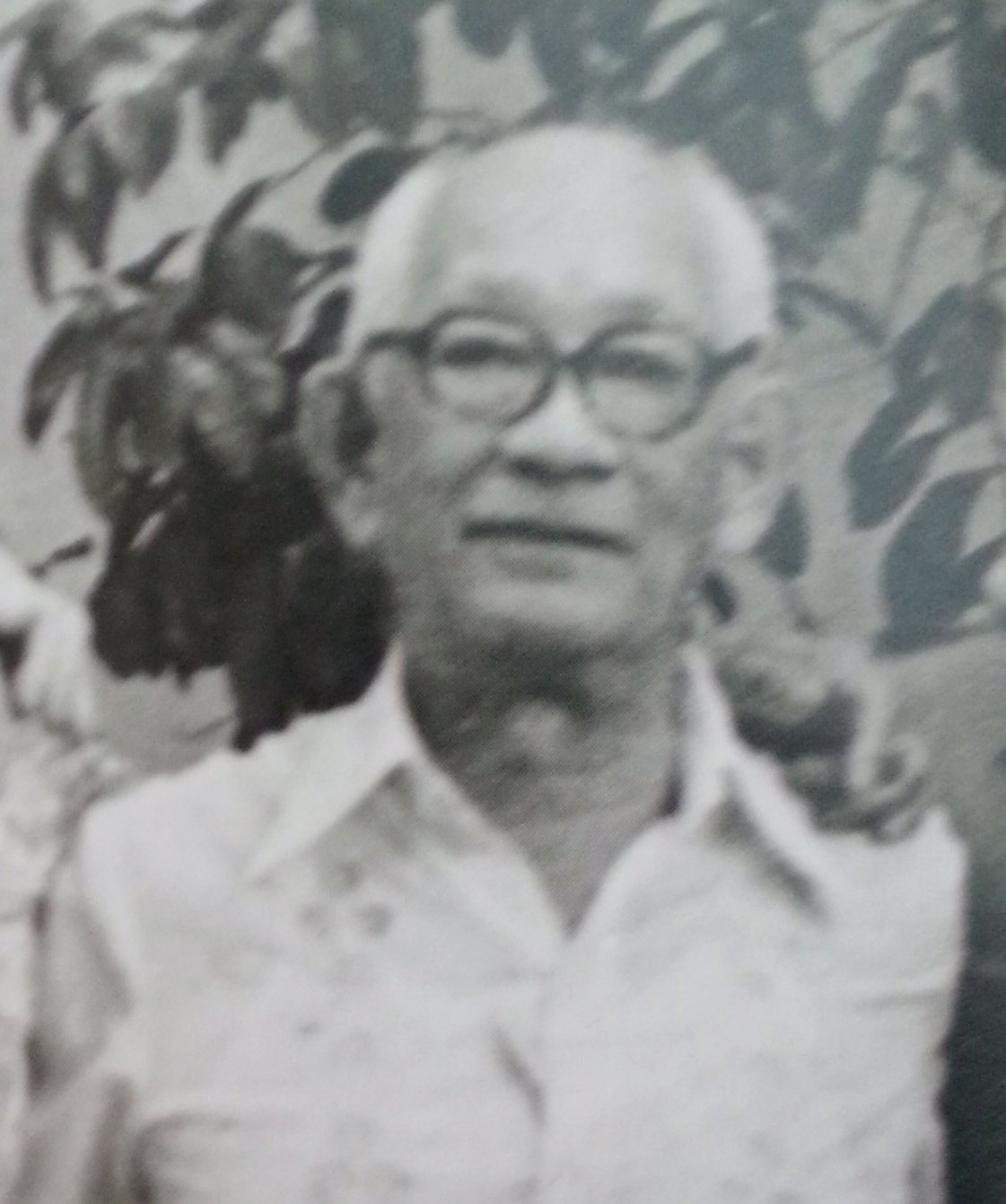
1913—1988
Chino Roces
Publisher, journalist and democracy campaignerA Filipino newspaper publisher whose media organisations were closed under martial law and who later became a visible organiser of democratic protest.Read biography
1913—2006
Cecilia Muñoz-Palma
Supreme Court justice and constitutional leaderA pioneering Filipino jurist whose martial-law dissents defended civilian courts and whose post-EDSA leadership helped frame the 1987 Constitution.Read biography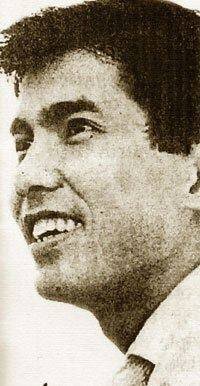
1942—1986
Evelio Javier
Governor and democratic opposition leaderA Filipino lawyer and former Antique governor whose assassination during the 1986 election canvass intensified public anger before People Power.Read biography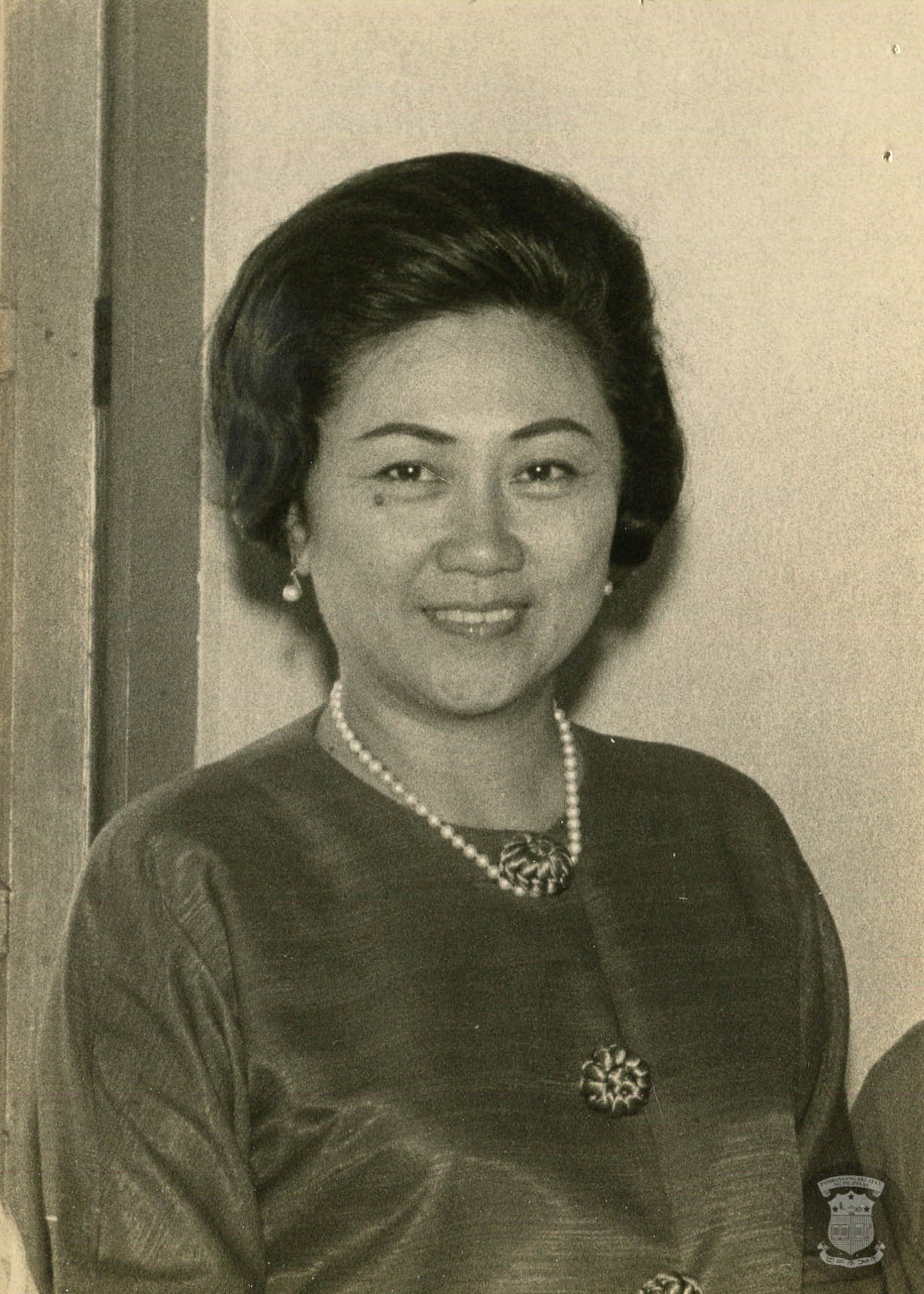
1920—2017
Eva Estrada Kalaw
Senator, educator and opposition leaderAn educator and civic organiser who served in the Senate from 1965 until its closure, survived Plaza Miranda and helped organise electoral opposition under martial law.Read biography
1928—1994
Mamintal A. J. Tamano
Senator and advocate for Muslim Mindanao autonomyA lawyer and senator from Lanao del Sur whose two Senate terms bridged the chamber closed in 1972 and the democratic legislature restored in 1987.Read biography
1928—2004
Salvador H. Laurel
Opposition leader and vice president of the PhilippinesA lawyer, senator and opposition coalition leader who became vice president after the disputed 1986 election and People Power Revolution.Read biographyQuick answers
Common questions
- When was the People Power Revolution?
- The main EDSA mobilisation lasted from 22 to 25 February 1986. It culminated in Corazon Aquino taking office and the Marcos family leaving the Philippines.
- Why is it called the EDSA Revolution?
- The largest crowds gathered along Epifanio de los Santos Avenue, commonly called EDSA, around Camps Aguinaldo and Crame in Metro Manila.
- Was People Power a military coup or a civilian revolution?
- It contained both elements. A military breakaway created the immediate crisis, while mass civilian mobilisation protected the rebels, discouraged an assault and transformed the event into a broader democratic revolution.
- Who became president after EDSA?
- Corazon Aquino was sworn in as president on 25 February 1986. Ferdinand Marcos also held a ceremony that day but left Malacañang and the country later that evening.
- What changed after the revolution?
- The Aquino government began a constitutional transition, restored civil liberties and created institutions for democratic government. The 1987 Constitution re-established Congress and added checks on executive and martial-law powers.
Primary and institutional sources
How this history was checked
Dates, legal milestones and historical claims are checked against the official and institutional records below. This article was reviewed on 8 September 2026.
- National Historical Commission of the PhilippinesEDSA People Power historical marker
- Senate of the Philippines Legislative Reference BureauBatas Pambansa Blg. 883 — the 7 February 1986 special election
- National Historical Commission of the PhilippinesCorazon C. Aquino historical marker
- National Historical Commission of the PhilippinesFerdinand E. Marcos historical marker
- The LawPhil ProjectProclamation No. 3 — the 1986 provisional constitution
- The LawPhil Project1987 Constitution of the Republic of the Philippines
- The LawPhil ProjectProclamation No. 58 — ratification of the 1987 Constitution
- Presidential Commission on Good GovernmentPCGG timeline after the EDSA Revolution