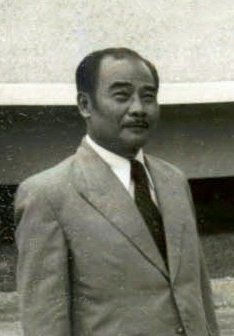
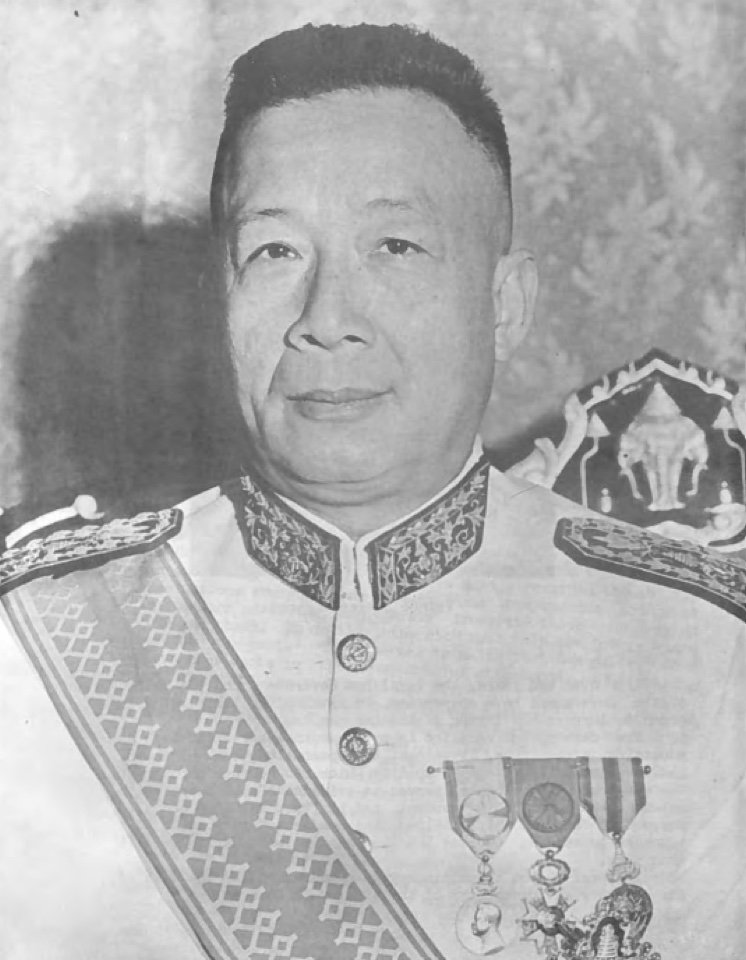
In this biography
Quick facts
- Born
- 19 January 1890
- Died
- 14 October 1959
- Birthplace
- Luang Prabang, Laos
- Country
- Laos
- Nationality
- Lao
- Known for
- Leading the 1945 independence government and Lao Issara movement
- Title
- Prince and former viceroy of Laos
- Office
- Prime minister, 1941–1945
- Movement
- Lao Issara · Free Laos
- Exile
- Thailand, 1946–1957
Why this life matters
Phetsarath connects royal administration, wartime decolonisation and the first organised effort to prevent the restoration of French rule in Laos.
Timeline
Key moments
Born in Luang Prabang
Born into the royal house of Luang Prabang.
Became prime minister
Led the royal administration during the final years of French colonial rule.
Defended independence
Opposed restoration of French authority after Japan’s surrender and headed the Lao Issara government.
Government entered exile
French forces returned and Lao Issara leaders regrouped in Thailand.
Lao Issara dissolved
The movement split over a French offer of greater autonomy; Phetsarath remained in Thailand.
Returned to Laos
Came home after twelve years in exile and was welcomed as a national figure.
From royal administration to national reform
Phetsarath was born into the royal house of Luang Prabang and educated for public service in Indochina and France. He returned to a protectorate divided into territories that French administrators managed through different arrangements. Rising through the civil service, he became the most influential Lao official of his generation and used that position to press for a more unified administration, a larger Lao bureaucracy and stronger national institutions.
He became prime minister in 1941 and later served as viceroy. Those offices did not make colonial power disappear, but they gave a Lao statesman unusual reach across the country. His administrative programme matters because the idea of Laos as a single political community was still being built; independence in 1945 therefore rested partly on institutions and networks developed during his years inside the protectorate.
The 1945 break with France and Lao Issara
Japan displaced French authority in March 1945 and then surrendered in August, leaving a sudden contest over who could speak for Laos. King Sisavang Vong was prepared to accept the return of French protection. Phetsarath rejected that course, issued instructions intended to keep the administration functioning independently and was dismissed as viceroy after refusing to retreat from the claim to sovereignty.
Nationalists in Vientiane proclaimed a unified, independent Laos in October and organised the Lao Issara, or Free Laos, government with Phetsarath at its head. The new government lacked the military resources and international recognition needed to withstand a French return. French forces retook the main towns in 1946, and the leadership crossed into Thailand, where it tried to sustain an exile government and diplomatic campaign.
Exile, return and historical reputation
The exile movement divided as France offered Laos greater autonomy within the French Union. Most Lao Issara leaders accepted an amnesty and returned in 1949, while Phetsarath rejected the settlement and remained in Thailand. His half-brother Souvanna Phouma pursued constitutional politics in the kingdom; another half-brother, Souphanouvong, continued armed struggle and became the public leader of the Pathet Lao. Their different paths made one royal family a map of Laos’s postwar political divisions.
Phetsarath finally returned to Laos in 1957 and received a public welcome, but he did not regain executive power before his death in 1959. Royalists, neutralists and revolutionaries later drew different lessons from his career. What remains consistent is his place at the junction between administrative nation-building and anticolonial action: he helped imagine a unified Lao state and then led the first government that attempted to defend its independence after the Second World War.
Quick answers
Frequently asked questions about Phetsarath Ratanavongsa
- Who was Phetsarath Ratanavongsa?
- Phetsarath Ratanavongsa was a prime minister and leader of Lao Issara. Phetsarath connects royal administration, wartime decolonisation and the first organised effort to prevent the restoration of French rule in Laos.
- What is Phetsarath Ratanavongsa best known for?
- Phetsarath Ratanavongsa is best known for leading the 1945 independence government and Lao Issara movement.
- When and where was Phetsarath Ratanavongsa born?
- Phetsarath Ratanavongsa was born on 19 January 1890 in Luang Prabang, Laos.
- When did Phetsarath Ratanavongsa die?
- Phetsarath Ratanavongsa died on 14 October 1959.
Sources and further reading
Explore the evidence
These references support the biography and offer further reading. Official records, first-person accounts and independent reporting provide different perspectives; image records document attribution and licensing.