
The short answer
Asimbonanga had different meanings when Mandela was imprisoned, when he appeared beside Johnny Clegg and when the song was performed after his death. This guide follows those changing settings while preserving the distinction between a songwriter, a band recording and a public event.
Chronology
A timeline of the turning points
Song and album chronology
Coplan dates the composition to 1986; the official biography dates Third World Child to 1987.
A changed political setting
Mandela joins Clegg on stage in Europe, later recalled by the Foundation.
A memorial rendition
Clegg and the Soweto Gospel Choir perform at a Mandela tribute in Johannesburg.
Remembering the musician
The Foundation recalls the song within its account of Clegg’s life.
The 1987 album date is not a claim that every form began that year
The official biography dates Savuka’s Third World Child to 1987. David Coplan’s personal remembrance dates Asimbonanga to 1986. A composition, a single and an album can carry different dates; this guide’s 1987 reading path identifies the album context rather than certifying an exhaustive first-release discography.
The Mandela archive’s tribute entry also associates the song with 1987, but identifies music websites among its sources. That is useful evidence of later cataloguing, not an inspected original label or matrix record capable of settling every release variant.
The recording belongs to Savuka, not to a renamed Juluka
Savuka and Juluka were distinct groups. The official chronology identifies the album with Savuka; a listener seeking that recording should not assume that Clegg’s presence makes the band names interchangeable.
The distinction changes a practical listening question. Is a catalogue entry identifying a band, a songwriter or a later performance? Preserving those separate credits makes comparisons useful without claiming that every interpretation belongs to an identical ensemble.
Sources for this section: [1]
Mandela’s absence was part of the original political setting
The historical biography places the song’s Mandela dedication during his imprisonment and identifies other anti-apartheid figures within its commemorative frame. The point is not merely that a future president happened to like a popular song: its earlier public meaning involved absence and political exclusion.
That context should not be read backwards through later celebratory footage. The Foundation’s account describes Clegg as an activist and supporter of Mandela’s projects, but it does not claim that the recording alone secured a prisoner’s release or represented every position in the liberation movement.
The 1999 encounter changed the scene without changing the earlier history
The Mandela Foundation recalls an evening in Europe in 1999 when Mandela joined Clegg during Asimbonanga. Its remembrance supports the encounter; it does not by itself settle every venue and day reproduced in later captions.
The once-absent dedicatee was now physically present beside the musician. That contrast explains the scene’s later resonance without requiring the 1980s recording to have anticipated every use. A live encounter and a studio recording remain different events, with different participants and conditions of performance.
Sources for this section: [4]
A memorial performance gave the work another public role
On 9 December 2013 Clegg and the Soweto Gospel Choir performed the song at a Mandela tribute hosted at the Foundation in Johannesburg. Its event report distinguishes that rendition from the evening’s opening national anthem and from other artists’ musical contributions.
Here the work helped people remember someone who had died, rather than call attention to an imprisoned person or welcome him on stage. Following these settings makes the song’s continued use more concrete than calling it timeless. No lyrics, complete recording or concert-video viewing are reproduced or claimed here.
Sources for this section: [7]
Biography context
Explore South Africa through connected lives
Johnny Clegg
Read the wider history of teachers, collaborators, scholarship and performance.
Explore the biographiesThe dedicateeNelson Mandela
Keep imprisonment, release and presidency in their documented chronology.
Explore the biographiesCompare public receptionMannenberg
Explore another work whose political life developed through performance and audiences.
Explore the biographiesConnected biographies
The musician and the longer collaborative career
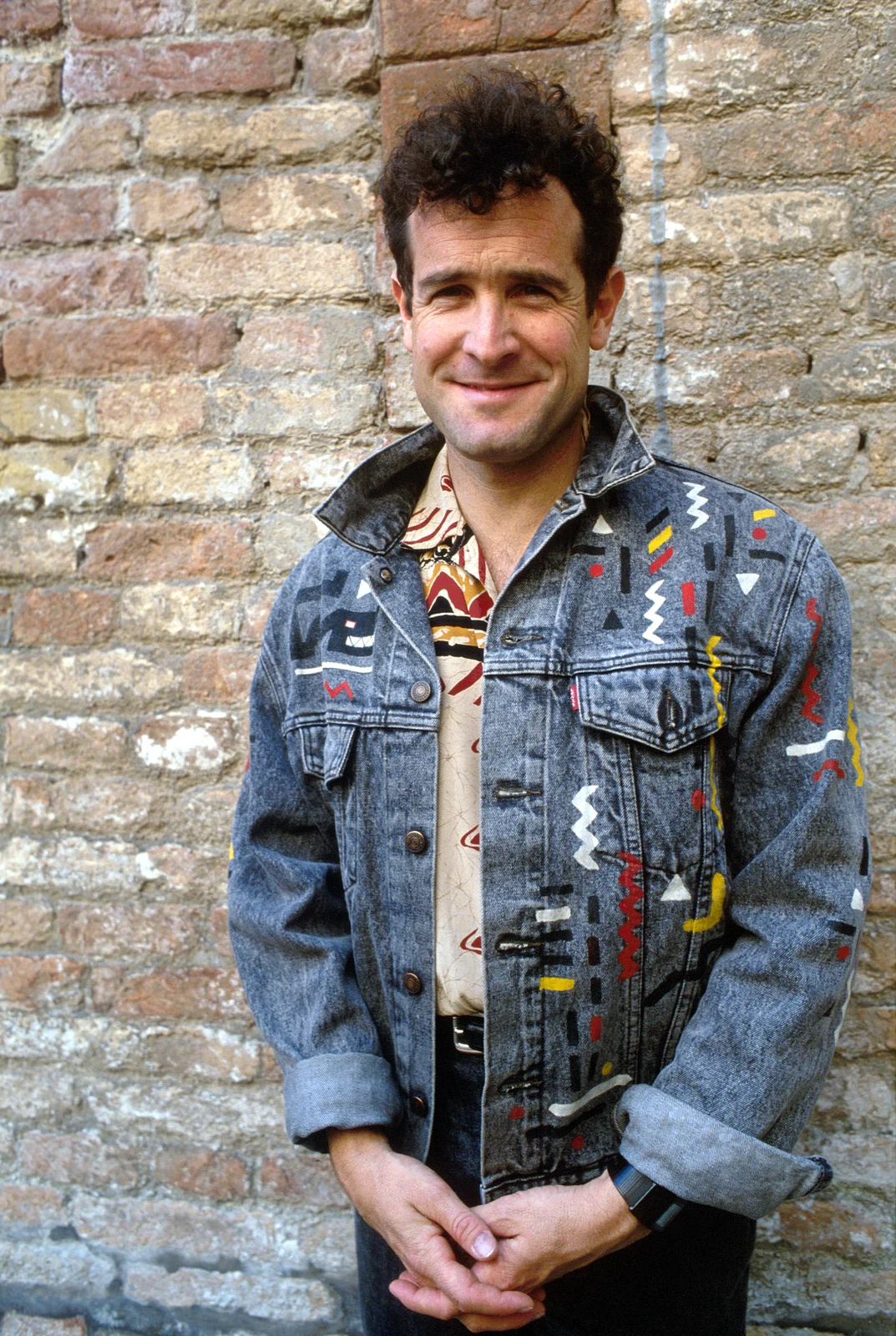
1953–2019
Johnny Clegg
Musician, songwriter, dancer and anthropologistJohnny Clegg built a South African musical career through relationships with Zulu musicians, university study and performance. Juluka and Savuka brought different collaborators and audiences into his work, while apartheid shaped the practical conditions under which the bands could play.Read biographyQuick answers
Common questions
- Why does the guide use 1987 if another account says 1986?
- 1987 identifies the Third World Child album; Coplan dates the composition to 1986. Different recording and publication events need not share one date.
- Was Asimbonanga a Juluka recording?
- This guide concerns its Savuka album context. Juluka and Savuka are distinct bands.
- Did Mandela join a performance?
- The Foundation recalls him joining Clegg on stage in Europe in 1999, without establishing every precise date or venue in later captions.
- Was the 2013 tribute the same event?
- No. Clegg performed with the Soweto Gospel Choir in Johannesburg after Mandela’s death.
Primary and institutional sources
How this history was checked
Selected historical biography, Coplan’s attributed reminiscence, the specific archival tribute entry and Foundation event records. Archive metadata is not a newly inspected original record sleeve. Official-site and SAHO shared passages use one work budget; no lyrics or complete audio/video consumed. The 1992 portrait is contextual. This article was reviewed on 24 October 2026.
- Johnny Clegg official siteHistorical biography — Juluka, Savuka and selected recording chronology
- South African History OnlineJonathan Clegg — birth, death and selected career record
- David Coplan / South African History Online25 July 2019 — personal account of intellectual and performance work
- Nelson Mandela Foundation17 July 2019 — relationship, performances and 1999 recollection
- Gorup de Besanez / Wikimedia CommonsExact 1992 own-work portrait — first/current CC BY-SA 3.0
- Nelson Mandela Centre of MemoryTributes catalogue, MR-T-7-4-0568 — selected Asimbonanga entry only
- Nelson Mandela Foundation9 December 2013 — selected event and Clegg/choir performance passages