
The short answer
The 1790 public-debt dispute was not a simple choice between paying and refusing to pay. Hamilton and Madison disagreed about whose claims should benefit when wartime securities had changed hands. The subsequent statute supplies a separate test of what became law.
Document comparison
Three records, three evidential jobs
The enacted text is compared with proposals, not treated as their duplicate.
| Record | Claim about the debt | What it cannot establish alone |
|---|---|---|
| Hamilton report, selected passages | Transfer security supports present holders | The entire enacted funding scheme |
| Madison, reported speech | Composition between current holders and original sellers | A verbatim transcript or actual payment totals |
| Funding Act, sections 3–9 | Subscription, instruments, transfer and retained rights | Every later payment or the whole fiscal programme |
Chronology
A timeline of the turning points
Hamilton report
Report dated; communicated to the House on 14 January.
Madison’s argument
Reported speech distinguished four claimant classes.
Funding Act
Congress approved specified subscription and certificate terms.
Separate the proposal, the debate and the statute
Hamilton’s Report Relative to a Provision for the Support of Public Credit was dated 9 January 1790 and communicated to the House on 14 January. His opening argument linked reliable public promises to a government’s ability to borrow in emergencies. The passages considered here concern original and present holders of debt, not every part of his wider fiscal programme.
Madison’s 11 February speech survives here as a report in the Congressional Register. Founders Online’s editorial note makes the transmission unusually important: Thomas Lloyd’s surviving notes for that day do not include Madison’s speech. It is evidence of his reported argument, not an exact modern transcript. The act approved on 4 August is a third kind of record: enacted terms rather than either speaker’s complete preferred policy.
Hamilton makes transfer security central
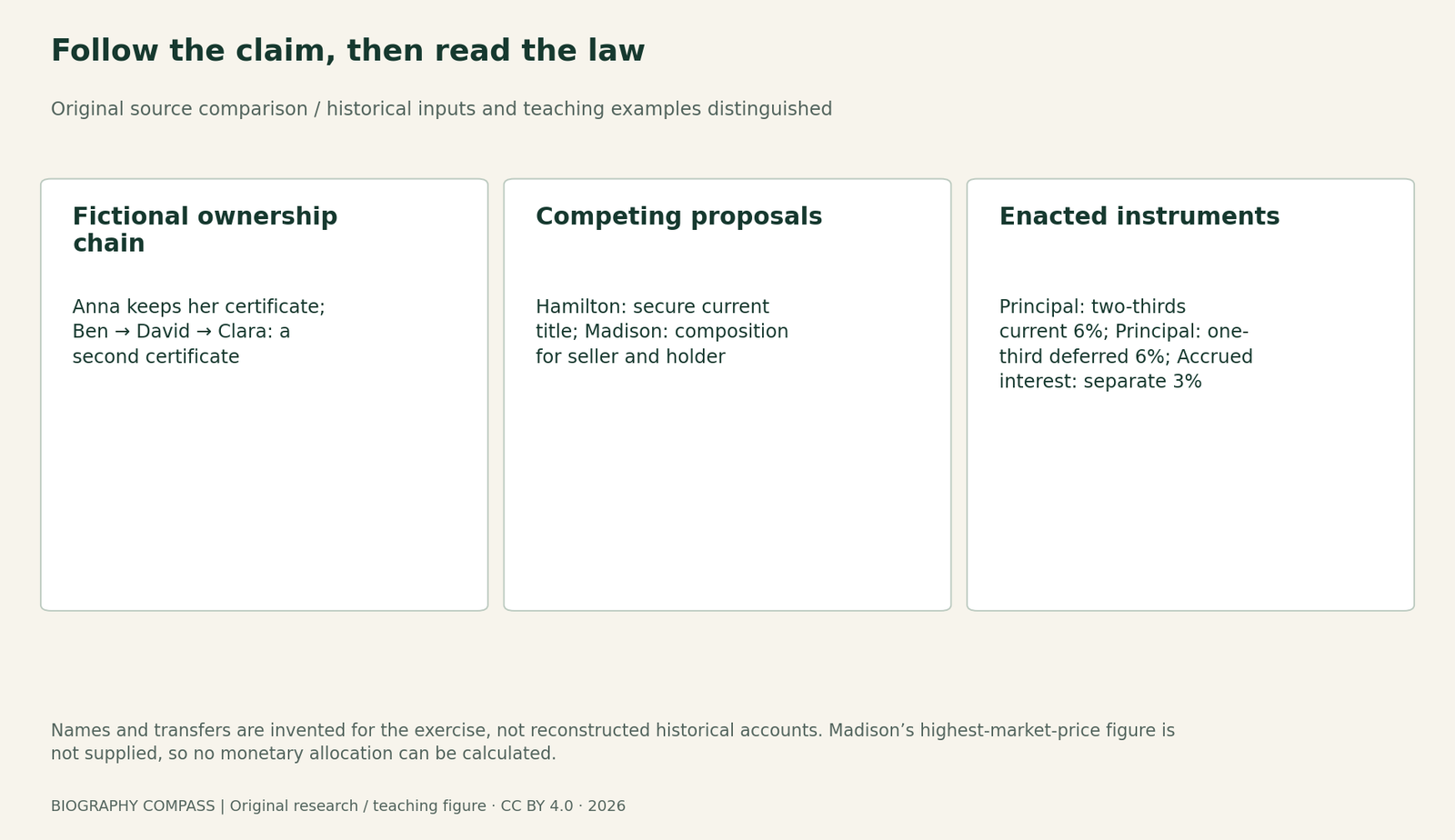
Some original recipients had sold their securities at depressed prices. Hamilton nevertheless opposed discriminating against current holders who had acquired transferable claims. In his reasoning, reliable transfer was part of the obligation itself. Undermining it would damage the public credit the government was trying to establish.
He did not deny that an original recipient forced to sell could have suffered. His argument assigned responsibility for that loss to the government’s earlier failure rather than treating a later buyer’s recognised title as the appropriate source of redress. This distinction between an injury and a remedy is more precise than the slogan that he simply favoured speculators.
Sources for this section: [1]
Madison distinguishes four creditor positions
Madison separated original holders who had retained their claims, original holders who had sold, present purchasers, and intermediate purchasers who no longer held the securities. He accepted full provision for the first group and did not propose reopening every completed intermediate transaction. His difficult case concerned the original seller and the current holder.
For that conflict he proposed a composition: present holders would receive the highest market price, with the residue going to original sufferers. He acknowledged the validity of present holders’ claims while seeking a remedy for wartime losses. Paying each group the full face value would misstate his proposal, and substituting each buyer’s purchase price would also change it.
Sources for this section: [2]
The enacted instruments were not immediate cash at par
Sections 3–5 of the Funding Act provided a subscription mechanism using existing debt certificates. For principal, subscribers received a division between two-thirds bearing six per cent interest currently and one-third whose six per cent interest would begin after 1800. Accrued interest was treated through a separate three per cent instrument. The old claim therefore became specified new securities, rather than one immediate cash payment of its face amount.
Section 7 provided for transfers in the books, while section 9 preserved rights for non-subscribers. These provisions reveal choices about administration and participation as well as credit. Reading them does not establish that all Hamilton’s reports were enacted unchanged, or that a statute’s promised interest proves every payment was subsequently made exactly as scheduled.
Sources for this section: [3]
Exercise: follow one claim through several hands
Use four fictional people. Anna received a wartime certificate and still holds it. Ben received another certificate, sold it to David, and no longer holds it. David later sold it to Clara, who holds it now. Classify all four under Madison’s categories. Then identify who has the recognised current claim under Hamilton’s argument and where Madison’s proposed composition would create an additional beneficiary.
Worked answer: Anna is an original retaining holder, Ben an original seller, David an intermediate purchaser and Clara the present holder. Hamilton’s transfer argument recognises Anna’s and Clara’s current claims. Madison also provides for Anna, but proposes sharing the benefit of the second claim between Clara and Ben; David’s completed intermediate ownership creates no separate compensation claim in this passage. No numerical allocation can be calculated without a highest market price and a defined claim amount. This is a map of arguments, not a reconstructed historical payment account.
Continue the chronology
Related history guides
Biography context
Explore United States through connected lives
Connected biographies
People in these records
1755/1757–1804
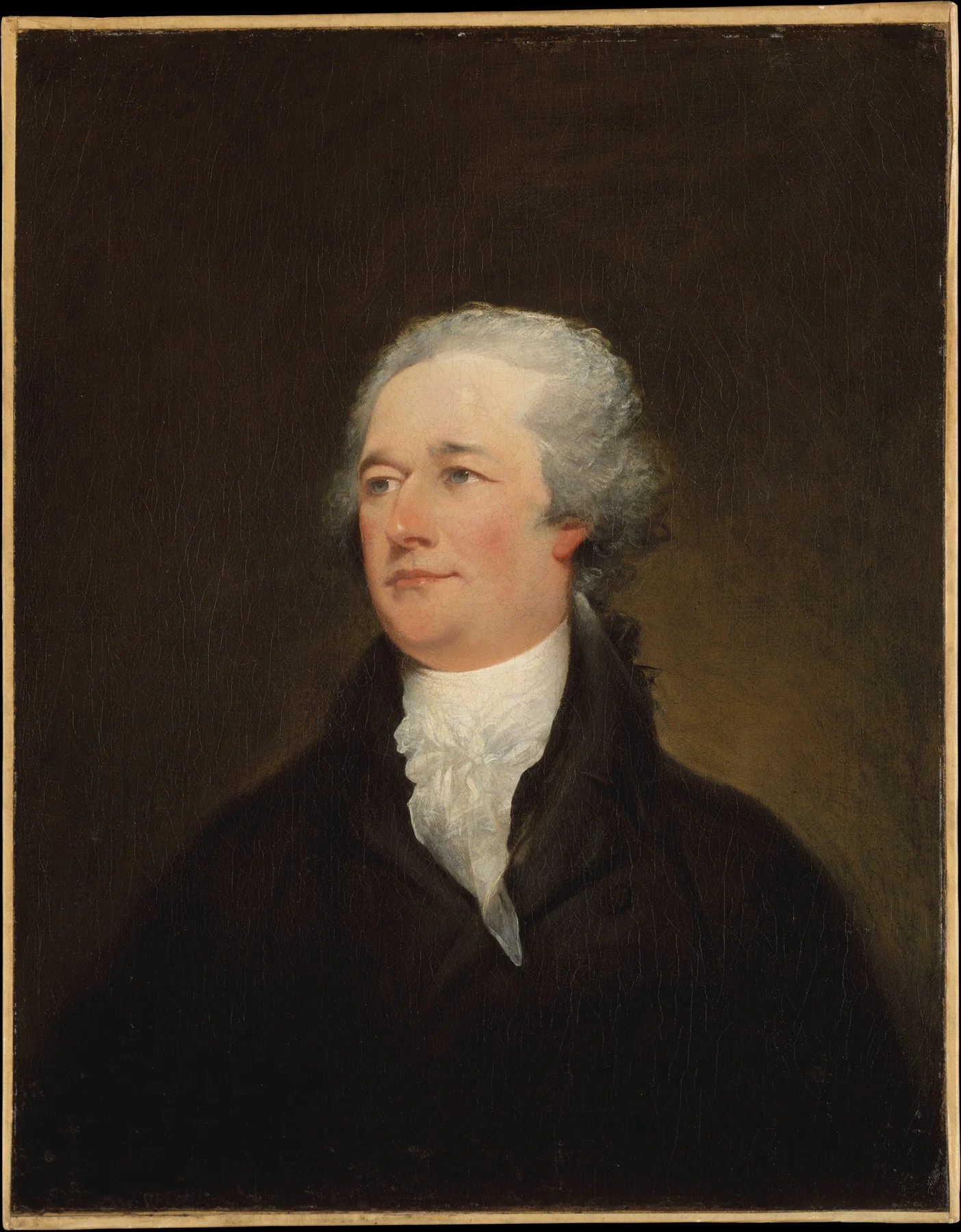
Alexander Hamilton
Revolutionary officer and first U.S. Treasury secretaryAlexander Hamilton brought experience of Caribbean commerce, revolutionary military service and constitutional argument to the first Treasury Department. His proposals helped give the new federal government an operating financial system.Read biography1751–1836
James Madison
Constitutional organiser and fourth U.S. presidentJames Madison helped turn arguments about a stronger union into constitutional institutions, then organised opposition to the policies of that government. His presidency brought the republic into war with Britain.Read biography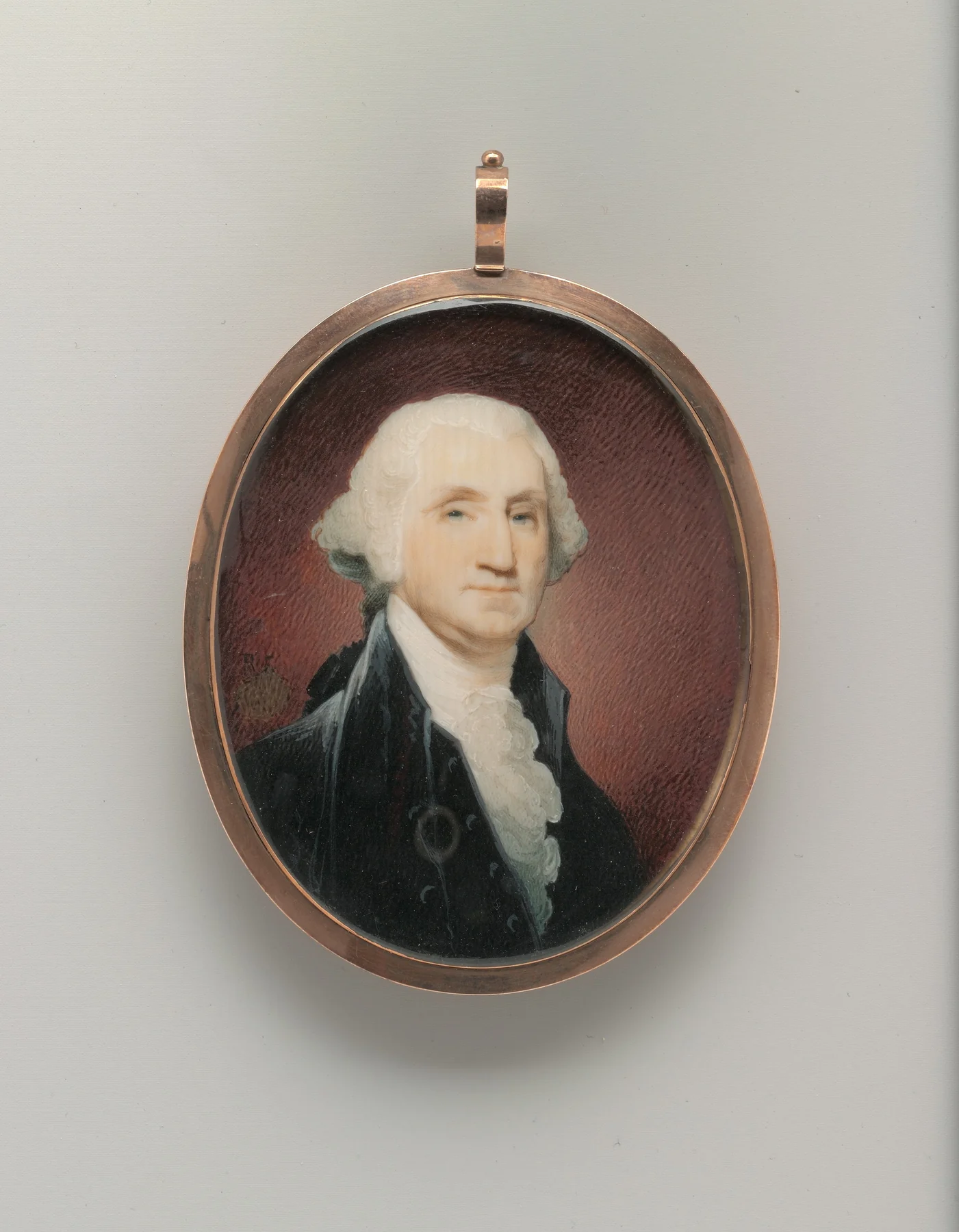
1732–1799
George Washington
Continental Army commander and first U.S. presidentGeorge Washington moved from surveying and colonial military service to command of the Continental Army and the presidency. His public authority rested on wartime leadership, civilian restraint and decisions that shaped the new federal government.Read biographyQuick answers
Common questions
- Did Madison propose two full payments for one debt?
- No. He proposed dividing the benefit in the disputed seller–holder case.
- Did the Funding Act immediately pay every certificate in cash?
- No. The selected provisions created subscription terms and new interest-bearing instruments.
Primary and institutional sources
How this history was checked
Read the historical documents alongside the stated access scopes. Proposals, enacted provisions and later interpretations are distinguished. This article was reviewed on 27 October 2026.
- Founders Online, National Archives / Hamilton PapersReport Relative to a Provision for the Support of Public Credit,[9 January 1790]
- Founders Online, National Archives / Madison PapersDiscrimination between Present and Original Holders of the Public Debt,[11 February]1790
- U.S. Statutes at Large / GovInfoAct making provision for the debt of the United States, 4 August 1790, 1 Stat. 138