The short answer
Philippine history cannot be reduced to a sequence of colonial rulers and presidents. This timeline connects early maritime societies, anticolonial reform and revolution, two imperial transitions, wartime occupation, independence, authoritarian rule and democratic restoration to the people who experienced and contested them.
Chronology
A timeline of the turning points
Trading polities connect the archipelago
Diverse communities and political centres traded within maritime Southeast Asia and with China, India and the Islamic world before European colonisation.
The Magellan expedition reaches the islands
A Spanish-sponsored expedition arrived in the archipelago. Lapulapu’s forces defeated the expedition at Mactan, where Ferdinand Magellan was killed.
Spanish colonial rule takes permanent form
Miguel López de Legazpi established a permanent settlement at Cebu in 1565 and made Manila the colonial capital in 1571.
Gomburza are executed
Priests Mariano Gómez, José Burgos and Jacinto Zamora were executed after the Cavite Mutiny, becoming symbols for a later reform generation.
Rizal publishes two political novels
Noli Me Tangere and El Filibusterismo exposed colonial and clerical abuses and helped shape a transnational reform movement.
The Katipunan is founded
Andrés Bonifacio and fellow organisers created a secret society committed to separation from Spain and national independence.
Revolution begins and Rizal is executed
The discovery of the Katipunan triggered open revolt in August. Spanish authorities executed José Rizal in Manila on 30 December.
Philippine independence is declared
Emilio Aguinaldo proclaimed independence at Kawit, although neither Spain nor the United States recognised the declaration.
A republic and a new colonial war
The First Philippine Republic was inaugurated at Malolos before war with the United States destroyed its conventional government and widened into resistance.
The Commonwealth begins
An elected government led by Manuel L. Quezon began a planned transition toward independence under continuing United States sovereignty.
Japanese occupation and liberation
Occupation brought mass violence, deprivation and resistance. Allied return in 1944 led to destructive fighting, including the Battle of Manila.
The independent republic is recognised
The United States relinquished sovereignty and recognised the Republic of the Philippines, with Manuel Roxas as president.
Parity and rebellion test the new republic
The Bell Trade Act and parity amendment constrained economic policy while the Huk rebellion joined land conflict to disputes over wartime legitimacy and political inclusion.
Magsaysay makes reform and access a presidential programme
Ramon Magsaysay’s government weakened the Huks, expanded complaint channels and rural programmes, and remained closely aligned with U.S. Cold War strategy.
Macapagal pursues economic and land reform
Diosdado Macapagal lifted exchange controls, moved the Independence Day observance to June 12 and signed the Agricultural Land Reform Code.
Marcos wins the presidency
Ferdinand Marcos defeated incumbent Macapagal and reformist Raul Manglapus in a competitive election followed by a peaceful transfer.
Marcos becomes the first reelected Philippine president
Marcos defeated Nacionalista challenger Sergio Osmeña Jr. amid intense campaign spending, violence and an economy under growing strain.
The First Quarter Storm widens protest
Student-led demonstrations connected inequality, corruption, police violence and foreign influence to a growing constitutional crisis.
Constitutional reform and political violence collide
An elected Constitutional Convention opened in June. In August, grenades thrown at a Liberal Party rally in Plaza Miranda killed and injured candidates, supporters and bystanders.
Ferdinand Marcos imposes martial law
Proclamation No. 1081 was dated 21 September; arrests and media closures followed before Marcos announced martial law publicly on 23 September.
The 1973 Constitution is declared in force
Marcos declared ratification through citizens’ assemblies. In Javellana, a divided Supreme Court found no majority for valid ratification but no further judicial obstacle to the charter operating.
Benigno Aquino Jr. is assassinated
The opposition leader was killed after returning from exile, accelerating protest and a national crisis of legitimacy.
A snap election produces rival claims
The official canvass declared Marcos the winner, while the Aquino opposition and citizen monitors rejected the credibility of the result.
People Power ends Marcos rule
A military breakaway and mass civilian mobilisation on EDSA culminated in Corazon Aquino taking office and Marcos leaving the country.
Farmers are killed at Mendiola
A march for comprehensive land reform ended in gunfire near Malacañang, killing thirteen farmers and exposing the social limits of political restoration.
A new constitution is ratified
Voters approved a charter restoring elected institutions and adding stronger checks on executive and martial-law powers.
A coup attempt challenges civilian rule
Rebel military personnel attacked and occupied strategic sites before loyal forces defeated the most serious armed challenge to the Aquino government.
The Senate rejects a new U.S. bases treaty
A 12–11 vote withheld constitutional concurrence and led to the closure of the major permanent U.S. bases under the old arrangement.
A regular presidential succession follows EDSA
Fidel V. Ramos won a seven-candidate election by plurality. Miriam Defensor Santiago challenged the result, but her protest ended without a merits ruling.
The government and MNLF sign a final peace agreement
The accord joined integration, development and regional institutions to a negotiated autonomy process whose implementation remained incomplete.
Regional financial contagion reaches the peso
The central bank widened the currency band as pressure spread across Asian markets. Growth later contracted, although the banking system avoided the deepest regional collapse.
Estrada wins a decisive plurality and Arroyo the vice presidency
Joseph Estrada defeated Jose de Venecia in a ten-candidate presidential field, while Gloria Macapagal Arroyo won the separately elected vice presidency from the rival ticket.
EDSA II changes the presidency
An impeachment crisis, mass protest and military withdrawal preceded Gloria Macapagal Arroyo’s succession to Joseph Estrada.
A close election produces another legitimacy crisis
Congress proclaimed Gloria Macapagal Arroyo after the official canvass. Fernando Poe Jr.’s death ended his election protest before the tribunal could decide its merits.
Nationwide automation produces another split ticket
Benigno Aquino III won the presidency in the first nationwide automated election, while Jejomar Binay defeated Aquino’s running mate Mar Roxas for vice president.
The Senate convicts Chief Justice Renato Corona
Twenty senator-judges voted to convict on the asset-disclosure article, testing impeachment, judicial independence and public-official accountability.
An automated election realigns national power
Rodrigo Duterte won the presidency while Leni Robredo won a separately elected vice presidency, producing a split-ticket mandate and a new political coalition.
The Marcos–Duterte alliance wins national majorities
Ferdinand Marcos Jr. won the presidency and Sara Duterte the separately elected vice presidency with 58.77 and 61.53 percent respectively.
A Senate leadership dispute tests internal majority rule
Alan Peter Cayetano replaced Tito Sotto, a rival bloc later treated Win Gatchalian as acting president and a thirteen-member quorum formally elected Gatchalian on 17 June.
How should a Philippines history timeline be read?
A national timeline is a map of turning points, not a complete history. The archipelago contained diverse trading communities, sultanates and local political systems long before a single colonial administration or national republic existed.
This guide connects constitutional change to the people affected by it. It also separates events often compressed into one date: declaration from recognition, a proclamation from its public enforcement and the fall of an authoritarian government from the longer work of democratic reconstruction.
The Philippines did not begin with European arrival
Before 1521, communities across Luzon, the Visayas and Mindanao participated in maritime trade and formed varied systems of authority. Islam was already established in parts of the southern Philippines, while links across the South China Sea connected local economies to much larger networks.
Calling Magellan’s arrival a discovery erases those societies. The 1521 expedition is historically important because it initiated sustained European claims, and the battle at Mactan demonstrates that local leaders made their own strategic choices from the beginning.
From colonial rule to reform and revolution
Permanent Spanish settlement began in 1565, and Manila became the colonial capital in 1571. Colonial rule joined church, tribute, forced labour, trade and local intermediaries into a system that changed across more than three centuries and was never uncontested.
By the late nineteenth century, education, print and travel created a wider reform public. José Rizal, Marcelo H. del Pilar and other propagandists demanded rights and representation, while the Katipunan organised for independence. The 1896 Revolution emerged from these connected but distinct political strategies.
Why 1898, 1899 and 1946 all matter
The declaration of 12 June 1898 asserted Filipino sovereignty after the defeat of Spanish colonial power, but the Treaty of Paris transferred Spain’s claim to the United States. The First Philippine Republic opened at Malolos in January 1899 and then fought a new colonial war.
The United States recognised an independent republic only on 4 July 1946, after the Commonwealth transition and the devastation of Japanese occupation. June 12 and July 4 therefore record different stages: a revolutionary national claim and a later legal relinquishment of U.S. sovereignty.
War, occupation and the postwar republic
The Commonwealth was intended to prepare national institutions for independence, but war interrupted the timetable. The government operated in exile, a Japanese-sponsored republic governed under occupation and resistance movements emerged across the islands.
Postwar leaders inherited destroyed cities, displaced communities and disputes over collaboration, justice and reconstruction. Independence was constitutionally decisive, yet the Bell Trade Act, parity rights and military agreements preserved substantial United States influence over the new republic.
The Huk rebellion exposed rural inequality and competing claims to wartime legitimacy. Ramon Magsaysay’s counterinsurgency and reform programme reduced the movement as a national threat, but land concentration and dependence remained unresolved when his presidency ended in 1957.
Competitive politics did not prevent a concentration of power
Diosdado Macapagal’s presidency combined market decontrol, a new Independence Day observance and a major agricultural land-reform framework. The 1965 election then transferred power peacefully to Ferdinand Marcos, who defeated both the incumbent and a reformist third ticket led by Raul Manglapus.
Marcos won reelection in 1969, but debt, inflation, corruption allegations and political violence deepened public distrust. The First Quarter Storm of January to March 1970 moved students and other sectors into sustained mass protest. The 1971 Constitutional Convention opened a lawful route to reform, while the Plaza Miranda bombing and suspension of the writ showed how quickly emergency power and partisan violence could narrow that route.
These events did not make dictatorship inevitable. They show a constitutional order under severe pressure before martial law was imposed—and explain why the drafting and claimed ratification of the 1973 Constitution remain inseparable from the authoritarian setting in which they occurred.
Martial law was a legal act and an authoritarian system
Ferdinand Marcos placed the country under martial law through Proclamation No. 1081. Congress was closed, media organisations were shut, opposition figures were detained and presidential decrees became a central instrument of government.
Formal martial law ended in January 1981, but Marcos remained in power until February 1986. This is why the wider authoritarian era is usually described as 1972–1986. Its history includes documented violations, corruption and censorship as well as resistance by lawyers, students, workers, Indigenous communities, religious networks, journalists and opposition politicians.
People Power restored democratic institutions, not a finished democracy
Benigno Aquino Jr.’s assassination in 1983 widened the opposition to Marcos. A disputed special election, military breakaway and four days of civilian mobilisation on EDSA ended his presidency in February 1986 and brought Corazon Aquino to office.
The 1987 Constitution restored Congress, strengthened rights and limited martial-law powers. Yet political violence, entrenched dynasties, unequal wealth and unresolved accountability survived the transition. The Mendiola killings and Lean Alejandro’s unsolved assassination in 1987 are reminders that constitutional restoration did not immediately make public life safe.
The December 1989 coup attempt tested civilian authority, while the Senate’s 1991 rejection of a new U.S. bases treaty demonstrated an independent legislative role in foreign policy. EDSA II in 2001 then brought the constitutional order to another succession crisis—upheld by the Supreme Court but still politically contested.
Regular elections coexisted with recurring democratic crises
The 1992 election established the first scheduled presidential handover of the post-EDSA order. Under Fidel Ramos, legislation on local autonomy, higher education, health insurance and gender rights gave democratic restoration a practical institutional form, while the 1996 MNLF agreement pursued peace through negotiated integration and autonomy.
The Asian financial crisis tested that record. The peso came under pressure in July 1997 and the economy contracted in 1998, although the Philippines avoided the banking collapse experienced elsewhere in the region. That year Joseph Estrada won a decisive presidential plurality while Gloria Macapagal Arroyo won the separately elected vice presidency. EDSA II then replaced Estrada with Arroyo in 2001, and the close 2004 election produced another long legitimacy dispute.
The first nationwide automated election in 2010 gave Benigno Aquino III a strong plurality but elected opposition candidate Jejomar Binay as vice president. The Senate’s 2012 conviction of Chief Justice Renato Corona showed impeachment operating as a constitutional accountability mechanism, while critics disputed its political setting and implications for judicial independence. In 2016, automated voting produced another split ticket and opened a new period of political realignment. Six years later, Ferdinand Marcos Jr. and Sara Duterte won decisive but constitutionally separate majorities, returning the Marcos family to the presidency and showing how quickly a campaign alliance could dominate—and later fracture.
Institutional instability also appeared inside the legislature. Between May 2024 and June 2026, four senators led the chamber across five successive periods. The contested June 2026 reorganisation was resolved politically when thirteen senators formally elected Win Gatchalian, demonstrating both the authority and fragility of an internally maintained Senate majority.
Whose histories need more space?
A Manila-centred chronology can obscure Moro history, Indigenous politics, provincial movements, labour, migration and the different experiences of women and minority communities. Presidents are useful markers, but they do not explain how social change reaches a village, workplace, university or household.
Biography Compass will widen this timeline through connected lives and specialised guides. The aim is not merely to add more names, but to balance geography, gender, institutions and source types so that national history is not reduced to a sequence of men in Malacañang.
Continue the chronology
Related history guides
The Philippine Revolution
Follow the Katipunan, the uprising of 1896 and the declaration of independence.
Read the timeline1899—1901The First Philippine Republic
Examine Malolos, constitutional government and the war for sovereignty.
Read the timeline1899—1902The Philippine–American War
Trace conventional battle, regional guerrilla campaigns, civilian costs and the disputed end of fighting.
Read the timeline1942–1945The Japanese Occupation of the Philippines
Follow invasion, rival governments, resistance, civilian survival and liberation.
Read the timeline7 Jan–9 Apr 1942The Battle of Bataan
Trace the defensive lines, Filipino forces, hunger, disease and surrender.
Read the timelineApril 1942The Bataan Death March
Follow the prisoner routes through San Fernando and Capas to Camp O’Donnell.
Read the timelineDec 1941–6 May 1942The Battle of Corregidor
Continue from siege and Malinta Tunnel to the final landing and surrender.
Read the timeline20 Oct 1944The Leyte Landing
Follow the Allied return, Filipino guerrilla intelligence and the restored Commonwealth government.
Read the timeline23–26 Oct 1944The Battle of Leyte Gulf
Trace the four connected naval actions that protected the invasion of Leyte.
Read the timeline3 Feb–3 Mar 1945The Battle of Manila
Read liberation through massacre, artillery, civilian death and the destruction of the capital.
Read the timeline18 Mar 1945The Liberation of Panay
Connect Peralta’s guerrillas, Confesor’s civil authority and the landing at Tigbauan.
Read the timeline1–14 Jun 1945The Battle of Bessang Pass
Read how Filipino forces broke the mountain position guarding northern Luzon.
Read the timeline1935—1946Philippine Independence in 1946
Trace Commonwealth, occupation, liberation and formal U.S. recognition.
Read the timeline1946–1947The Bell Trade Act and Parity Rights
Read the economic conditions attached to recovery and the constitutional sovereignty debate.
Read the timeline1946–1954The Hukbalahap Rebellion
Connect land conflict and wartime legitimacy to political exclusion and counterinsurgency.
Read the timeline1953–1957The Ramon Magsaysay Presidency
Follow reform, public access, the Huk surrender and Cold War alignment.
Read the timeline1961–1965The Diosdado Macapagal Presidency
Trace decontrol, June 12, land reform and regional diplomacy.
Read the timeline9 Nov 1965The 1965 Philippine Presidential Election
Compare Marcos, Macapagal and Manglapus in the vote that changed national leadership.
Read the timeline11 Nov 1969The 1969 Philippine Presidential Election
Compare Marcos and Osmeña in the republic’s first presidential reelection.
Read the timelineJan–Mar 1970The First Quarter Storm
Connect student mobilisation, police violence and the deepening constitutional crisis.
Read the timeline21 Aug 1971The Plaza Miranda Bombing
Separate the casualty record and emergency response from still-disputed claims of responsibility.
Read the timeline1971–1972The 1971 Constitutional Convention
Follow elected delegates, reform debates and a draft completed after martial law.
Read the timeline1972—1986The Marcos Martial Law Era
Separate the proclamation, authoritarian system, human-rights record and resistance.
Read the timeline1972–1973The 1973 Philippine Constitution
Examine the postponed plebiscite, citizens’ assemblies and the divided Javellana ruling.
Read the timeline7 Feb 1986The 1986 Philippine Snap Election
Compare the rival tickets, official canvass, citizen count and collapse of electoral trust.
Read the timeline22—25 Feb 1986The People Power Revolution
Read the election crisis, military breakaway and civilian mobilisation in detail.
Read the timeline1986—1987The 1987 Philippine Constitution
Continue through the commission, plebiscite and restored institutional safeguards.
Read the timeline22 Jan 1987The Mendiola Massacre
Examine agrarian protest, lethal force, the citizens’ inquiry and unresolved accountability.
Read the timeline1–9 Dec 1989The 1989 Philippine Coup Attempt
Follow the military rebellion and constitutional response to national emergency.
Read the timeline16 Sep 1991The 1991 Senate Vote on U.S. Bases
Read the close treaty vote as a test of sovereignty and restored legislative authority.
Read the timeline11 May 1992The 1992 Philippine Presidential Election
Compare the seven-candidate vote, Ramos’s plurality and Santiago’s unfinished protest.
Read the timeline2 Sep 1996The 1996 MNLF Peace Agreement
Examine integration, regional institutions and the unfinished implementation of autonomy.
Read the timeline1997–1999The Asian Financial Crisis in the Philippines
Follow peso pressure, banking resilience, contraction and recovery.
Read the timeline11 May 1998The 1998 Philippine Presidential Election
Compare Estrada’s plurality, de Venecia’s loss, the split-ticket outcome and limited automation.
Read the timeline16–20 Jan 2001EDSA II and Presidential Succession
Connect impeachment, mass mobilisation and the Supreme Court’s ruling on succession.
Read the timeline10 May 2004The 2004 Philippine Presidential Election
Separate the official canvass, unfinished protest and later legitimacy controversy.
Read the timeline10 May 2010The 2010 Philippine Presidential Election
Follow Aquino’s victory, nationwide automation and the narrow Binay–Roxas result.
Read the timeline29 May 2012The Renato Corona Impeachment
Read the asset-disclosure case, competing institutional claims and 20–3 verdict.
Read the timeline9 May 2016The 2016 Philippine Presidential Election
Compare the automated vote, split-ticket winners and national realignment.
Read the timeline9 May 2022The 2022 Philippine Presidential Election
Read the official Marcos–Duterte totals, candidate field and automated canvass.
Read the timeline1935–presentVice Presidents of the Philippines
Follow succession, vacancies, split tickets and the disputed 1986 claim across the complete officeholder timeline.
Read the timeline1916–1972Pre-Martial-Law Senate Presidents
Meet all eleven leaders from the chamber’s creation through independence and martial-law closure.
Read the timeline1916–presentSenate Presidents of the Philippines
Trace constitutional interruptions, democratic restoration, coalition change and the disputed 2026 leadership sequence.
Read the timeline1907–presentSpeakers of the Philippine House
Follow every Assembly, House and Batasan leader through colonial rule, occupation, martial law and democratic restoration.
Read the timeline1987–presentRestored-House Speakers: Biography Archive
Meet all twelve leaders from Ramon Mitra Jr. to current Speaker Faustino Dy III.
Read the timelineConnected biographies
Seventy-one lives connecting colonial reform, revolution, postwar state-building, protest and democratic consolidation
 Philippines · Politics
1861—1896
José Rizal
Writer, physician and reform advocateA physician, novelist and reformer whose writings challenged Spanish colonial rule and helped give Philippine nationalism a common language.Read biography Philippines · Politics
1869—1964
Emilio Aguinaldo
Revolutionary leader and first president of the PhilippinesA revolutionary commander who declared independence from Spain and became president of the First Philippine Republic.Read biography Philippines · Politics
1878—1944
Manuel L. Quezon
President of the Commonwealth of the PhilippinesThe statesman who secured Commonwealth status, became its first president and led the Philippine government in exile during the Second World War.Read biography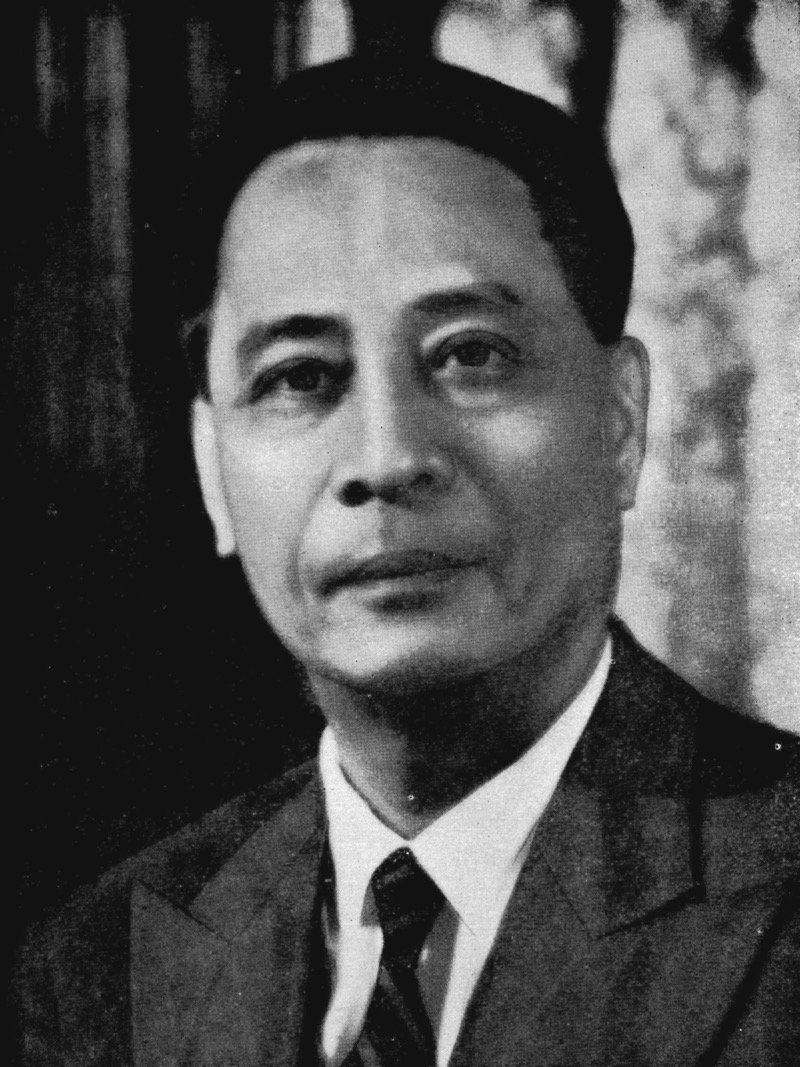 Philippines · Politics
1892—1948
Manuel Roxas
Last Commonwealth president and first president of the independent Third RepublicThe final Commonwealth president who became the first leader of the independent Third Republic and confronted postwar reconstruction.Read biography Philippines · Politics
1890—1986
Jose Avelino
First Senate president of the independent PhilippinesA Samar lawyer, legislator and cabinet secretary who became the first Senate president after Philippine independence and later ran for president in 1949.Read biography Philippines · Politics
1888—1964
Mariano Jesus Cuenco
Senate president, legislator and writerA Cebuano lawyer, writer, governor, cabinet secretary and legislator who led the Senate during the final years of the Quirino administration’s first Congress.Read biography Philippines · Politics
1884—1973
Quintin Paredes
Senate president, justice secretary and diplomatAn Abra-born lawyer who served as solicitor general, attorney general, justice secretary, House speaker, resident commissioner and briefly Senate president.Read biography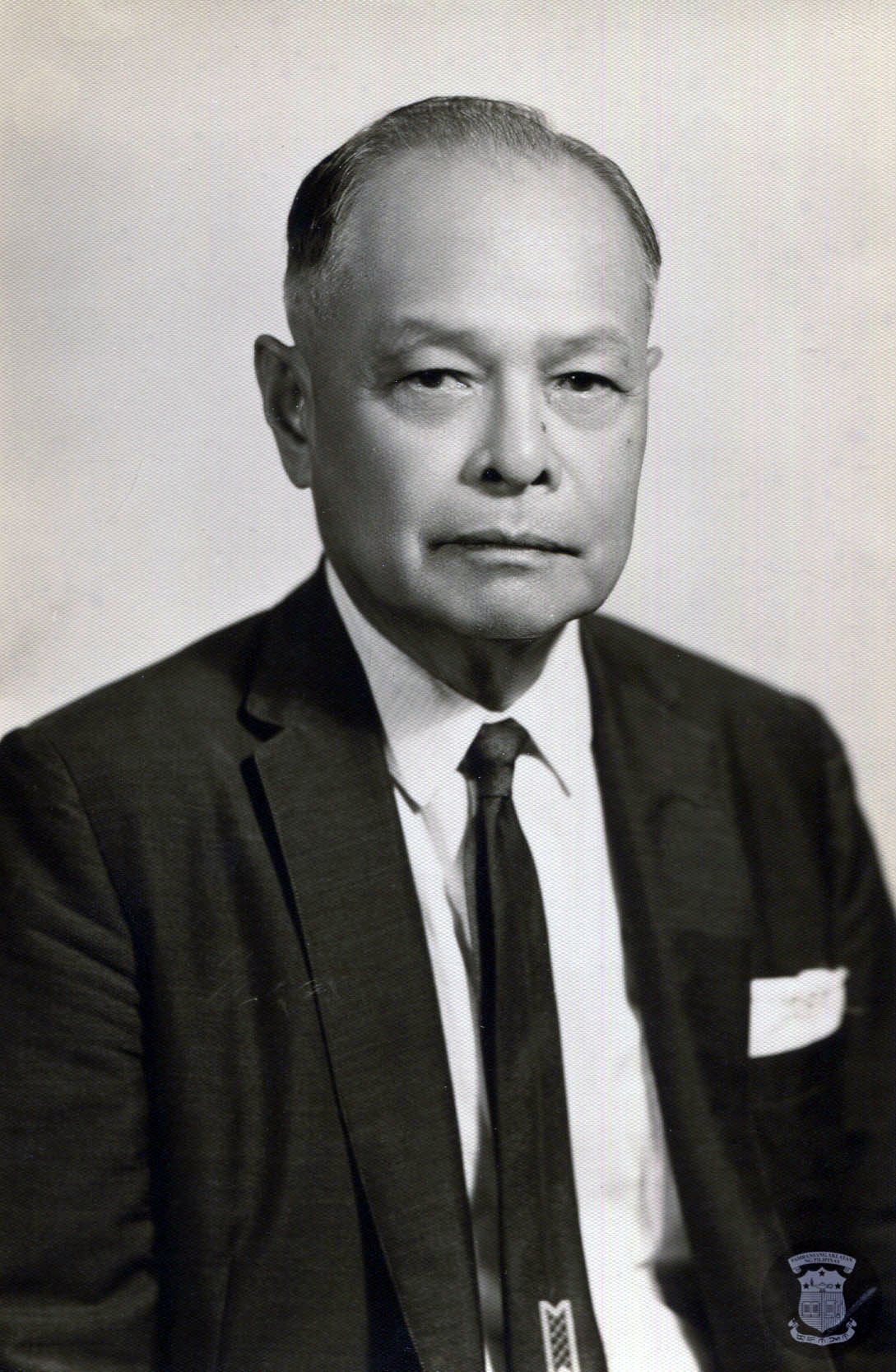 Philippines · Politics
1889—1976
Camilo Osias
Educator, resident commissioner and Senate presidentAn educator and legislator who led National University, represented the Philippines in Washington and twice briefly presided over the Senate.Read biography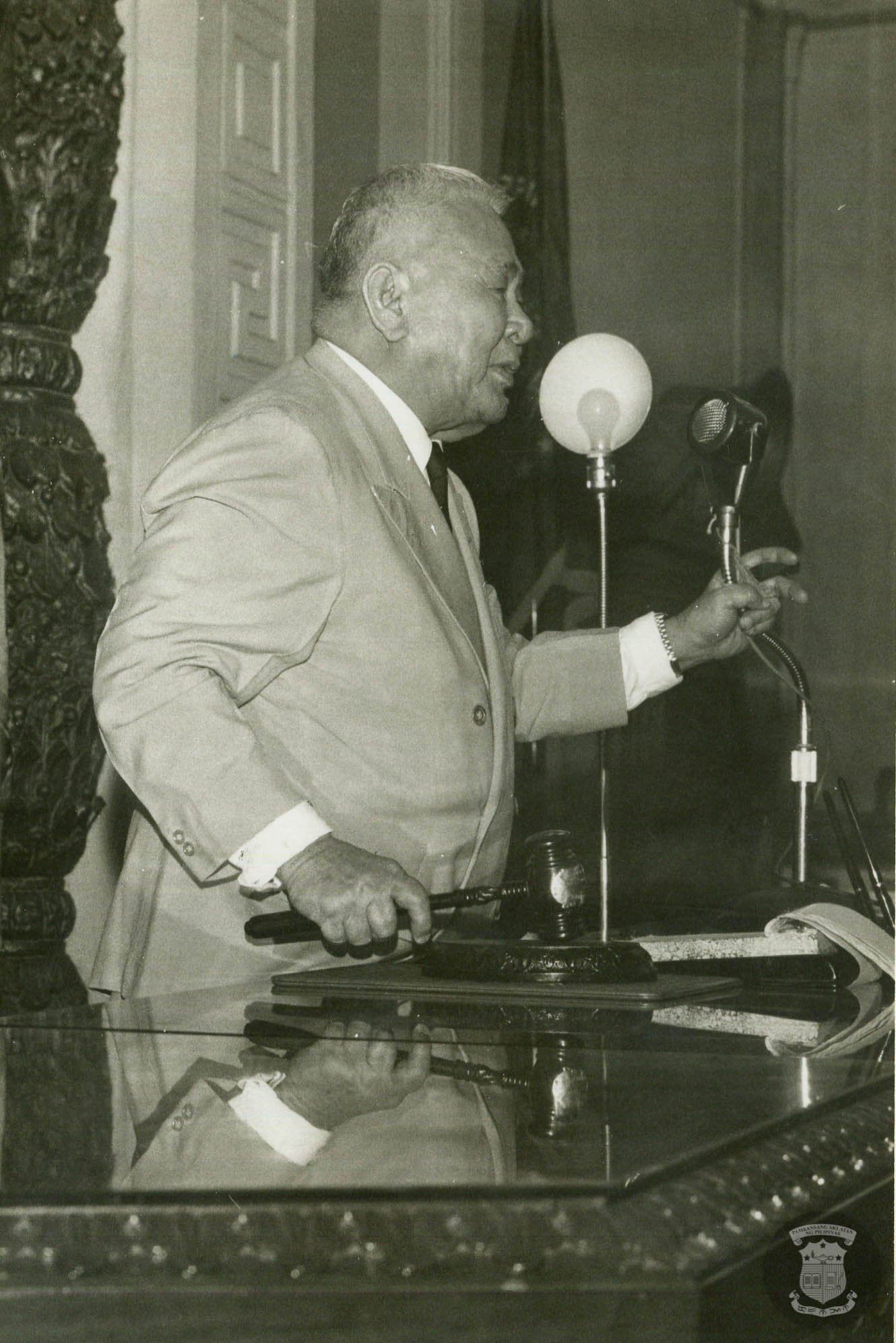 Philippines · Politics
1883—1964
Eulogio Rodriguez Sr.
Long-serving Senate president and Nacionalista leaderA municipal president, Rizal governor, Manila mayor and senator who dominated the Senate presidency through most of the 1950s and early 1960s.Read biography Philippines · Politics
1889—1972
Jose Zulueta
House speaker, interior secretary and Senate presidentAn Iloilo politician who served in both chambers, led the House, directed the interior department and briefly became Senate president in 1953.Read biography Philippines · Politics
1907—1981
Gil Puyat
Business leader and last Senate president before martial lawA business educator, civic leader and senator who became the final president of the pre-martial-law Senate.Read biography Philippines · Politics
1899—1985
Carlos P. Romulo
Journalist, diplomat and UN General Assembly presidentA Pulitzer-winning journalist, wartime official and diplomat who represented the Philippines at the United Nations across the country’s transition to independence.Read biography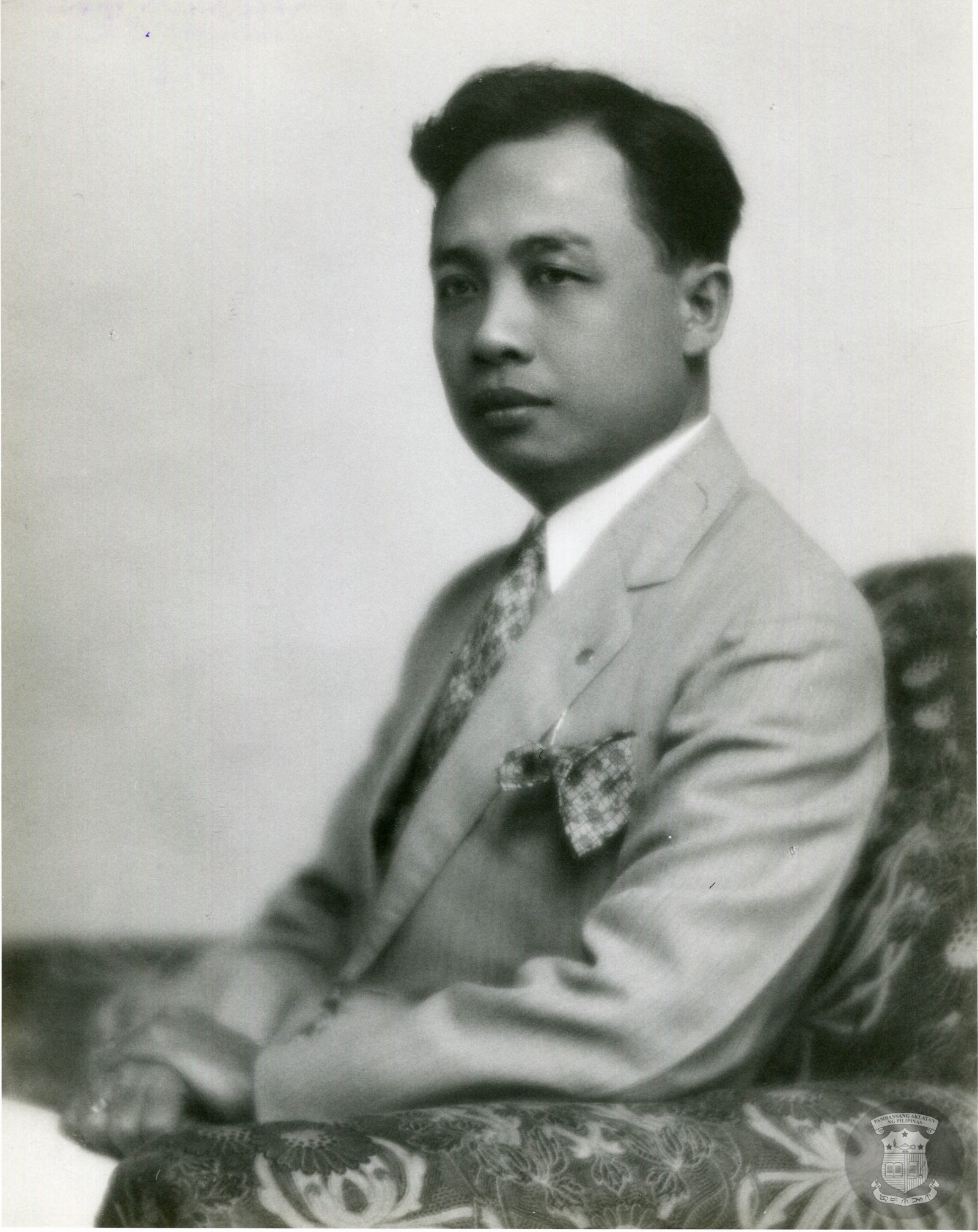 Philippines · Politics
1890—1960
Claro M. Recto
Senator, jurist and nationalist statesmanA lawyer, legislator and writer whose constitutional work and postwar nationalism challenged unequal economic and military ties with the United States.Read biography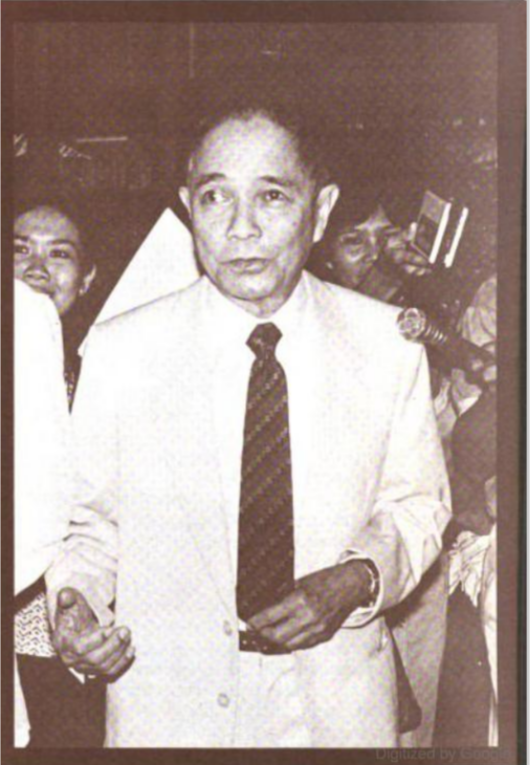 Philippines · Politics
1918—1999
Raul S. Manglapus
Senator, foreign secretary and democratic opposition leaderA wartime prisoner, lawyer, senator and presidential candidate who opposed Ferdinand Marcos from exile and returned to serve in the post-1986 government.Read biography Philippines · Politics
1914—2016
Helena Z. Benitez
Educator, senator and environmental policy pioneerAn educator and senator whose work connected women’s leadership, technical training, cultural diplomacy and some of the republic’s earliest environmental laws.Read biography1948—1982
Edgar Jopson
Student, labour and anti-dictatorship organiserA Filipino organiser known as Edjop whose path from moderate student reform to labour and underground activism reflected the closing political space of the martial-law era.Read biography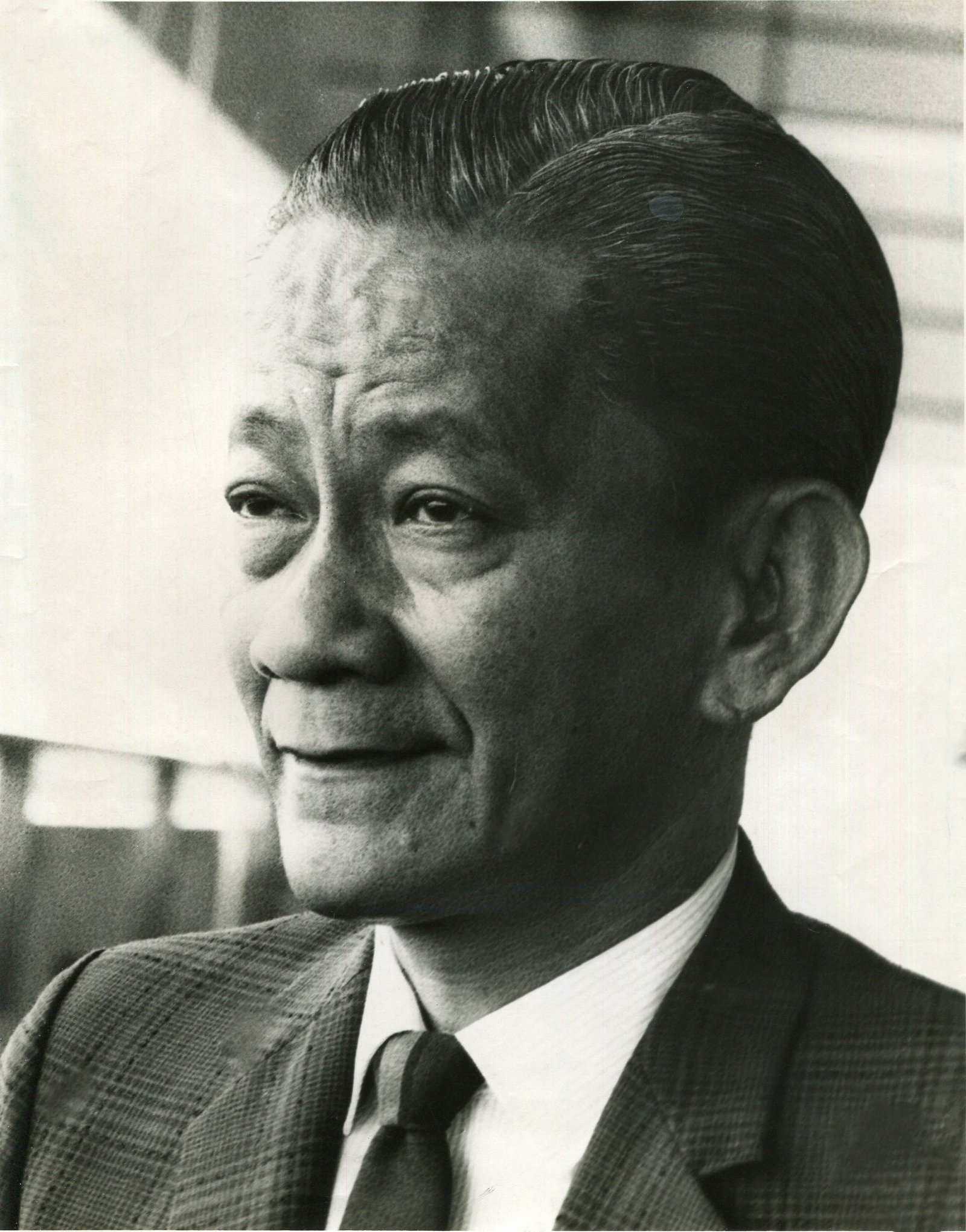 Philippines · Politics
1916—1984
Sergio Osmeña Jr.
Senator, Cebu leader and 1969 presidential candidateA Cebu governor, mayor and senator who became the Liberal Party challenger to Ferdinand Marcos in the 1969 presidential election.Read biography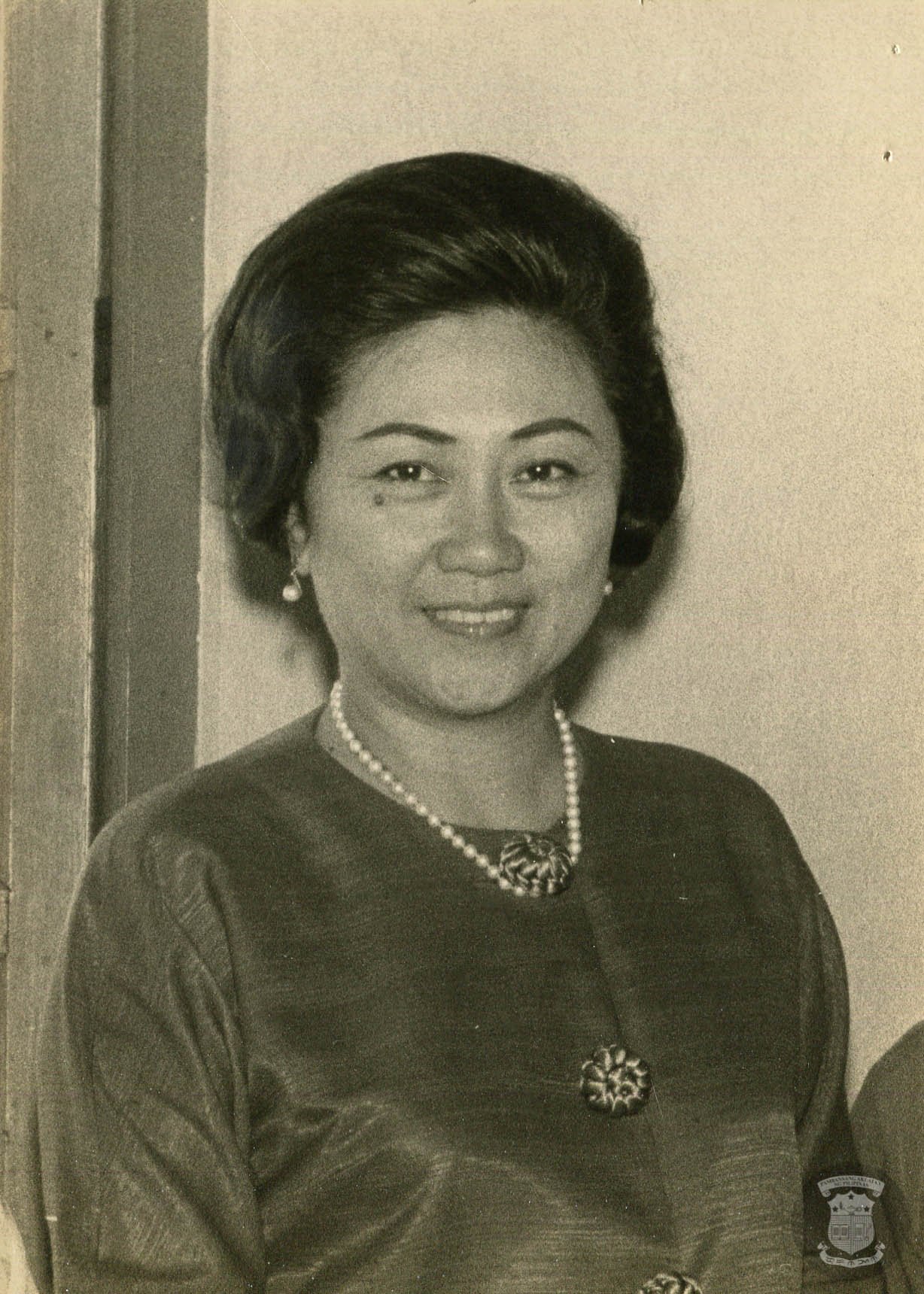 Philippines · Politics
1920—2017
Eva Estrada Kalaw
Senator, educator and opposition leaderAn educator and civic organiser who served in the Senate from 1965 until its closure, survived Plaza Miranda and helped organise electoral opposition under martial law.Read biography Philippines · Politics
1924—1982
Gerardo “Gerry” Roxas
Senator and Liberal Party opposition leaderA representative, senator and Liberal Party president who survived the Plaza Miranda bombing and worked for democratic restoration until his death in 1982.Read biography Philippines · Politics
1928—1994
Mamintal A. J. Tamano
Senator and advocate for Muslim Mindanao autonomyA lawyer and senator from Lanao del Sur whose two Senate terms bridged the chamber closed in 1972 and the democratic legislature restored in 1987.Read biography Philippines · Politics
1928—2004
Salvador H. Laurel
Opposition leader and vice president of the PhilippinesA lawyer, senator and opposition coalition leader who became vice president after the disputed 1986 election and People Power Revolution.Read biography Philippines · Politics
1917—1989
Ferdinand Marcos
President of the Philippines, 1965–1986A president who imposed martial law, dismantled democratic checks and ruled for two decades before the 1986 People Power Revolution forced him from office.Read biography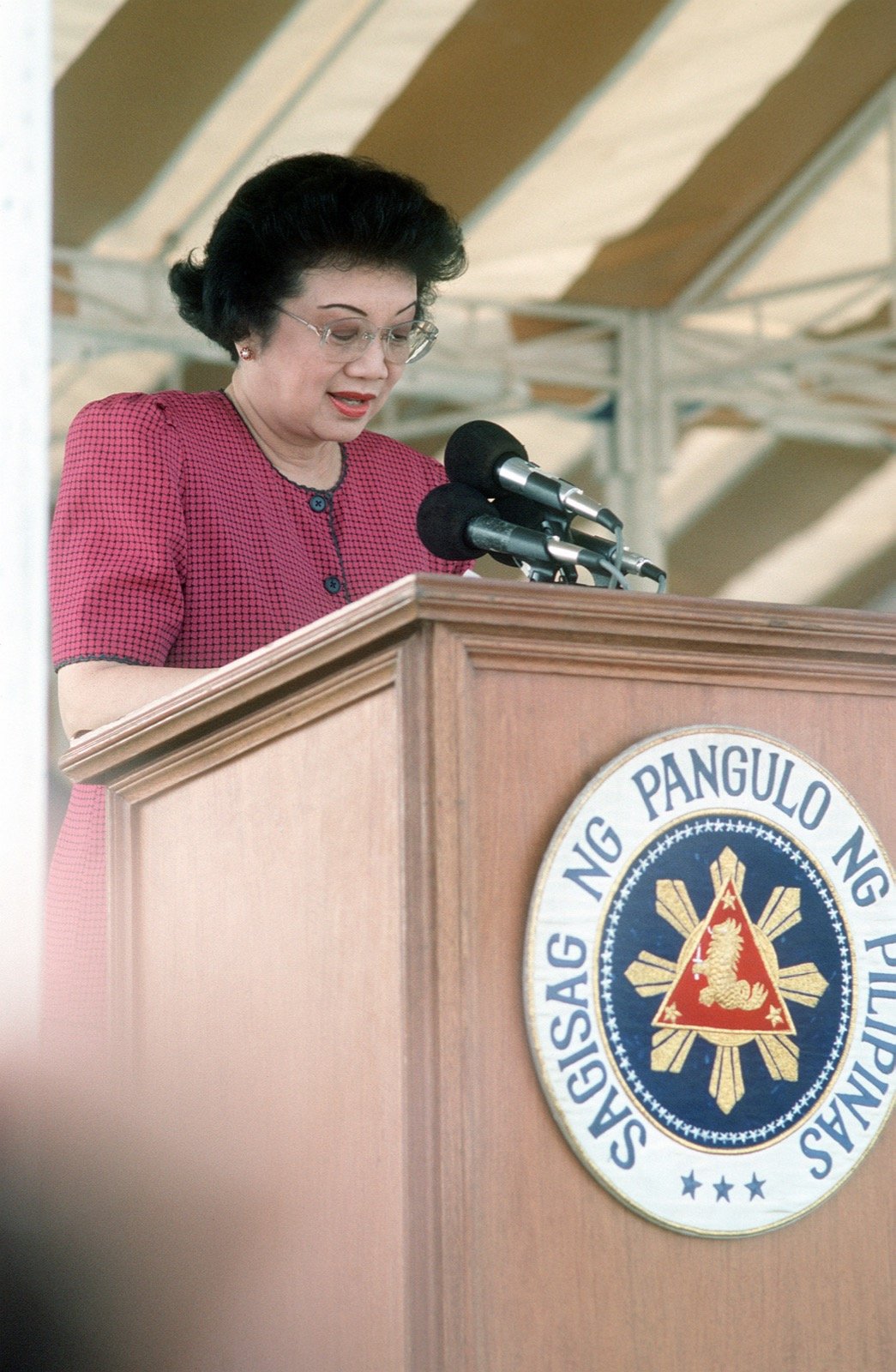 Philippines · Politics
1933—2009
Corazon Aquino
President of the Philippines, 1986–1992The opposition leader who became president after People Power and restored constitutional government following the Marcos dictatorship.Read biography Philippines · Politics
1945—2016
Miriam Defensor Santiago
Senator, judge and public administratorA lawyer, judge, cabinet official and senator whose sharp legal arguments and forceful public style made her one of the Philippines’ most recognisable political figures.Read biography Philippines · Politics
1927—2015
Joker Arroyo
Human-rights lawyer, representative and senatorA human-rights lawyer who challenged martial-law abuses, became Corazon Aquino’s executive secretary and spent two decades in the restored Congress.Read biography Philippines · Politics
1929—2017
Leticia Ramos-Shahani
Diplomat, women’s-rights advocate and senatorA diplomat, United Nations official and senator who helped move gender equality from international commitments into Philippine policy and law.Read biography Philippines · Politics
1927—2003
Blas Ople
Labour minister, senator and foreign secretaryA journalist and long-serving labour official who later helped draft the 1987 Constitution, led the Senate and became foreign secretary.Read biography Philippines · Politics
1935—2014
Juan Flavier
Physician, health secretary and senatorA rural physician and public-health communicator who became health secretary and a two-term senator after decades of community development work.Read biography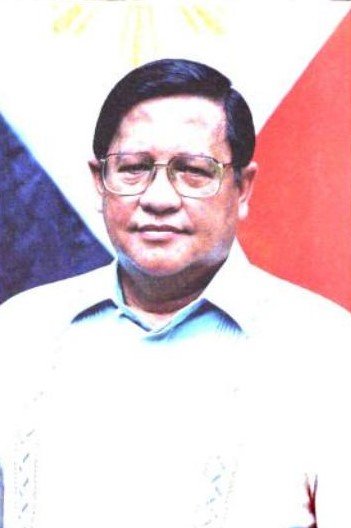 Philippines · Politics
1941—2005
Raul Roco
Lawyer, legislator and education secretaryA lawyer and legislator whose Senate work expanded legal protections for women and whose presidential campaigns offered a reformist alternative to established political blocs.Read biography Philippines · Politics
1933—2019
Aquilino Pimentel Jr.
Lawyer, local-government reformer and Senate presidentA Mindanao lawyer, mayor and opposition leader who survived detention under martial law and made local autonomy a foundation of restored democracy.Read biography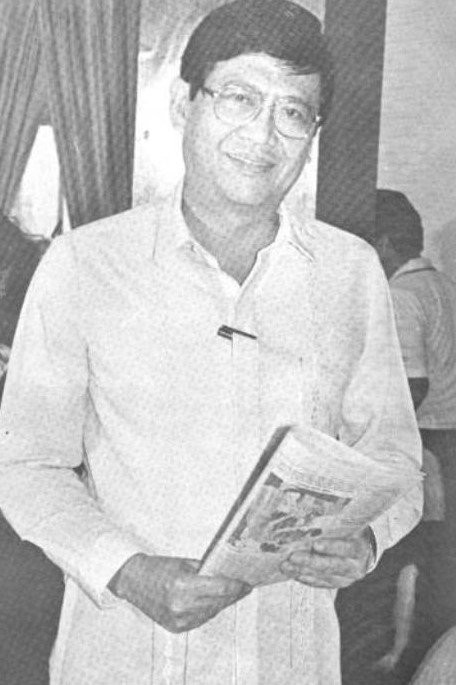 Philippines · Politics
1934—
Wigberto Tañada
Lawyer, senator and human-rights advocateA human-rights lawyer and legislator whose politics joined democratic opposition, economic nationalism and the defence of civil liberties.Read biography Philippines · Politics
1928—
Teofisto Guingona Jr.
Senator, justice secretary and vice presidentA lawyer and Mindanao public servant who moved from resistance to martial law into Senate oversight, the justice department and the vice presidency.Read biography Philippines · Politics
1934—2018
Edgardo Angara
Educator, legislator and Senate presidentA university president and four-term senator whose legislative agenda created or strengthened national systems for education, skills, health insurance and culture.Read biography Philippines · Politics
1945—
Franklin Drilon
Lawyer, cabinet secretary and Senate presidentA labour lawyer who served in four cabinet posts before becoming one of the longest-serving leaders of the post-1987 Senate.Read biography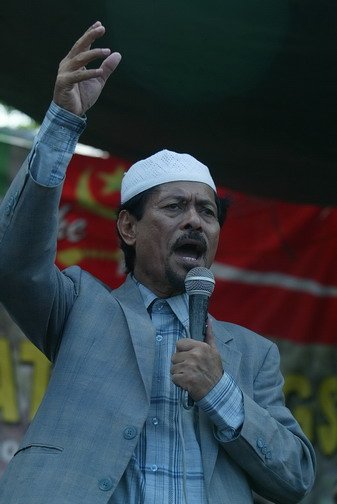 Philippines · Politics
1939—
Nur Misuari
MNLF founding chair and former ARMM governorA professor turned revolutionary leader whose negotiations with successive governments made the MNLF central to the long search for autonomy and peace in the southern Philippines.Read biography Philippines · Culture
1939—2004
Fernando Poe Jr.
Actor, director, producer and presidential candidateA film actor, director and producer whose working-class screen heroes made him a national cultural figure before he entered presidential politics in 2004.Read biography Philippines · Politics
1948—2016
Renato Corona
Twenty-third Chief Justice of the PhilippinesA presidential legal official and Supreme Court justice whose 2012 impeachment became a defining test of asset disclosure, judicial independence and legislative accountability.Read biography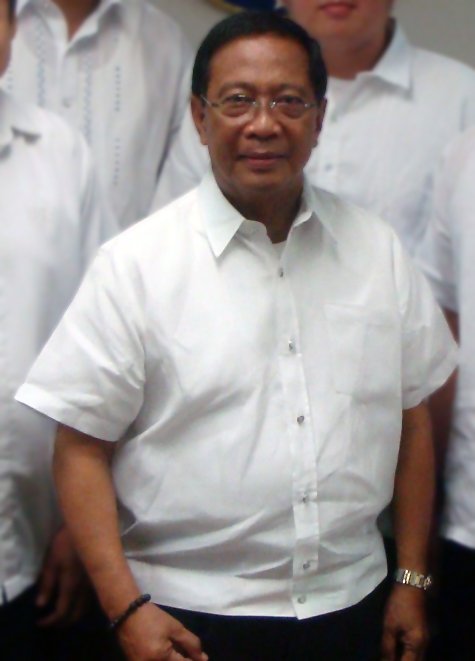 Philippines · Politics
1942—
Jejomar Binay
Human-rights lawyer, Makati mayor and vice presidentA human-rights lawyer under martial law who became Makati’s dominant local executive, vice president from 2010 to 2016 and a presidential candidate.Read biography Philippines · Politics
1957—
Mar Roxas
Legislator, cabinet secretary and presidential candidateAn economist and politician who served in the House, Senate and three cabinet departments before running for vice president in 2010 and president in 2016.Read biography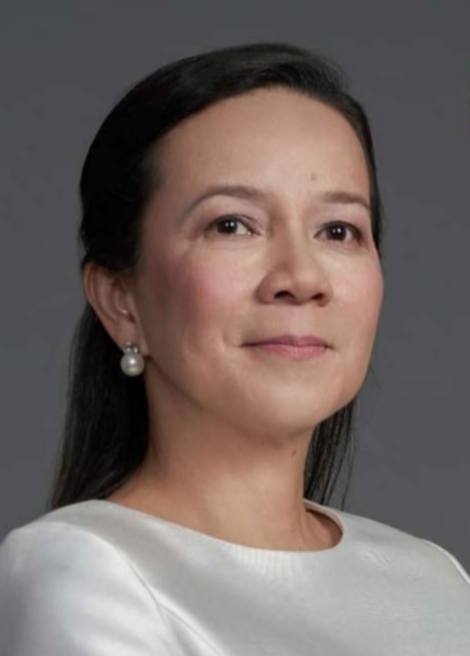 Philippines · Politics
1968—
Grace Poe
Senator, media regulator and presidential candidateA former media regulator and two-term senator whose 2016 presidential campaign turned her personal history as a foundling into a constitutional test of citizenship and belonging.Read biography Philippines · Politics
1936—2026
Jose de Venecia Jr.
Five-term House speaker and presidential candidateA journalist, diplomat and legislator who served five terms as Speaker of the House, built broad governing coalitions and finished second in the 1998 presidential election.Read biography Philippines · Business
1949—
Manuel Villar Jr.
Entrepreneur, legislative leader and presidential candidateA housing entrepreneur who became Speaker of the House, Senate president and the third-place candidate in the 2010 presidential election.Read biography Philippines · Politics
1949—
Noli de Castro
Broadcaster, senator and vice presidentA radio and television journalist who topped the 2001 Senate election and served as vice president of the Philippines from 2004 to 2010.Read biography Philippines · Politics
1960—
Loren Legarda
Journalist, legislator and climate-policy advocateAn award-winning broadcaster who became a four-term senator, two-time vice-presidential candidate and leading legislative advocate for climate resilience and culture.Read biography Philippines · Politics
1964—
Gilbert Teodoro Jr.
Lawyer, legislator and national defence secretaryA lawyer and former Tarlac representative who led the defence department under two presidents and placed fourth in the 2010 presidential election.Read biography Philippines · Politics
1969—
Chiz Escudero
Lawyer, senator, former Senate president and Sorsogon governorA lawyer and Sorsogon politician who served in the House, Senate and provincial government before leading the Senate from May 2024 to September 2025.Read biography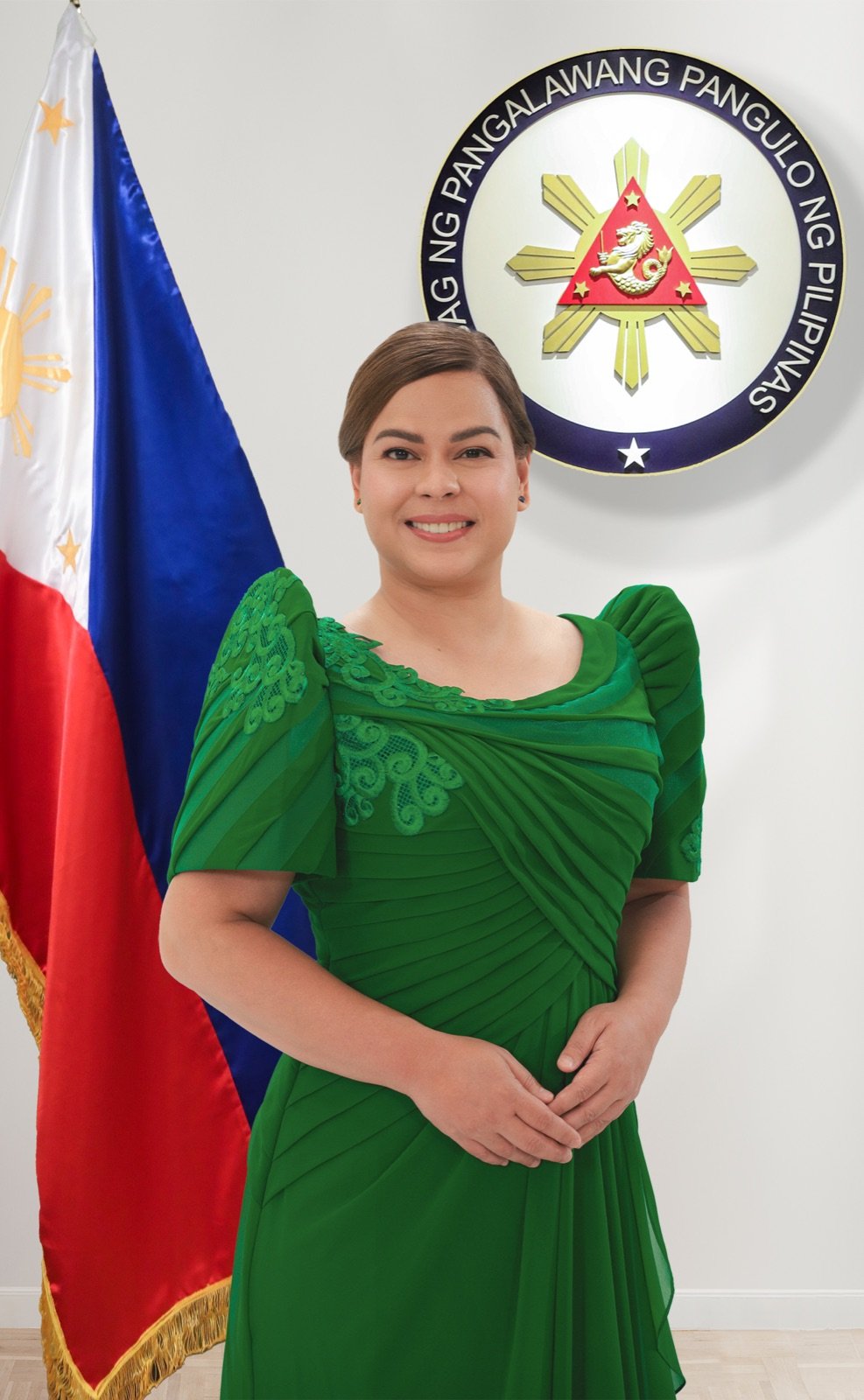 Philippines · Politics
1978—
Sara Duterte
Vice president and former Davao City mayorA lawyer and Davao City politician who became the Philippines’ fifteenth vice president after winning a record national vote in 2022.Read biography Philippines · Politics
1963—
Francis “Kiko” Pangilinan
Senator, lawyer and food-security advocateA lawyer, former Quezon City councilor and agricultural-policy advocate who returned to the Philippine Senate in 2025.Read biography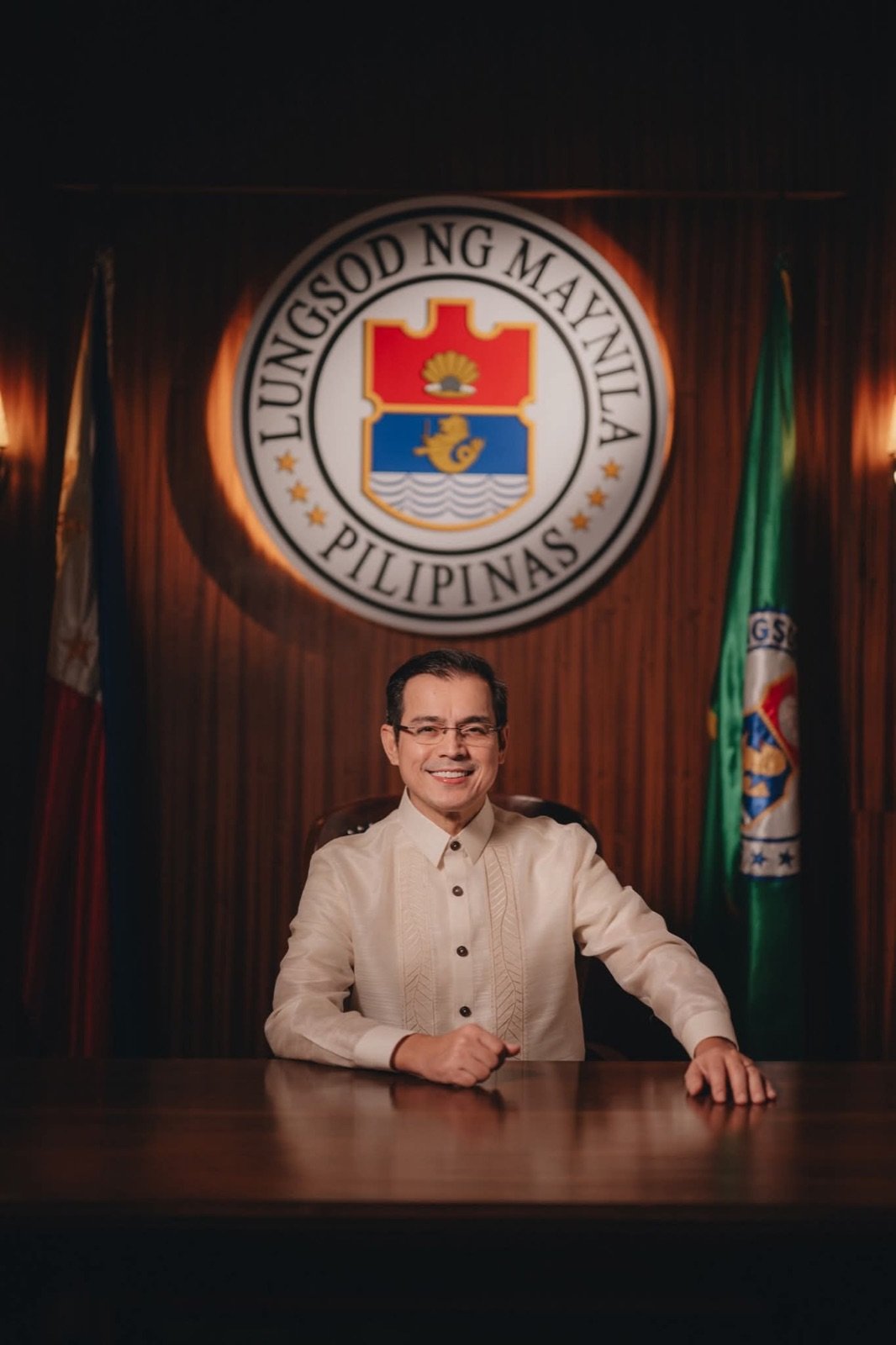 Philippines · Politics
1974—
Isko Moreno
Actor and mayor of ManilaA former actor and long-serving Manila politician who rose from the city council to the mayoralty and a national presidential campaign.Read biography Philippines · Politics
1948—
Panfilo Lacson
Senator and former national police chiefA former police chief and long-serving senator whose national career centres on security, public spending and executive oversight.Read biography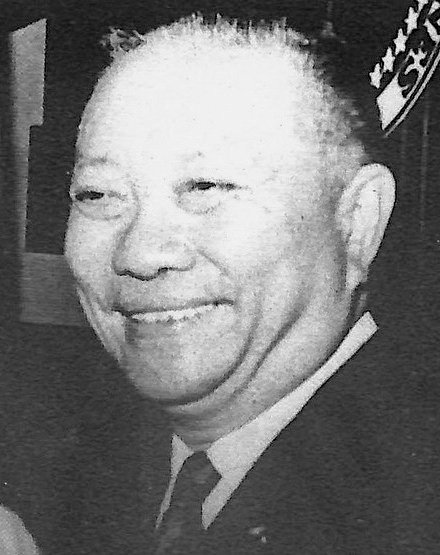 Philippines · Politics
1904—1993
Fernando Lopez
Vice president, senator and business executiveAn Iloilo lawyer, senator and business leader who served two non-consecutive periods as vice president and repeatedly led national agricultural policy.Read biography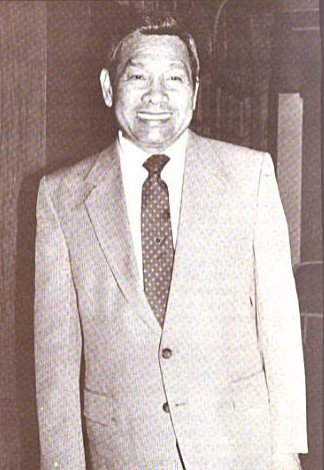 Philippines · Politics
1923—2001
Neptali Gonzales
Law professor, justice secretary and three-time Senate presidentA law professor and justice secretary who served two Senate terms and led the chamber three times during the democratic transition of the 1990s.Read biography Philippines · Politics
1935—2016
Ernesto Maceda
Lawyer, cabinet secretary, Senate president and diplomatA lawyer and former cabinet official who broke with Ferdinand Marcos, joined the democratic opposition and led the Senate from 1996 to 1998.Read biography Philippines · Politics
1927—1999
Marcelo Fernan
Chief justice, senator and Senate presidentA Cebuano lawyer and former chief justice who entered the Senate in 1995 and led the chamber during the opening year of the Estrada administration.Read biography Philippines · Politics
1964—
Koko Pimentel
Lawyer, former senator and Senate presidentA bar topnotcher and electoral-reform advocate who entered the Senate after a four-year protest and served as Senate president from 2016 to 2018.Read biography Philippines · Politics
1948—
Tito Sotto
Legislator, broadcaster, musician and two-time Senate presidentA musician, broadcaster, Quezon City vice mayor and long-serving senator who became the first person since 1998 to return for a second non-consecutive Senate presidency.Read biography Philippines · Politics
1969—
Migz Zubiri
Legislator, former Senate president and majority leaderA Bukidnon legislator who served in both chambers, led the Senate from 2022 to 2024 and repeatedly managed its agenda as majority leader.Read biography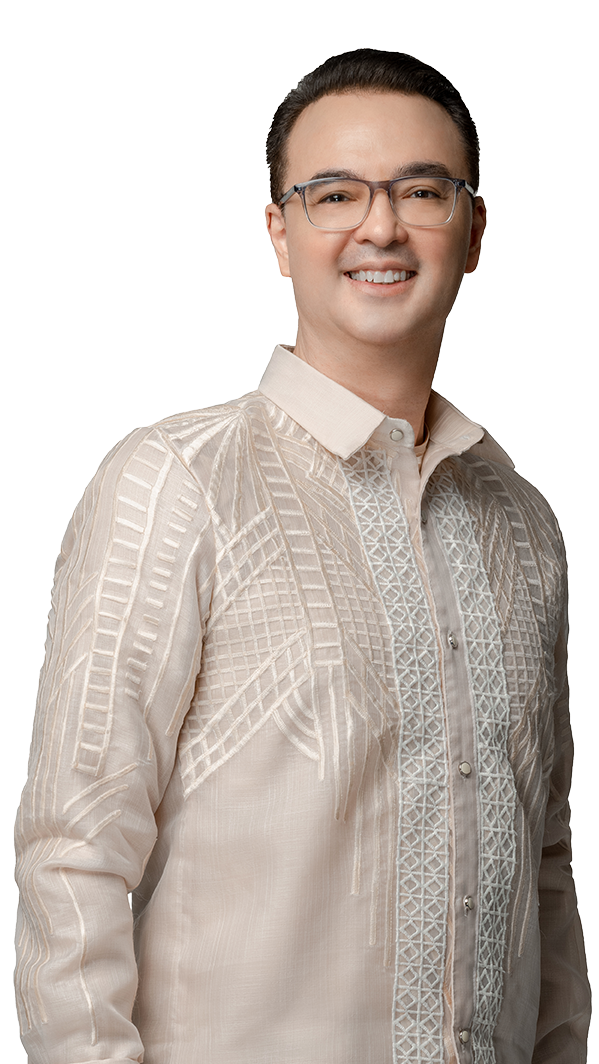 Philippines · Politics
1970—
Alan Peter Cayetano
Lawyer, senator, former foreign secretary and House speakerA Taguig politician who became senator, foreign secretary, House speaker and briefly Senate president during a disputed leadership change in 2026.Read biography Philippines · Politics
1974—
Win Gatchalian
Senate president, legislator and former Valenzuela mayorA businessman and former Valenzuela mayor who entered the Senate in 2016 and became its president after resolving a disputed leadership transition in 2026.Read biography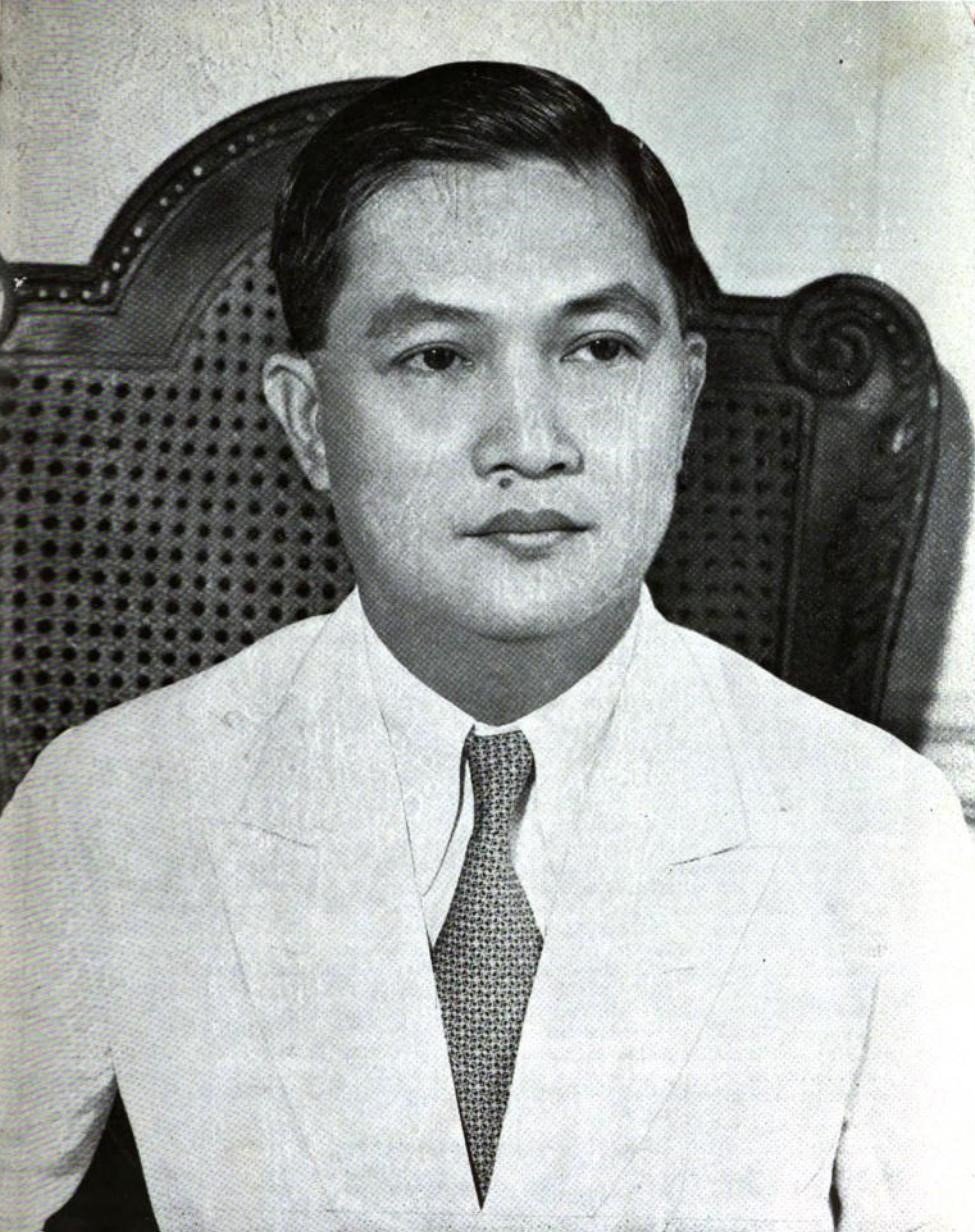 Philippines · Politics
1894—1976
Jose Yulo
National Assembly speaker, justice secretary and chief justiceA lawyer and legislator who served as justice secretary, National Assembly speaker and wartime chief justice before twice joining a national election ticket.Read biography Philippines · Politics
1894—1947
Benigno Aquino Sr.
Legislator, cabinet secretary and occupation-era assembly speakerA prewar representative, senator and agriculture secretary who became KALIBAPI director-general and assembly speaker during Japanese occupation.Read biography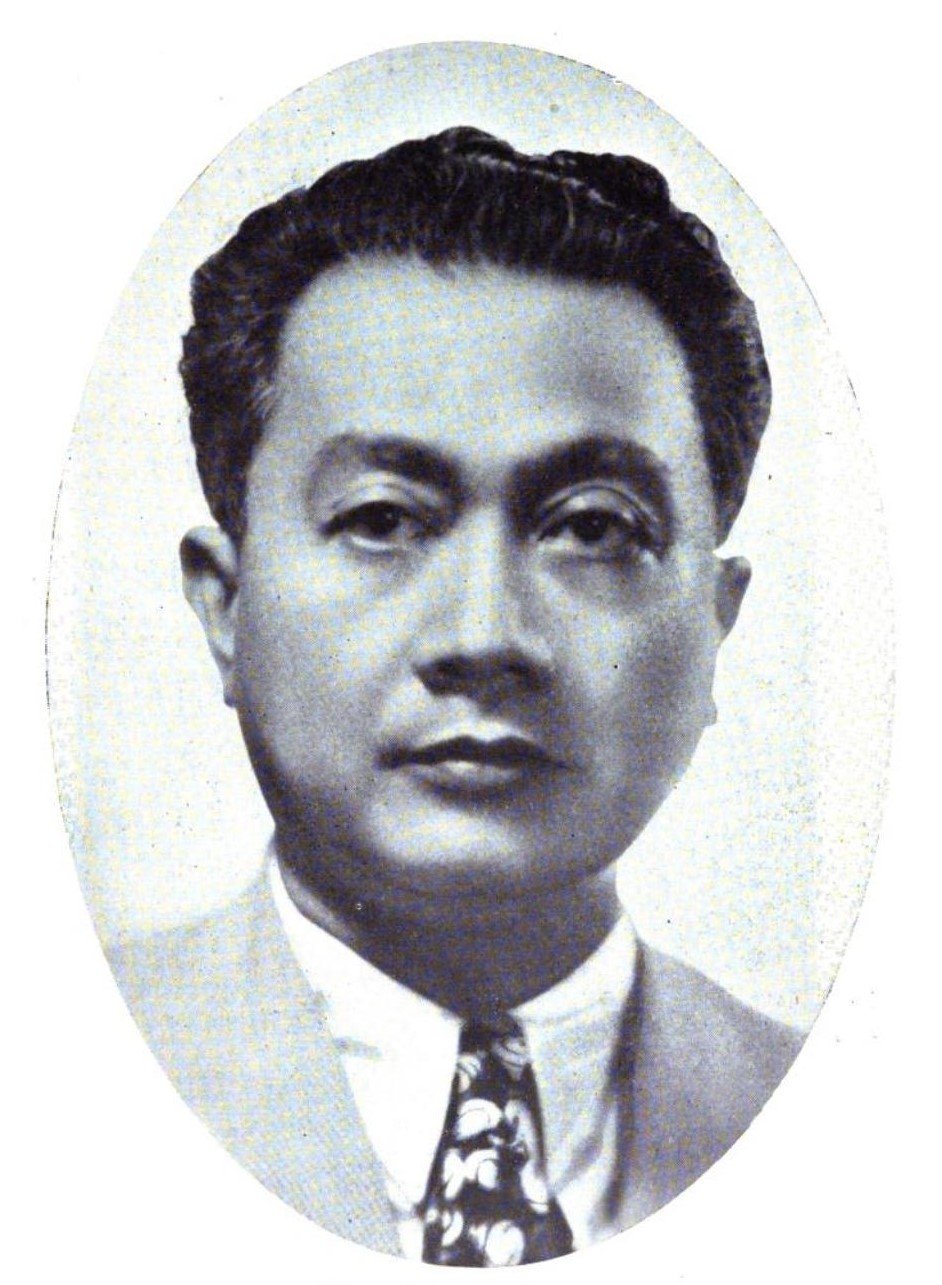 Philippines · Politics
1896—1957
Eugenio Perez
First House speaker of the independent Philippine RepublicA Pangasinan lawyer and Liberal Party leader who became the first speaker of the House after Philippine independence.Read biography Philippines · Politics
1912—1998
Jose Laurel Jr.
Three-time elected House speaker and constitutional commissionerA Batangas legislator, Nacionalista leader and son of President Jose P. Laurel who was elected speaker three times across two periods.Read biography Philippines · Politics
1928—2000
Ramon Mitra Jr.
Senator, agriculture secretary and first post-EDSA House speakerA Palawan lawyer, diplomat and opposition politician who became agriculture secretary, speaker of the restored House and a 1992 presidential candidate.Read biography Philippines · Politics
1945—2020
Arnulfo Fuentebella
Lawyer, Batasang member and House speaker during the Estrada crisisA long-serving Camarines Sur legislator who held the speakership for ten weeks between Manny Villar and Feliciano Belmonte Jr.Read biography Philippines · Politics
1936—
Feliciano Belmonte Jr.
Two-time House speaker and former Quezon City mayorA lawyer, national administrator and Quezon City mayor who served as speaker in 2001 and again from 2010 to 2016.Read biography Philippines · Politics
1947—2019
Prospero Nograles
Lawyer and first House speaker from MindanaoA Davao City lawyer and five-term representative who replaced Jose de Venecia Jr. and became the first speaker from Mindanao.Read biography Philippines · Politics
1958—
Pantaleon Alvarez
Lawyer, transport secretary and former House speakerA Davao del Norte representative and former transport secretary who became speaker in 2016 and was replaced by Gloria Macapagal Arroyo in 2018.Read biography Philippines · Politics
1977—
Lord Allan Velasco
Lawyer and former House speaker from MarinduqueA Marinduque representative who became speaker during the COVID-19 pandemic after a prolonged leadership contest with Alan Peter Cayetano.Read biography Philippines · Politics
1963—
Martin Romualdez
Leyte representative and former House speakerA lawyer, business executive and Leyte representative who served as majority leader before becoming speaker in 2022.Read biography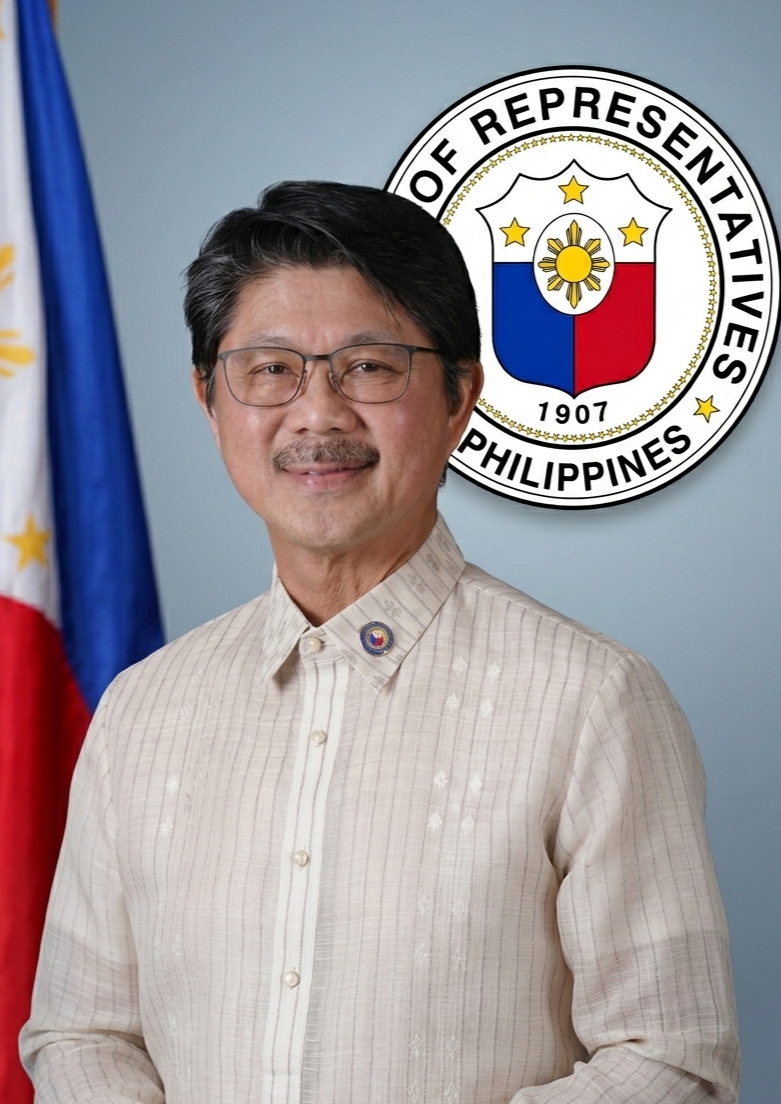 Philippines · Politics
1961—
Faustino “Bojie” Dy III
Speaker of the House and former governor of IsabelaAn Isabela politician who rose from youth and barangay posts to mayor, representative, governor, vice-governor and speaker of the Twentieth Congress.Read biographyQuick answers
Common questions
- When did Philippine history begin?
- Human settlement and organised communities long predate written colonial records. The year 1521 marks the arrival of the Magellan expedition, not the beginning or discovery of Philippine history.
- How long was the Philippines under Spanish rule?
- Permanent Spanish colonisation began in 1565 and ended in 1898, although control varied across regions and was repeatedly resisted.
- When did the Philippines become independent?
- Filipino revolutionaries declared independence from Spain on 12 June 1898. The United States formally relinquished sovereignty and recognised the independent Republic of the Philippines on 4 July 1946.
- When was martial law in the Philippines?
- Proclamation No. 1081 was dated 21 September 1972 and announced publicly on 23 September. Formal martial law ended on 17 January 1981, while Marcos remained in power until 25 February 1986.
- What was the People Power Revolution?
- People Power was the mass civilian mobilisation and military breakaway from 22 to 25 February 1986 that ended Ferdinand Marcos’s presidency and brought Corazon Aquino to office.
- What did the 1987 Philippine Constitution change?
- It restored an elected bicameral Congress, strengthened the bill of rights and added time limits and legislative and judicial review for presidential martial-law declarations.
- What was EDSA II?
- EDSA II was the January 2001 mobilisation that followed a crisis in President Joseph Estrada’s impeachment trial. Gloria Macapagal Arroyo took office on 20 January, and the Supreme Court later held that Estrada had resigned and the succession was constitutional.
- Why are the 1992 and 2016 elections major turning points?
- The 1992 vote produced the first regular post-EDSA presidential succession. The 2016 vote produced a national realignment around Rodrigo Duterte and a separately elected opposition vice president, Leni Robredo.
Primary and institutional sources
How this history was checked
Dates, legal milestones and historical claims are checked against the official and institutional records below. This article was reviewed on 9 September 2026.
- National Museum of the PhilippinesArchaeological evidence of maritime relations in Island Southeast Asia
- National Historical Commission of the PhilippinesThe Battle of Mactan historical marker
- National Historical Commission of the PhilippinesJosé Rizal historical record
- National Historical Commission of the PhilippinesPhilippine Republic, 1898–1901 historical marker
- U.S. Department of State, Office of the HistorianThe Philippine–American War, 1899–1902
- U.S. Department of State, Office of the HistorianRecognition of Philippine Independence, 1946
- The LawPhil ProjectProclamation No. 1081 — declaration of martial law
- Inter-Parliamentary UnionPhilippines parliamentary elections, 1969
- Supreme Court of the Philippines via LawPhilLansang v. Garcia — Plaza Miranda and suspension of the writ
- Senate of the Philippines Legislative Reference BureauRepublic Act No. 6132 — 1971 Constitutional Convention
- Supreme Court of the Philippines via LawPhilJavellana v. Executive Secretary
- National Historical Commission of the PhilippinesEDSA People Power historical marker
- The LawPhil Project1987 Constitution of the Republic of the Philippines
- The LawPhil ProjectRepublic Act No. 6826 — response to the December 1989 coup attempt
- Senate of the PhilippinesThe 12–11 vote rejecting a new U.S. bases treaty
- Supreme Court of the Philippines via LawPhilEstrada v. Desierto — the EDSA II presidential succession
- Presidential Electoral Tribunal via LawPhilSantiago v. Ramos — the 1992 presidential election protest
- Government of the Philippines via LawPhil1996 Final Peace Agreement with the MNLF
- Bangko Sentral ng Pilipinas1997 Annual Report
- Presidential Electoral Tribunal via LawPhilPoe v. Macapagal-Arroyo — the 2004 presidential protest
- Senate of the PhilippinesFinal verdict in the Renato Corona impeachment trial
- Congress of the Philippines via Senate archive2016 national canvass and proclamation
- Congress of the Philippines via Senate archive2022 national canvass and proclamation
- Philippine News AgencyWin Gatchalian formally elected Senate president in 2026