
The short answer
DAP was formed in 1965, became a durable federal opposition party and moved through Barisan Alternatif, Pakatan Rakyat and Pakatan Harapan before entering government in 2018. Anthony Loke led the party in 2026 as it remained a PH component in the unity government.
Leadership chronology
Selected DAP leadership eras
DAP’s chair and secretary-general are separate offices. The secretary-general is the party’s principal executive role.
| Era | Executive leadership | National significance |
|---|---|---|
| 1960s–1990s | Devan Nair, Goh Hock Guan and Lim Kit Siang eras | Foundation and long opposition consolidation |
| 1999–2004 | Lim Kit Siang national chair | Barisan Alternatif and withdrawal |
| 2004–2022 | Lim Guan Eng secretary-general | Pakatan Rakyat, PH and first federal government |
| 2022–present | Anthony Loke secretary-general | PH unity-government participation |
Chronology
A timeline of the turning points
The Democratic Action Party is formed
DAP emerged after Singapore left Malaysia and organised around democratic socialist and multiracial principles.
DAP is formally registered
Registration established the party as a Malaysian political organisation.
The Setapak Declaration defines its programme
The declaration committed DAP to parliamentary democracy, racial equality and social and economic justice.
DAP contests its first general election
The party won 13 parliamentary and 31 state seats with 11.9 per cent of valid votes.
DAP falls to nine parliamentary seats
The result marked a low point before later opposition coalition-building and electoral recovery.
Barisan Alternatif cooperation begins and ends
DAP joined PKR’s predecessor, PAS and PRM, then withdrew over disagreement about PAS’s Islamic-state objective.
Opposition gains produce Pakatan Rakyat
DAP won 28 parliamentary seats and helped deny BN a two-thirds majority.
DAP helps form Pakatan Harapan
After Pakatan Rakyat broke apart, DAP joined PKR and Amanah in a new coalition.
DAP wins 42 parliamentary seats
PH removed BN from federal power and DAP entered the national executive for the first time.
Anthony Loke becomes secretary-general
Loke succeeded Lim Guan Eng in the party’s principal executive office.
Loke wins a second term
The new central executive committee retained Loke and elected Gobind Singh Deo national chair.
Delegates vote to remain in government
A special congress backed staying in the unity government through the parliamentary term.
Loke submits a conditional cabinet resignation
He tendered his resignation over the Najib Razak conditional-pardon issue, with effect only when the stated house-arrest trigger occurs.
When and why was DAP founded?
DAP was formed in October 1965, shortly after Singapore separated from Malaysia, and formally registered on 18 March 1966. Its early programme described a free, democratic and socialist Malaysia based on equality, justice and parliamentary government.
The 1967 Setapak Declaration became a defining statement of that programme. The party’s later language and policy priorities evolved, but democracy, good governance, human rights and multicultural citizenship remained central to its public identity.
In its first general election in 1969, DAP won 13 parliamentary and 31 state seats. That immediately made it an important opposition party in urban and many Chinese-majority constituencies.
How did DAP become a long-term opposition party?
For decades, BN’s electoral dominance kept DAP outside the federal executive. Lim Kit Siang became the party’s most recognisable national figure, serving in senior leadership and repeatedly relocating to contest difficult constituencies.
DAP’s representation fluctuated. Its official history records a fall to nine parliamentary seats in 1995, followed by a sustained recovery that accelerated after the 2008 election.
The party also faced arrests and restrictions under security and publication laws. Interpretations of those episodes are politically contested, so this guide distinguishes the party’s own account from independently verifiable election results.
Which opposition coalitions included DAP?
DAP joined PAS, Keadilan and PRM in Barisan Alternatif for the 1999 election but withdrew in 2001 over disagreement with PAS about an Islamic state. The episode showed the difficulty of sustaining cooperation across different constitutional visions.
After the 2008 election, DAP, PKR and PAS formed Pakatan Rakyat and governed several states. DAP led the Penang state government under Lim Guan Eng, while the three parties expanded their combined parliamentary representation.
Pakatan Rakyat ended in 2015. DAP then joined PKR and Amanah in Pakatan Harapan; Bersatu entered later, helping PH contest GE14 without splitting most opposition votes.
What changed for DAP after GE14?
DAP won 42 parliamentary seats in 2018 and entered federal government for the first time when PH achieved Malaysia’s first transfer between rival coalitions. Several DAP representatives became ministers.
The government lasted 22 months and collapsed in February 2020 after Bersatu’s withdrawal and defections from PKR. DAP returned to opposition before re-entering government after GE15 as part of the broader alignment supporting Anwar Ibrahim.
Participation in a multi-coalition government requires negotiation with former rivals including BN. DAP remains a PH component; it did not merge with BN or UMNO.
Who leads DAP in 2026?
Anthony Loke was reappointed secretary-general for 2025–2028, making him the party’s chief executive officer. Gobind Singh Deo became national chair, while Lim Guan Eng served as party adviser.
DAP’s 2026 special congress considered whether the party should remain in the unity government. Delegates voted overwhelmingly to stay through the end of the parliamentary term, while leadership said it would continue pressing for reforms.
In September, Loke submitted his resignation as transport minister over DAP’s position on Najib Razak’s conditional pardon. He said it would take effect when Najib began house arrest; the prime minister asked him to continue his duties in the meantime. As of 4 October 2026, Loke remained transport minister and no replacement had been appointed.
The congress vote and the conditional resignation were dated political decisions, not permanent constitutional rules. Future cabinet and coalition arrangements should be verified against later government, party and election records.
Continue the chronology
Related history guides
Pakatan Harapan: History and Parties
Place DAP inside its current coalition and federal partnership.
Read the timeline9 May 2018Malaysia’s 2018 General Election
Read the result that first brought DAP into federal government.
Read the timeline5 May 2013Malaysia’s 2013 General Election
Examine Pakatan Rakyat’s national popular-vote lead.
Read the timeline1952–presentMalaysia’s Political Parties Explained
Separate DAP and PH from their unity-government partners.
Read the timelineBiography context
Explore Malaysia through connected lives
Connected biographies
Four leaders connected to DAP’s opposition history and path into federal government
 Malaysia · Politics
1941—
Lim Kit Siang
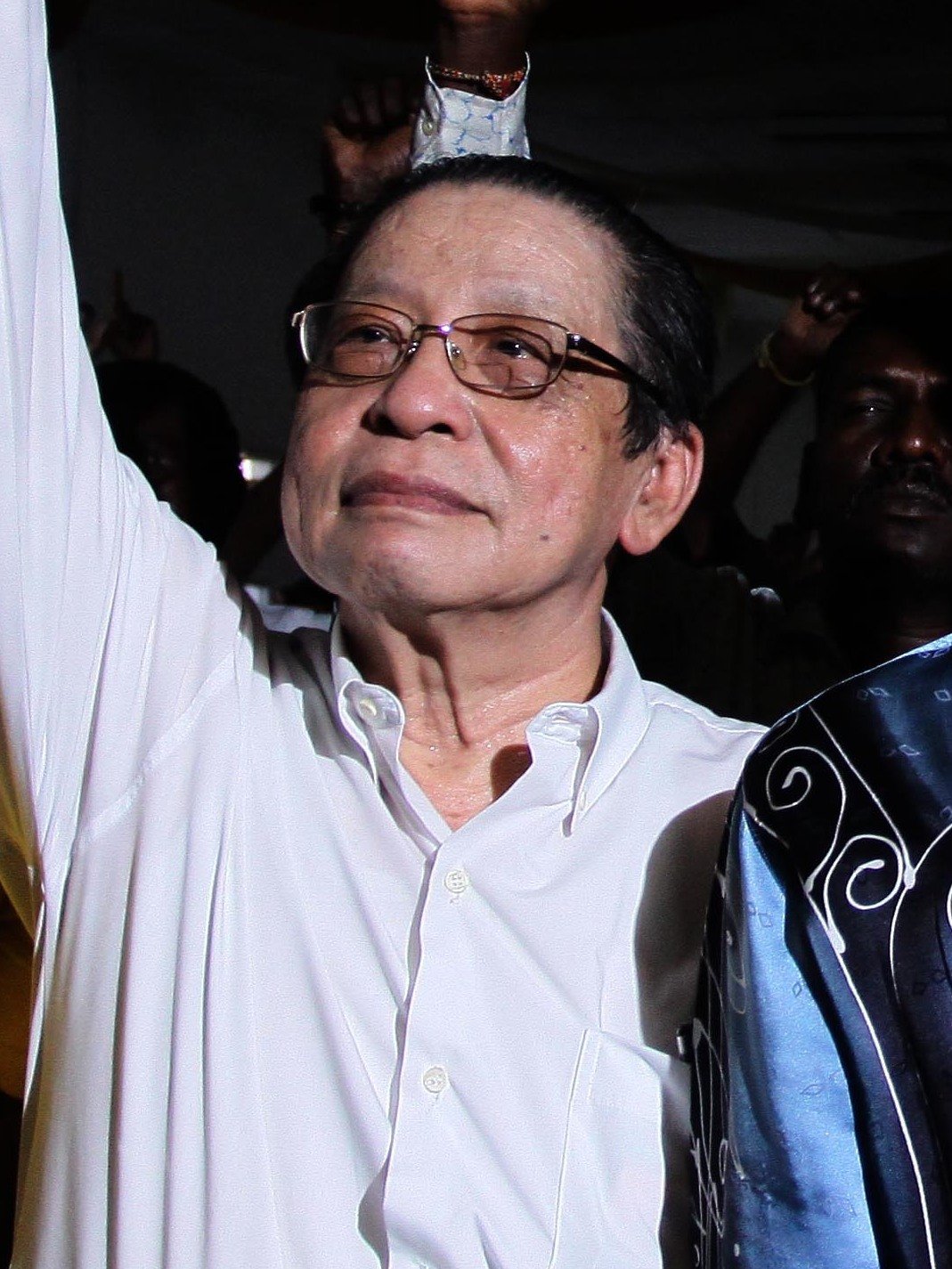
Former parliamentary opposition leader and DAP secretary-generalThe veteran DAP leader who spent decades in Parliament, led the opposition through multiple eras and helped build the coalition that won in 2018.Read biography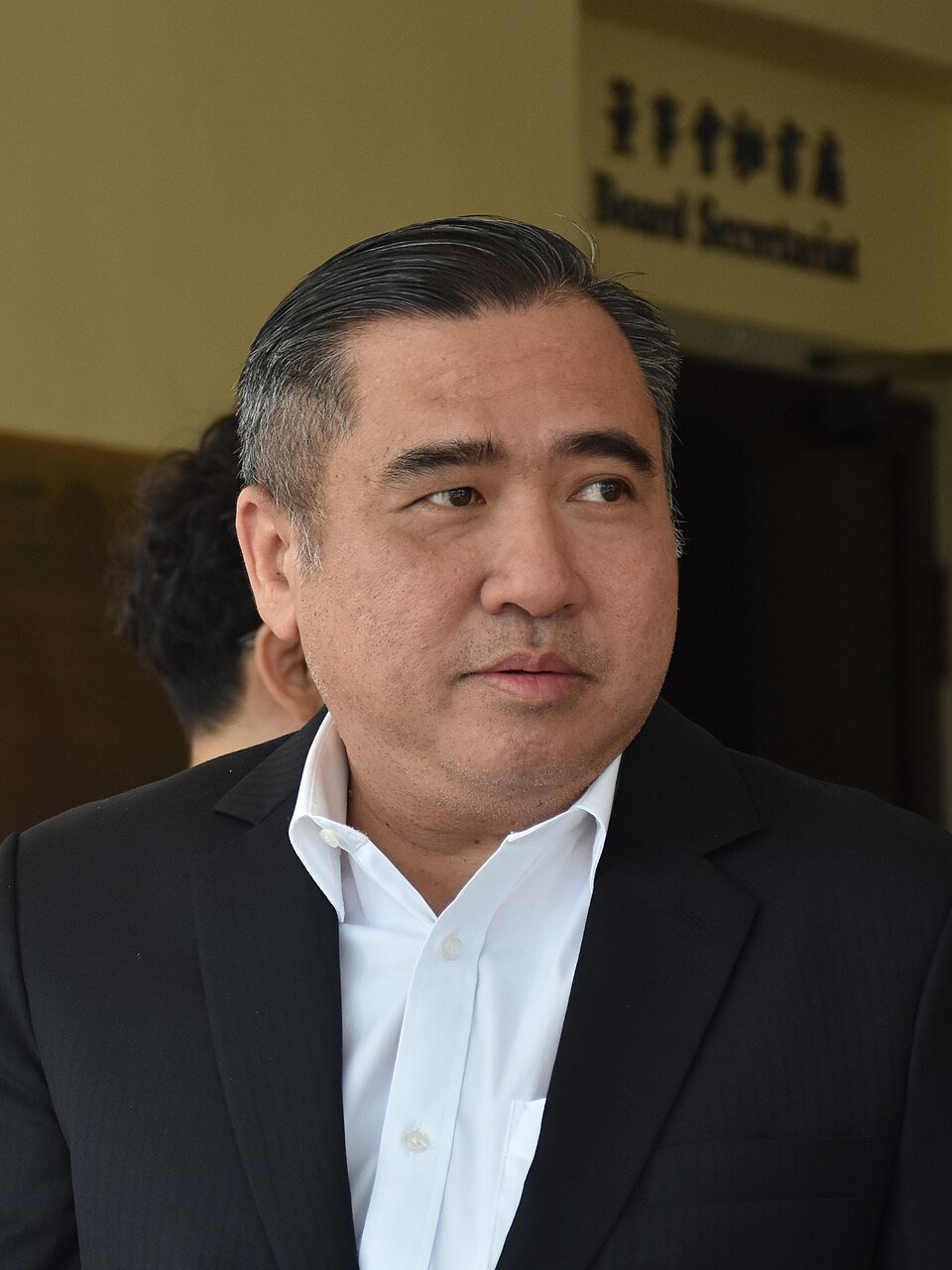 Malaysia · Politics
1977—
Anthony Loke
DAP secretary-general and transport ministerThe DAP secretary-general and two-term transport minister who rose from Negeri Sembilan youth politics into Malaysia’s federal cabinet.Read biography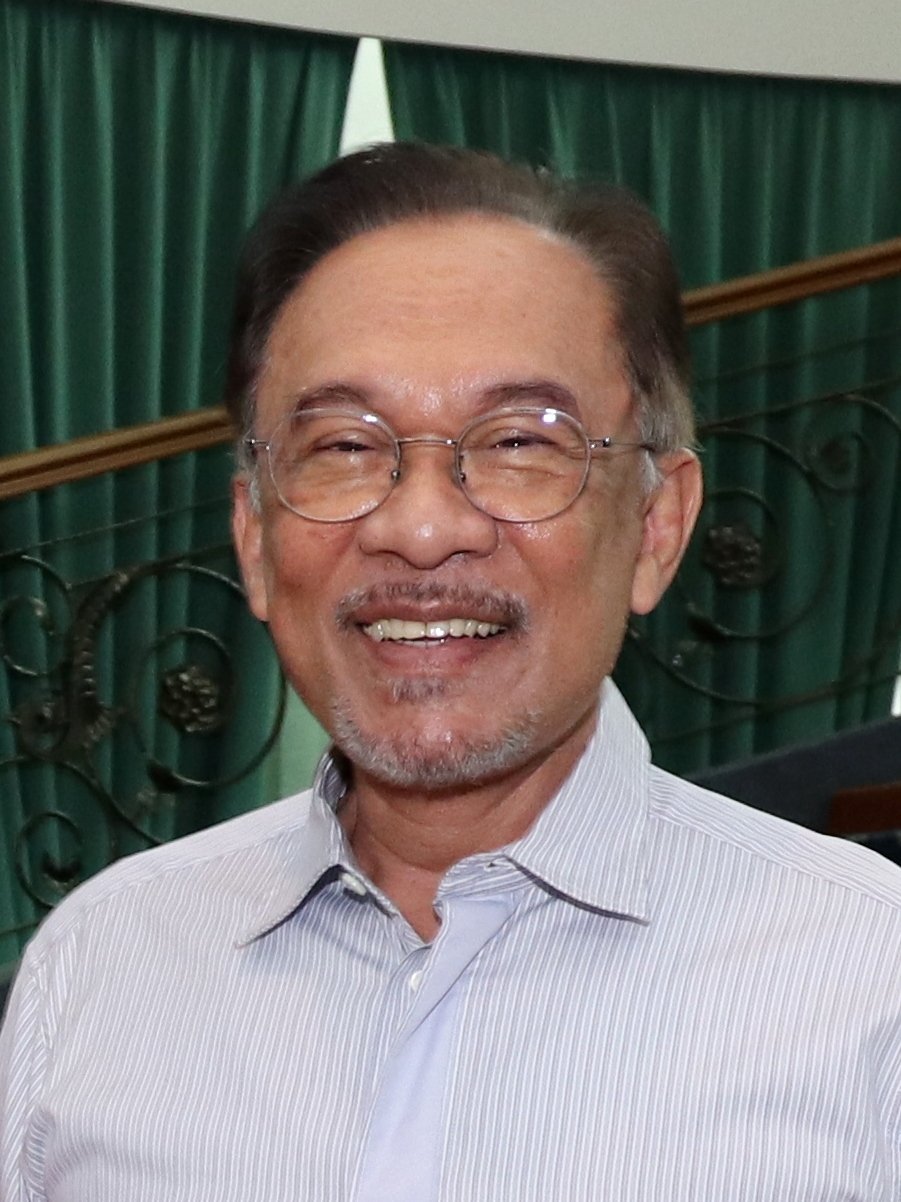 Malaysia · Politics
1947—
Anwar Ibrahim
Tenth Prime Minister of MalaysiaA student activist turned government minister, opposition leader and Malaysia’s tenth prime minister after one of the longest routes to national office.Read biography Malaysia · Politics
1925—
Mahathir Mohamad
Fourth and seventh Prime Minister of MalaysiaA physician-politician whose two premierships—separated by fifteen years—made him the longest-serving and one of the most consequential leaders in Malaysian history.Read biographyQuick answers
Common questions
- What does DAP stand for?
- DAP stands for Democratic Action Party.
- When was DAP founded?
- It was formed in October 1965 and formally registered on 18 March 1966.
- What was the Setapak Declaration?
- It was DAP’s 1967 declaration committing the party to parliamentary democracy, racial equality and social and economic justice.
- Who leads DAP in 2026?
- Anthony Loke was secretary-general, Gobind Singh Deo national chair and Lim Guan Eng party adviser at the review date.
- Was Anthony Loke still transport minister on 4 October 2026?
- Yes. He had submitted a resignation with a future conditional effective date, but continued performing the role and had not been replaced at the review date.
- Is DAP part of Pakatan Harapan?
- Yes. DAP is a component party of PH alongside PKR and Amanah.
- How many parliamentary seats did DAP win in 2018?
- DAP won 42 Dewan Rakyat seats at GE14.
- Is DAP part of Barisan Nasional?
- No. DAP is in PH. PH and BN both support the federal government, but they remain separate coalitions.
Primary and institutional sources
How this history was checked
DAP’s archive establishes formation, programme and internal chronology; Election Commission records anchor results; BERNAMA establishes the current leadership and dated 2026 government decision. This article was reviewed on 4 October 2026.
- Democratic Action PartyOur History
- Democratic Action PartyOur Leaders
- Democratic Action Party2025 Central Executive Committee Report
- BERNAMALoke Elected Secretary-General for Second Term
- BERNAMADAP Delegates Vote to Remain in Unity Government
- BERNAMALoke Submitted Resignation with Conditional Effective Date
- Election Commission of MalaysiaMalaysia’s General Election Journey