
The short answer
Saskatchewan’s physician-insurance plan began on 1 July 1962 amid a doctors’ strike. Tommy Douglas had promoted the reform and introduced its bill; the Act received assent under Woodrow Lloyd, who also led its implementation. The eventual compromise retained universal public insurance while accommodating doctors’ professional autonomy. This is a history of institutions and negotiation, not a single-person invention story.
Chronology
A timeline of the turning points
Hospital insurance
Douglas’s government introduces a universal publicly funded hospital plan.
Bill and government transition
The bill is introduced under Douglas; after Lloyd becomes premier, it receives assent on 17 November.
Plan and strike
The physician-insurance plan begins under Lloyd as many doctors withdraw services.
Saskatoon Agreement
A negotiated compromise maintains public insurance and recognizes professional safeguards.
Federal legislation
Parliament enacts the Medical Care Act under Pearson’s government.
Provincial spread
All provinces have universal medical-insurance plans.
Hospital insurance came before physician insurance
Saskatchewan’s universal hospital-insurance plan began in 1947 under Tommy Douglas’s CCF government. It provided a foundation for later reform, but hospital care and the services billed by physicians were different financing questions.
The 1962 plan extended public insurance into medical services. Confusing the two stages can make it appear that nothing existed before 1962 or that the whole system had already been completed in 1947. Neither is accurate. Policy expanded through successive decisions, legislation and negotiations about how public funding would meet professional practice.
The bill began under Douglas; enactment and implementation fell to Lloyd
The medical-insurance bill was introduced in October 1961 under Douglas. He left the premiership in November after becoming the federal NDP’s first leader. The Act received assent on 17 November, with Woodrow Lloyd now premier; Lloyd also led the government when the plan began on 1 July 1962.
The distinction is essential rather than a correction at the margins. Douglas’s campaigning and introduction of the bill helped make the plan possible; Lloyd carried enactment and confronted the immediate crisis over implementation. Giving one leader every role obscures the responsibility carried by the successor and the practical work needed to turn a statutory promise into functioning insurance.
Organized medicine disputed control and payment
The College of Physicians and Surgeons of Saskatchewan opposed compulsory government-administered insurance. Doctors feared political control of medical work and preferred forms of voluntary private coverage. When the plan began, many withdrew services during a twenty-three-day strike.
Opposition was not unanimous among all health workers or every doctor. Emergency services continued in limited settings, outside physicians were recruited and community clinics were part of the response. Patients and communities bore the uncertainty. Reducing the conflict to a private argument between Douglas and doctors would omit both the actual premier and the people trying to obtain care.
The Saskatoon Agreement preserved public insurance
The compromise signed on 23 July 1962 recognized doctors’ professional independence and fee-for-service remuneration while retaining the publicly financed plan. British physician and mediator Lord Stephen Taylor helped facilitate the agreement between the government and organized medicine.
The academic study of the strike explains that private physician insurance carriers could process payments without continuing to underwrite the insurance risk. This is a useful distinction: doctors could retain a degree of organizational distance while the financing remained a single-payer public arrangement. The settlement was not a simple return to the pre-plan private-insurance system.
Public financing did not turn every doctor into a state employee
Universal public insurance and direct government employment are not interchangeable ideas. The compromise accommodated independent medical practice and fee-for-service payment. The state’s role as insurer did not require it to own every practice or make every physician a salaried civil servant.
This point helps explain how the reform survived a conflict initially framed around professional freedom. The agreement changed the balance between financing and delivery rather than abolishing professional autonomy. It also did not mean that every possible health service, prescription or dental expense became universally insured through the physician plan.
The national transition required later federal and provincial decisions
Saskatchewan’s experience helped shape the wider Canadian debate. Federal Medical Care Act legislation followed in 1966 under Lester B. Pearson’s government, with Allan MacEachen central to its passage. By 1971 all provinces had universal medical-insurance plans.
A provincial experiment, a negotiated strike settlement and federal cost sharing were connected but distinct parts of that development. Douglas’s influence was significant; it did not make him the federal prime minister or the person who implemented every provincial plan. Understanding those roles gives a more useful explanation of how medicare spread than a story in which one celebrated founder completed the system alone.
Continue the chronology
Related history guides
Biography context
Explore Saskatchewan, Canada through connected lives
Connected biographies
Provincial foundations and the later federal stage
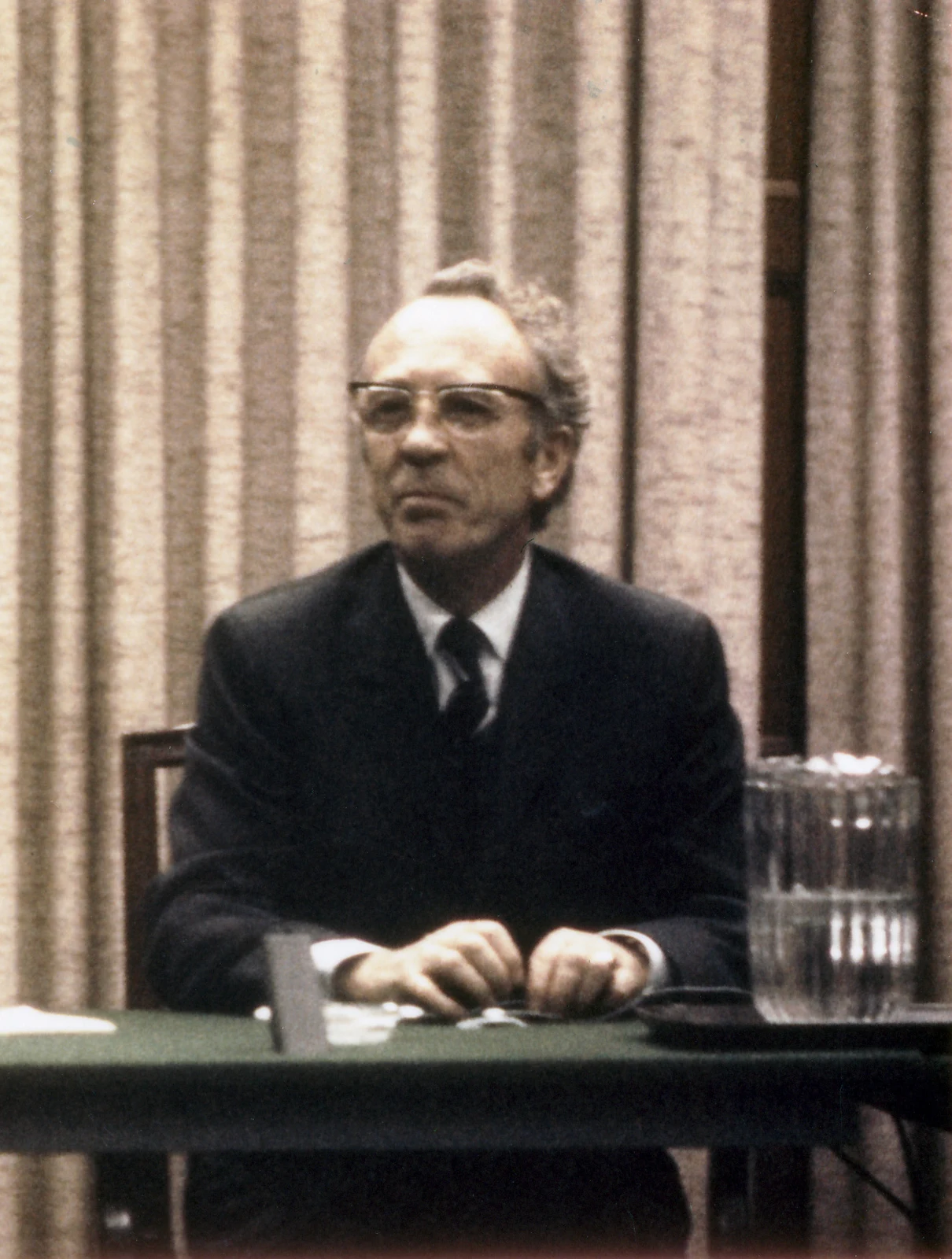
1904–1986
Tommy Douglas
Baptist minister, Saskatchewan premier and first federal NDP leaderTommy Douglas led Saskatchewan from 1944 to 1961 and the federal New Democratic Party from 1961 to 1971. His government’s hospital insurance and campaign for physician insurance helped establish Canadian medicare. The physician plan was enacted and implemented under his successor, Woodrow Lloyd, while Douglas’s earlier eugenic ideas complicate his social-justice legacy.Read biography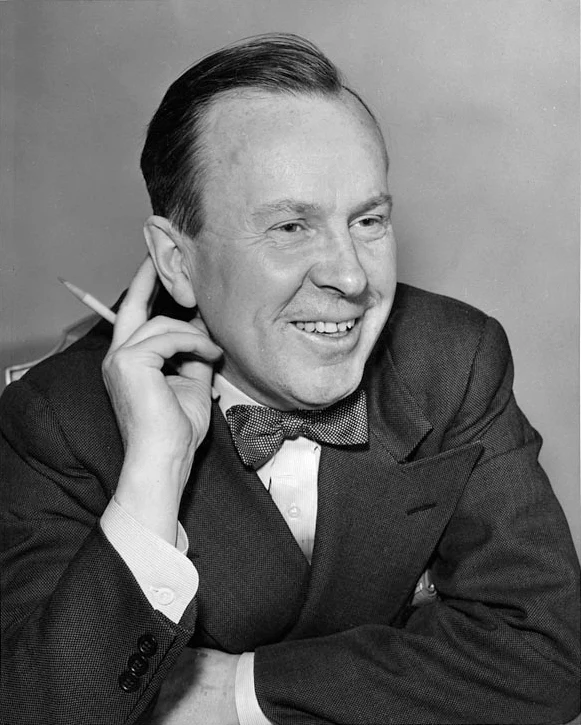
1897–1972
Lester B. Pearson
Diplomat, Nobel Peace Prize laureate and Canada’s fourteenth prime ministerLester B. Pearson moved from teaching history into diplomacy, became Canada’s external affairs minister and helped establish the UN Emergency Force during the Suez crisis. Awarded the 1957 Nobel Peace Prize, he later led two minority Liberal governments. His premiership helped develop public pensions and medical insurance while advancing a new national flag and bilingualism.Read biographyQuick answers
Common questions
- When did Saskatchewan medicare begin?
- The universal physician-insurance plan took effect on 1 July 1962. Universal hospital insurance had already begun in 1947.
- Who was premier during the strike?
- Woodrow Lloyd. Tommy Douglas had left the premiership in 1961 to lead the federal NDP.
- What ended the 1962 strike?
- The Saskatoon Agreement of 23 July preserved public insurance while accommodating professional autonomy and fee-for-service payment.
- Did the plan make doctors government employees?
- No. Public insurance was compatible with independent practice and fee-for-service remuneration; financing and employment were different questions.
Primary and institutional sources
How this history was checked
Parks Canada’s designation distinguishes implementation and the strike settlement. Saskatchewan Hansard and the University of Regina record the 1961 enactment under Lloyd. The academic study’s indexed passages support the payment compromise; direct full-page access encountered a browser check. The illustration is a circa-1971 photograph of Douglas, not a scene from the strike. This article was reviewed on 23 October 2026.
- Parks Canada / Historic Sites and Monuments Board of CanadaSaskatchewan Doctors’ Strike of 1962
- Legislative Assembly of SaskatchewanHansard, 2 June 1992: chronology of the 1961 Medical Care Insurance Act
- University of Regina / Encyclopedia of SaskatchewanMedicare: legislation and implementation chronology
- Parks CanadaThomas Clement “Tommy” Douglas (1904–1986)
- Medical History / PubMed CentralPhysician Resistance and the Forging of Public Healthcare: Canada and Belgium in the 1960s
- Xavier Gélinas / Canadian Museum of HistoryAllan MacEachen, the Celtic Sphinx: the 1966 Medical Care Act
- Themightyquill / Wikimedia CommonsTommy Douglas, circa 1971: own-work declaration and CC BY-SA 3.0 grant