
The short answer
Suzanne reached readers and listeners in more than one form. A poem appeared in 1966, Judy Collins recorded the song that year, and Leonard Cohen’s album version followed in 1967. These dates answer when versions circulated; they do not by themselves tell us exactly how words and melody were composed. No lyrics are reproduced here.
Chronology
A timeline of the turning points
A friendship in Montreal
Cohen and dancer Suzanne Verdal later recalled meetings near the St. Lawrence River.
A poem in print
Suzanne Takes You Down appeared in Parasites of Heaven.
Judy Collins records the song
Her In My Life recording preceded Cohen’s own debut album.
Songs of Leonard Cohen
Suzanne opened the officially dated debut album.
Different retrospective accounts
Cohen discussed his method in a BBC interview; Verdal later described the friendship and its afterlife.
Suzanne Verdal is a person, not a complete character key
The Montreal friendship behind the work involved Suzanne Verdal, a dancer who had been married to sculptor Armand Vaillancourt. In a 1998 BBC interview transcribed by Marie Mazur, Verdal described her home near the St. Lawrence, visits from Cohen and conversations over tea. She recognised herself in the work but thought its sadness did not fully match how she had experienced that period.
Her recollection is valuable precisely because it is not identical to the songwriter’s presentation. It gives the subject a voice rather than leaving her as an anonymous inspiration. It also cautions against treating an artistic portrait as a complete biography: the song cannot tell us everything about her dancing, family, convictions or later life.
Sources for this section: [6]
Published first as a poem does not settle how it was written
A simple account says Cohen wrote a poem and then added music. His own 1986 BBC interview complicates that assumption. He described songs growing through musical and verbal phrases, and recalled having a guitar pattern before the woman’s name. He also remembered months of work on Suzanne. These statements concern composition rather than the order in which a publisher or record company released a version.
The difference matters when comparing page and recording. On a page, spacing and a reader’s pace shape an encounter with language. A recorded performance adds a singer’s timing, melody and arrangement. The connection between versions does not make those experiences interchangeable, or prove that a literary text is merely an unfinished recording. That comparison is the reader’s analytical task, not a claim that every version has one fixed emotional meaning.
What Judy Collins contributed to its public life
Collins’s recording brought the song to listeners before Cohen released his own album. In her 2016 recollection for TIME, she described hearing him perform several songs in 1966 after Mary Martin had encouraged the introduction. Her account gives a performer’s view of encountering the material, rather than an independent timestamp for every stage of its writing.
Distinguishing authorship from interpretation avoids two mistakes. Collins did not become the songwriter by recording it first; Cohen did not become its first recording artist merely because his name is now inseparable from the title. An established performer’s decision to sing an unfamiliar writer’s work can be part of the work’s history, not just a footnote to the later famous recording.
Everyday details, spiritual language and intimacy
Cohen’s 1986 recollection relates the opening scene to visits near the river and a particular tea. He also connects the religious imagery with Montreal’s visible symbols of faith. Those comments offer clues to how an observed setting becomes a song, but do not reduce the whole work to a coded report of a sexual relationship.
Verdal described spiritual closeness and, in her later account, declined to equate that with having been lovers. Her testimony and Cohen’s account of revision leave room for an important distinction: remembered circumstances can contribute to a work while its voice constructs something more than a factual itinerary. The responsible approach is to identify whose memory is being described and where interpretation begins.
How to compare versions without inventing a definitive one
Start with the actual object: a poem in a named collection, a Collins recording, Cohen’s studio track or a later live performance. Then identify the question being asked. A publication date, a vocal delivery and a recollected friendship require different evidence. The official album record can establish sequence and placement, but cannot by itself establish Verdal’s private feelings.
This approach also keeps the work separate from later songs or other people who share the name Suzanne. Its history is compelling without invented chart statistics, an unsupported claim that it was written in a single inspired sitting, or a lyric transcript. Readers can follow the evidence from Montreal to book and record while still allowing a performance to invite more than one response.
Continue the chronology
Related history guides
Biography context
Explore Montreal through connected lives
Leonard Cohen
Place Suzanne within the novels, poetry, changing arrangements and late recordings of a larger career.
Explore the biographiesCanadian literary contextMargaret Atwood
Compare another Canadian author’s movement among forms without implying that the two collaborated on this work.
Explore the biographiesConnected biographies
Canadian writers working across forms
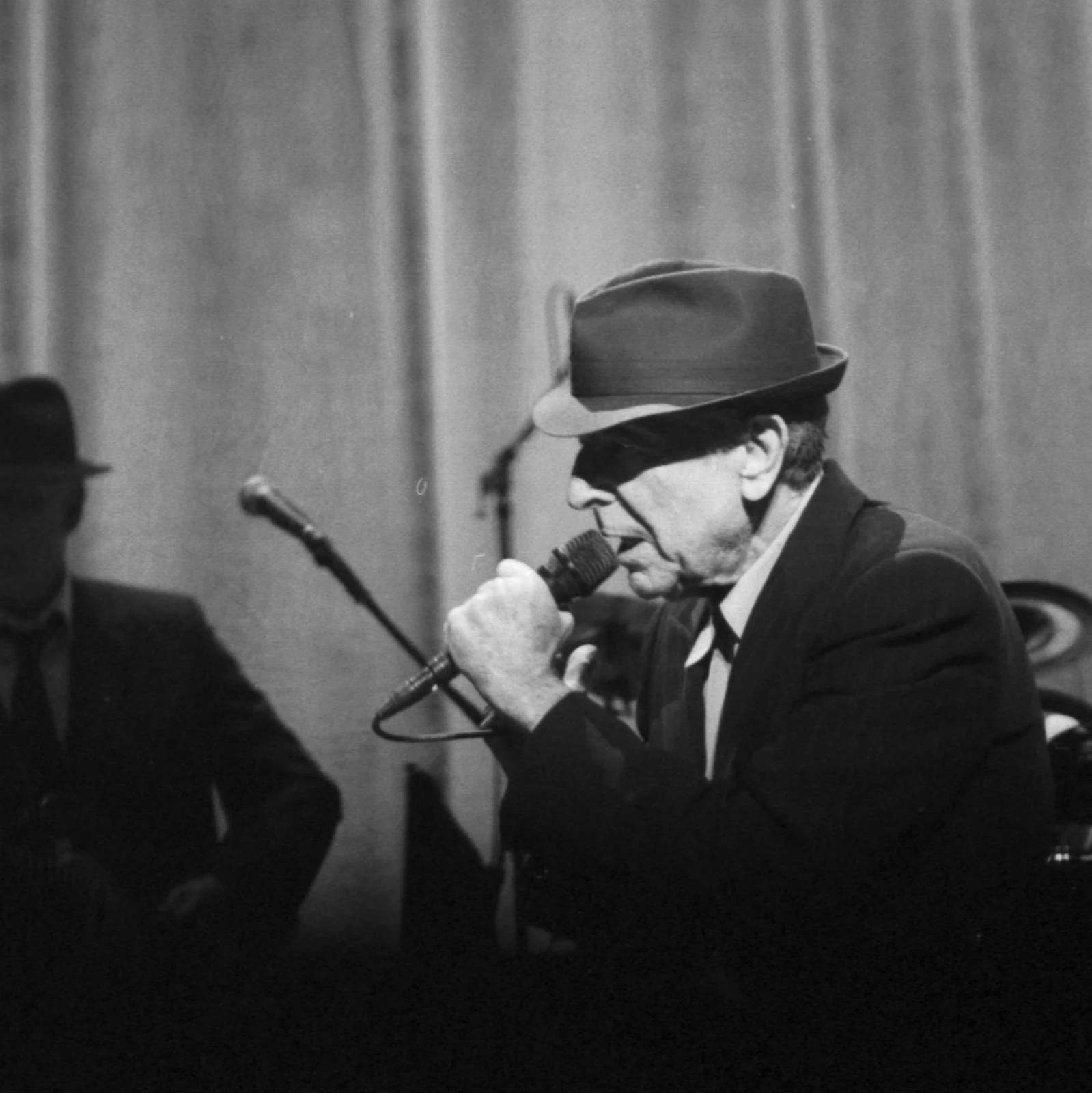
1934–2016
Leonard Cohen
Singer-songwriter, poet and novelistLeonard Cohen carried a Canadian literary career into songwriting, combining religious imagery, intimacy and self-questioning with an increasingly resonant singing voice.Read biography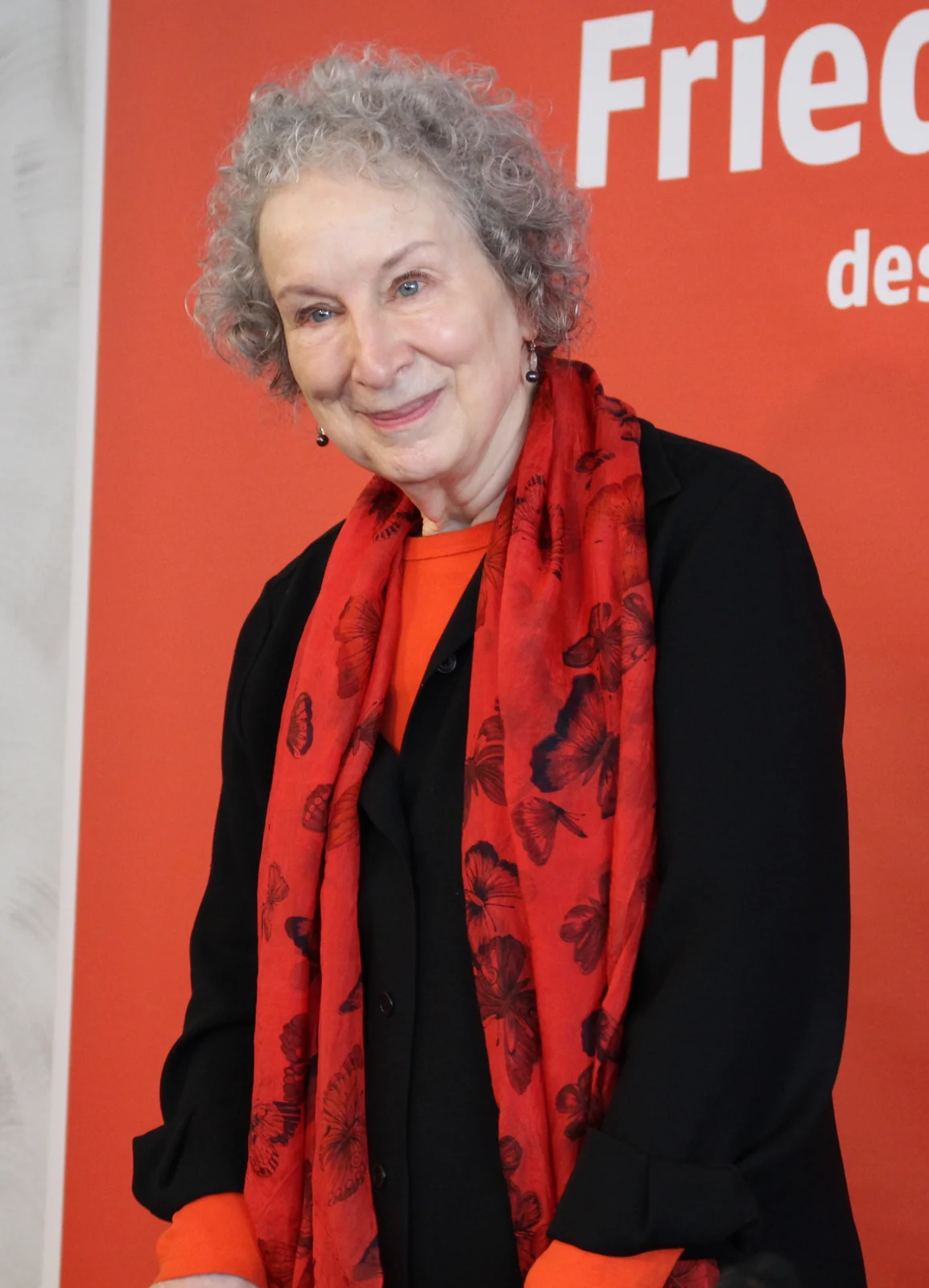
1939–
Margaret Atwood
Novelist, poet and literary criticMargaret Atwood examines power, memory and survival through poetry, historical fiction, dystopia and criticism, with a career extending well beyond The Handmaid’s Tale.Read biographyQuick answers
Common questions
- Who wrote Suzanne?
- Leonard Cohen. Judy Collins’s 1966 recording preceded Cohen’s own 1967 album version, but first recording and songwriting credit are different matters.
- Was Suzanne first a poem?
- It appeared as Suzanne Takes You Down in the 1966 collection Parasites of Heaven. That publication history does not prove that every word was completed before Cohen began a melody.
- Who was the Suzanne behind the song?
- Suzanne Verdal, a Montreal dancer. Her later interview describes the friendship and her response to the portrait; the song is not a complete account of her life.
- Is the 2008 photograph from the original recording?
- No. It is a later performance photograph, used here as an accurately identified image of the songwriter, not an illustration of the 1960s session.
Primary and institutional sources
How this history was checked
Official release records establish dates. The BBC interviews were accessed as named transcriptions, not original audio; their memories are attributed. Indexed academic passages establish the poem/song comparison, without claiming full-text access to an unavailable PDF. No lyrics or album artwork are reproduced. This article was reviewed on 23 October 2026.
- Official Leonard Cohen siteSongs of Leonard Cohen: exact release date and Suzanne’s track position
- Columbia/Legacy / official Leonard Cohen siteDecember 1967 debut-album listing
- Francis Mus / Canadian Review of Comparative LiteratureLeonard Cohen between Literature and Music: Suzanne case study
- Judith Skelton Grant / Studies in Canadian LiteratureLeonard Cohen’s Poems—Songs: Parasites of Heaven and the printed poem
- BBC / Leonard Cohen Files1986 Cohen and Hammond interview: composition and collaboration
- BBC / Leonard Cohen Files1998 Kate Saunders interview with Suzanne Verdal, transcribed by Marie Mazur
- Judy Collins / TIME2016 first-person recollection of hearing the songs in 1966
- Recording AcademyCollins’s 1966 recording and Cohen’s 1967 album distinguished
- Songwriters Hall of FameCohen’s songwriting and early recording career
- Wikimedia Commons / Rama2008 complete concert frame and CC BY-SA 2.0 France grant