
The short answer
On 24 June 1932, the People’s Party seized control in Bangkok and compelled a transfer from absolute to constitutional monarchy. The operation was rapid and largely bloodless, but the constitutions, coups and rebellion that followed show that a new source of political legitimacy did not produce a settled distribution of power.
Chronology
A timeline of the turning points
State reform creates a new official class
Central ministries, overseas education and a professional military produced officials who could imagine political authority beyond the absolute court.
The People’s Party is formed in Paris
A small group of Siamese students and officers organised around political, economic and national reform.
Economic pressure intensifies
The global depression reduced state revenue, prompting salary cuts and retrenchment that sharpened dissatisfaction within the bureaucracy and armed forces.
The People’s Party takes control
Civilian and military members occupied strategic locations in Bangkok and detained senior princes with little immediate bloodshed.
A proclamation claims popular sovereignty
The People’s Party announced the end of absolute rule and set out six principles for the new government.
A provisional constitution takes effect
Siam received its first constitutional instrument, defining the assembly as the representative of sovereign power.
The first National Assembly meets
An appointed assembly began work while political leaders negotiated the practical shape of the new order.
A permanent constitution is promulgated
A new charter established a constitutional monarchy and a partly appointed representative system.
A second coup shifts power inside the new regime
Phraya Phahon and military allies displaced Phraya Manopakorn after conflict over Pridi’s economic plan and suspension of the assembly.
The Boworadet Rebellion is defeated
Royalist forces challenged the government, but troops loyal to the People’s Party retained power.
Prajadhipok abdicates
The former absolute monarch relinquished the throne from Britain after prolonged disagreement with the government.
Was 1932 a revolution or a coup?
Both terms describe part of the event. Militarily, a small organised group seized strategic points and detained officials in a rapid coup. Constitutionally, the action ended centuries of absolute monarchy and relocated the stated source of sovereignty, a change large enough to justify the name revolution.
Calling it bloodless describes the operation on 24 June, not the whole transition. Political conflict continued through constitutional disputes, the 1933 coup within the new order and the Boworadet Rebellion.
Why did the People’s Party act?
The People’s Party, or Khana Ratsadon, brought together civilian officials and military officers educated inside Siam and abroad. They criticised concentrated authority, limited political participation and an economy that left many people insecure.
The Great Depression weakened revenue and forced cuts that affected officials and officers. Those immediate grievances mattered, but the movement also grew from decades of administrative reform, global constitutional ideas and a new bureaucratic class that wanted a role in governing.
What happened on 24 June 1932?
At dawn, the plotters used military units and control of communications to occupy key sites in Bangkok. Senior princes were held at the Ananta Samakhom Throne Hall, and the People’s Party issued a proclamation presenting its six principles.
King Prajadhipok was at Hua Hin. He chose not to order armed resistance and accepted government under a constitution. The decision reduced the risk of immediate civil war, but it did not mean the king and revolutionary leaders agreed on how the new system should work.
How did the first constitutions change Siam?
The provisional charter of 27 June stated that the highest power belonged to the people and created an assembly. The permanent constitution of 10 December retained the monarchy, defined institutions more fully and balanced elected representation with appointment during a transitional period.
A constitution did not instantly produce stable parliamentary democracy. Bureaucratic and military elites remained powerful, parties were weak, and later coups repeatedly replaced or suspended charters. Even so, government after 1932 had to justify itself in constitutional language.
Why does the revolution remain contested?
Different political traditions remember 1932 as democratic emancipation, an elite seizure of power, a necessary constitutional compromise or the beginning of military dominance. Each interpretation selects different actors and measures success against a different idea of democracy.
The People’s Party itself was divided. Pridi Banomyong represented a major civilian current, while officers including Plaek Phibunsongkhram later expanded military power. Treating the group as a single permanent ideology obscures the struggles that followed.
What is the clearest long-term legacy?
The durable result was not a settled democracy but the end of absolute monarchy as the formal basis of government. Assemblies, cabinets, constitutions and public claims to sovereignty became unavoidable parts of political legitimacy.
Thailand’s later history repeatedly revisited the unresolved question of who may exercise that sovereignty: elected representatives, courts, military leaders, bureaucratic institutions, monarchs or citizens in the street. The vocabulary of those disputes begins in modern form in 1932.
Continue the chronology
Related history guides
Thailand History Timeline
Place 1932 between nineteenth-century royal reform and later military, democratic and economic turning points.
Read the timeline14 October 1973The Thai Popular Uprising
Follow the later student-led challenge to a military government that ruled without a constitution.
Read the timelineTen biographiesThai Political Turning Points
Compare monarchs, revolutionaries, military rulers, economists and elected leaders.
Read the timelineConnected biographies
Three lives at the centre of revolution, constitutional negotiation and military ascendancy
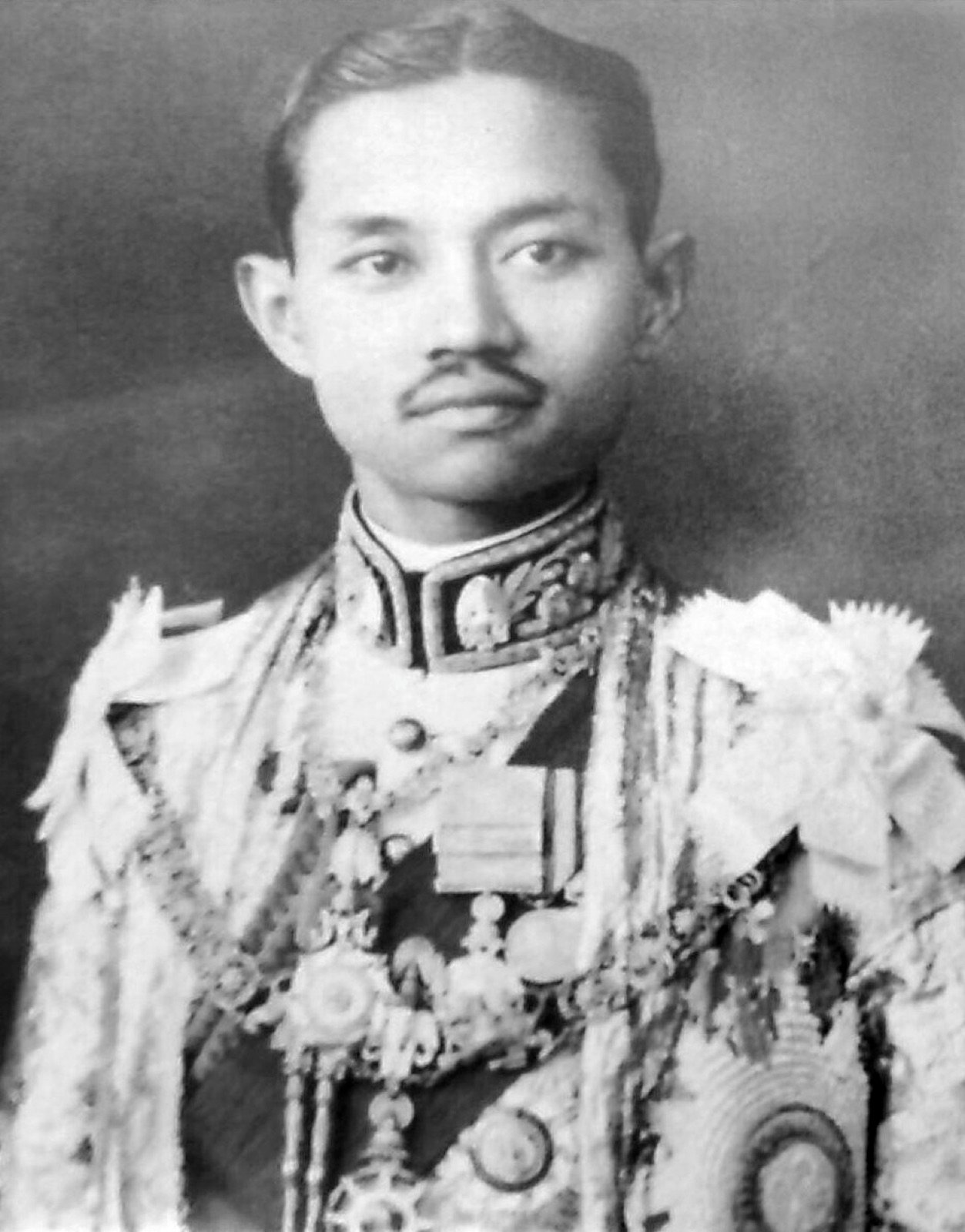 Thailand · Politics
1893—1941
Prajadhipok
King of Siam, 1925–1935The seventh Chakri king, whose reign encompassed economic retrenchment, the 1932 revolution, Thailand’s first constitutions and royal abdication.Read biography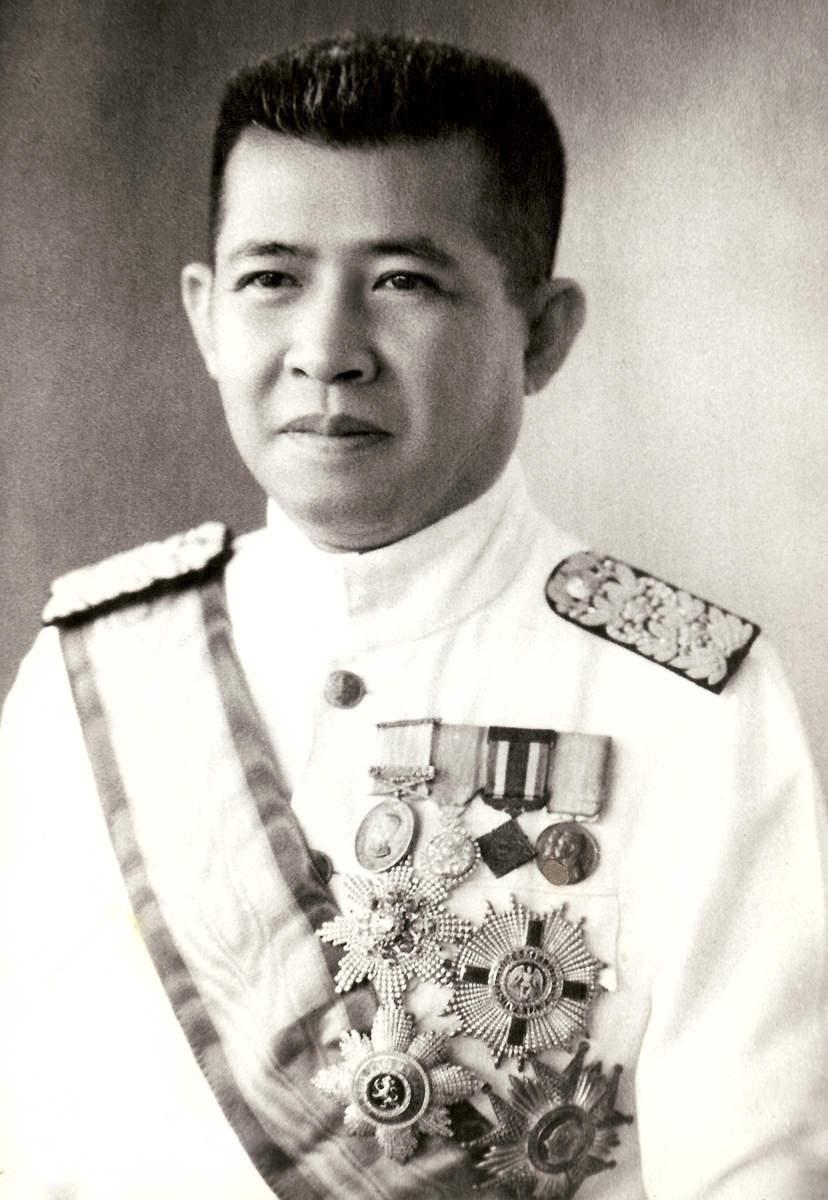 Thailand · Politics
1900—1983
Pridi Banomyong
Statesman, jurist and prime ministerA jurist and statesman who helped end absolute monarchy, founded Thammasat University and led the civilian Free Thai resistance during the Second World War.Read biography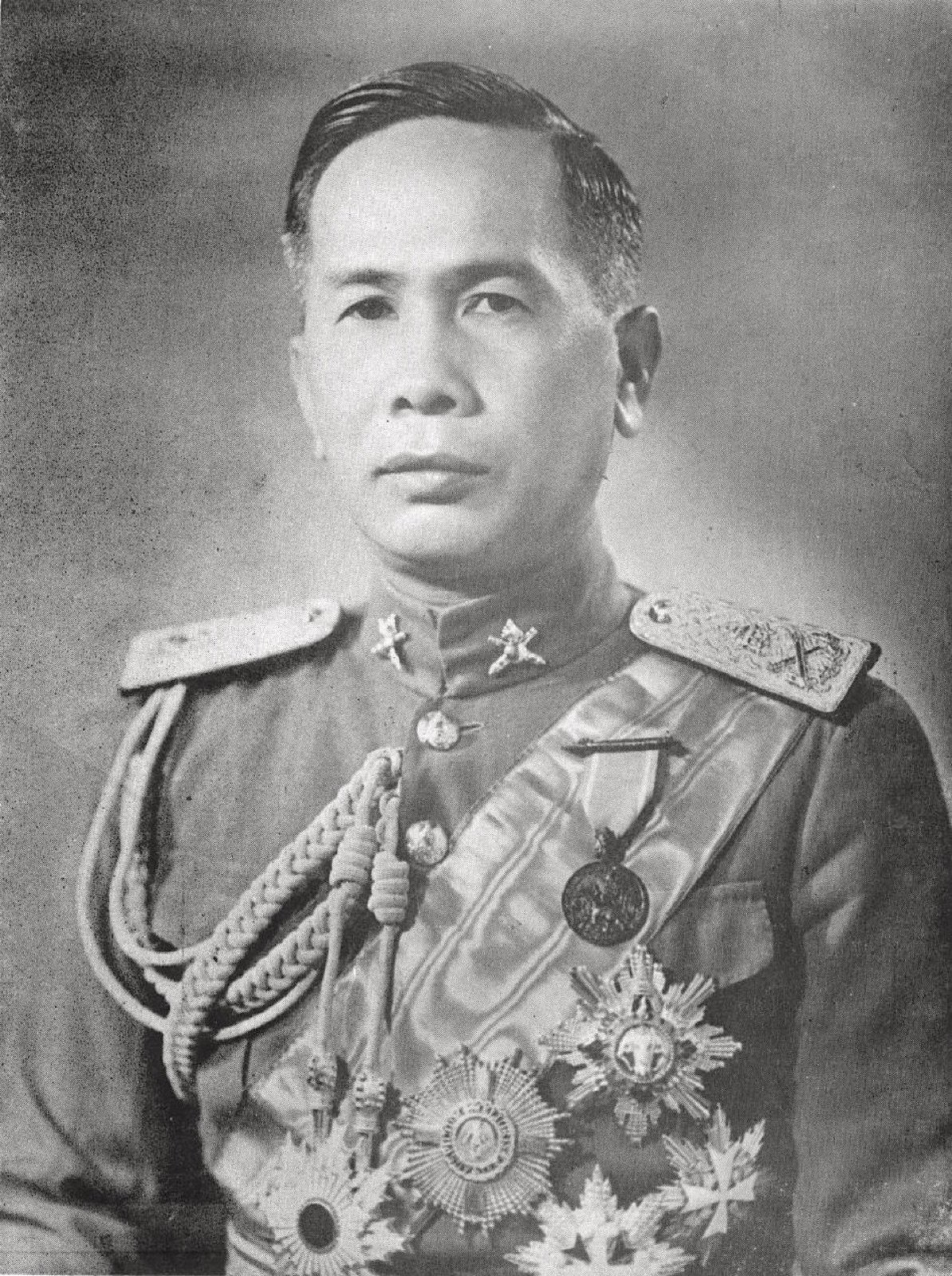 Thailand · Politics
1897—1964
Plaek Phibunsongkhram
Military officer and prime minister of ThailandA military leader of the 1932 revolution who twice served as prime minister and used state power to promote nationalism, social mandates and a new name for the country.Read biographyQuick answers
Common questions
- When was the Siamese Revolution?
- The decisive takeover occurred on 24 June 1932 in Bangkok. A provisional constitution followed on 27 June and a permanent constitution on 10 December 1932.
- Who led the 1932 revolution in Siam?
- The People’s Party, or Khana Ratsadon, organised the revolution. Important civilian and military members included Pridi Banomyong, Phraya Phahon Phonphayuhasena and Plaek Phibunsongkhram.
- Did the 1932 revolution abolish the Thai monarchy?
- No. It ended absolute monarchy and retained King Prajadhipok as a constitutional monarch under new legal limits.
- Was the 1932 revolution bloodless?
- The takeover on 24 June involved little immediate bloodshed. The broader transition was not free of violence: the Boworadet Rebellion of October 1933 produced armed conflict and deaths.
- What did the People’s Party want?
- Its six principles addressed national independence, public safety, economic welfare, equality, liberty and education. Members disagreed over how these goals should be implemented.
Primary and institutional sources
How this history was checked
Dates, legal milestones and historical claims are checked against the official and institutional records below. This article was reviewed on 8 September 2026.
- Library of CongressToday in History: June 24 and the end of absolute monarchy in Siam
- Ministry of Foreign Affairs of ThailandThai Foreign Policy, 1932–1946
- King Prajadhipok’s InstituteBiography of King Rama VII
- Parliament Museum of ThailandConstitution Day and the 1932 constitutional transition
- Office of the Council of State of ThailandInstitutional background before and after the 1932 change of regime