
The short answer
Nancy Astor’s entry into the House of Commons on 1 December 1919 made a woman’s presence in the chamber a practical reality. It was an important first, but not the first election of a woman to Westminster and not the completion of equal political participation. Separating legal eligibility, election, oath and parliamentary work explains precisely what changed.
Chronology
A timeline of the turning points
Partial female enfranchisement
The Representation of the People Act admitted a qualified group of women aged thirty and over to the electorate.
Eligibility to become an MP
The separate Parliament (Qualification of Women) Act removed the sex barrier to Commons membership.
Markievicz elected
Constance Markievicz won a seat but followed Sinn Féin’s policy of not taking it at Westminster.
Plymouth Sutton result declared
Astor won the vacancy created by her husband’s succession to a peerage.
Oath and seat
She became the first woman to sit in the Commons.
Maiden speech
She intervened in a debate about restrictions on the liquor trade.
Voting and eligibility for Parliament came through different laws
The 1918 Representation of the People Act extended the vote to a qualified group of women aged thirty and over. It did not establish equal voting terms with men, and it was not itself the legislation that enabled women to become MPs. The separate Parliament (Qualification of Women) Act followed in November. The distinction matters because voting in an election and standing for office are different political rights.
Constance Markievicz was elected in the December 1918 general election. As a Sinn Féin representative she did not take her Westminster seat. Calling Astor the first woman elected would erase that result and the political meaning of abstention. Markievicz’s first election and Astor’s first seating are compatible facts, not competing claims to the same event.
The Plymouth vacancy joined family advantage to electoral choice
Waldorf Astor’s inheritance of a viscountcy in 1919 obliged him to leave the Commons. Nancy, already known through constituency activity, stood as a Conservative in the resulting Plymouth Sutton by-election. Her connections and resources gave her advantages unavailable to most prospective women candidates. Nevertheless, succession was not automatic: she had to contest an election and obtain votes against Labour and Liberal opponents.
The result was declared on 28 November 1919. It created the opportunity for her institutional first, but the result and the act of taking a seat were separate moments. A precise chronology avoids treating the day of declaration as her first appearance in the chamber, and avoids implying that her husband could simply transfer a parliamentary seat to her.
Taking the oath made the barrier’s removal visible
On 1 December, Astor entered the Commons accompanied by David Lloyd George and Arthur Balfour and took her oath and seat. A woman could now participate from within the institution rather than only petition it, lobby members or attempt to influence elections from outside. The legal change of 1918 acquired a new everyday parliamentary presence.
That did not make the chamber welcoming or its culture gender-neutral. Historians Gottlieb and Turner emphasise her experience of hostility and her later cooperation with other women MPs. They also warn against assuming that women shared a single party programme. Astor’s arrival changed who could speak in the chamber; it did not guarantee agreement about what she or subsequent women should say.
The maiden speech showed a member making a political case
Astor’s formal maiden speech came on 24 February 1920, during debate on liquor restrictions. She acknowledged the novelty of a woman MP, then challenged the claims of opponents of drink regulation. She invoked the consequences of alcohol for women, children and national welfare, and reminded male colleagues of women’s new electoral power. Her contribution was argumentative and partisan in its policy implications, not simply a ceremonial performance.
The speech therefore offers a better test of participation than the milestone alone: a woman was exercising judgement and inviting disagreement inside Parliament. It remains evidence of Astor’s position, not a declaration on behalf of every woman. Her later antisemitic and anti-Catholic views also make clear why breaking a gender barrier should not be confused with universal commitment to equality. Historical significance and scrutiny belong together.
Continue the chronology
Related history guides
A woman elected Speaker
Distinguish entry into the Commons from the later election of a woman to preside over it.
Read the timeline1792An earlier argument about women’s civil standing
Compare philosophical demands for independence with a much later institutional change, without assuming a direct causal chain.
Read the timelineBiography context
Explore United Kingdom through connected lives
Nancy Astor
Explore her American upbringing, parliamentary work, social networks and documented prejudices beyond the first-seat milestone.
Explore the biographiesCompare a later institutional firstBetty Boothroyd
See how becoming the first woman Speaker involved a different parliamentary office and a different standard of impartiality.
Explore the biographiesConnected biographies
Women entering and later presiding over the Commons
1879–1964
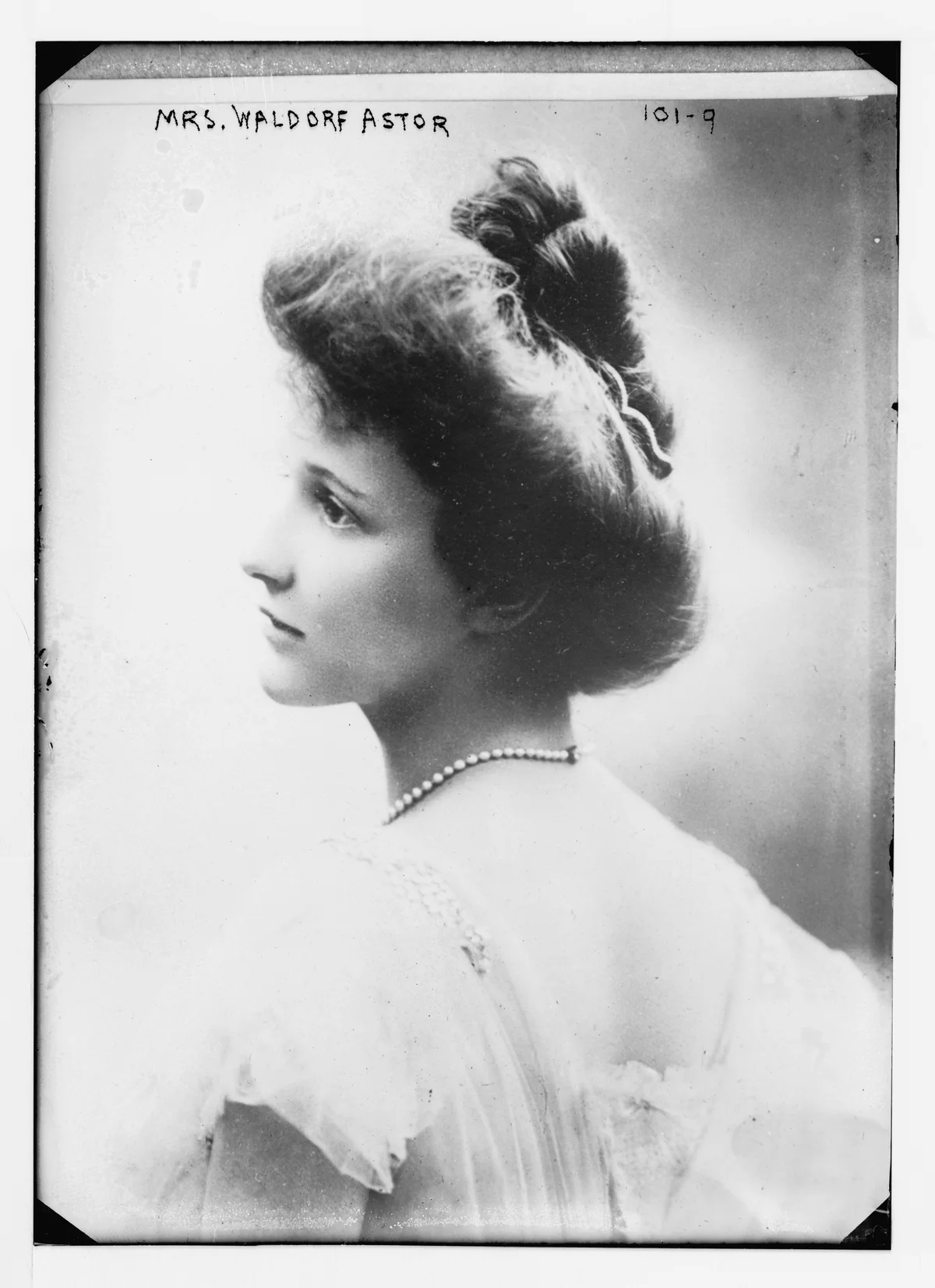
Nancy Astor
American-born British Conservative MPNancy Astor became the first woman to sit in the Commons in 1919. Her work on women’s participation and social legislation belongs beside the advantages of wealth, the hostility she faced, and her own antisemitic and anti-Catholic prejudices.Read biography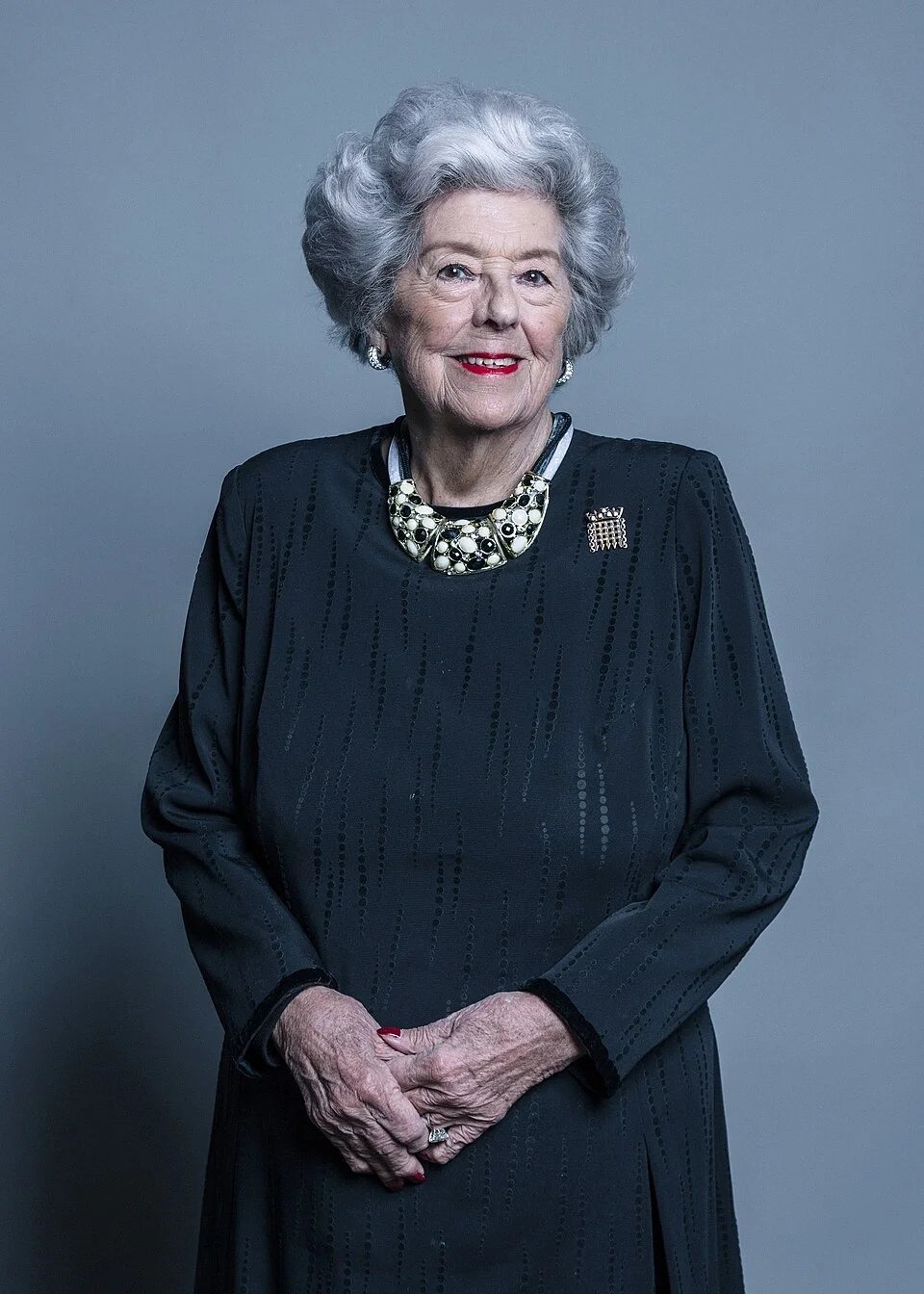
1929–2023
Betty Boothroyd
British parliamentarian and first woman Commons SpeakerBetty Boothroyd became the first woman elected Speaker of the House of Commons in 1992. A former Labour MP and deputy speaker, she combined a firm command of procedure with a distinctive public presence during eight years in the chair.Read biographyQuick answers
Common questions
- Who was the first woman elected to the Commons?
- Constance Markievicz was elected in 1918. She did not take her Westminster seat, in line with Sinn Féin abstention.
- When did Astor actually take her seat?
- On 1 December 1919, after the Plymouth Sutton by-election result was declared on 28 November.
- Did the 1918 voting Act itself allow women to become MPs?
- No. A separate Parliament (Qualification of Women) Act in November 1918 addressed eligibility for membership.
- Did Astor represent a single women’s political viewpoint?
- No. Women differed over party, social policy, class and religion. Astor’s first-seat status did not give her a mandate to speak for all of them.
Primary and institutional sources
How this history was checked
Uses Parliament’s institutional overview, the Reading chronology and scholarly discussion, English Heritage’s profile, and the retrieved Astor contribution in the 1920 debate. The result declaration, first seating and maiden speech are treated separately. No claim is made to have examined the full election archive or Astor’s private correspondence. This article was reviewed on 23 October 2026.
- University of Reading, Astor100Nancy Astor: a short timeline
- University of Reading / Julie Gottlieb and Jacqui TurnerNancy Astor: pioneering, problematic and feminist by default
- English HeritageLady Nancy Astor: political career and the Cliveden Set
- UK ParliamentWomen in the House of Commons: Markievicz and Astor
- UK Parliament, Historic HansardLiquor Traffic (Restrictions): Astor’s maiden speech, 24 February 1920
- Library of Congress / Wikimedia CommonsMrs Waldorf Astor, profile: complete glass-negative master TIFF
- Lallie Charles / Wikimedia CommonsNancy Astor portrait: creator, 1906 publication and lifespan attribution; edited image not used
- Creative CommonsPublic Domain Mark 1.0