
The short answer
How could a supermarket’s own label become a destination rather than just the cheapest substitute? President’s Choice addressed that question through product selection, a recognizable identity and direct communication with shoppers. Its 1984 launch is distinct from no name in 1978 and the Insider’s Report in 1983. The story is about retail strategy and a team, not a product personally invented by a single owner.
Chronology
A timeline of the turning points
No name
Loblaw introduces a value-oriented private-label range with a distinct presentation.
Insider’s Report
Dave Nichol’s product-focused publication precedes the brand launch.
President’s Choice
The premium private-label range debuts.
A recognizable product example
Loblaw’s timeline dates The Decadent Chocolate Chip Cookie to this year.
A private label is a relationship, not proof of who manufactured it
A retailer-controlled brand can appear on goods produced by outside suppliers. The brand identifies the commercial offer and its connection with the retailer; it does not mean that a supermarket owner personally designed or manufactured every item. President’s Choice developed within Loblaw’s retail and sourcing organization.
This arrangement differs from a national manufacturer’s brand sold through competing chains. The retailer can use its own range to differentiate its stores, while suppliers still carry out product development and production work. That distinction helps explain the business opportunity without attributing every recipe or factory process to Galen Weston Sr. or Dave Nichol.
No name and President’s Choice answered different shopping questions
Loblaw introduced no name in 1978. Its economical presentation emphasized the retailer’s value proposition. President’s Choice followed in 1984 with a premium private-label identity. The two could coexist because customers might seek a basic staple at one moment and a distinctive product at another.
Premium did not necessarily mean the highest shelf price. Nichol’s pitch challenged the assumption that a retailer’s brand must be an inferior substitute. However, historical marketing claims about quality or savings are not a blanket independent finding about every product, store or present-day price. A brand strategy is not a permanent guarantee.
The 1983 publication and 1984 brand should not be collapsed
Loblaw’s timeline dates the debut of Dave Nichol’s Insider’s Report to 1983 and President’s Choice to 1984. The publication promoted products through descriptions, stories and recommendations rather than only a grid of prices. It gave the retailer a voice in which to explain unfamiliar foods and encourage trial.
Because those activities were closely connected, compressed histories sometimes assign the same year to everything. The more useful distinction is between a communication platform and a branded product range. Neither date means that every later President’s Choice product, financial service or retail initiative existed at the original launch.
Nichol, Weston and the product teams had different contributions
The Christian Science Monitor’s 1994 report identifies Dave Nichol with the 1984 premium-label introduction. Galen Weston Sr. supplied senior corporate leadership, while buyers, suppliers, developers and marketers converted product ideas into goods that stores could stock. A commercial brand requires those repeated tasks beyond the launch announcement.
That division also clarifies the word president in the name. It referred to a retail executive’s selection, not endorsement by a national head of state. Nichol’s recognizable persona helped sell the proposition, but neither his taste nor ownership alone substitutes for manufacturing standards, supply reliability or a customer’s experience with an individual item.
Why the launch matters in retail history
President’s Choice helped demonstrate how a grocery chain could use its own products as an attraction, not simply as lower-cost replacements. Loblaw’s subsequent cookie milestone illustrates that the range continued to evolve after 1984. The product sequence is more informative than treating a mature brand portfolio as if it appeared fully formed on launch day.
The historical question is how branding, sourcing and distribution changed the retailer’s relationship with shoppers. It is not whether every later product was superior or whether a successful range resolves broader questions about grocery competition. Keeping those questions separate allows the commercial innovation to be explained without turning the article into either advertising or a verdict on the whole corporation.
Continue the chronology
Related history guides
Loblaw’s 1972 Turnaround
Understand the store restructuring and management changes preceding the later private-label strategy.
Read the timeline2015–2020District Ventures and Consumer Brands
Explore a later approach to helping emerging consumer-product businesses reach commercialization.
Read the timelineBiography context
Explore Canada through connected lives
Connected biographies
Corporate leadership behind the brand era
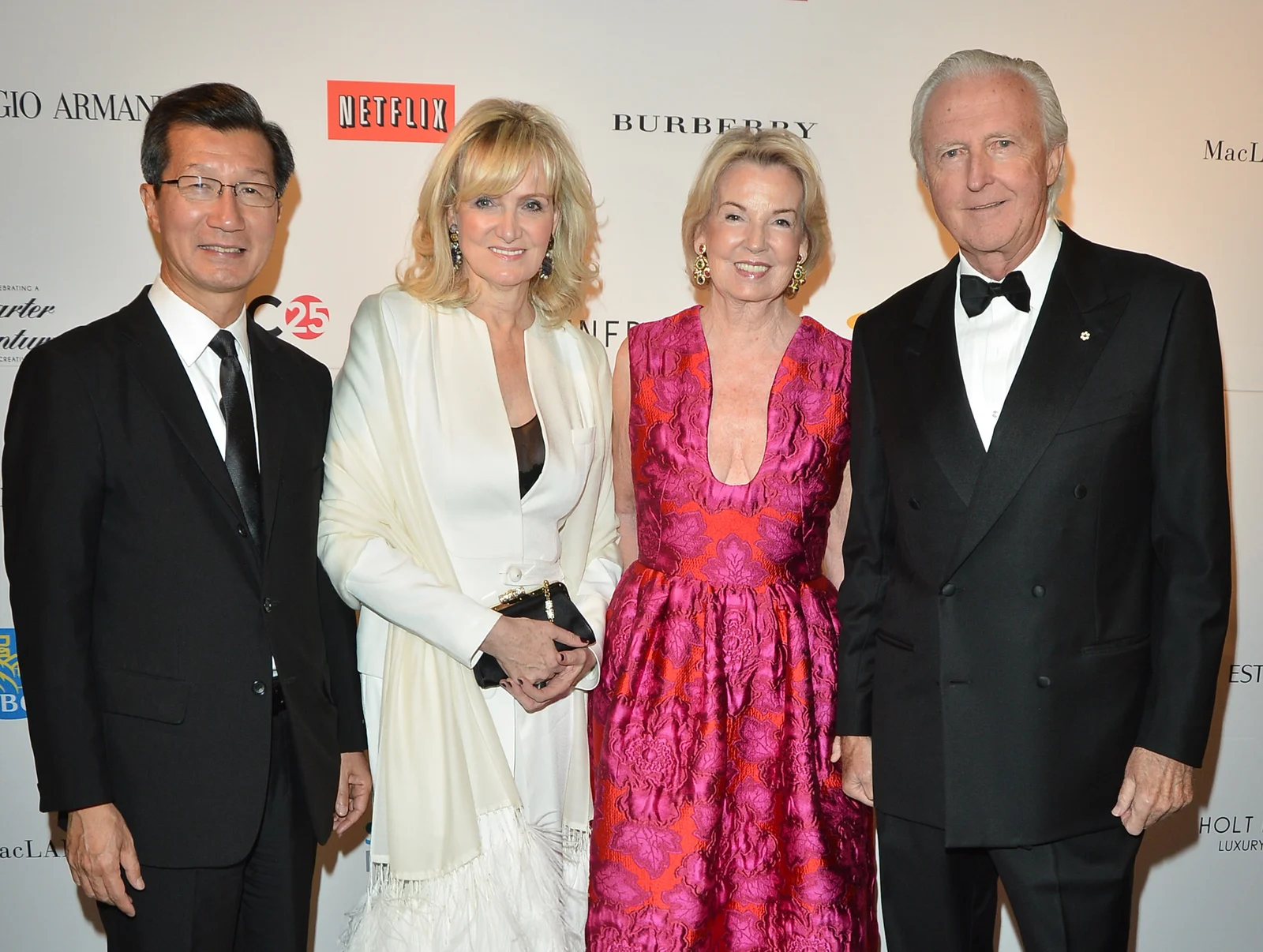
1940–2021
Galen Weston Sr.
Retail executive and former George Weston chairmanGalen Weston Sr. was a Canadian retail executive who returned from Ireland to lead Loblaw’s restructuring in 1972. A third-generation member of the Weston business family, he worked with managers and designers to rebuild the grocery chain and later chaired George Weston Limited.Read biographyQuick answers
Common questions
- When did President’s Choice launch?
- Loblaw’s chronology and contemporary reporting place the brand launch in 1984. The related Insider’s Report began in 1983.
- Is President’s Choice the same as no name?
- No. No name began in 1978 with a value-oriented identity; President’s Choice developed as a separate premium private-label range.
- Did Galen Weston Sr. invent every President’s Choice product?
- No. Corporate leadership, Dave Nichol’s product and marketing role, suppliers and specialist teams all contributed.
Primary and institutional sources
How this history was checked
The corporate timeline distinguishes publication and product dates. A 1994 newspaper report corroborates the premium private-label concept; its quality comparisons are not generalized to every item or current price. This article was reviewed on 23 October 2026.
- Loblaw1978, 1983, 1984 and 1988 chronology
- George Weston LimitedReinventing Loblaws: private labels and Nichol’s marketing
- The Christian Science Monitor1 April 1994: Nichol and the 1984 premium private-label launch
- Grocery BusinessWeston’s corporate retail role
- George Weston LimitedGroup history and retail context
- George Pimentel / Canadian Film Centre / Wikimedia CommonsComplete later gala group and reviewed licence
- Creative CommonsAttribution 2.0 Generic licence