
The short answer
On 13 February 2008, Kevin Rudd moved a parliamentary apology to Australia’s Indigenous peoples, particularly the Stolen Generations. The event followed years of survivor testimony, inquiry, community campaigning and earlier apologies. Its significance rests on public acknowledgment of past laws and policies, while its limits become clear when recognition is distinguished from compensation, family reunion, services and measurable policy change.
Chronology
A timeline of the turning points
National inquiry begins
An inquiry examines the separation of Aboriginal and Torres Strait Islander children from their families.
Bringing them home
The report documents removals and recommends acknowledgment alongside wider reparations.
First National Sorry Day
Community observances and Sorry Books build public recognition.
Federal expression of regret
Parliament expresses regret, but the Howard government does not make the formal apology sought by campaigners.
Parliamentary apology
Rudd moves the motion; Opposition Leader Brendan Nelson responds and the motion receives bipartisan support.
Calma’s response
Tom Calma calls for a partnership and implementation of outstanding recommendations, not an end point.
Compensation remains debated
HREOC supports proposed compensation legislation and a comprehensive reparations approach.
Survivor testimony and inquiry preceded the prime minister’s words
The Stolen Generations refers to Aboriginal and Torres Strait Islander people removed from their families under past laws, policies and practices. Experiences varied across jurisdictions, institutions, families and periods; the term should not be read as claiming that every Indigenous child was removed.
The national inquiry begun in 1995 investigated separation and its effects. Its 1997 report, Bringing them home, brought testimony and recommendations into a national policy debate. The report’s authority came in substantial part from people describing loss of family, identity, language and community. A history centred only on a prime minister would miss those foundations.
An apology was one part of a larger reparation framework
Recommendation 3 of Bringing them home treated reparation as a combination of acknowledgment and apology, safeguards against repetition, restitution, rehabilitation and monetary compensation. The report therefore did not suggest that a speech could replace all other responses.
Its discussion linked recognition with practical questions such as access to records, return to family and country, and culturally appropriate assistance. These were recommendations rather than a compensation scheme already enacted by the report itself. Keeping that distinction explains why acceptance of the 2008 apology could coexist with continued demands for resources, redress and institutional change.
Community action and earlier apologies kept the question open
State and territory apologies preceded the Commonwealth’s formal apology. National Sorry Day began in 1998, and Sorry Books and reconciliation events provided ways for people to express support. The Human Rights Commission’s chronology records a federal motion of regret in 1999, which was not the formal apology campaigners sought.
John Howard’s government resisted a national apology. After Labor won the 2007 election, Rudd’s government committed to one. The change in government mattered, but it was not the beginning of the demand: survivors, families and organisations had sustained it through years of public and political work.
The motion acknowledged government responsibility for removal policies
At 9 am on 13 February 2008, Rudd moved the apology in the House of Representatives. Its text identified laws and policies of successive parliaments and governments and specifically acknowledged the removal of Aboriginal and Torres Strait Islander children from families, communities and Country.
It extended the apology to descendants and families affected by those actions and proposed a future based on respect and equal opportunity. This was a parliamentary motion and address, not an Act creating a universal entitlement to compensation. Brendan Nelson’s response supported the apology but also provoked objections from some listeners; bipartisan participation did not mean every speech or sentiment was received identically.
Calma’s response put survivors and unfinished work back at the centre
Tom Calma, then Aboriginal and Torres Strait Islander Social Justice Commissioner, responded at Parliament House at the request of the National Sorry Day Committee and Stolen Generations Alliance. He welcomed acknowledgment of the removals and the respect it offered to those affected.
He also warned against treating the day as a conclusion. His response identified unmet needs, under-resourced Link-Up and support organisations, and recommendations that had not been implemented systematically. He called for continuing participation by Stolen Generations groups and coordinated action across governments. The response thus combined recognition of the day’s importance with a practical agenda for what should follow.
Sources for this section: [6]
Recognition and subsequent policy outcomes require separate evidence
The parliamentary event was widely broadcast and mattered deeply to many who witnessed it. Contemporary reporting also recorded disagreement, including responses to Nelson and arguments about compensation. No single account can stand for every survivor’s experience.
In April 2008, HREOC continued to advocate nationally consistent financial redress and cautioned that healing programmes should not replace compensation. That submission demonstrates the distinction between an apology delivered and reparations still sought. Rudd’s speech also connected recognition with Closing the Gap ambitions, but those ambitions require their own evidence about implementation and outcomes; the speech is not proof that its goals were achieved.
Biography context
Explore Australia through connected lives
Kevin Rudd
Place the apology alongside diplomacy, economic policy and the two terms of his premiership.
Explore the biographiesThe preceding governmentJohn Howard
Read the wider political career of the prime minister whose government resisted a formal national apology.
Explore the biographiesConnected biographies
The change in Commonwealth political leadership
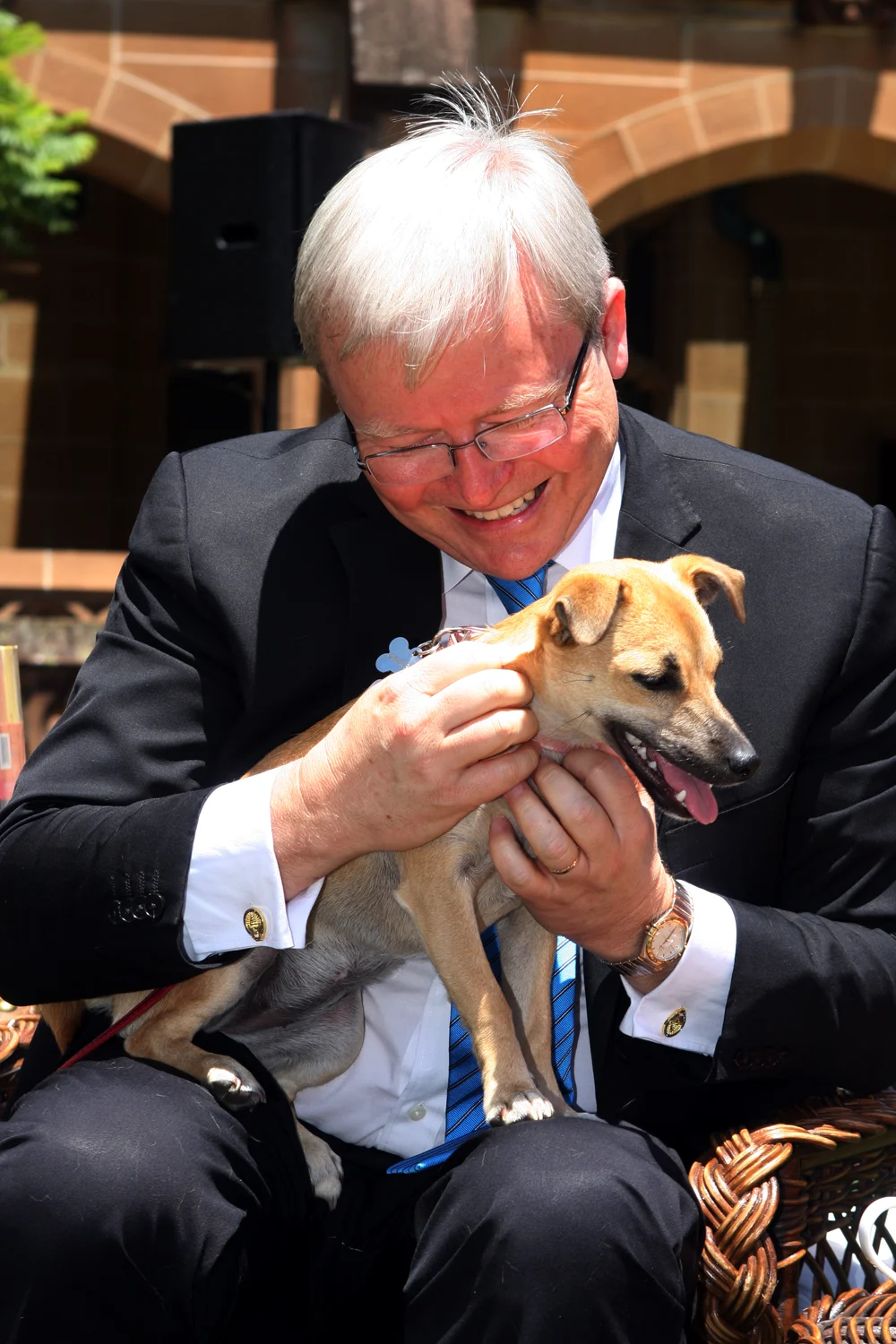
1957–
Kevin Rudd
Prime minister, diplomat and international-policy writerKevin Rudd served as Australia’s prime minister in 2007–2010 and again in 2013. His career connects Chinese studies and diplomacy with Labor leadership, the National Apology, economic stimulus and disputed policy implementation.Read biography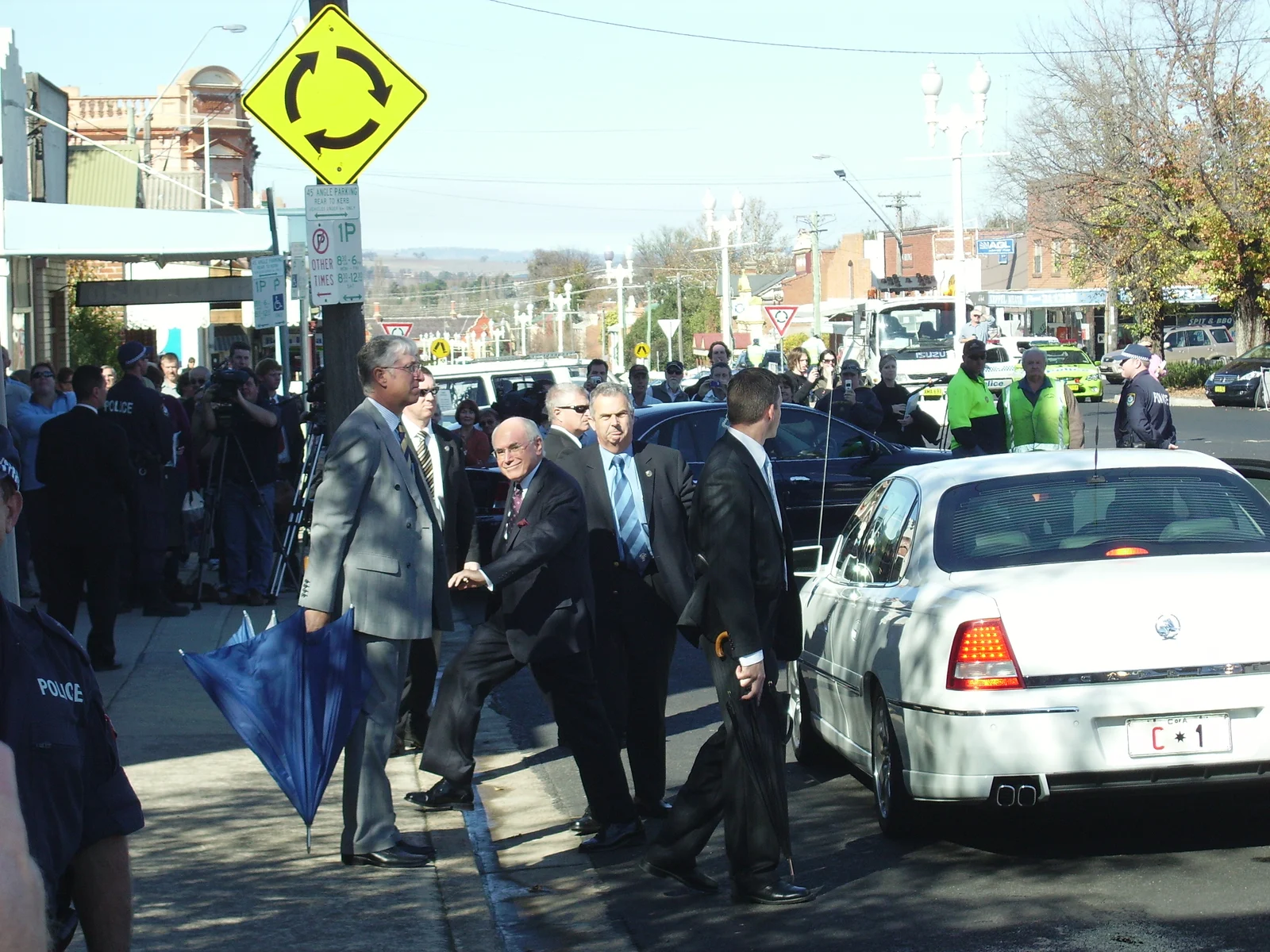
1939–
John Howard
Former Australian treasurer and Australia’s 25th prime ministerA Sydney solicitor who became treasurer, twice led the opposition and served as prime minister from 1996 to 2007 before losing government and Bennelong.Read biographyQuick answers
Common questions
- Who delivered the National Apology and when?
- Prime Minister Kevin Rudd moved it in the House of Representatives on 13 February 2008. Opposition Leader Brendan Nelson responded; the motion received bipartisan support.
- Was this Australia’s first apology of any kind?
- No. State and territory apologies and community campaigns preceded the Commonwealth parliamentary apology. A federal expression of regret in 1999 was a different form of statement.
- Who responded for Stolen Generations organisations?
- Tom Calma responded at the request of the National Sorry Day Committee and Stolen Generations Alliance. He welcomed the acknowledgment and called for continuing partnership and practical action.
- Did the apology itself pay compensation?
- No. It was a parliamentary motion, not a universal compensation scheme. Bringing them home had recommended apology and financial compensation as complementary parts of reparations.
- Is National Sorry Day the same date as the apology anniversary?
- No. National Sorry Day is observed on 26 May. The National Apology was delivered on 13 February 2008.
Primary and institutional sources
How this history was checked
The parliamentary text establishes what was said, while the inquiry’s reparation chapter and Calma’s response establish the wider demands and survivor-led agenda. Museum history and contemporary ABC reporting supply chronology and differing reactions. The compensation submission is dated 9 April 2008, despite a later archive-page publication label. The photograph shows Rudd in January 2013, not at the apology. This article was reviewed on 24 October 2026.
- Australian Embassy, France / House of RepresentativesNational Apology: motion and Kevin Rudd’s speech, 13 February 2008
- Parliament of AustraliaApology to Australia’s Indigenous Peoples: motion, witnesses and presentation
- National Museum of AustraliaNational Apology: inquiry, earlier apologies and community campaigning
- Australian Human Rights CommissionHistorical context: Stolen Generations, Sorry Day and reconciliation
- Human Rights and Equal Opportunity CommissionBringing them home, chapter 14: making reparation, 1997
- Australian Human Rights CommissionTom Calma: Let the healing begin, 13 February 2008
- ABC NewsRudd: We say sorry, 13 February 2008
- Human Rights and Equal Opportunity CommissionSubmission to the Stolen Generations Compensation Bill inquiry, 9 April 2008
- Eva Rinaldi / Wikimedia CommonsKevin Rudd (Pic 3), 16 January 2013: Flickr-reviewed CC BY-SA 2.0 photograph