
The short answer
March gives the absent father of Louisa May Alcott’s Little Women a disturbing Civil War experience. Geraldine Brooks’s 2005 novel draws on historical material without turning its protagonist into a reliable biographical account of Bronson Alcott. This guide discusses structure and themes with some premise-level spoilers.
Chronology
A timeline of the turning points
The fictional wartime frame
The idealistic father encounters war away from the household familiar to Alcott’s readers.
Advance review
Publishers Weekly reviews the forthcoming novel in December.
March published
Brooks’s second novel develops the absent father’s story.
Pulitzer and author interviews
The Fiction award and Brooks’s explanations distinguish the research from invention.
An absence in Little Women becomes the new centre
Brooks told ABC that rereading Little Women as a wartime book drew her attention to the father away from home. March shifts the focus toward an idealist trying to oppose slavery while confronting the harm, compromise and confusion of war.
The relationship is literary rather than genealogical. Readers meet a fictional father already connected to a fictional family, not an unknown diary suddenly recovered from an archive. Familiarity with Alcott’s domestic world supplies expectations that Brooks can complicate by asking what the absent parent experiences and what he chooses to tell those waiting for him.
Bronson Alcott supplied material, not every event
In her ABC interview, Brooks identifies Bronson Alcott’s journals as a resource for the protagonist’s voice and idealism. The real father’s intellectual commitments could help her imagine a character without requiring the two men to share an identical biography.
The publisher’s interview makes the distinction especially explicit for Grace: Brooks says the romantic relationship was invented, not suggested by Alcott’s biography. That example is important when reading a research-rich novel. Historically plausible circumstances do not independently verify a private relationship, and a persuasive voice is not the same thing as a surviving witness statement.
Letters home and a second viewpoint limit the father’s authority
Publishers Weekly describes the contrast between the father’s reassuring letters and what he reveals to the reader. Later, the narrative passes to Marmee. Her account offers a different understanding of the marriage and of events that he has been explaining on his own terms.
Brooks says the change of voice allowed her to examine communication and misunderstanding between spouses. It also prevents the father’s idealism from becoming the only measure of the story. The people who remain at home live with the consequences of decisions made elsewhere, even when the person making them believes he is acting generously.
The moral conflict extends beyond choosing the right cause
The novel’s Union chaplain is committed to abolition, but commitment does not protect him from witnessing racism or from failing other people. The Pulitzer account places those failures alongside his damaged expectations of himself and his country.
In the contemporary author interview, Brooks connects the book to her concern about idealists at war. The distinction is between supporting an end to slavery and assuming every act performed in that cause must be just. That tension gives the novel a focus on conscience and responsibility rather than a simple progression from innocence to heroic certainty.
The award recognises a novel, not an authenticated missing chapter
The 2006 Pulitzer Prize for Fiction went to March. Publishers Weekly’s advance review had already praised its accessible historical voice and its treatment of the intimate costs of war. These are assessments of a literary construction, not certification of all its incidents.
For further reading, it helps to place three sources beside one another: Little Women for the established family, material about Bronson Alcott for the historical influence, and Brooks’s own explanations of her choices. Their differences are part of the novel’s interest. March belongs to that conversation without replacing either Alcott’s work or a factual biography.
Biography context
Explore United States through connected lives
Geraldine Brooks
Follow the reporting and writing career around this second novel.
Explore the biographiesEarlier literary lifeLouisa May Alcott
Read the separate biography behind Little Women’s authorship.
Explore the biographiesLater historical fictionHorse
Compare a different use of fragmentary historical evidence and invented lives.
Explore the biographiesConnected biographies
The later novelist and the author she reimagined
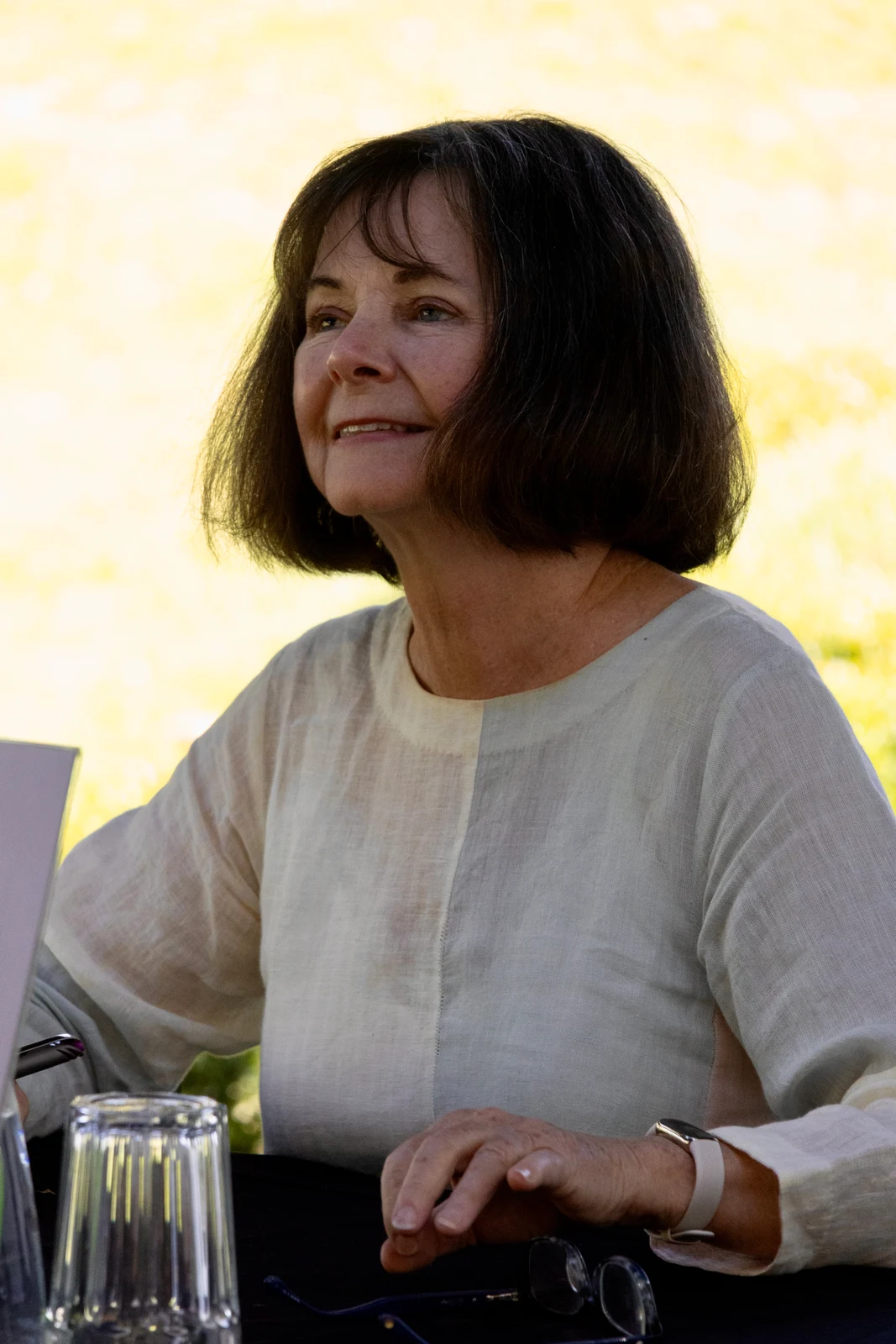
1955–
Geraldine Brooks
Journalist, historical novelist and memoiristSydney-born Geraldine Brooks moved from foreign reporting into historical fiction and memoir. March won the 2006 Pulitzer Prize for Fiction; later books include Horse and Memorial Days. Her research-based writing remains distinct from the invented voices and relationships within the novels.Read biography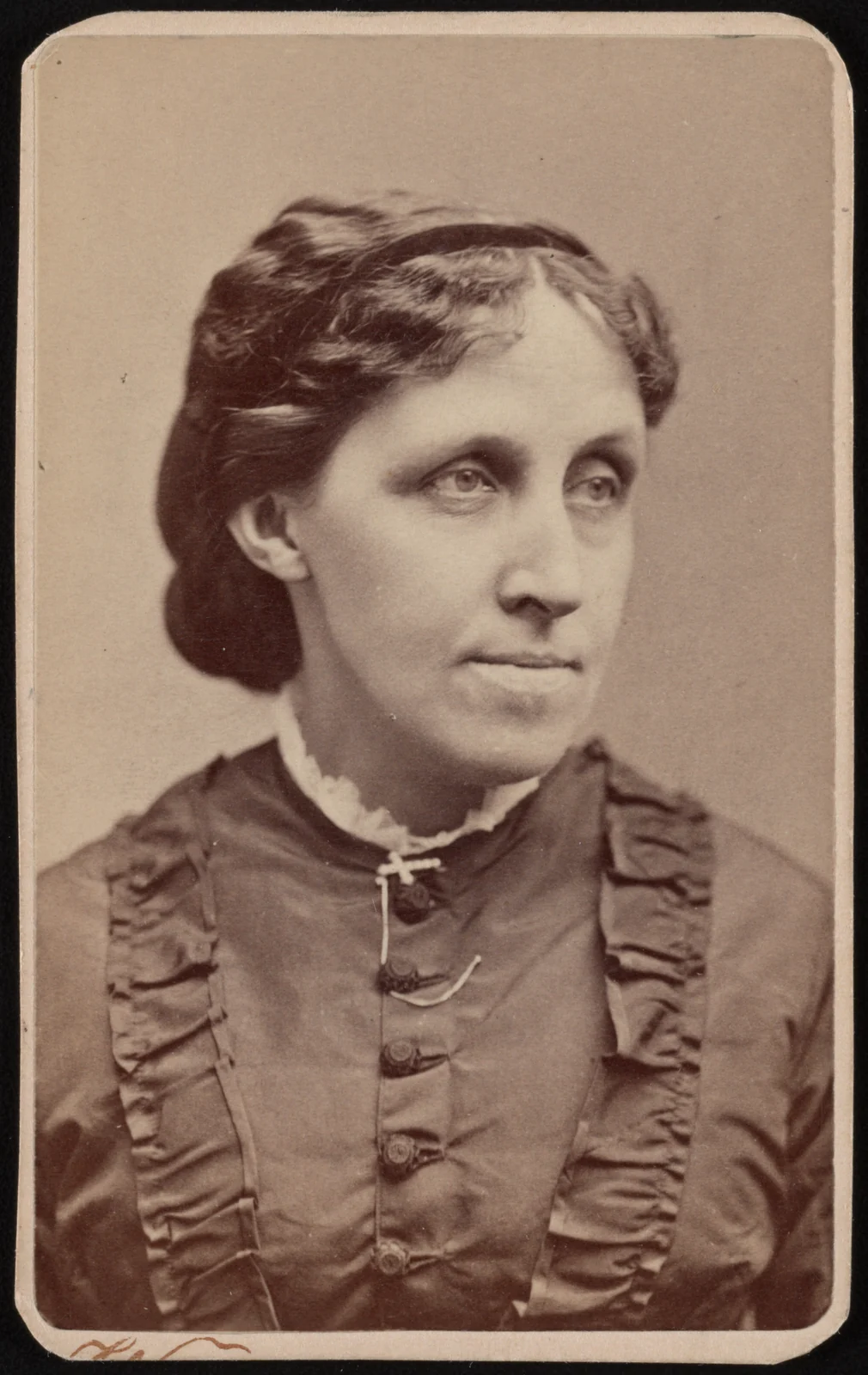
1832–1888
Louisa May Alcott
Novelist, short-story writer and reform advocateLouisa May Alcott was an American writer whose Little Women grew from family experience, while her wider career encompassed Civil War nursing sketches, adult novels and sensational fiction.Read biographyQuick answers
Common questions
- Is March a sequel to Little Women?
- It reimagines the father’s wartime absence within the earlier family framework, rather than simply continuing the daughters’ later lives.
- Is its protagonist identical to Bronson Alcott?
- No. Brooks used historical material about him while constructing a fictional character.
- Was the relationship with Grace a historical discovery?
- Brooks explicitly describes that relationship as invented, not supported by Alcott’s biography.
- Did the Pulitzer come in the publication year?
- The novel appeared in 2005; it received the 2006 Fiction prize.
Primary and institutional sources
How this history was checked
The prize result, contemporary review and actually read written interviews establish different kinds of evidence. ABC’s introduction contains transcription/name irregularities, so the character is identified as Mr March rather than assigned a disputed given name. No claim to have listened to the broadcast, read all of Alcott’s journals or quoted the complete novel. Counted once with Australia through Brooks; the US setting and existing Alcott URL are preserved. This article was reviewed on 24 October 2026.
- The Pulitzer PrizesMarch: 2006 Fiction winner; historical author note
- Penguin Random HouseMarch reading guide: selected author interview on invention and viewpoints
- ABC Lateline / Tony Jones and Geraldine Brooks19 April 2006: written interview on March and Bronson Alcott
- Publishers WeeklyMarch: review published 20 December 2004 ahead of the 2005 novel
- Yu Chu Chin / Wikimedia CommonsGeraldine Brooks at Adelaide Writers’ Week, 3 March 2025: own-work CC BY-SA 4.0