
The short answer
The Helsinki Memorandum ended nearly thirty years of organised conflict between Indonesia and the Free Aceh Movement. Its durability came from reciprocal, measurable commitments: autonomy and political participation, amnesty and reintegration, weapons decommissioning, troop reductions and international monitoring.
Chronology
A timeline of the turning points
The Free Aceh Movement declares independence
Hasan di Tiro founded GAM, beginning a separatist conflict driven by identity, central rule, resource grievances and coercive state response.
Aceh is treated as a military operations area
Counterinsurgency expanded under the New Order, producing killings, disappearances, torture, displacement and a deeper cycle of fear and recruitment.
A cessation-of-hostilities agreement is signed
The government and GAM accepted an internationally facilitated ceasefire, but disputes, intimidation and weak enforcement caused it to collapse.
Martial law and a major offensive begin
President Megawati Sukarnoputri authorised full-scale military operations after negotiations failed, restricting access while violence and displacement intensified.
The Indian Ocean tsunami devastates Aceh
More than 130,000 people in Aceh were killed and immense destruction opened the province to international relief and created new urgency for peace.
Five rounds of Helsinki talks produce a settlement
The Yudhoyono government and GAM negotiated through the Crisis Management Initiative led by former Finnish president Martti Ahtisaari.
The Helsinki Memorandum of Understanding is signed
Indonesia and GAM accepted autonomy within the republic, political participation, amnesty, demobilisation, troop reduction and international monitoring.
Weapons are decommissioned and forces withdrawn
The Aceh Monitoring Mission verified the destruction of 840 GAM weapons and the relocation of 31,681 non-organic military and police personnel.
The Law on Governing Aceh takes effect
Law No. 11 of 2006 translated much of the agreement into Indonesia’s legal system and widened Aceh’s authority and political space.
Aceh holds direct local executive elections
Former GAM figure Irwandi Yusuf won the governorship as independent and locally organised candidates entered peaceful electoral competition.
Why was there a conflict in Aceh?
Aceh has a strong regional identity shaped by an independent sultanate, long resistance to Dutch conquest and an important role in supporting the Indonesian republic. Disputes after independence concerned how that history, Islamic institutions and regional authority would fit inside a centralised state.
Natural gas development intensified grievance. Revenue and decisions were concentrated in Jakarta while many Acehnese saw limited local benefit and heavy security presence around strategic projects. Hasan di Tiro founded the Free Aceh Movement, or GAM, in 1976 and framed the conflict as recovery of Acehnese sovereignty.
The insurgency initially remained small, but counterinsurgency and abuse widened alienation. During the military-operations-area period from 1989 to 1998, Indonesian forces were responsible for serious violations including extrajudicial killing, disappearance and torture. GAM also committed abuses, intimidation and attacks against civilians. A credible history must record responsibility on both sides without treating their power as equal.
Why earlier peace efforts failed
Suharto’s fall opened political space, but it also allowed unresolved anger to surface. Violence escalated as GAM expanded and Indonesian forces tried to restore control. Special-autonomy measures offered greater revenue and recognition, yet distrust and continued operations limited their ability to end the conflict.
International facilitation produced a Humanitarian Pause in 2000 and the Cessation of Hostilities Agreement in December 2002. The latter reduced violence for a time, but the parties disagreed over whether talks accepted Indonesian sovereignty or prepared a referendum. Parallel chains of command, intimidation and weak enforcement undermined local implementation.
When negotiations collapsed in May 2003, President Megawati imposed martial law and authorised a major offensive. Access for journalists, humanitarian groups and monitors narrowed. The government later reduced the formal emergency level, but military operations and abuses continued without a political settlement.
How the tsunami changed the context—but did not create peace alone
The Indian Ocean earthquake and tsunami of 26 December 2004 killed more than 130,000 people in Aceh and destroyed communities, roads, ports and public institutions. The scale of loss overwhelmed every political boundary and brought a vast international relief presence into a province that had been tightly restricted.
Disaster changed incentives. Continued war would obstruct reconstruction, while renewed negotiation offered both sides a way to respond to public exhaustion. Yet the tsunami did not automatically settle the conflict. President Susilo Bambang Yudhoyono and Vice President Jusuf Kalla had already signalled interest in a negotiated solution, and intermediaries had maintained contacts before the disaster.
GAM also faced military pressure and a transformed civilian environment. Peace became possible because political leaders were prepared to make decisions that earlier negotiations avoided: GAM moved from independence to self-government within Indonesia, while Jakarta accepted local parties, meaningful autonomy and international monitoring.
What did the Helsinki agreement provide?
The Memorandum of Understanding was signed in Helsinki on 15 August 2005 by Hamid Awaludin for the Government of Indonesia and Malik Mahmud for GAM, witnessed by former Finnish president Martti Ahtisaari. Its opening principle placed Acehnese government within the unitary state and constitution of Indonesia.
The agreement widened Aceh’s authority over public affairs, provided for locally based political parties and direct elections, and promised a substantial share of revenue from natural resources. It provided amnesty and political-prisoner release, reintegration assistance and mechanisms for human-rights protection and dispute resolution.
Security commitments were reciprocal and measurable. GAM would demobilise 3,000 combatants and decommission 840 accepted weapons. Indonesia would withdraw non-organic military and police units while retaining specified locally based forces. Neither side had to trust an undefined promise: dates, quantities and a monitoring body made compliance visible.
How the Aceh Monitoring Mission worked
The European Union and five ASEAN contributing countries—Brunei, Malaysia, the Philippines, Singapore and Thailand—formed the Aceh Monitoring Mission with participation from Norway and Switzerland. The mission began formal operations on 15 September 2005 after an initial presence from the signing date.
Monitors observed weapon decommissioning, troop and police relocation, reintegration, amnesty, human-rights conditions and legislative change. They could investigate alleged violations and refer disputes through a defined process. The mixed European–Asian composition gave the mission technical capacity and regional legitimacy.
By the end of December 2005, the mission had verified destruction of 840 GAM weapons and relocation of 31,681 non-organic military and police personnel. The rapid sequence built confidence during the agreement’s most fragile months. The mission remained until December 2006 to support elections and legal implementation.
From armed movement to electoral politics
Law No. 11 of 2006 on the Governing of Aceh translated the settlement into national law. It recognised distinctive regional institutions, expanded authority and enabled local political parties—an exception to Indonesia’s nationally organised party system.
The December 2006 local elections allowed former combatants and independence supporters to seek office through votes rather than arms. Irwandi Yusuf, a former GAM representative, won the governorship as an independent. Former GAM networks later organised Partai Aceh and became central to provincial and district politics.
Electoral conversion was a major success, but it also created new concentrations of power. Patronage, uneven reintegration benefits and factional competition complicated the idea that all conflict-affected communities received an equal peace dividend. Ending organised war and building accountable postwar government are related but different tasks.
What remains unfinished?
The agreement largely ended sustained fighting and has survived changes of national and provincial leadership. That durability is remarkable after nearly thirty years of conflict. Local parties, revenue arrangements and institutional autonomy gave political competition a framework acceptable to most former adversaries.
Reintegration was less even. Former combatants, political prisoners, anti-separatist groups and civilian victims had different needs and access to assistance. Land, livelihoods and local disputes sometimes produced violence after the formal demobilisation process ended.
Human-rights accountability remains the deepest gap. The agreement anticipated a human-rights court and truth and reconciliation mechanisms, but implementation and remedies for past abuses have been incomplete. Aceh demonstrates that a peace agreement can successfully stop a war while leaving justice, gender equality, civilian oversight and inclusive development as continuing public work.
Continue the chronology
Related history guides
Reformasi and Democratic Transition
See how decentralisation and direct elections created the national institutional setting for Aceh’s settlement.
Read the timeline12 October 2002The 2002 Bali Bombings
Compare the democratic state’s simultaneous responses to terrorism, mass-casualty investigation and regional insurgency.
Read the timeline1965–1998Indonesia’s New Order Era
Trace the centralised military and political system in which the modern Aceh conflict expanded.
Read the timeline1825–todayIndonesia History Timeline
Place Aceh’s regional history inside the wider chronology of state-building, authoritarian rule and decentralisation.
Read the timelineConnected biographies
Three lives connecting Acehnese resistance, military escalation and the negotiated transition to peace
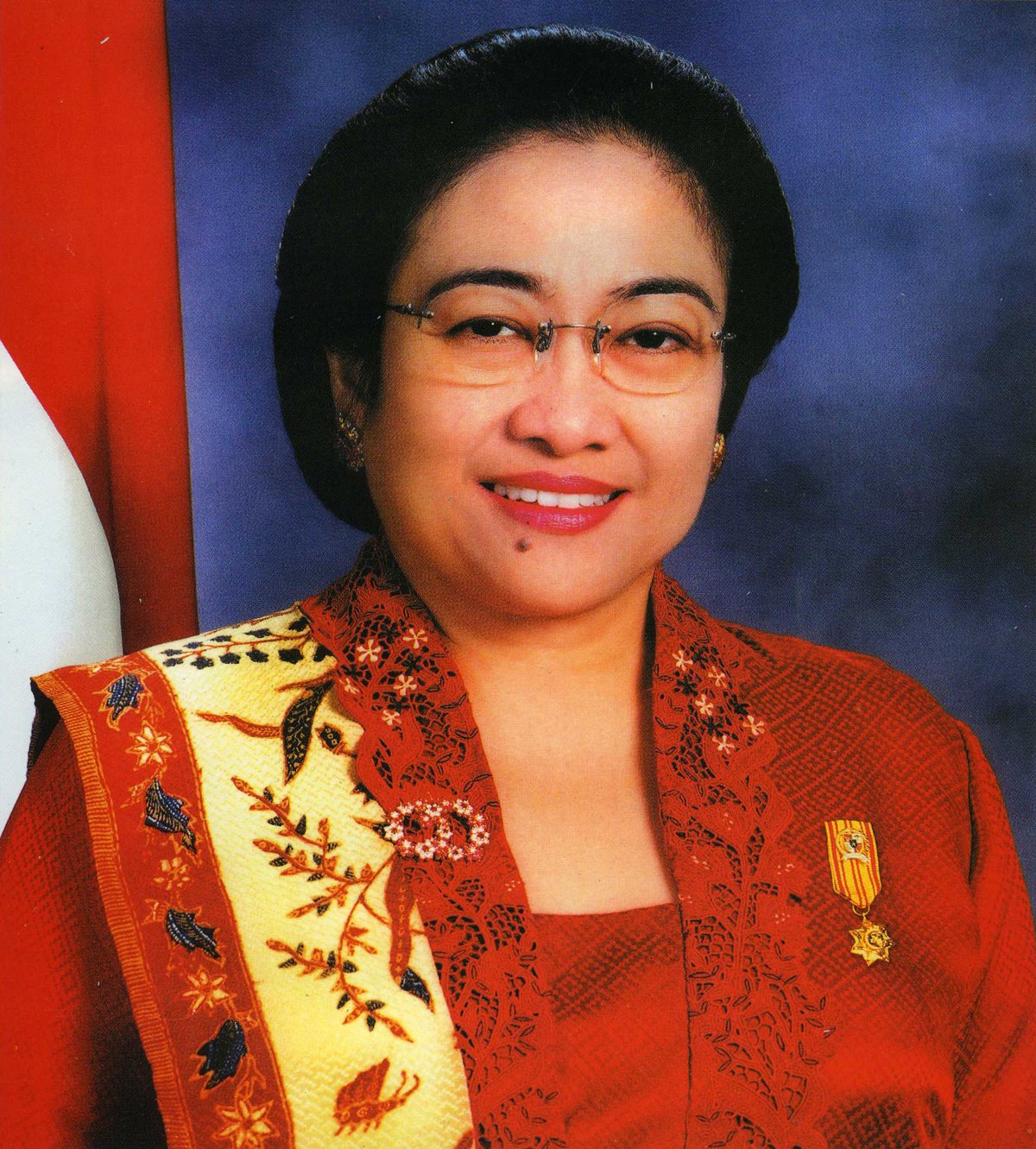 Indonesia · Politics
1947—
Megawati Sukarnoputri
Former president of Indonesia and chair of PDI-PIndonesia’s first woman president, an opposition symbol under Suharto and the PDI-P chair who remains central to post-Reformasi politics.Read biography Indonesia · Politics
1949—
Susilo Bambang Yudhoyono
Sixth President of IndonesiaThe retired general known as SBY who won Indonesia’s first direct presidential election and led the country from 2004 to 2014.Read biography Indonesia · Politics
1848—1908
Cut Nyak Dhien
Acehnese resistance leaderAn Acehnese noblewoman and guerrilla leader who continued resistance to Dutch conquest after the deaths of two husbands and later died in exile.Read biographyQuick answers
Common questions
- When was the Aceh peace agreement signed?
- The Government of Indonesia and the Free Aceh Movement signed the Helsinki Memorandum of Understanding on 15 August 2005.
- Who negotiated the Aceh peace agreement?
- The government of President Susilo Bambang Yudhoyono and GAM negotiated through the Crisis Management Initiative led by former Finnish president Martti Ahtisaari. Hamid Awaludin and Malik Mahmud signed for the parties.
- Did the 2004 tsunami cause the Aceh peace agreement?
- The tsunami transformed incentives and created urgency, but contacts and political interest in negotiation already existed. Peace required both GAM to accept self-government within Indonesia and Jakarta to accept local parties, autonomy and monitoring.
- What were the main terms of the Helsinki agreement?
- The agreement provided for Acehnese self-government, local political participation, revenue sharing, amnesty and reintegration, GAM disarmament, withdrawal of non-organic forces, human-rights measures and international monitoring.
- Did the Aceh peace agreement end the conflict?
- It ended sustained organised fighting and created durable electoral institutions. Reintegration, accountability for past abuses and equal distribution of postwar benefits remain incomplete.
Primary and institutional sources
How this history was checked
Dates, legal milestones and historical claims are checked against the official and institutional records below. This article was reviewed on 2 October 2026.
- United Nations PeacemakerMemorandum of Understanding between Indonesia and the Free Aceh Movement
- Council of the European UnionEU Monitoring Mission in Aceh factsheet
- EUR-LexJoint Action establishing the Aceh Monitoring Mission
- Audit Board of the Republic of IndonesiaLaw No. 11 of 2006 on the Governing of Aceh
- World BankMulti-Stakeholder Review of Post-Conflict Programming in Aceh
- World BankCommunity-Based Reintegration Assistance in Aceh
- Human Rights WatchAceh Under Martial Law: Human Rights Under Fire
- Human Rights WatchResolution of the Conflict in Aceh and Post-War Governance