
The short answer
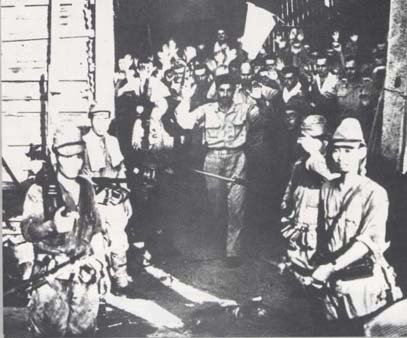
Corregidor was a fortress, a headquarters, a hospital and the temporary seat of the Philippine Commonwealth. After Bataan fell, close-range bombardment and dwindling food, water and medicine reduced the defence. A Japanese landing on 5 May brought the battle to Malinta Tunnel and surrender the next day.
Chronology
A timeline of the turning points
The Commonwealth government moves to Corregidor
Manuel Quezon, his family and government officials sought shelter in the Malinta Tunnel complex as Japanese forces advanced on Manila.
Heavy air attacks begin
Japanese aircraft bombed Corregidor and the other harbour forts. Raids damaged surface installations while tunnel spaces absorbed people and equipment.
Quezon takes his second oath
The Commonwealth president began his second term on the island, making Corregidor a temporary seat of Philippine government as well as a fortress.
Quezon leaves Corregidor
The president and his party departed to continue the Commonwealth government outside the besieged islands.
MacArthur departs
Douglas MacArthur left by motor torpedo boat under presidential orders. Jonathan Wainwright became the senior commander in the Philippines.
Bataan surrenders
Japanese artillery could now fire from the peninsula at close range. Corregidor entered its final 27 days with food, water and medicine running down.
Japanese forces land on the island
After intensive bombardment, troops of the Japanese 4th Division came ashore near the eastern end and advanced toward Malinta Tunnel.
Wainwright surrenders
With defences collapsing and thousands of wounded and sheltering personnel at risk, Wainwright agreed to capitulate.
Corregidor is retaken
American airborne and amphibious forces fought to recover the island. The NHCP marker records its recapture on 2 March.
Why did Corregidor matter?
Corregidor guarded the entrance to Manila Bay with nearby fortified islands. Its coastal guns, communications facilities and tunnel complex made it the command centre for the defence of the bay and a symbol of continued resistance after Manila was occupied.
The island also became the temporary seat of the Philippine Commonwealth. Manuel Quezon took his oath for a second presidential term there, so military defence and constitutional continuity occupied the same confined space.
Malinta Tunnel was headquarters, hospital and shelter
The Malinta Tunnel complex held command posts, communications, stores and a hospital while repeated bombing made surface life increasingly dangerous. Soldiers, nurses, patients, officials and civilians lived and worked in crowded laterals.
The tunnel protected people from direct attack but could not create food, medicine, clean air or water. Dust, heat, vermin, wounded patients and interrupted power made the underground refuge progressively harder to sustain.
Bataan’s fall changed the siege
Before 9 April, Corregidor supported Bataan and endured aerial attack. After the peninsula surrendered, Japanese forces moved artillery into positions that could bombard the harbour forts directly and continuously.
Medical supplies and food were nearly exhausted. The official U.S. Army history records hundreds of casualties after Bataan fell, worsening malnutrition and only a few days of reliable water remaining as the final assault approached.
The amphibious battle lasted about ten hours
Late on 5 May, Japanese landing forces crossed to the eastern end of Corregidor after an intense artillery concentration. Currents and defensive fire disrupted the landing, but attackers established positions and advanced toward the tunnel entrances.
Coast-artillery troops, sailors and other personnel fought as improvised infantry around Battery Denver and the island’s eastern sector. The landing battle was short because the exhausted defence had little reserve, damaged communications and no route for relief.
Why did Wainwright surrender?
By the morning of 6 May, Japanese troops threatened the tunnel area holding wounded personnel and thousands unable to join an organised counterattack. Wainwright concluded that continued resistance would produce mass killing without changing the military outcome.
Japan refused to limit surrender to the harbour forts and demanded capitulation of forces across the Philippines. Some distant commanders resisted or delayed compliance, and organised guerrilla war continued even after conventional commands were dissolved.
Who defended the island?
The garrison included United States Army coast artillery, Philippine Scouts, Philippine Army personnel, Marines, sailors, medical staff and civilian workers. Women of the Army Nurse Corps cared for patients in the tunnel hospital and became prisoners after surrender.
Accounts that describe only “American troops” flatten this mixed defence. Filipino soldiers and workers were present throughout the harbour forts, even when surviving English-language records place U.S. commanders at the centre.
The 1942 fall and 1945 recapture are different battles
Corregidor remained under Japanese occupation until 1945. In February that year, American airborne and amphibious forces returned and fought another intense battle across the island. The NHCP historical marker records recapture on 2 March.
The 1942 battle concerns siege, landing and Allied surrender; the 1945 battle concerns liberation from a Japanese garrison. Keeping the two operations separate prevents a single island story from collapsing three years of occupation into one event.
Continue the chronology
Related history guides
The Battle of Bataan
Read the peninsula campaign whose fall exposed Corregidor to close-range siege.
Read the timelineApril 1942The Bataan Death March
Follow the brutal prisoner transfer already under way while Corregidor resisted.
Read the timeline1942–1945The Japanese Occupation of the Philippines
Continue from conventional defeat into occupation, resistance and liberation.
Read the timelineEleven sourced livesBataan, Corregidor and Philippine Resistance
Compare the people behind government, military defence and underground resistance.
Read the timelineConnected biographies
Three Commonwealth leaders connected to government under invasion

1878—1944
Manuel L. Quezon
President of the Commonwealth of the PhilippinesThe statesman who secured Commonwealth status, became its first president and led the Philippine government in exile during the Second World War.Read biography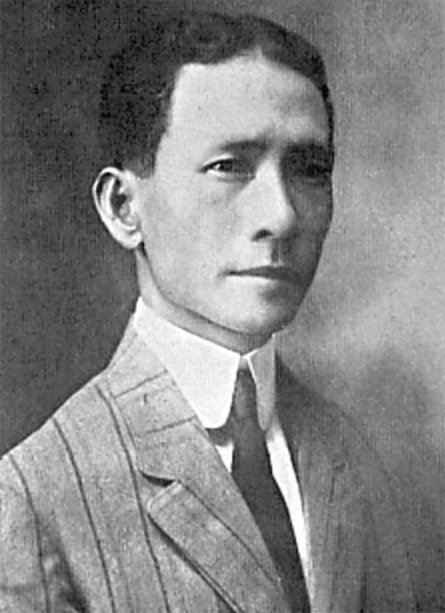
1878—1961
Sergio Osmeña
President of the Commonwealth of the PhilippinesA Cebu statesman who succeeded Manuel Quezon in exile and led the Commonwealth government during the liberation of the Philippines.Read biography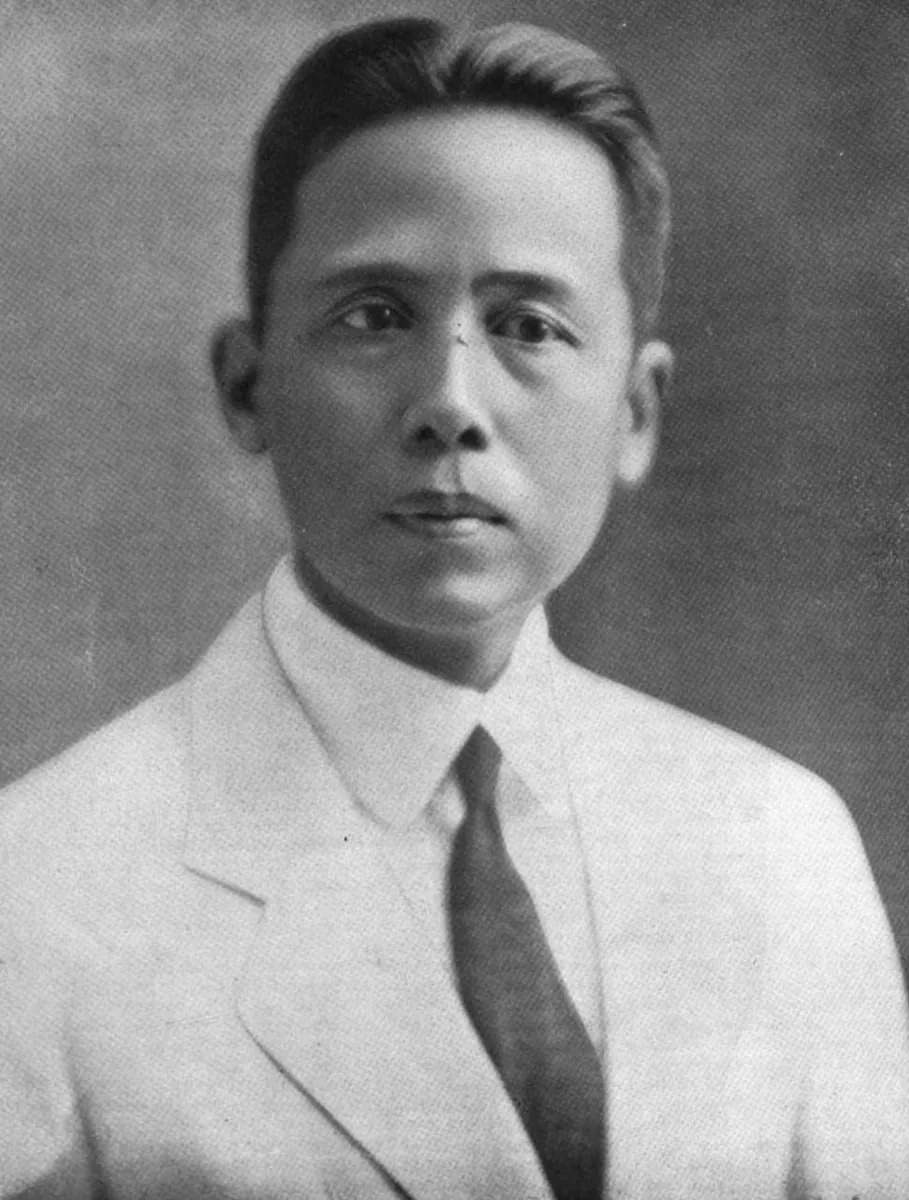
1886—1942
José Abad Santos
Chief justice and wartime presidential delegateA jurist and Commonwealth statesman who carried emergency authority during the Japanese invasion and was executed after refusing to cooperate with the occupation.Read biographyQuick answers
Common questions
- When was the Battle of Corregidor?
- Bombardment began in December 1941, the final siege intensified after Bataan fell on 9 April, and Japanese forces landed on 5 May. Corregidor surrendered on 6 May 1942.
- Why was Corregidor important?
- The fortified island guarded Manila Bay, served as a military command centre and briefly housed the Philippine Commonwealth government during the invasion.
- What was Malinta Tunnel used for?
- Its tunnel complex housed military headquarters, communications, storage, government offices, shelter and a hospital protected from much of the surface bombardment.
- Who surrendered Corregidor?
- Lieutenant General Jonathan Wainwright decided to surrender on 6 May 1942 after Japanese troops gained a foothold and the remaining defence could not protect the wounded and tunnel population.
- Did resistance end when Corregidor fell?
- The surrender ended the principal conventional command, but some units did not immediately comply and guerrilla resistance continued across the Philippines.
- When was Corregidor liberated?
- American airborne and amphibious forces returned in February 1945. The National Historical Commission marker records the island as retaken on 2 March 1945.
Primary and institutional sources
How this history was checked
Dates, legal milestones and historical claims are checked against the official and institutional records below. This article was reviewed on 9 September 2026.
- U.S. Army Center of Military HistoryThe Fall of the Philippines
- U.S. Army Center of Military HistoryStrategy and Command: The First Two Years
- U.S. Army Center of Military HistoryWorld War II — Asiatic-Pacific Theater campaigns
- National Historical Commission of the PhilippinesCorregidor National Historical Landmark marker
- U.S. Army Medical DepartmentArmy Nurse Corps in World War II
- Wikimedia CommonsMalinta Tunnel surrender photograph and licence