
The short answer
The 2022 election returned the Marcos family to the presidency and gave Sara Duterte the largest vice-presidential vote in Philippine history. Official returns recorded decisive majorities in both races, but the result also reopened debates about historical memory, online campaigning, political dynasties and the durability of alliances built for election day.
Chronology
A timeline of the turning points
Substitutions reshape the national tickets
Ferdinand Marcos Jr. entered the presidential race, while Sara Duterte withdrew from a Davao City contest and substituted into the vice-presidential field.
The national campaign period opens
Candidates began the formal campaign after months of coalition building, online mobilisation and pandemic-era organising.
Voters cast automated ballots
Vote-counting machines produced precinct returns and electronically transmitted results through canvassing levels.
Congress completes the national canvass
The joint session counted certified results and approved the final totals for president and vice president.
Marcos and Duterte are proclaimed
Congress proclaimed Ferdinand Marcos Jr. president-elect and Sara Duterte vice president-elect.
The Supreme Court dismisses eligibility petitions
The Court rejected consolidated challenges seeking to cancel Marcos’s candidacy or disqualify him.
The new administration takes office
Marcos began the presidency after Duterte had taken her vice-presidential oath earlier in June.
How did the 2022 field take shape?
The election followed six years of Rodrigo Duterte’s presidency, a pandemic emergency and an intense shift toward digital campaigning. Ferdinand Marcos Jr. united his family’s established northern base with Sara Duterte’s Mindanao network under the UniTeam label.
Leni Robredo, the outgoing vice president, ran with Senator Francis “Kiko” Pangilinan. Manny Pacquiao, Manila Mayor Isko Moreno, Senator Panfilo Lacson and labour leader Leody de Guzman offered distinct alternatives in a ten-candidate presidential field.
What was the official presidential result?
Congress recorded 31,629,783 votes for Marcos, or 58.77 percent of the presidential total. Robredo received 15,035,773, a margin of 16,594,010 votes between the two leading candidates.
Pacquiao placed third with 3,663,113 votes, followed by Moreno with 1,933,909 and Lacson with 892,375. The result gave Marcos the first presidential majority under the 1987 Constitution rather than only a plurality.
Why was the vice-presidential result even larger?
Philippine voters choose president and vice president separately. Duterte received 32,208,417 votes, or 61.53 percent, while Pangilinan received 9,329,207 and Senate President Tito Sotto received 8,251,267.
The Marcos–Duterte alliance therefore produced winners in both offices without changing the constitutional independence of their mandates. That distinction became more important as the alliance fractured after taking office.
How was the automated result confirmed?
Vote-counting machines scanned and counted precinct ballots, printed election returns and transmitted results electronically. The visible national trend emerged quickly, but official proclamation still required Congress to canvass certificates for president and vice president.
Automation changes the form of election scrutiny rather than removing it. Machine testing, ballot accounting, transmission logs, random manual audits and access for observers remain essential to public confidence in a rapid count.
What happened to the candidacy challenges?
Petitioners asked COMELEC and then the Supreme Court to cancel Marcos’s certificate of candidacy or disqualify him, arguments connected to earlier tax convictions and representations in his filing. The Court dismissed the consolidated petitions in June 2022.
The decision left the election result in place and distinguished the legal standards governing cancellation and disqualification. Recording that outcome is different from treating every dispute over historical accountability as resolved by the electoral judgment.
What did the election change?
The vote returned the Marcos family to the presidency thirty-six years after People Power removed Ferdinand Marcos Sr. It also converted the Duterte family’s regional and presidential network into a separately elected vice-presidential mandate.
The campaign demonstrated the political force of family memory, video platforms and highly coordinated online narratives. Its aftermath also showed the limits of electoral coalitions: an overwhelming joint victory did not prevent later cabinet resignations, policy conflict and institutional confrontation.
Continue the chronology
Related history guides
The 2016 Presidential Election
Compare the earlier automated contest and its split-ticket result.
Read the timelineFebruary 1986The People Power Revolution
Read the transition that removed Marcos Sr. and restored democratic institutions.
Read the timeline1965–2022Philippine Presidential Elections
Follow nine election guides and the candidates who shaped them.
Read the timelineConnected biographies
Candidates and political figures around the 2022 transfer of power

1957—
Ferdinand Marcos Jr.
President of the Philippines since 2022The son and namesake of Ferdinand Marcos who won the 2022 election and became the seventeenth president of the Philippines.Read biography
1965—
Leni Robredo
Vice president of the Philippines, 2016–2022, and mayor of Naga CityThe lawyer, former vice president and current Naga mayor known for community-based anti-poverty programmes and a volunteer-driven reform movement.Read biography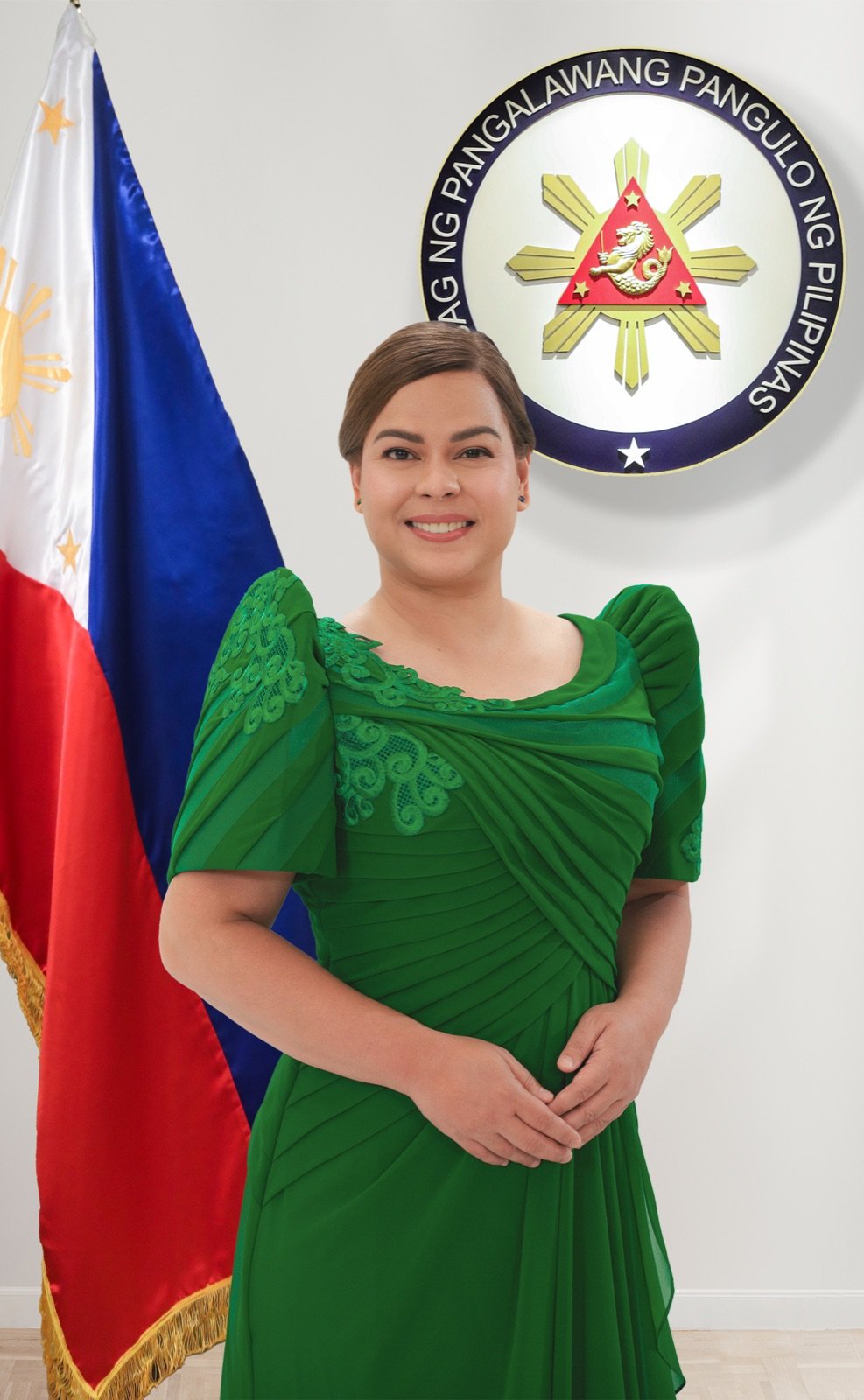
1978—
Sara Duterte
Vice president and former Davao City mayorA lawyer and Davao City politician who became the Philippines’ fifteenth vice president after winning a record national vote in 2022.Read biography
1963—
Francis “Kiko” Pangilinan
Senator, lawyer and food-security advocateA lawyer, former Quezon City councilor and agricultural-policy advocate who returned to the Philippine Senate in 2025.Read biography
1978—
Manny Pacquiao
Boxer and former senatorA boxer who rose from poverty to win world titles in eight divisions and became one of the Philippines’ most recognisable public figures.Read biography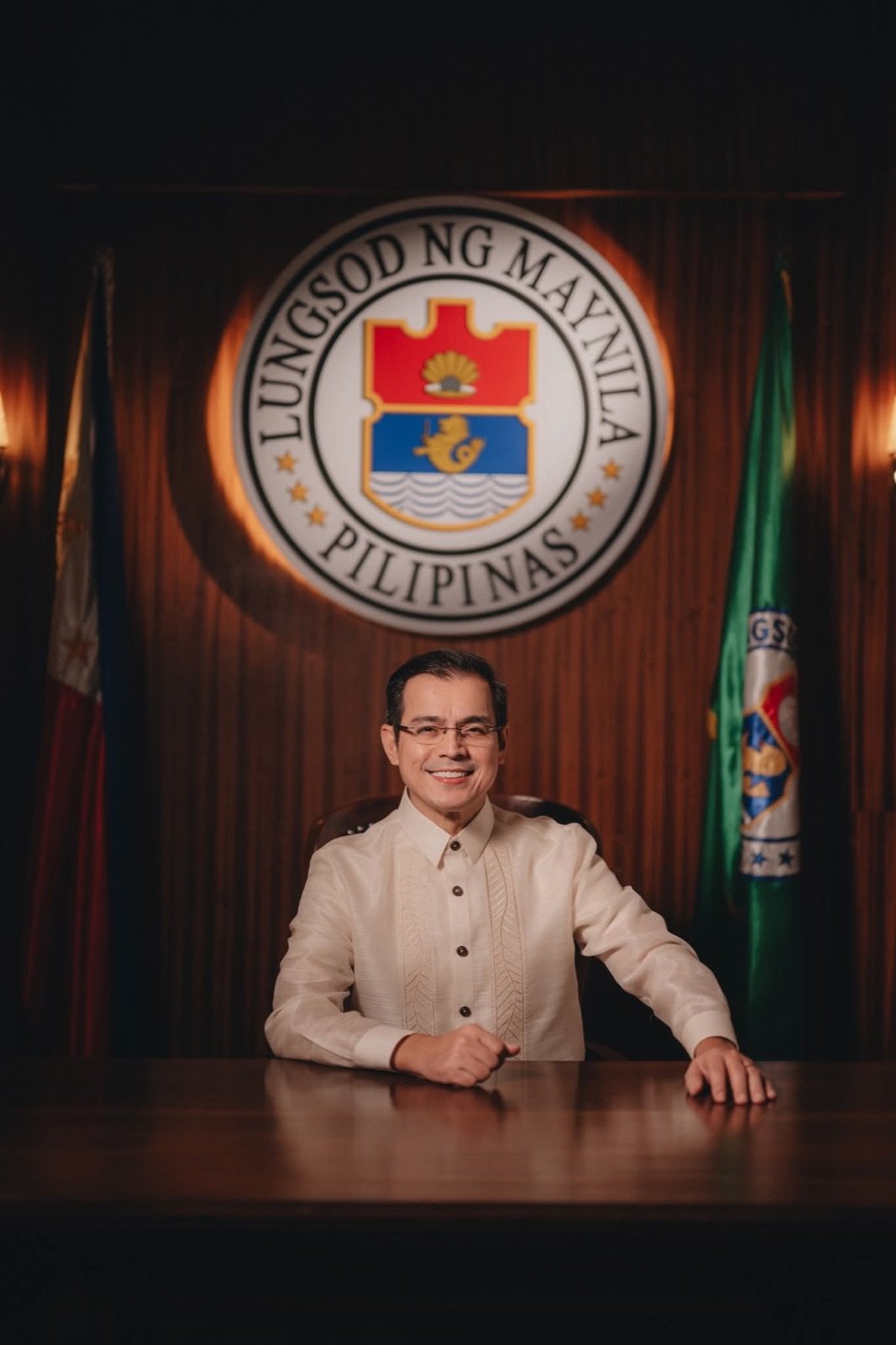
1974—
Isko Moreno
Actor and mayor of ManilaA former actor and long-serving Manila politician who rose from the city council to the mayoralty and a national presidential campaign.Read biography
1948—
Panfilo Lacson
Senator and former national police chiefA former police chief and long-serving senator whose national career centres on security, public spending and executive oversight.Read biography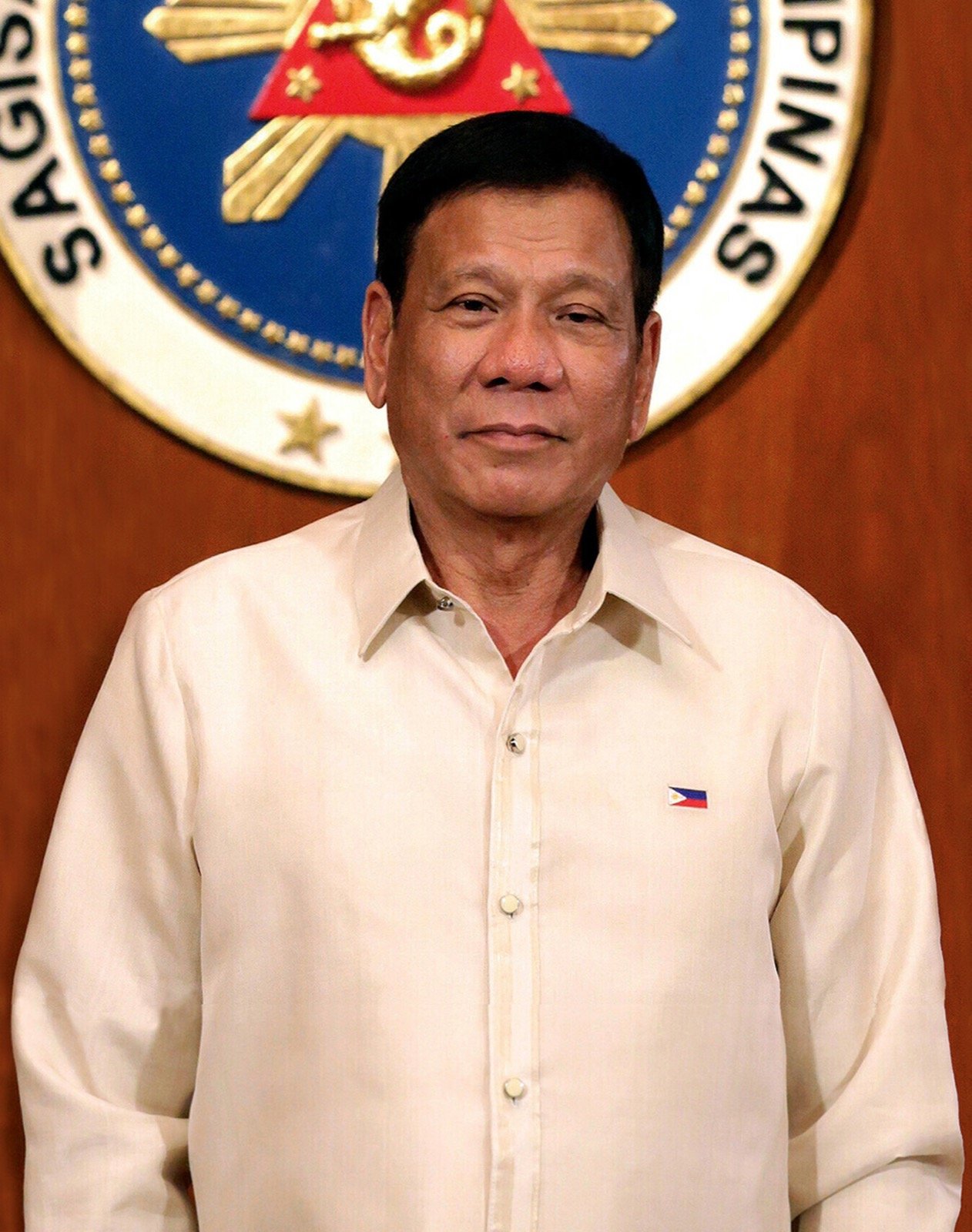
1945—
Rodrigo Duterte
President of the Philippines, 2016–2022The long-serving Davao mayor who became president in 2016 and whose anti-drug campaign is now the subject of an International Criminal Court case.Read biographyQuick answers
Common questions
- Who won the 2022 Philippine presidential election?
- Ferdinand Marcos Jr. won and was proclaimed by Congress with 31,629,783 votes, or 58.77 percent.
- How many votes did Leni Robredo receive in 2022?
- Congress recorded 15,035,773 votes for Robredo, who placed second in the presidential election.
- Who won the vice presidency?
- Sara Duterte won with 32,208,417 votes, ahead of Francis “Kiko” Pangilinan and Tito Sotto.
- Did Marcos and Sara Duterte belong to the same party?
- No. They campaigned together as the UniTeam alliance but were nominated through different parties, and the two offices are elected separately.
- Was the 2022 Philippine election automated?
- Yes. Machines counted precinct ballots and transmitted results, while Congress conducted the constitutional national canvass.
Primary and institutional sources
How this history was checked
Dates, legal milestones and historical claims are checked against the official and institutional records below. This article was reviewed on 9 September 2026.
- Congress of the Philippines via Senate archiveResolution of Both Houses No. 1 — official 2022 canvass and proclamation
- House of Representatives of the PhilippinesCongress proclaims the 2022 president and vice president
- Supreme Court of the Philippines via LawPhilBuenafe v. Commission on Elections — consolidated decision
- Commission on Elections2022 national and local election records
- NAMFREL2022 National and Local Elections report
- The LawPhil ProjectRepublic Act No. 9369 — automated election system