
The short answer
Reformasi began as a demand to remove an authoritarian president and became a reconstruction of the Indonesian state. From 1998 to 2004, competitive parties, freer media, constitutional checks, decentralisation and direct presidential voting changed how power could be gained and challenged—without resolving every New Order legacy.
Chronology
A timeline of the turning points
The Asian financial crisis reaches Indonesia
Regional currency pressure exposed short-term foreign debt, banking fragility and politically connected business practices. Indonesia entered an IMF-supported programme in November.
Suharto is appointed to a seventh term
The People’s Consultative Assembly returned Suharto unopposed while prices rose, the rupiah remained under severe pressure and student demonstrations demanded reform.
Four Trisakti University students are killed
Security forces shot students after a peaceful demonstration in Jakarta. Their deaths became a national symbol and accelerated the mobilisation against the government.
Riots and targeted violence spread
Mass unrest in Jakarta and other cities caused extensive death and destruction. Investigators documented anti-Chinese targeting, sexual violence and failures of protection whose accountability remains unresolved.
Suharto resigns and Habibie becomes president
After thirty-two years in power, Suharto transferred office constitutionally to Vice President B. J. Habibie. The New Order presidency ended, but much of the state apparatus remained in place.
Political and media controls are loosened
Habibie’s government freed political prisoners, widened press and association space, permitted new parties and prepared an early election. The armed forces’ political role began to be reduced.
Forty-eight parties contest a national election
Indonesia held its first competitive national election of the post-Suharto era. The PDI-P won the largest vote share, though the president was still chosen by the People’s Consultative Assembly.
East Timor votes to separate from Indonesia
In a UN-organised popular consultation authorised by Habibie, voters rejected special autonomy. Militia violence followed before an international force and UN administration entered the territory.
Abdurrahman Wahid becomes president
The Assembly elected Wahid president and Megawati Sukarnoputri became vice president, demonstrating both the return of competitive elite politics and the indirect nature of presidential selection.
Four rounds of constitutional amendments reshape the state
The amendments strengthened representative institutions, constitutional rights and checks on executive power, created new bodies and provided for direct presidential elections.
“Big Bang” decentralisation takes effect
Wide administrative and spending responsibilities moved from the centre to districts and cities, transforming one of the world’s most centralised systems into a far more decentralised one.
Megawati succeeds Wahid
After the Assembly removed Wahid, Vice President Megawati Sukarnoputri became Indonesia’s first woman president. The transfer tested new institutions during a still-unstable transition.
Voters directly elect a president for the first time
A two-round election replaced assembly selection. Susilo Bambang Yudhoyono defeated Megawati, completing a crucial institutional promise of the constitutional amendments.
What does Reformasi mean in Indonesia?
Reformasi means “reform,” but in Indonesian history it names both the mass movement that challenged Suharto in 1998 and the longer period of institutional change that followed. Its demands included ending corruption, collusion and nepotism; opening political competition; reducing military power; protecting civil liberties; and making government accountable.
There is no single closing date. May 1998 is the decisive break, while the competitive election of 1999, constitutional amendments through 2002 and first direct presidential election in 2004 mark stages in the transition. Reformasi is also used for the wider post-Suharto era because its promises remain part of political debate.
How economic crisis became a political crisis
Indonesia entered the Asian financial crisis with rapid past growth but vulnerable banks, large private foreign-currency debts and weak institutional checks. As the rupiah collapsed, companies failed, inflation accelerated and unemployment and poverty rose. The downturn exposed how political connections had shaped licences, credit and monopolies.
IMF-backed agreements sought bank restructuring, macroeconomic stability and the removal of some privileges. Implementation was uneven and public trust continued to erode. Students increasingly treated the economic collapse as evidence of a political system unable to correct itself while Suharto’s family and associates remained protected.
Trisakti, the May riots and Suharto’s resignation
The killing of four Trisakti students on 12 May transformed campus protest into a national moral crisis. The riots that followed caused extensive deaths and destruction. Ethnic Chinese Indonesians were targeted, and the official fact-finding team documented sexual violence against women. Disagreement over instigators does not diminish the confirmed failures to protect civilians.
Students occupied the parliament complex, political leaders withdrew support and cabinet cohesion broke down. Suharto resigned on 21 May. Habibie’s succession followed the constitution, which prevented a state vacuum, but many activists questioned whether a vice president closely associated with the old regime could lead genuine reform.
What Habibie changed—and what remained
Habibie’s seventeen-month presidency opened space at remarkable speed. Controls on party formation and the press were lifted, political prisoners were released, labour freedom expanded and an early election was scheduled. New laws created a competitive multiparty framework and began decentralising authority.
He also authorised East Timor’s 1999 popular consultation, after which voters rejected Indonesian rule. That decision created a path to independence but was followed by militia violence and destruction. Within Indonesia, military influence, entrenched officials, business networks and unresolved abuses meant that a change of rules did not instantly dismantle New Order power.
The 1999 election and constitutional reconstruction
Forty-eight parties contested the June 1999 election, compared with the tightly controlled three-group field of the New Order. PDI-P received the most votes, but the constitution still gave the People’s Consultative Assembly the power to choose the president. Coalition bargaining produced Abdurrahman Wahid as president and Megawati as vice president.
Between 1999 and 2002, four amendment rounds rewrote the balance of institutions without replacing the 1945 Constitution. The changes limited presidents to two terms, established direct presidential election, strengthened the elected legislature, created the Regional Representative Council and Constitutional Court, and expanded constitutional rights.
The presidency remained politically turbulent. The Assembly removed Wahid in 2001 and Megawati succeeded him. That episode exposed conflict over accountability and procedure, but it did not return the country to one-man rule or cancel competitive electoral politics.
Decentralisation and the changing military role
Laws adopted in 1999 transferred wide responsibilities to district and city governments from 2001. The World Bank described this as “Big Bang” decentralisation: regional government’s share of public spending rose sharply and local leaders gained authority over services and administration. The reform responded to demands from a vast and diverse archipelago, though local capacity and corruption varied.
The armed forces gradually lost appointed seats in representative bodies, the police were institutionally separated and the formal doctrine of military dual function receded. Civilian authority expanded, but security-sector accountability and military economic interests did not disappear. Reform changed the institutional baseline more clearly than it resolved every abuse.
Direct elections and an unfinished democratic transition
In 2004 Indonesians directly elected their president for the first time. Susilo Bambang Yudhoyono’s victory over incumbent Megawati demonstrated that executive office could transfer through a nationwide popular vote. Direct local elections later extended electoral accountability below the national level.
Reformasi produced a freer press, competitive parties, elected executives, stronger rights language and a more decentralised state. It also left unresolved mass-violence cases, unequal access to justice, money politics, oligarchic influence, corruption and recurring pressure on civil liberties.
For biography, this mixed legacy matters. Habibie, Wahid, Megawati and Yudhoyono were not merely the third through sixth names in a presidential sequence. Their choices helped determine whether the 1998 rupture would become a durable set of rules—and where those rules would remain incomplete.
Continue the chronology
Related history guides
Malaysia’s Reformasi Movement
Compare a movement born during the same regional crisis that took a longer route from protest to federal office.
Read the timeline1997–1999The Asian Financial Crisis in Indonesia
Start with the rupiah collapse, banking panic and social hardship that turned economic failure into political crisis.
Read the timeline1965—1998Indonesia’s New Order Era
Understand the institutions, growth model and political violence the reform movement sought to change.
Read the timeline1945—1949Indonesian Independence
Return to the proclamation and constitutional foundations that Reformasi leaders amended rather than replaced.
Read the timelineEight biographiesIndonesian Presidents
Compare the transition presidents with the directly elected leaders who followed.
Read the timeline2004–2024Indonesian Presidential Elections
Follow the direct-election system Reformasi created through five national contests and their court disputes.
Read the timeline12 October 2002The 2002 Bali Bombings
See how a transitional democracy investigated mass-casualty terrorism and debated emergency law.
Read the timeline15 August 2005The Aceh Peace Agreement
Continue into decentralised peace-building, local political participation and monitored demobilisation.
Read the timelineSix countriesSoutheast Asia Biographies
Place Indonesia’s transition beside political, business, sporting and cultural lives across the region.
Read the timelineConnected biographies
Seven presidents connecting the fall of the New Order, transition governments and the direct-election era
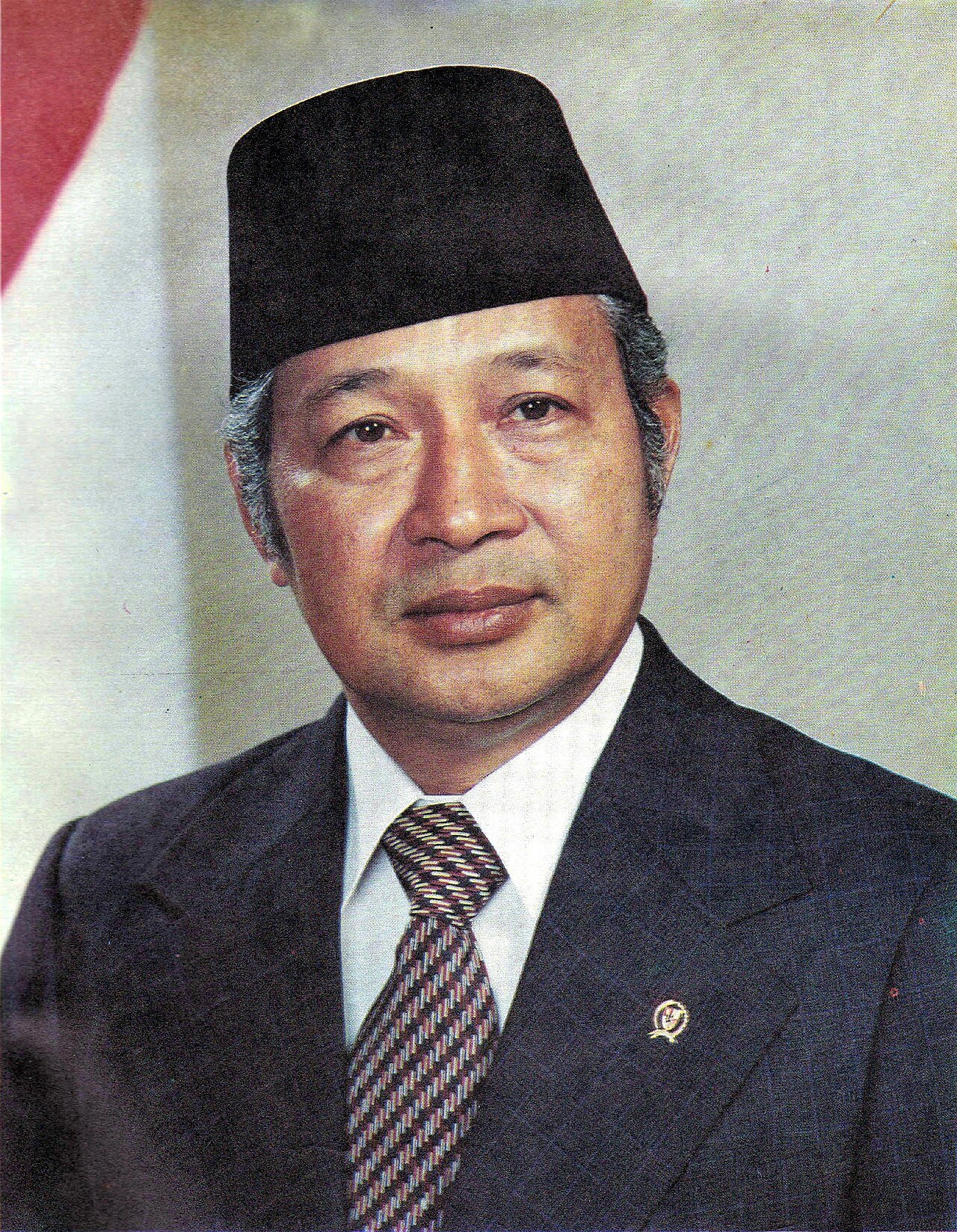
1921—2008
Suharto
Second President of IndonesiaThe army general who displaced Sukarno and led Indonesia’s New Order from 1967 to 1998, combining economic growth with authoritarian rule.Read biography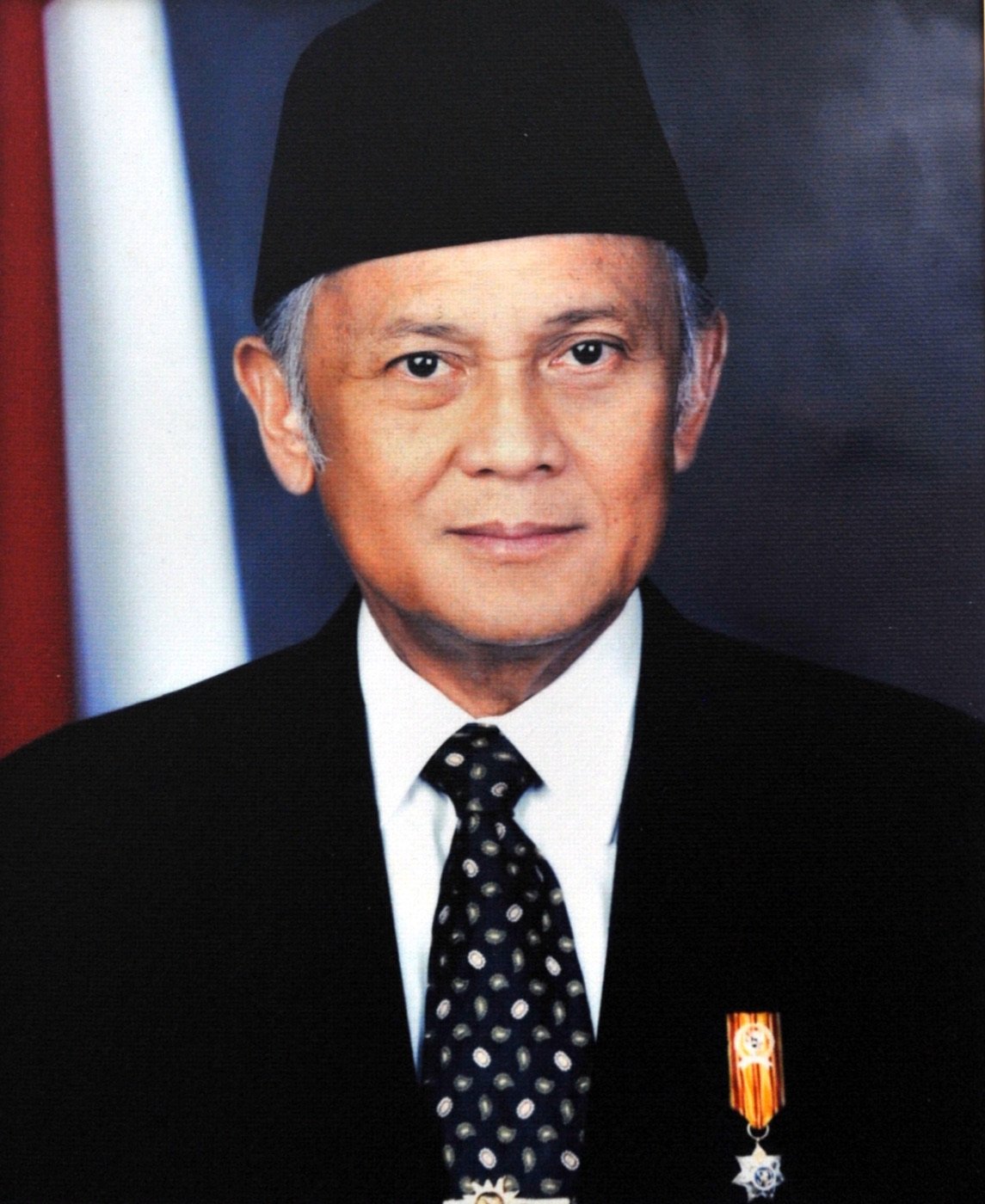
1936—2019
B. J. Habibie
Third President of Indonesia and aerospace engineerIndonesia’s third president was an aerospace engineer whose 1998–1999 government opened elections and press freedoms after Suharto’s resignation.Read biography
1940—2009
Abdurrahman Wahid
Fourth President of Indonesia and Muslim intellectualThe Muslim intellectual known as Gus Dur who led Nahdlatul Ulama, defended pluralism and served as Indonesia’s fourth president from 1999 to 2001.Read biography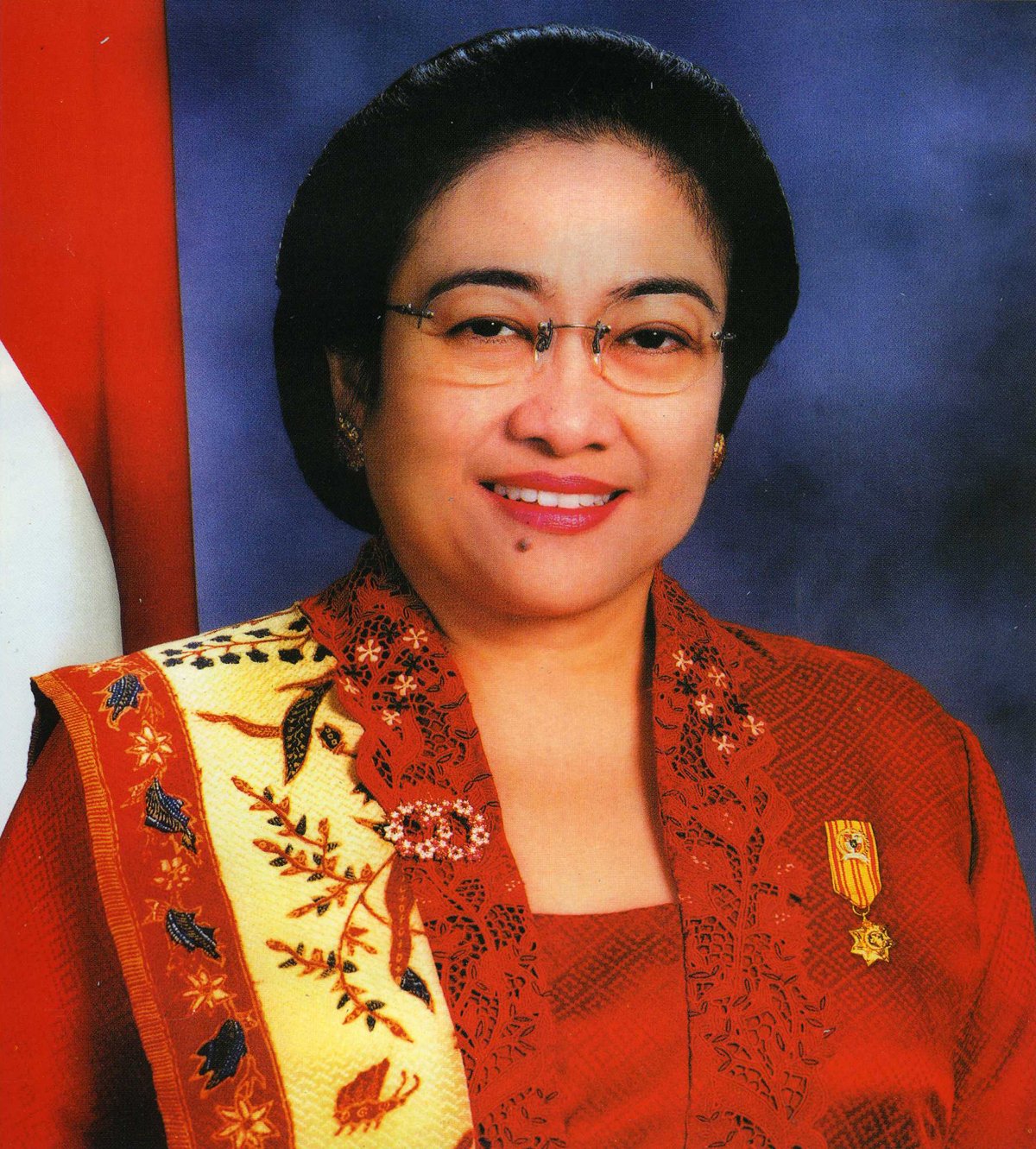
1947—
Megawati Sukarnoputri
Former president of Indonesia and chair of PDI-PIndonesia’s first woman president, an opposition symbol under Suharto and the PDI-P chair who remains central to post-Reformasi politics.Read biography
1949—
Susilo Bambang Yudhoyono
Sixth President of IndonesiaThe retired general known as SBY who won Indonesia’s first direct presidential election and led the country from 2004 to 2014.Read biography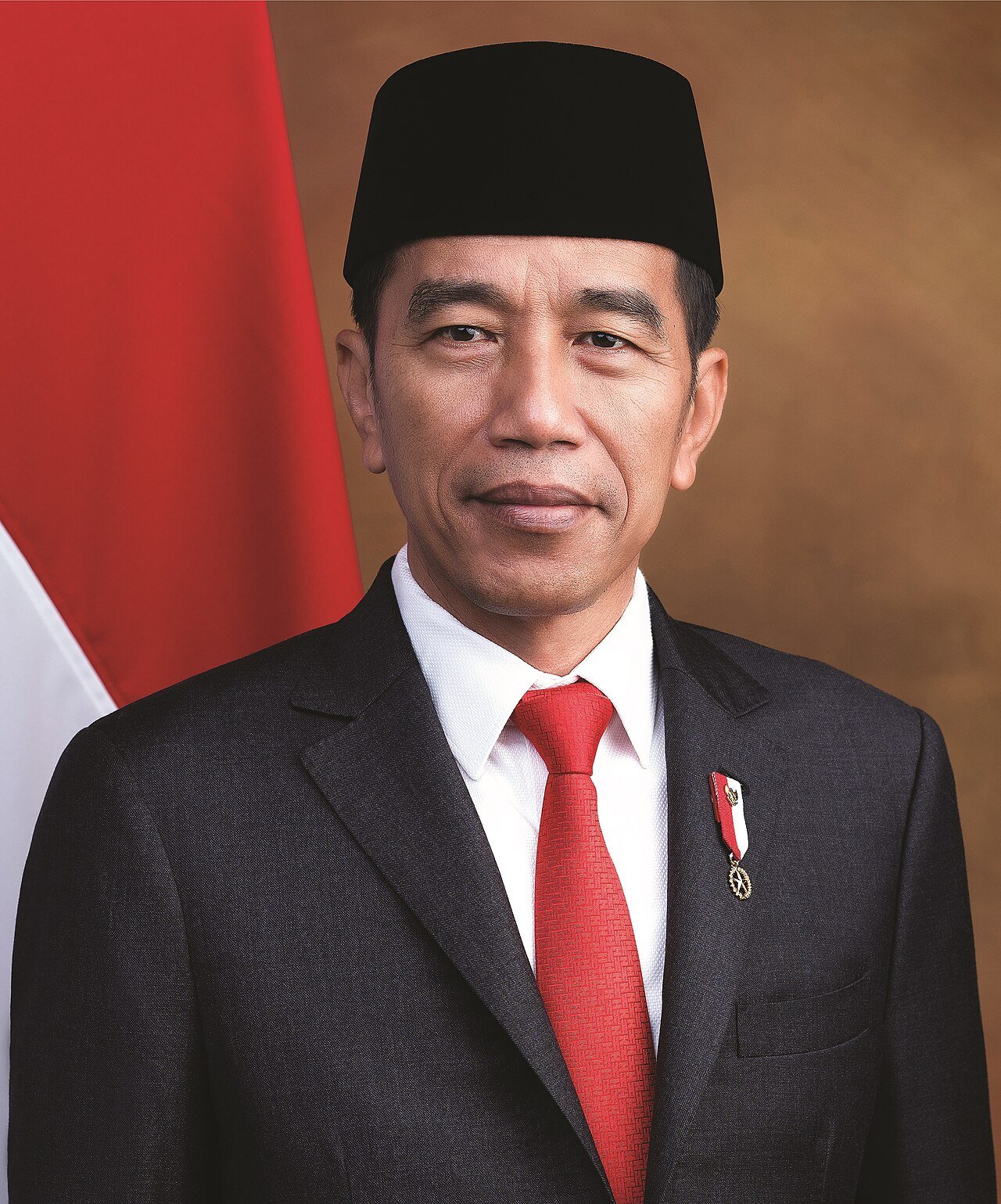
1961—
Joko Widodo
Seventh president of Indonesia and PSI memberIndonesia’s seventh president, a former furniture exporter and city mayor whose decade in office reshaped infrastructure, industry and succession.Read biography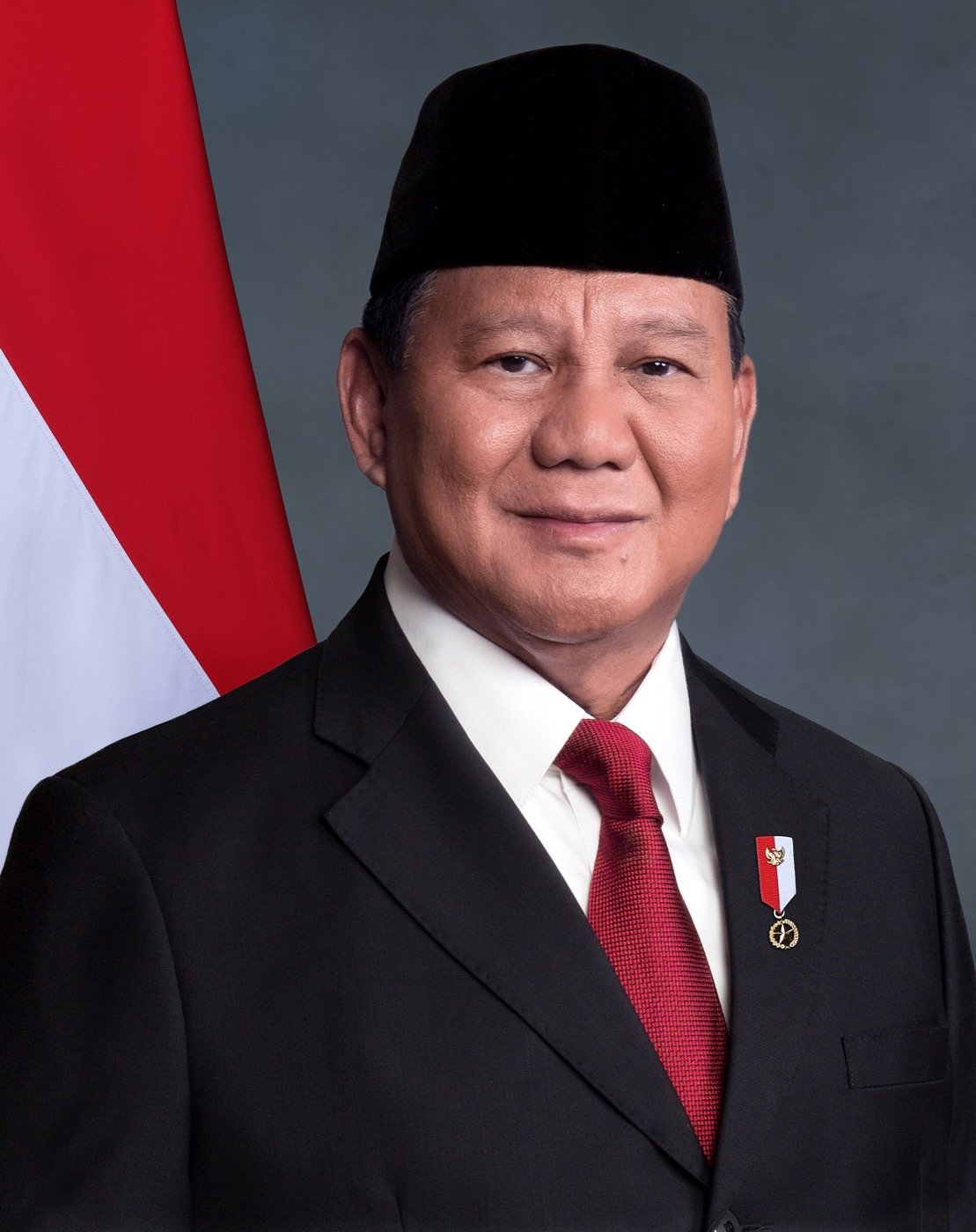
1951—
Prabowo Subianto
Eighth President of IndonesiaThe former general and Gerindra leader who lost two presidential elections to Joko Widodo, joined his cabinet and then succeeded him as president in October 2024.Read biographyQuick answers
Common questions
- What was Reformasi in Indonesia?
- Reformasi was the movement and political transition that ended Suharto’s New Order in 1998 and opened Indonesia to competitive parties, freer media, constitutional reform, decentralisation and direct elections.
- When did Reformasi begin?
- The term is most closely associated with the protest movement and Suharto’s resignation on 21 May 1998. Its institutional phase continued through the 1999 election, constitutional amendments from 1999 to 2002 and direct presidential election in 2004.
- Who became president after Suharto?
- Vice President B. J. Habibie became Indonesia’s third president on 21 May 1998. His government opened political competition and held an early national election in June 1999.
- What happened in the May 1998 riots?
- Riots in Jakarta and other cities caused extensive deaths, destruction and displacement. Ethnic Chinese Indonesians were targeted, and investigators documented sexual violence. Full legal accountability for the events remains unresolved.
- When did Indonesians first directly elect a president?
- Indonesia held its first direct presidential election in two rounds on 5 July and 20 September 2004. Susilo Bambang Yudhoyono won the second round against President Megawati Sukarnoputri.
Primary and institutional sources
How this history was checked
Dates, legal milestones and historical claims are checked against the official and institutional records below. This article was reviewed on 2 October 2026.
- International Monetary FundRecovery from the Asian Crisis and the Role of the IMF
- National Commission on Human Rights of IndonesiaTrisakti Tragedy and the May Riots
- General Elections Commission of IndonesiaThe 1999 General Election
- General Elections Commission of IndonesiaThe 2004 General and Presidential Elections
- Secretariat General of the House of RepresentativesThe 1945 Constitution of the Republic of Indonesia: Original, Amendments and English Text
- World BankIndonesia’s Big Bang Decentralisation: The Making of the Big Bang
- Human Rights WatchWorld Report 1999: Indonesia and East Timor
- National Archives of the Republic of IndonesiaPresidenpedia: President B. J. Habibie