The short answer
Thailand’s first election after almost five years of military rule restored an elected House but did not put the largest party in government. Pheu Thai won the most seats, Future Forward became a new reform force and a coalition supporting Prayut Chan-o-cha prevailed because the post-coup constitution let an appointed Senate join MPs in choosing the prime minister.
Chronology
A timeline of the turning points
The military removes the elected government
Army commander Prayut Chan-o-cha established the NCPO and began a transition that repeatedly delayed a return to national voting.
A new constitution takes effect
The charter created a mixed House electoral system and gave an initial 250-member Senate a temporary role in selecting the prime minister.
The NCPO lifts its ban on political activity
Parties could campaign nationally after years of restrictions, although other speech and assembly controls remained.
Thai Raksa Chart is dissolved before polling day
The Constitutional Court dissolved the opposition-aligned party after it nominated Princess Ubolratana as its prime-ministerial candidate.
Thailand votes in its first post-coup election
Turnout reached 74.9 percent as voters filled 350 constituency seats and determined allocation of 150 party-list seats.
The Election Commission completes seat allocation
Pheu Thai finished with the largest House bloc, while a party-list formula gave seats to twenty-six parties in total.
Parliament convenes and chooses a speaker
The House opened with 498 members and elected former prime minister Chuan Leekpai as speaker the following day.
The joint sitting chooses Prayut
Prayut received 500 votes against 244 for Future Forward leader Thanathorn Juangroongruangkit.
Prayut receives royal endorsement
The coup leader began a post-election premiership backed by a broad multiparty coalition and the appointed Senate vote.
The new cabinet takes office
The NCPO formally ended when the coalition cabinet was sworn, though the post-coup constitution and Senate remained.
Thanathorn loses his MP status
The Constitutional Court held that he retained media-company shares when registering as an election candidate.
Future Forward is dissolved
A separate ruling over loans from Thanathorn dissolved the party and imposed political bans on its executives.
Why was the 2019 election historically important?
The vote was Thailand’s first House election since the military seized power in May 2014. The NCPO had initially promised a much faster return to polling, but constitutional drafting, a referendum, succession after King Bhumibol’s death and repeated timetable changes kept an appointed legislature and military government in place for nearly five years.
Election day restored an elected lower chamber and allowed new parties to test public support. It did not simply restore the system that existed before the coup. The 2017 Constitution, election laws, appointed Senate and binding national strategy shaped both the campaign and formation of government, so voters selected MPs inside a political order designed during military rule.
How did the 2019 House electoral system work?
Voters cast one ballot for a constituency candidate. The same party vote was also used to calculate each party’s overall entitlement to seats. Of 500 House members, 350 came from constituencies and 150 from party lists. A party that had already won many constituency seats could therefore receive few or no list seats even with a large national vote.
The Election Commission’s final allocation spread representation across twenty-six parties, including many that won a single seat. The commission said its method was necessary to distribute all 150 list places under the governing formula. Opposition parties argued that the calculation lowered the quota in a way that favoured small parties likely to support a military-aligned coalition. The Constitutional Court allowed the commission to carry out the allocation rather than declaring one alternative formula mandatory.
What were the final 2019 election results?
Pheu Thai won 136 seats, all from constituencies, and became the largest House party. Palang Pracharath, which nominated Prayut, won 116. The new Future Forward Party took 81 seats, followed by the Democrat Party with 53 and Bhumjaithai with 51. No party approached the 251 seats needed for a House majority.
The result revealed three overlapping constituencies: Pheu Thai retained strong support despite repeated removals of governments associated with Thaksin Shinawatra; Palang Pracharath converted the incumbent military government’s networks into an electoral party; and Future Forward created a large reform bloc around opposition to military influence, decentralisation and constitutional change. Turnout was 74.9 percent, or more than 38.3 million voters.
Why did the largest House party not form the government?
Pheu Thai and Future Forward announced a seven-party alliance, but their final combined bloc held 245 seats—short of a House majority after seat allocation. Palang Pracharath built a broader coalition with the Democrat and Bhumjaithai parties and several smaller groups. Coalition arithmetic in the elected chamber was close, but the prime-minister vote operated under a different denominator.
Transitional section 272 of the 2017 Constitution allowed the initial 250 senators to join MPs in choosing a premier for the first five years of the new National Assembly. The NCPO selected 244 senators, while six military and security officeholders served ex officio. On 6 June, the joint sitting chose Prayut by 500 votes to 244 for Thanathorn. The result was constitutionally authorised, but critics argued that appointed votes had given the post-coup leadership an advantage unavailable through the elected House alone.
Was the 2019 election free and fair?
Polling was generally peaceful and millions of voters participated, but election quality includes the legal and political environment before and after ballot day. The Asian Network for Free Elections concluded that the contest was partly free and not fair. It identified the military government’s institutional advantages, restrictions on fundamental freedoms, weaknesses in electoral administration and uncertainty over results.
Human Rights Watch likewise criticised continued speech and assembly restrictions, unequal media access and the appointed Senate’s role. Those assessments do not mean votes were invented or that every official decision lacked legal basis. They mean the competition took place on an uneven field. A responsible account must therefore record the real electoral choices and results while also explaining the structures that shaped their translation into government.
What happened to Future Forward and Thanathorn?
Future Forward’s 81 seats made it the third-largest party and brought a new generation of MPs into parliament. Before the House first met, the Constitutional Court suspended Thanathorn while considering whether he still held shares in V-Luck Media when he registered as a candidate. On 20 November, the Court terminated his MP status after finding that the transfer had not occurred by the required date.
A different case concerned loans Thanathorn made to the party. On 21 February 2020, the Constitutional Court dissolved Future Forward and banned sixteen executives from politics for ten years. Most remaining MPs joined the renamed Move Forward Party. The dissolution became an immediate catalyst for student demonstrations and helped connect the 2019 electoral breakthrough to the 2020 protest movement and Move Forward’s first-place finish in 2023.
What did the election change—and preserve?
The election ended the appointed National Legislative Assembly, restored parliamentary questioning and created a large opposition. Chuan Leekpai became House speaker, coalition partners acquired meaningful bargaining power and government legislation had to pass an elected chamber. Those were material changes from direct NCPO government.
At the same time, Prayut remained prime minister, the appointed Senate continued and institutions designed after the coup constrained constitutional change. The election was therefore neither a return to pre-coup politics nor a meaningless performance. It was a hybrid transition whose tensions became visible in the 2020 protests and again when the Senate helped block the winning coalition’s candidate after the 2023 election.
Continue the chronology
Related history guides
The Annulled 2014 Thai General Election
Compare the first post-coup vote with the incomplete election that preceded military rule.
Read the timeline22 May 2014The 2014 Thai Coup
Start with the takeover, NCPO government and constitutional redesign that shaped the election.
Read the timeline7 August 2016The 2016 Constitutional Referendum
Read the vote that approved the draft constitution and the supplementary question behind the transitional Senate’s role.
Read the timeline6 April 2017–presentThailand’s 2017 Constitution
Understand the electoral formula, appointed Senate and joint prime-minister vote governing the contest.
Read the timeline2020–2021The 2020 Thai Youth Protests
Follow the movement accelerated by Future Forward’s dissolution and demands for a new constitution.
Read the timeline14 May 2023The 2023 Thai General Election
Compare Move Forward’s later victory and another joint House–Senate prime-minister vote.
Read the timeline21 February 2020–9 August 2024The Dissolution of the Move Forward Party
Follow the reform-party lineage from Future Forward’s dissolution through Move Forward to the People’s Party.
Read the timeline2019–2026Thailand Elections Compared
Compare this result with 2023 and 2026 across turnout, seat systems, Senate power and government formation.
Read the timeline1932–presentPrime Ministers of Thailand
Compare military appointment, parliamentary selection and election-linked routes to office.
Read the timelineConnected biographies
Nine biographies connecting the post-coup rules, competing coalitions and reform opposition
 Thailand · Politics
1954—
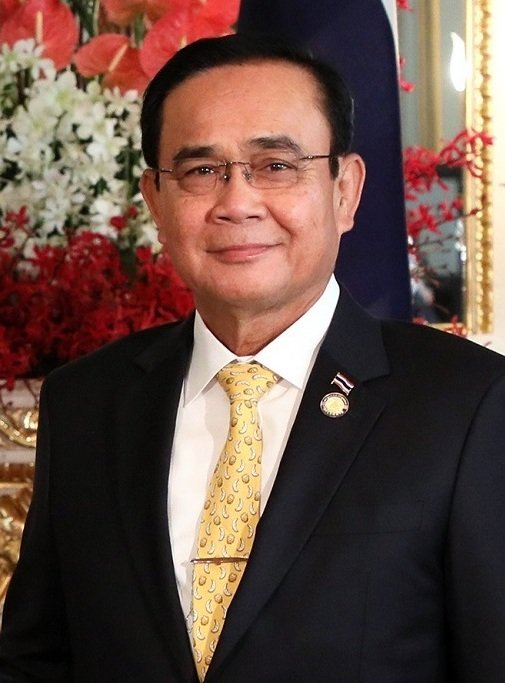
Prayut Chan-o-cha
29th Prime Minister of Thailand, 2014–2023The army commander who seized power in 2014, led Thailand’s military government and remained prime minister after the 2019 election until 2023.Read biography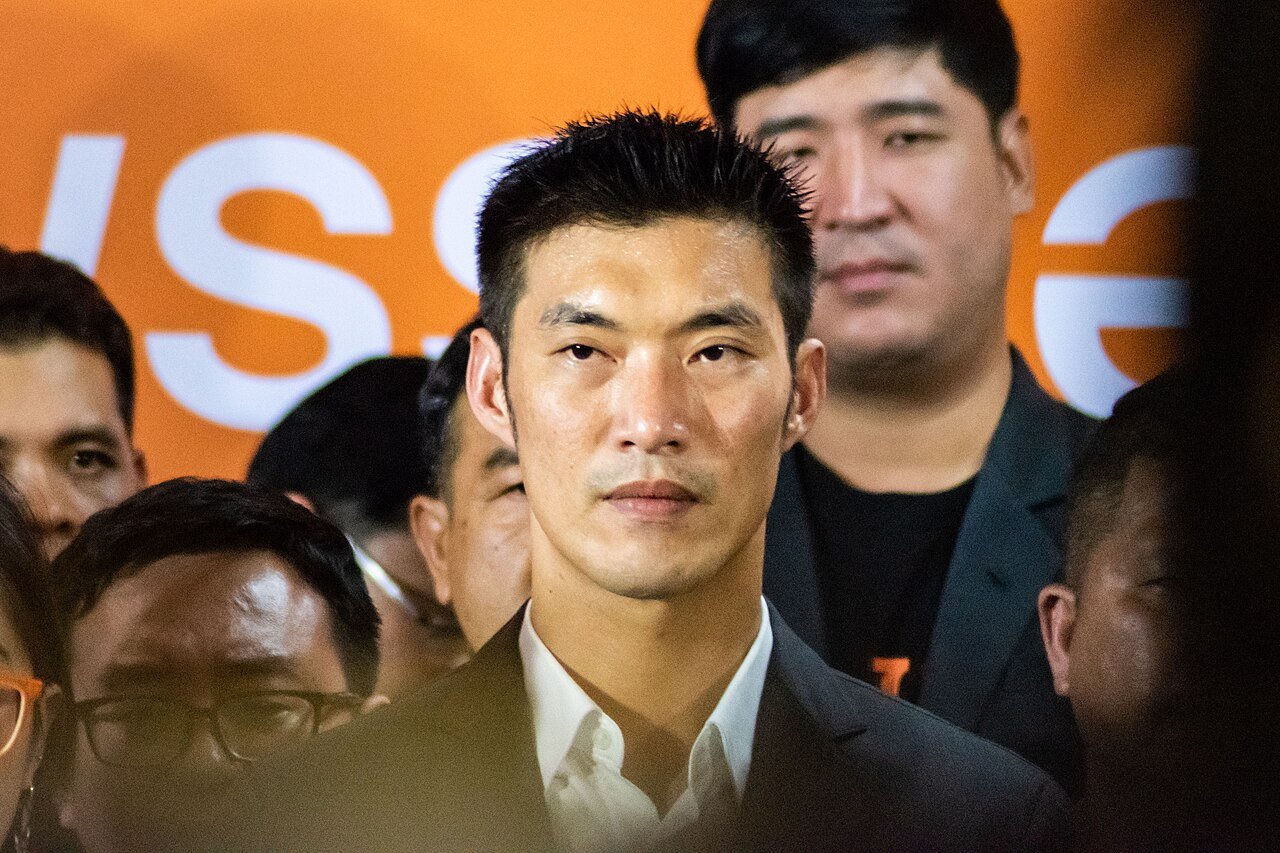 Thailand · Politics
1978—
Thanathorn Juangroongruangkit
Founder of Future Forward and leader of the Progressive MovementThe former automotive executive who founded Future Forward, challenged military influence and continued reform campaigning after the party’s dissolution.Read biography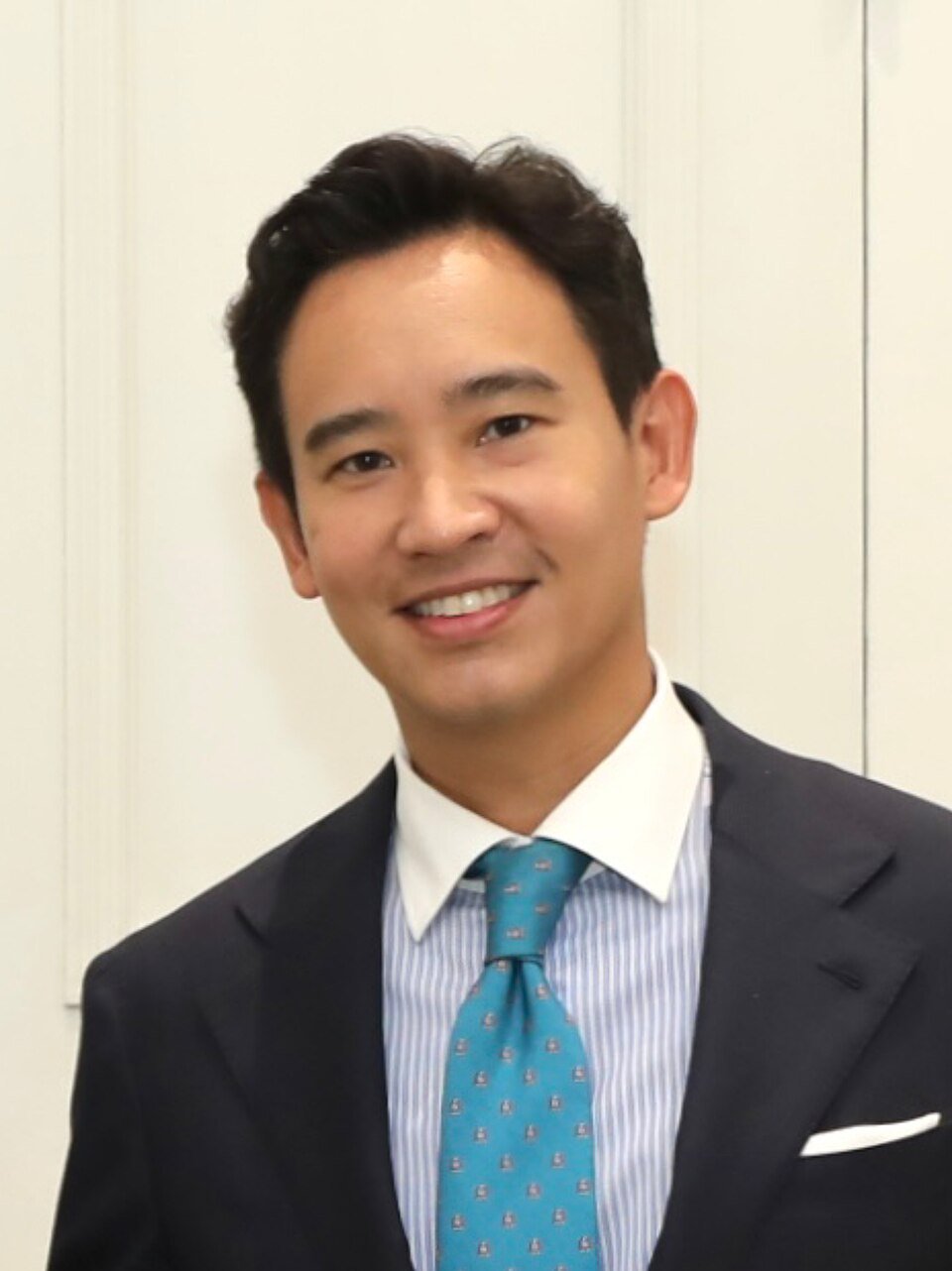 Thailand · Politics
1980—
Pita Limjaroenrat
Former Move Forward Party leader and 2023 prime-ministerial candidateThe business-trained reform politician who led Move Forward to 151 House seats in 2023 but was blocked from the premiership before the party was dissolved.Read biography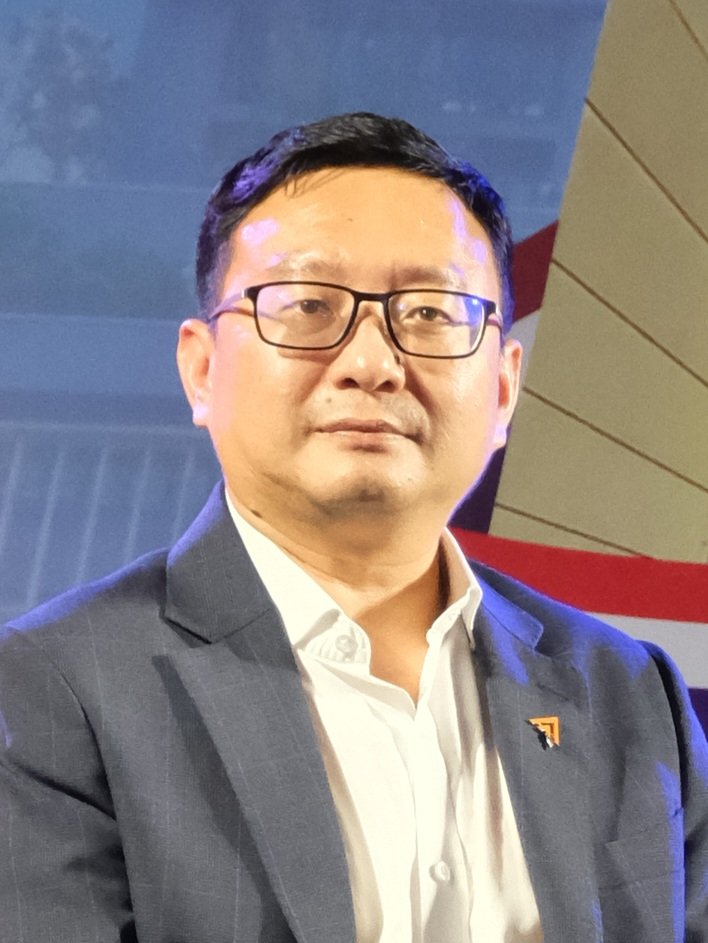 Thailand · Politics
1978—
Chaithawat Tulathon
Former Move Forward Party leader and leader of the oppositionThe engineer, editor and political organiser who became Move Forward’s secretary-general, party leader and Thailand’s tenth formal leader of the opposition.Read biography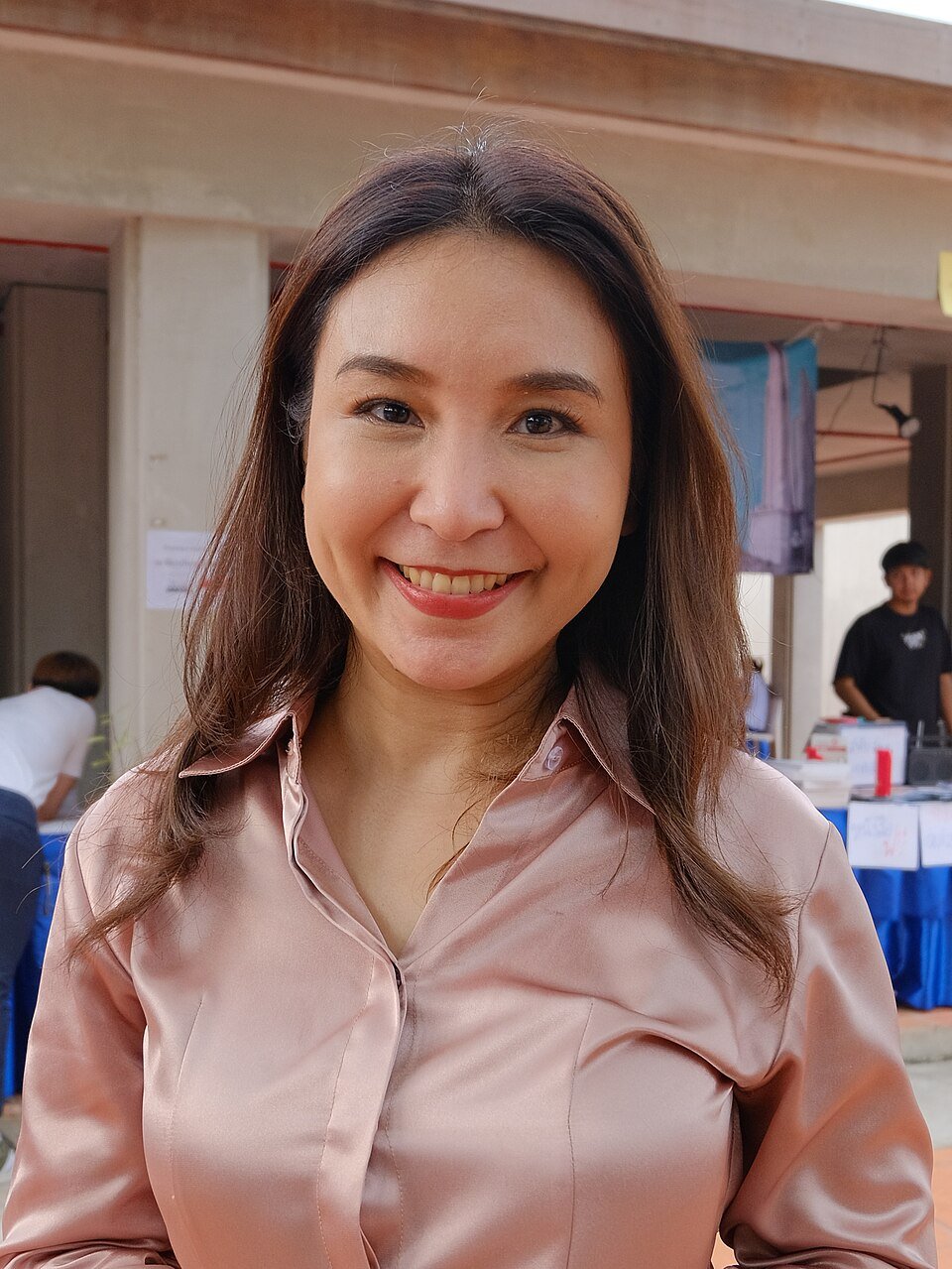 Thailand · Politics
1981—
Sirikanya Tansakun
Deputy leader of the People’s Party and party-list MPThe economist and policy researcher who became one of Thailand’s most visible parliamentary budget critics, a 2026 prime-ministerial candidate and the People’s Party lead on state reform.Read biography Thailand · Politics
1987—
Natthaphong Ruengpanyawut
Leader of Thailand’s People’s Party and opposition leaderA computer engineer and cloud entrepreneur who became leader of Thailand’s People’s Party, led it to 120 House seats in 2026 and remained the central opposition figure.Read biography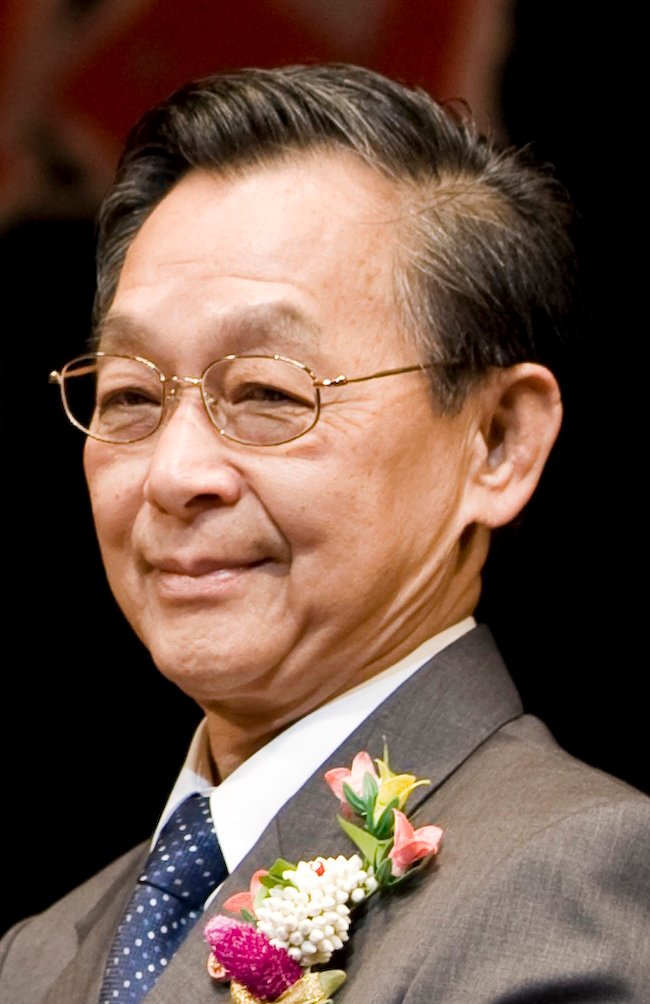 Thailand · Politics
1938—
Chuan Leekpai
20th Prime Minister of Thailand, 1992–1995 and 1997–2001The lawyer and veteran parliamentarian who led Thailand after the 1992 democratic transition and returned during the Asian financial crisis.Read biography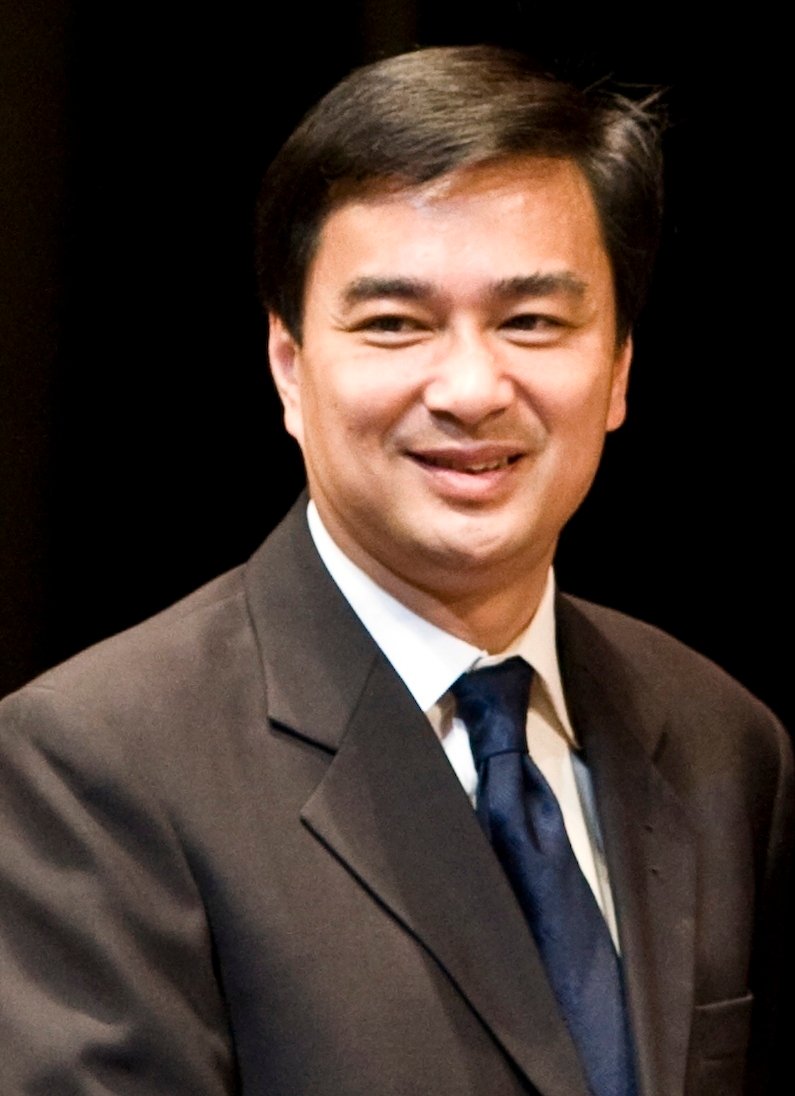 Thailand · Politics
1964—
Abhisit Vejjajiva
27th Prime Minister of Thailand, 2008–2011The Oxford-educated Democrat leader who became prime minister through a parliamentary coalition, launched crisis stimulus and governed during Thailand’s 2010 protest violence.Read biography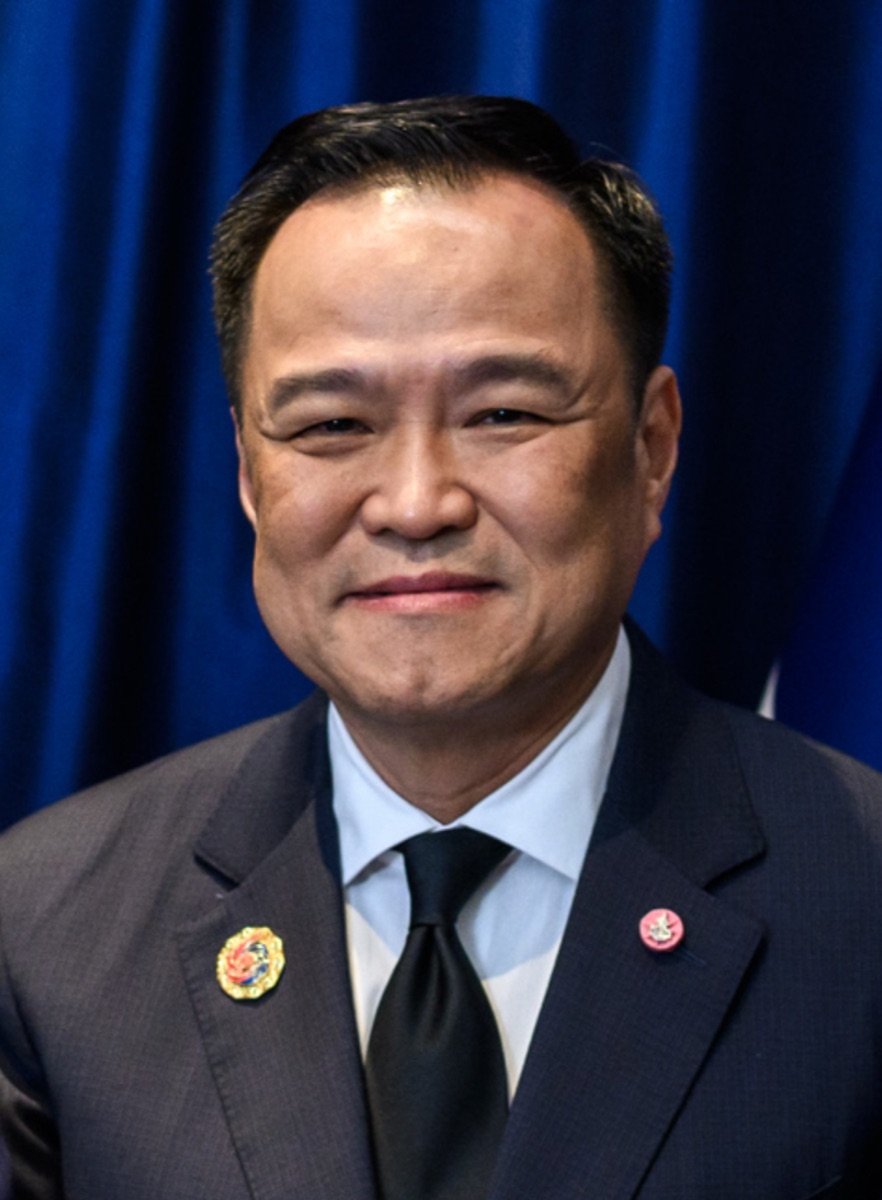 Thailand · Politics
1966—
Anutin Charnvirakul
32nd Prime Minister of ThailandA businessman-turned-politician who led Bhumjaithai through successive coalitions, became Thailand’s 32nd prime minister in 2025 and won a second appointment after the 2026 election.Read biographyQuick answers
Common questions
- Who won Thailand’s 2019 general election?
- Pheu Thai won the largest number of House seats with 136. Palang Pracharath won 116, Future Forward 81, the Democrat Party 53 and Bhumjaithai 51.
- What was voter turnout in the 2019 Thai election?
- The Inter-Parliamentary Union records 38,341,644 voters and turnout of 74.9 percent.
- Why did Prayut remain prime minister after the election?
- Palang Pracharath assembled a multiparty coalition, and the 2017 Constitution allowed 250 appointed senators to join the House in selecting the prime minister. Prayut won that joint vote 500–244.
- How many seats did Future Forward win in 2019?
- Future Forward won 81 of 500 House seats, becoming the third-largest parliamentary party.
- Why did Pheu Thai receive no party-list seats?
- The system used each party’s national vote to calculate an overall seat entitlement, then subtracted constituency seats already won. Pheu Thai’s 136 constituency victories already exceeded its calculated entitlement.
- Why was Future Forward dissolved?
- The Constitutional Court dissolved the party in February 2020 in a case concerning loans made by Thanathorn Juangroongruangkit and banned sixteen executives for ten years.
Primary and institutional sources
How this history was checked
Dates, legal milestones and historical claims are checked against the official and institutional records below. This article was reviewed on 3 October 2026.
- Election Commission of ThailandStatistical data for the 24 March 2019 general election
- Inter-Parliamentary UnionThailand House of Representatives election, March 2019
- Election Commission of ThailandConstitution of the Kingdom of Thailand, 2017 — English translation
- Asian Network for Free ElectionsThe 2019 Thai General Election: A Missed Opportunity for Democracy
- Human Rights WatchThailand: Structural Flaws Subvert Election
- Constitutional Court of ThailandFuture Forward Party dissolution case
- Constitutional Court of ThailandInterim order in the Thanathorn membership case
- Wikimedia CommonsPrayut Chan-o-cha photograph and licence record