
The short answer
On 27 April 1992 the House of Commons chose Betty Boothroyd as its first woman Speaker. The decision was made by MPs through a parliamentary motion and amendment, with support across party lines. Her election illustrates both a breakthrough in representation and the difference between chairing the House impartially and governing the country.
Chronology
A timeline of the turning points
Deputy-speaker experience
Boothroyd joined the Commons presiding team under Bernard Weatherill.
MPs chose Boothroyd
The amendment replacing Peter Brooke’s name with hers passed by 372 to 238; the amended motion was then agreed.
Royal approval followed
Boothroyd appeared before the Royal Commissioners as Speaker-elect.
A change of government
She continued in office when Labour replaced the Conservatives, maintaining the same duty to the House.
Her speakership ended
The Commons chose a successor after eight years under Boothroyd.
The Commons selected its own presiding officer
The speakership became vacant when Bernard Weatherill retired. At the first sitting of the new Parliament, Edward Heath presided over the election. A motion first proposed Peter Brooke. John Biffen then moved an amendment to substitute Betty Boothroyd, supported by Gwyneth Dunwoody. The vote was therefore an amendment to a parliamentary motion, not the secret-ballot procedure associated with later contested elections.
The amendment passed by 372 votes to 238. MPs then agreed the motion as amended without a further division, and Boothroyd was conducted to the chair. Royal approval followed on 28 April. The contemporary record is more reliable for this sequence than a modern career database’s inconsistent office-start entry: 27 April is the date of her election, not the earlier general-election date.
A Labour background did not make it a party appointment
Boothroyd entered Parliament as a Labour MP in 1973 and had served as a whip, committee member and deputy speaker. Her proposer in 1992, Biffen, was a Conservative, while Dunwoody was Labour. The resulting majority crossed party boundaries in a House where the Conservatives had won the general election. This explains why the choice cannot be treated simply as the government selecting one of its supporters.
In her election speech Boothroyd promised to protect minority rights without ignoring the rights of majorities. That balance mattered because the Speaker served the whole Commons. Her political experience helped establish competence, but the responsibilities of the new office required impartial conduct. The institution depended on members accepting rulings even when those rulings did not advance their party’s immediate interests.
The Speaker shaped proceedings within parliamentary rules
Boothroyd could keep order, call members to speak and apply procedural rules. Choosing contributions required judgement about official spokespeople, expertise, earlier opportunities and the rights of parliamentary minorities. Selection and grouping of amendments likewise affected which questions the House could consider. These responsibilities gave the chair influence over the conduct of political argument.
They did not make the Speaker the author of government legislation or the commander of its parliamentary majority. Much business remained under government control, subject to the House’s rules and decisions. The chair’s authority was strongest when exercised with procedural reasons and confidence across the chamber. Deputies, clerks and staff supported that work, so the office should be understood as an institutional responsibility as well as a public performance.
Her historic first had a precise meaning
Boothroyd was the first woman elected Speaker of the House of Commons. She was not the first woman to occupy the chair in any capacity. Betty Harvie Anderson had served as a deputy speaker from 1970, and Boothroyd herself had been a deputy from 1987. Recognising those distinctions makes the breakthrough clearer while retaining the earlier women within the institution’s history.
Her eight years as Speaker extended across Major’s Conservative government and Blair’s Labour government. Tributes recall firmness, humour and encouragement of newcomers, but her constitutional task remained consistent through that change. The significance of 1992 lies in a woman assuming the full office and winning colleagues’ confidence to exercise it. It did not turn an impartial parliamentary chair into a new source of executive policy.
Continue the chronology
Related history guides
Biography context
Explore United Kingdom through connected lives
Connected biographies
The Speaker and the prime ministers during her tenure
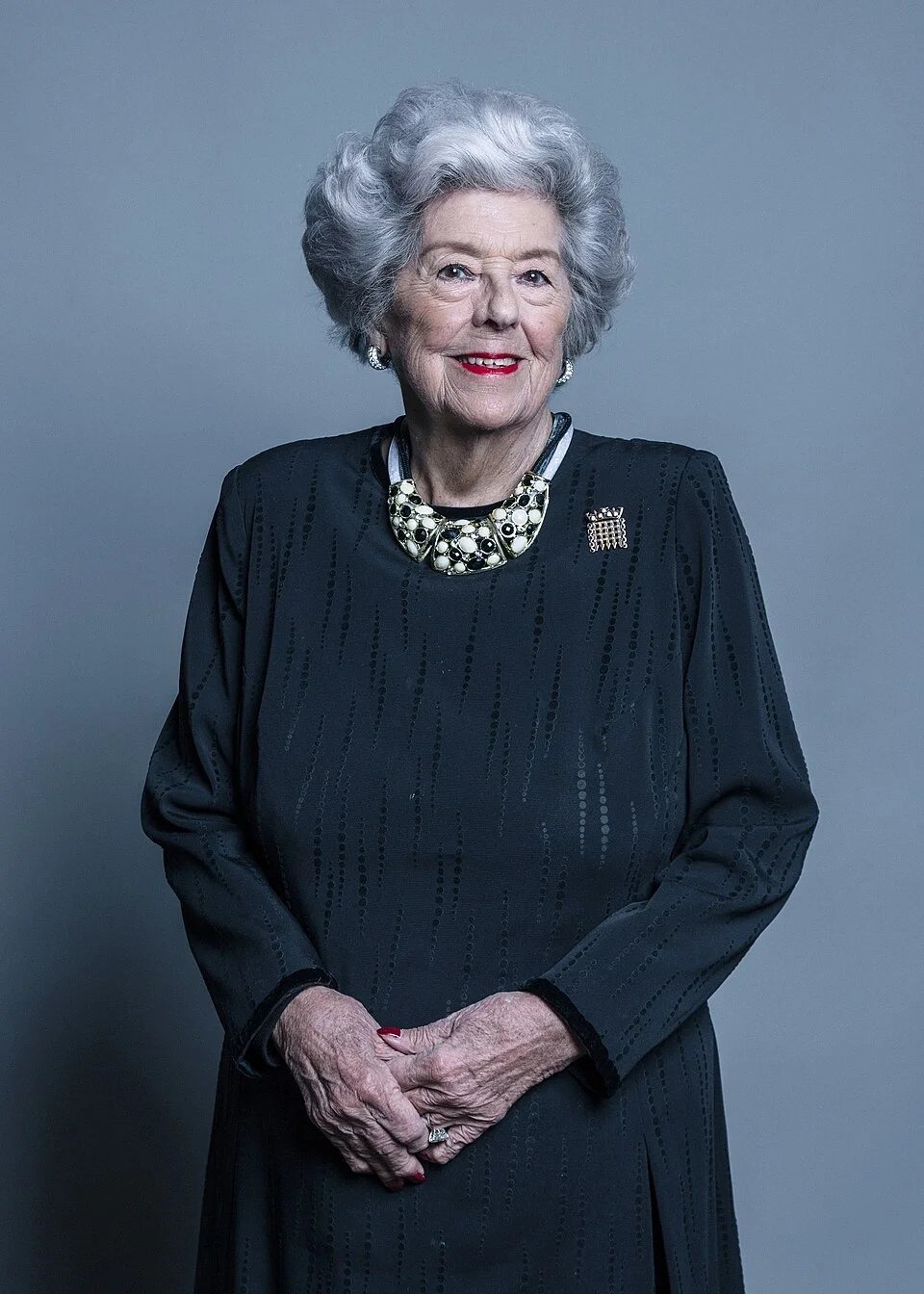
1929–2023
Betty Boothroyd
British parliamentarian and first woman Commons SpeakerBetty Boothroyd became the first woman elected Speaker of the House of Commons in 1992. A former Labour MP and deputy speaker, she combined a firm command of procedure with a distinctive public presence during eight years in the chair.Read biography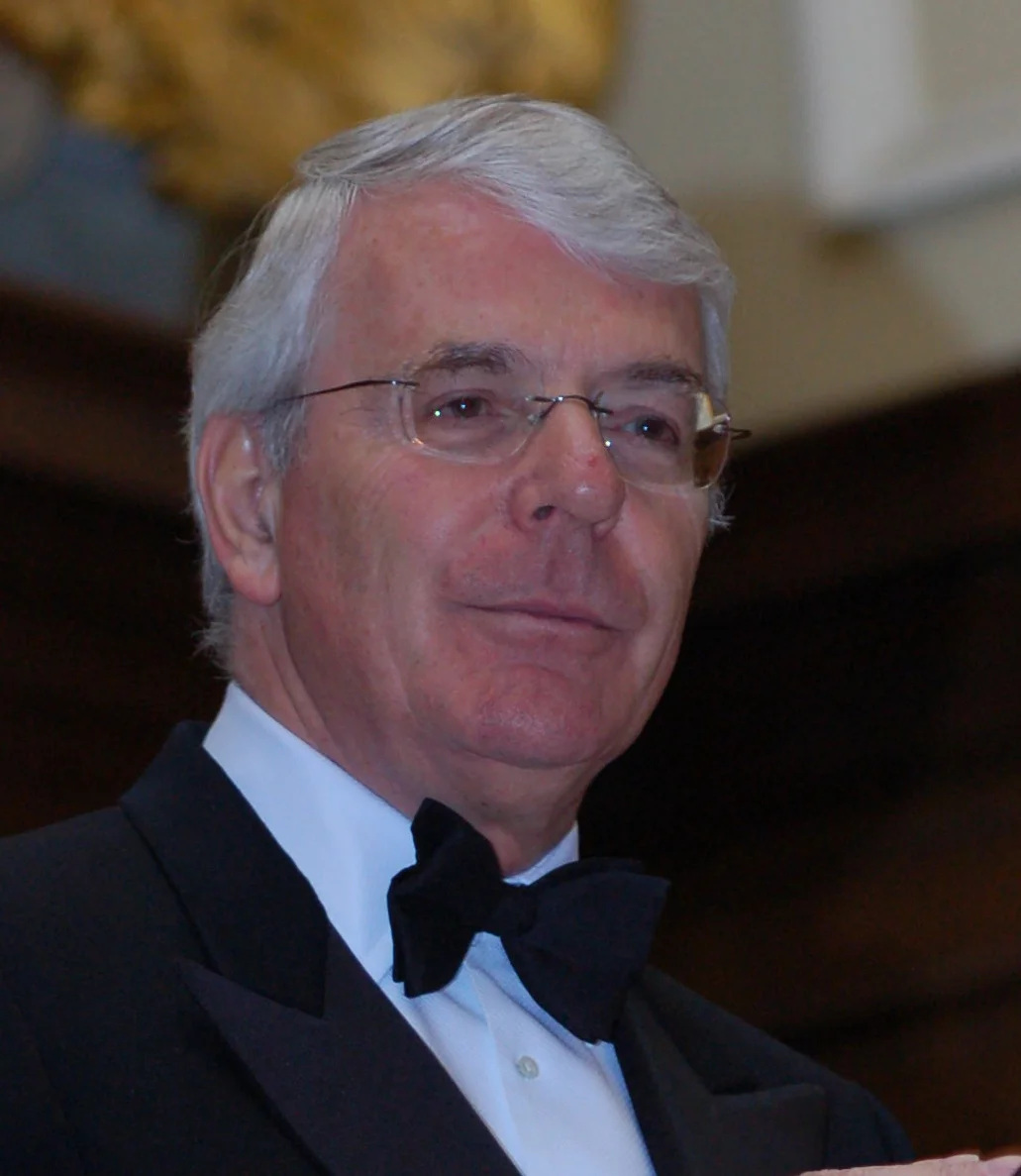
1943–
John Major
British Conservative politician and prime ministerJohn Major was UK prime minister from 1990 to 1997. He won an unexpected general-election victory, negotiated British Maastricht opt-outs and helped advance Northern Ireland peace efforts, while economic crisis and Conservative divisions weakened his government.Read biography
1953–
Tony Blair
British Labour politician and prime ministerTony Blair served as UK prime minister from 1997 to 2007 and led Labour to three general-election victories. His governments combined constitutional and public-service reforms with an interventionist foreign policy whose most disputed decision was participation in the 2003 invasion of Iraq.Read biographyQuick answers
Common questions
- Was Boothroyd elected by secret ballot in 1992?
- No. MPs voted on an amendment substituting her name for Peter Brooke’s in a motion. The amendment passed by 372 to 238, followed by agreement to the amended motion.
- Could she set government policy?
- No. The Speaker managed parliamentary proceedings and represented the House. Ministers remained responsible for government policy.
- Was she the first woman ever to sit in the chair?
- No. Betty Harvie Anderson had been a deputy speaker from 1970. Boothroyd’s first was election to the full speakership in 1992.
- Did she remain Speaker when Labour won in 1997?
- Yes. She served across the change of government and remained Speaker until October 2000.
Primary and institutional sources
How this history was checked
The election sequence comes from the contemporary Commons and Lords records and the Procedure Committee’s retrospective account. Modern explanations support the office’s general functions; they are not used to project today’s secret-ballot procedure onto 1992. Published History of Parliament extracts were read, not its closed Boothroyd interview. This article was reviewed on 23 October 2026.
- UK ParliamentBaroness Boothroyd: parliamentary career
- UK Parliament, HansardTributes to Baroness Boothroyd, 28 February 2023: opening contributions
- UK Parliament, Historic HansardElection of Speaker, 27 April 1992
- UK Parliament, Historic HansardRoyal approval of the Speaker, 28 April 1992
- House of Commons Procedure CommitteeElection of a Speaker: the 1992 procedure and division
- UK ParliamentThe Speaker: history and impartiality
- Institute for GovernmentSpeaker of the House of Commons: powers and limits
- History of Parliament / Emme LedgerwoodWomen Speakers and Deputy Speakers: published oral-history extracts
- Chris McAndrew / UK Parliament / Wikimedia CommonsBaroness Boothroyd: full-frame March 2018 photograph and licence
- Creative CommonsAttribution 3.0 Unported licence