
The short answer
Gabungan Parti Sarawak is the four-party coalition formed when PBB, SUPP, PRS and PDP left Barisan Nasional after GE14. It won 76 of 82 seats in the 2021 Sarawak election and 23 federal seats at GE15, giving a state-based coalition major influence in Malaysia’s hung-parliament era.
Four-party structure
The component parties inside GPS
The coalition uses one electoral identity, but each component remains a registered party with its own history and organisation.
| Party | Historical origin | Place in the coalition | Political base |
|---|---|---|---|
| PBB | Registered in 1973 after the Bumiputera–Pesaka merger | Largest component; supplies the premier and GPS chair | Malay, Melanau, Iban, Bidayuh and other Bumiputera constituencies |
| SUPP | Founded in 1959 before the formation of Malaysia | Long-established multi-ethnic component | Urban and Chinese-majority constituencies, with a wider membership claim |
| PRS | Registered in 2004 after a split in PBDS | Rural and Dayak-oriented component | Interior and longhouse constituencies |
| PDP | Began as SPDP in 2002 and adopted its present name in 2015 | Component that absorbed former PSB members in 2024 | Rural and mixed constituencies, including northern Sarawak |
Chronology
A timeline of the turning points
PBB is registered
Parti Bumiputera and Parti Pesaka Anak Sarawak combined to create the party that later became GPS’s anchor.
Sarawak governing parties enter Barisan Nasional
The state coalition became part of the expanded national front that succeeded the Alliance.
Abang Johari succeeds Adenan Satem
The new chief minister also became PBB president and later the founding chairman of GPS.
Four Sarawak parties leave BN
PBB, SUPP, PRS and PDP withdrew after GE14 and announced a new state-based coalition.
GPS receives approval and launches
Registrar approval gave the coalition its own constitution and hornbill symbol outside BN.
GPS helps determine a federal majority
Its MPs supported Muhyiddin Yassin after the PH government collapsed while GPS remained a separate coalition.
GPS wins 76 of 82 state seats
The first Sarawak election fought under the GPS identity produced an overwhelming legislative majority.
Sarawak adopts the title premier
A state constitutional amendment changed the English style of its head of government from chief minister.
GPS wins 23 federal seats and joins the unity alignment
After a hung Parliament, the coalition accepted the King’s advice and supported the government led by Anwar Ibrahim.
PSB dissolves and its leaders enter PDP
The move brought three former opposition assembly members into a GPS component without creating a fifth component party.
The four-party structure continues
Official statements still identify PBB, SUPP, PRS and PDP as the coalition’s components under Abang Johari.
What is Gabungan Parti Sarawak?
Gabungan Parti Sarawak means Sarawak Parties Alliance and is commonly abbreviated GPS. It is a coalition of four Sarawak-based parties: Parti Pesaka Bumiputera Bersatu, the Sarawak United People’s Party, Parti Rakyat Sarawak and the Progressive Democratic Party.
GPS governs Sarawak and participates in federal politics as its own coalition. It is not a component of PH, BN or PN, even when its MPs support the same federal administration as those national alignments.
That distinction is central to the coalition’s appeal. GPS presents decisions about candidates, state policy and federal cooperation as matters to be negotiated from a Sarawak institutional base rather than through a peninsula-led coalition council.
Why did the Sarawak parties leave Barisan Nasional?
PBB, SUPP, PRS and PDP had contested the 2018 general election as Sarawak BN parties. When BN lost federal power for the first time, the four announced their withdrawal on 12 June and created a new alliance.
Leaving BN allowed the parties to preserve their state government while separating their identity from the defeated national coalition. It also made cooperation with the new PH administration possible without requiring membership in PH.
The change was organisational as well as symbolic. GPS later received approval for its own constitution and logo, enabling candidates to contest under a shared Sarawak coalition identity rather than the BN scale symbol.
Which parties are in GPS?
PBB is the largest component and supplies Premier and GPS chairman Abang Johari Openg. Formed in 1973, it brought together Muslim Bumiputera and Dayak political organisations and became the central party of successive Sarawak governments.
SUPP was founded in 1959 and provides a long-established multi-ethnic organisation with an important Chinese base. PRS and PDP developed from later reorganisations in Dayak and rural politics. Together, the four parties distribute constituencies and contest under the GPS banner.
The four-party count remained current at the 4 October 2026 review date. PSB did not become a fifth component: it dissolved in 2024 and former members entered the existing PDP organisation.
How dominant is GPS in Sarawak?
The 2021 state election was the coalition’s first full state test under its own name. The Election Commission recorded GPS victories in 76 of 82 constituencies, with PSB winning four and DAP two.
That result was broader than a simple continuation of the old BN label. GPS had spent three years presenting itself as a specifically Sarawak coalition and benefited from the popularity of Abang Johari’s government, a divided opposition and the state’s distinct electoral geography.
In 2024, PSB’s dissolution and the entry of its three remaining assembly members into PDP increased the GPS government block to 80 of 82 seats at that point. Seat counts should still be dated because vacancies, by-elections and individual changes can alter a legislature between general elections.
What does GPS say about MA63 and Sarawak autonomy?
GPS places the Malaysia Agreement 1963, the Federal Constitution and Sarawak’s state constitution at the centre of its programme. Its leaders frame greater administrative authority and revenue as the recovery of federal arrangements rather than separation from Malaysia.
The agenda has included state sales tax on petroleum products, a larger role for Petroleum Sarawak, control or ownership in transport and finance, and greater state involvement in federally funded projects. Some outcomes depend on federal law and negotiation, so campaign claims should be distinguished from powers already implemented.
Autonomy also functions as an electoral organising idea across communities. GPS links it to development and political stability, while opposition parties debate whether the coalition’s approach secures enough accountability or distribution of benefits within Sarawak.
Why did GPS become important after GE15?
GPS won 23 of Sarawak’s 31 parliamentary constituencies at GE15. Because no national coalition reached the 112-seat majority, those MPs became an important part of negotiations over the next federal government.
The coalition initially announced support for an arrangement involving PN, BN and GRS. When that combination did not secure agreement, GPS accepted the King’s advice to support a unity government led by Anwar Ibrahim.
This sequence is evidence of federal bargaining, not membership in PH. GPS kept its own organisation and state opposition relationship with Sarawak DAP while its MPs joined the wider federal government and Fadillah Yusof became a deputy prime minister.
How is GPS different from GRS?
GPS and Gabungan Rakyat Sabah are both East Malaysian coalitions, but their histories and electoral strength are different. GPS brought four established former BN parties into a durable alliance and won an overwhelming state majority in 2021.
GRS began as a broader 2020 election umbrella, registered later and experienced repeated changes in component membership. It led the 2025 Sabah result with 29 seats but did not win the 37 required for a majority on its own.
Both support the post-GE15 federal government and emphasise state interests. Treating them as interchangeable, however, obscures Sarawak’s greater coalition consolidation and Sabah’s more fragmented party competition.
Continue the chronology
Related history guides
Gabungan Rakyat Sabah: History and Parties
Compare Sarawak’s consolidated coalition with Sabah’s more fluid alliance.
Read the timeline1952–presentMalaysia’s Political Parties Explained
Place GPS beside BN, PH, PN and GRS.
Read the timeline19 November 2022Malaysia’s 2022 General Election
Follow the hung Parliament in which GPS’s 23 seats became pivotal.
Read the timeline16 September 1963The Formation of Malaysia
Understand the federal agreement central to GPS’s MA63 programme.
Read the timeline1959–presentHow Malaysia’s Parliament Works
Connect regional coalitions to confidence and government formation.
Read the timelineBiography context
Explore Sarawak, Malaysia through connected lives
Connected biographies
Eleven lives connecting Sarawak leadership, federal formation and GPS
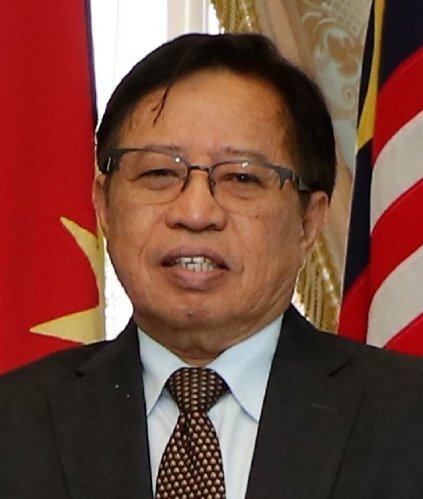
1950—
Abang Johari Openg
Premier of Sarawak and Chairman of Gabungan Parti SarawakThe long-serving Sarawak politician who succeeded Adenan Satem, formed GPS after GE14 and became the state’s first officeholder styled premier.Read biography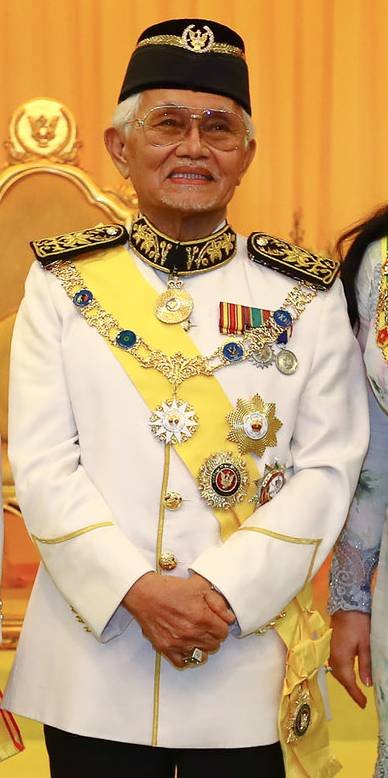
1936—2024
Abdul Taib Mahmud
Fourth Chief Minister and seventh Governor of SarawakThe lawyer and PBB leader who governed Sarawak from 1981 to 2014, then served as the state’s ceremonial head until January 2024.Read biography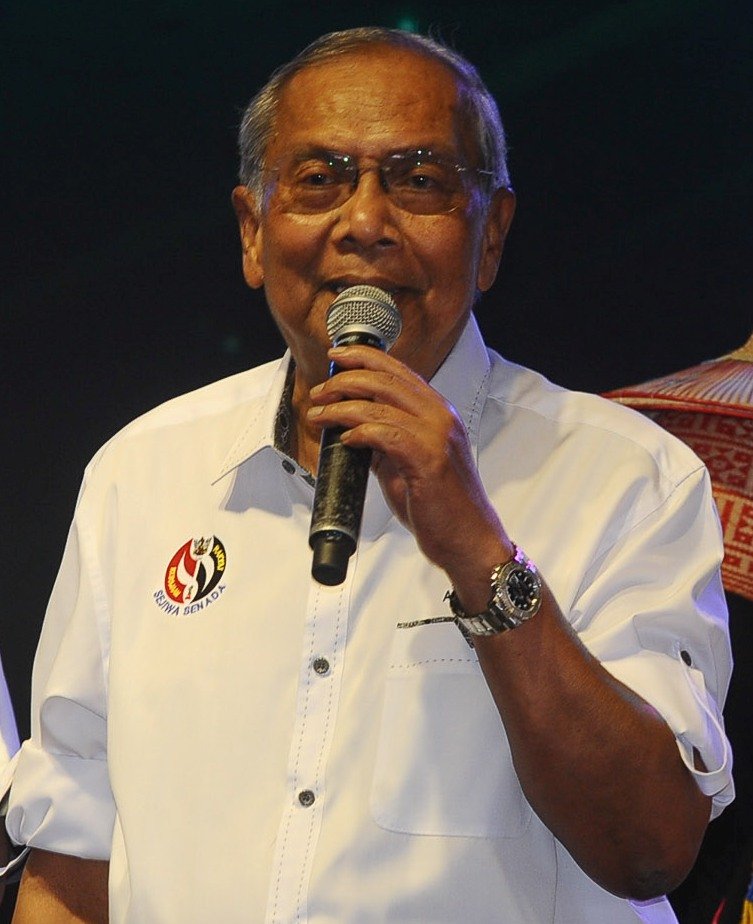
1944—2017
Adenan Satem
Fifth Chief Minister of SarawakThe lawyer and PBB leader whose three years as Sarawak chief minister reshaped state autonomy politics and produced a 72-seat election victory.Read biography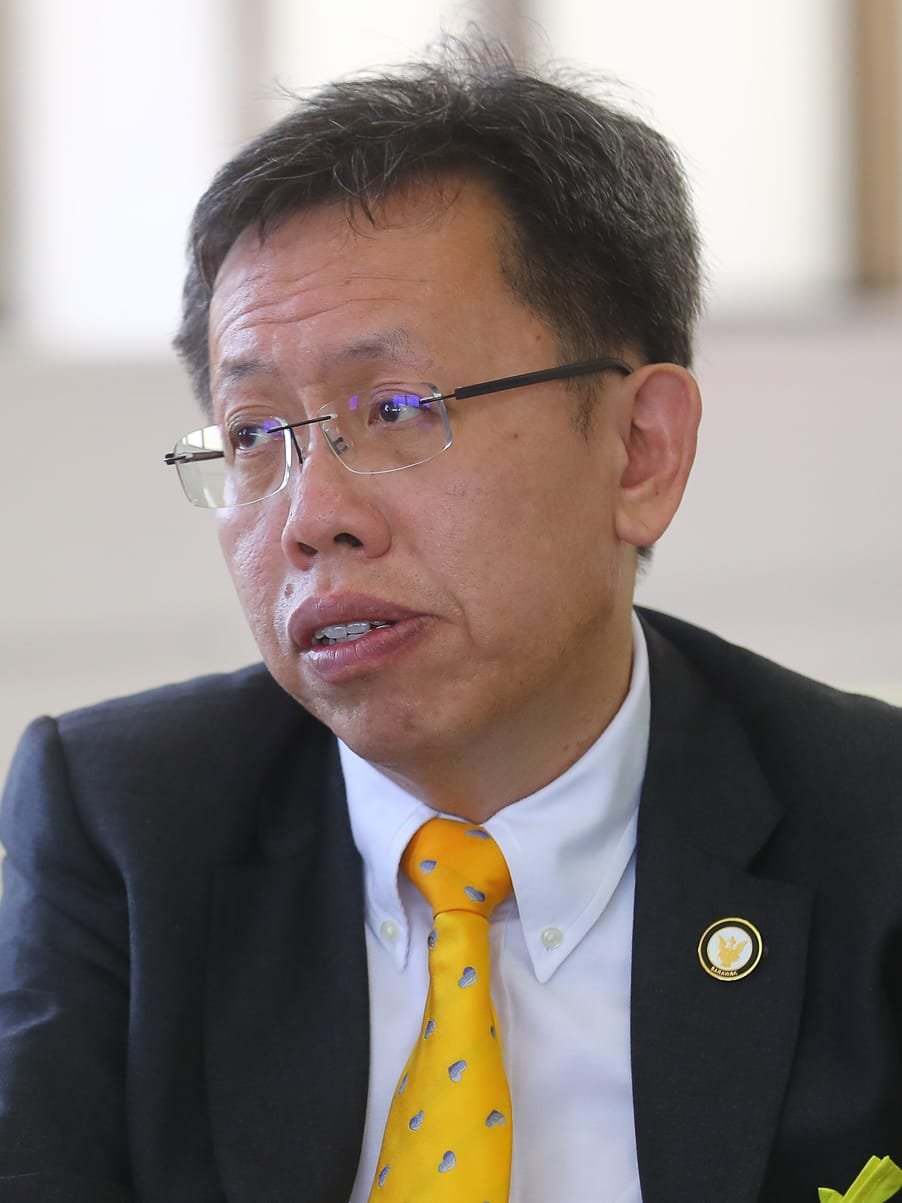
1965—
Sim Kui Hian
Deputy Premier of Sarawak and President of SUPPThe cardiologist who helped establish Sarawak’s specialist heart service before leading SUPP, winning Batu Kawah and becoming a deputy premier.Read biography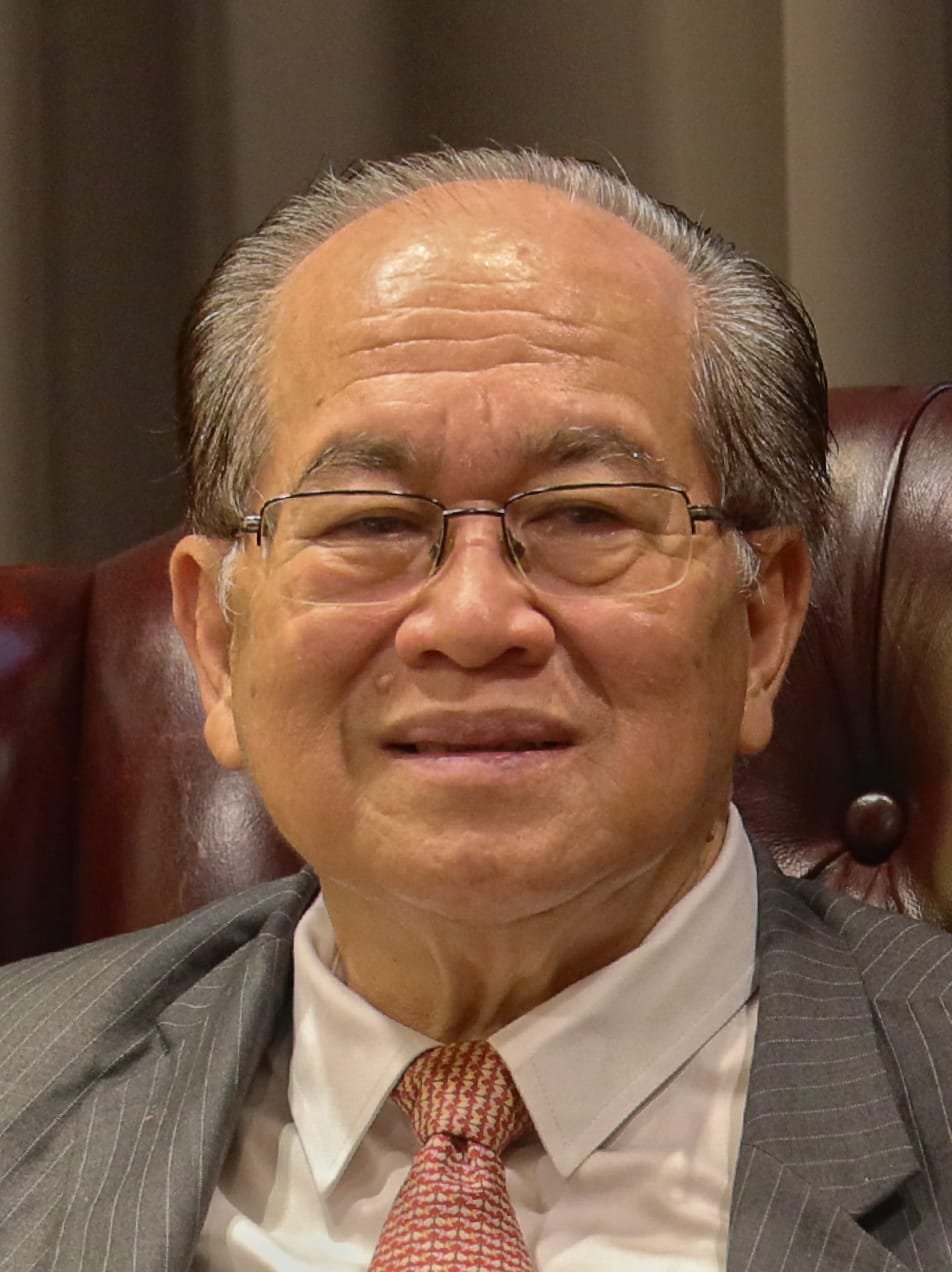
1956—
Douglas Uggah Embas
Deputy Premier of Sarawak and PBB Deputy PresidentThe former Betong MP and federal cabinet minister who returned to state politics in 2016 as the assemblyman for Bukit Saban and a deputy premier.Read biography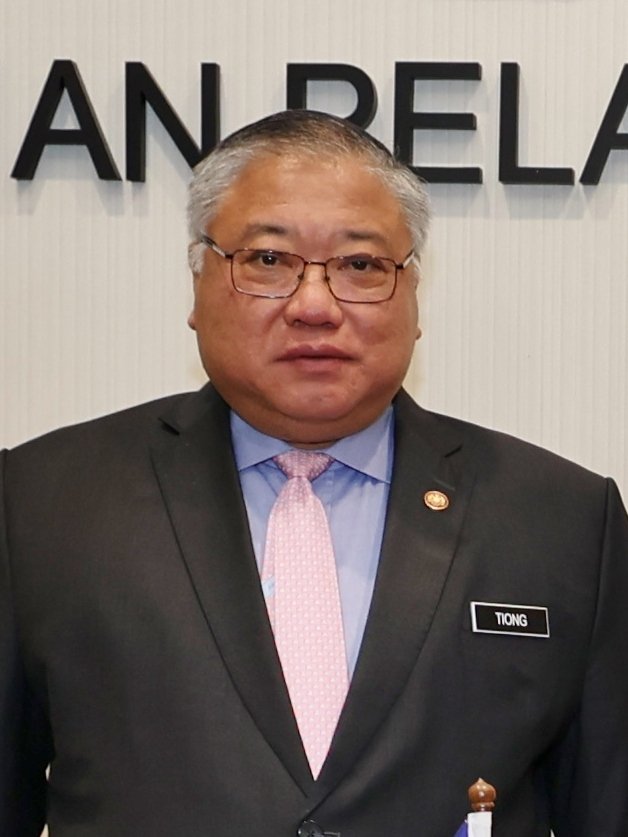
1961—
Tiong King Sing
Minister of Tourism, Arts and Culture and President of PDPThe businessman-turned-politician who became a long-serving Bintulu MP, PDP president, federal special envoy and tourism minister.Read biography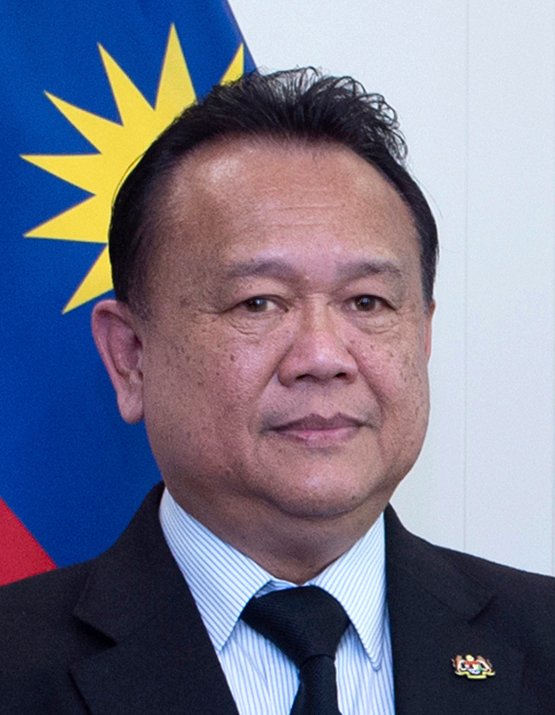
1958—
Alexander Nanta Linggi
Minister of Works and Member of Parliament for KapitThe long-serving Kapit MP who rose from Sarawak political secretary to federal cabinet minister and secretary-general of PBB and GPS.Read biography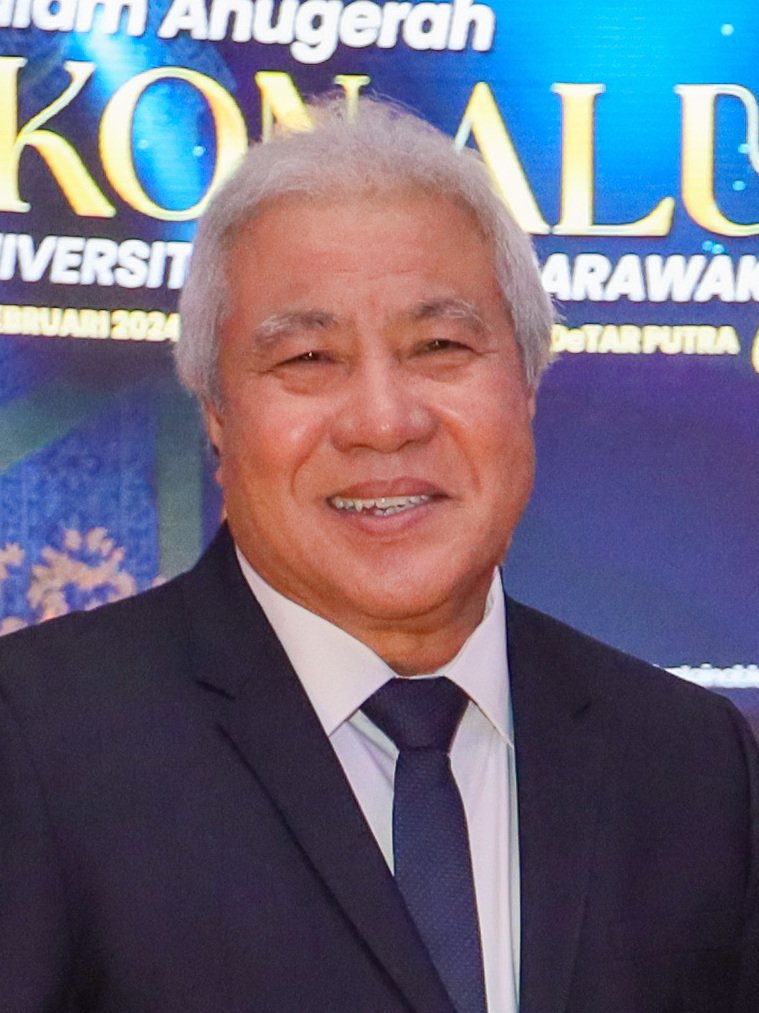
1955—
Awang Tengah Ali Hasan
Deputy Premier of Sarawak and PBB Senior Vice PresidentThe Lawas assemblyman whose long state cabinet career now combines the deputy premiership with investment and natural-resource policy.Read biography
1962—
Fadillah Yusof
Deputy Prime Minister and Minister of Energy Transition and Water TransformationA Sarawak lawyer and long-serving Petra Jaya member of Parliament who became the first deputy prime minister from East Malaysia in 2022.Read biography
1920—1997
Stephen Kalong Ningkan
First Chief Minister of SarawakThe SNAP founder who became Sarawak’s first chief minister in 1963 and led the state through the formation of Malaysia and a defining constitutional crisis.Read biography1903—1981
Temenggong Jugah anak Barieng
Iban paramount chief and Malaysia Agreement signatoryThe Iban paramount chief who mobilised support for federation, signed the Malaysia Agreement and became the first federal minister for Sarawak affairs.Read biographyQuick answers
Common questions
- What does GPS stand for in Sarawak?
- GPS stands for Gabungan Parti Sarawak, translated as Sarawak Parties Alliance.
- When was GPS formed?
- PBB, SUPP, PRS and PDP announced the coalition after leaving Barisan Nasional on 12 June 2018; its registration and logo were approved before its 2019 launch.
- Which parties are in GPS?
- PBB, SUPP, PRS and PDP are the four component parties at the 4 October 2026 review date.
- Who leads GPS?
- Sarawak Premier and PBB president Abang Johari Openg is the coalition chairman.
- Is GPS part of Barisan Nasional?
- No. Its four parties left BN in June 2018 and now contest through a separate Sarawak coalition.
- Is GPS part of Pakatan Harapan?
- No. GPS supports the federal government led by PH chairman Anwar Ibrahim but remains a separate coalition.
- How many seats did GPS win in the 2021 Sarawak election?
- The Election Commission recorded 76 GPS victories out of 82 seats.
- How many federal seats did GPS win at GE15?
- GPS won 23 of Sarawak’s 31 Dewan Rakyat constituencies in the final 2022 result.
- Is PBB the same as GPS?
- No. PBB is GPS’s largest component party; GPS is the four-party coalition that also includes SUPP, PRS and PDP.
Primary and institutional sources
How this history was checked
Sarawak government and Registrar records establish the coalition’s structure; Election Commission and parliamentary records establish seat totals; ISEAS analysis supplies clearly attributed electoral context. This article was reviewed on 4 October 2026.
- Office of the Premier of SarawakGPS Formation, Leadership and Four Component Parties
- Election Commission of MalaysiaFull Results of the 12th Sarawak State Election
- BERNAMARegistrar Approval of the GPS Constitution and Logo
- Dewan Bahasa dan PustakaEncyclopaedia Entry on the Formation of PBB
- ISEAS – Yusof Ishak InstituteImpact of GE15 in Sarawak: Preliminary Observations
- Parliament of MalaysiaDewan Rakyat Record of the GE15 Coalition Seat Totals
- Office of the Premier of SarawakGPS Support for the Federal Unity Government
- BERNAMAPSB Dissolution and Former Members Entering PDP
- Wikimedia CommonsAbang Johari Openg Portrait and Public-Domain Record