The short answer
Malaysia’s politics is organised through both parties and coalitions. UMNO, PKR, DAP and PAS are parties; BN, PH and PN join parties into larger electoral alignments. After GE15, PH led a federal government with BN and regional partners while PN became the principal opposition—but membership and state-level cooperation have continued to change.
Coalition map
How Malaysia’s major political alignments differ
This is a dated organisational guide, not a live seat count. “Core parties” describes the clearest public structure at review time; state-level electoral cooperation may differ.
| Alignment | Origin | Core structure at review | Federal role |
|---|---|---|---|
| Barisan Nasional (BN) | Alliance expanded; registered 1974 | UMNO, MCA, MIC, PBRS and PPP | Unity-government partner |
| Pakatan Harapan (PH) | Created in 2015 after Pakatan Rakyat | PKR, DAP and Amanah | Leads the unity government |
| Perikatan Nasional (PN) | Governing alignment formed in 2020 | 2026 membership disputed; activities suspended pending RoS process | Principal opposition alignment; registration not cancelled |
| GPS | Four Sarawak parties left BN in 2018 | Sarawak-based coalition | Supports the federal government |
| GRS | Sabah coalition developed from 2020 | Sabah-based coalition | Supports the federal government |
| Warisan | Sabah party founded in 2016 | Single party, not a coalition | Listed with government-support parties |
Chronology
A timeline of the turning points
UMNO is founded
The United Malays National Organisation became the central Malay party in the coalition that would govern at independence.
The Alliance takes shape
UMNO and MCA cooperated in Kuala Lumpur before MIC joined; the Alliance then won the first federal election in 1955.
Barisan Nasional is formally registered
The Alliance model widened after the 1969 crisis into a larger governing coalition spanning peninsula and Borneo parties.
Reformasi reshapes the opposition
Anwar Ibrahim’s dismissal helped drive new organising and the creation of Parti Keadilan Nasional, a predecessor of PKR.
BN loses its two-thirds majority
Opposition parties denied BN a constitutional supermajority and formed Pakatan Rakyat after the election.
Pakatan Harapan is created
PKR, DAP and Amanah launched a new opposition coalition after Pakatan Rakyat broke down.
PH defeats BN at the federal level
GE14 produced Malaysia’s first transfer of federal power between rival coalitions.
PH falls and PN takes office
Bersatu left PH, defections altered parliamentary support and Muhyiddin Yassin led a new governing alignment.
GE15 produces a unity government
No bloc won a majority. PH, BN and regional partners supported a government led by Anwar Ibrahim while PN became the principal opposition.
Coalition membership keeps changing
UPKO left PH, PPP entered BN, PN changed chair and PAS ended political cooperation with Bersatu, underlining the need to date every party map.
RoS opens a PN compliance process
A show-cause notice and activity suspension followed Bersatu’s complaint; RoS said PN’s registration had not been cancelled.
What is the difference between a party and a coalition?
A political party is one registered organisation, such as UMNO, PKR, DAP or PAS. A coalition joins several parties for elections, government formation or both. Barisan Nasional, Pakatan Harapan and Perikatan Nasional are coalitions rather than single parties.
The distinction matters because Malaysian election results may be reported under a shared coalition logo, a component-party label or an allied label. At GE15, for example, the Election Commission recorded PH, DAP and MUDA separately even though they are commonly discussed as an 82-seat PH-aligned bloc.
It also explains why a politician can change the national balance without creating a new party. A party may leave a coalition, support a different prime minister or make a state-level arrangement while retaining its own legal identity.
Which coalition leads Malaysia’s federal government?
As reviewed on 4 October 2026, the federal government is led by Anwar Ibrahim and rests on a broad post-GE15 alignment. Parliament’s government-party listing includes PH, BN, GPS, GRS, Warisan, PBM and KDM, although individual seats and party affiliations can change between elections.
Calling this the “PH government” is incomplete. PH supplies the prime minister and the largest pre-election bloc, but the administration’s parliamentary base was assembled after a hung election with former rival BN and East Malaysian partners.
A government coalition is therefore not necessarily the same thing as an election coalition. GE15 voters chose MPs; after no side reached 112 seats, parties negotiated which MP could command majority confidence.
Who forms the principal opposition?
PN emerged from GE15 as the principal opposition alignment after winning 74 aligned seats. Its 2022 result joined Bersatu and PAS strength with Gerakan and other partners under a common national campaign.
That 2022 description cannot simply be copied into 2026. Ahmad Samsuri Mokhtar replaced Muhyiddin Yassin as PN chair in February 2026 and became opposition leader in May. PAS then ended political cooperation with Bersatu in June, while Bersatu contested the Negeri Sembilan state election separately from a PN slate involving PAS, Gerakan, Wawasan and MIPP.
Bersatu and PAS then disputed whether Bersatu remained a PN member. RoS issued a show-cause notice on 22 September and suspended PN activities the following day while considering the complaint. It explicitly said this was not a cancellation of registration.
These developments show why this guide distinguishes an election result from a current organisational snapshot. A public break in cooperation may precede, follow or differ from a formal change in registered coalition membership.
Why are GPS and GRS separate from the peninsula coalitions?
Gabungan Parti Sarawak and Gabungan Rakyat Sabah organise around East Malaysian state politics and federal bargaining. GPS was created after four Sarawak parties left BN in 2018, while GRS developed as a Sabah-based coalition.
Both can support a federal government without becoming PH or BN components. Their leverage reflects the number of parliamentary seats in Sabah and Sarawak, especially when no peninsula coalition can form a majority alone.
Warisan is another Sabah-based party rather than a branch of PH. Treating every government supporter as a PH component erases these distinct organisations and the state interests they represent.
Why do Malaysia’s alliances change so often?
Malaysia moved from long BN dominance into competitive coalition politics. GE12 weakened BN, GE14 removed it from federal power and GE15 produced no outright winner. Those results increased the importance of negotiated alliances.
Coalitions also bring together parties with different constituencies, ideologies and regional bases. Cooperation may be national, limited to one election or different in a particular state. A federal partner can therefore compete against another government party at state level.
The anti-party-hopping provisions adopted in 2022 regulate specified individual defections, but they do not freeze coalition strategy. Parties still decide whom to support, which logo to use and where to negotiate seats.
How should election results and current strength be compared?
Use a fixed date and a consistent definition. An election-night count answers how seats were won under the labels used at that election. A current parliamentary count answers who holds those seats now. A government-support count answers a third question: who backs the administration.
Those totals can diverge because of deferred polls, by-elections, vacancies, expulsions, independents and changes in support. Grouped coalition totals can also differ from the Election Commission’s official party-label table.
Biography Compass therefore states whether a number is an official result, an aligned total or a current snapshot. The comparison below describes organisational and federal roles reviewed on 4 October 2026; it is not a substitute for a live parliamentary roll.
Continue the chronology
Related history guides
UMNO: History and Leaders
Follow the party at the centre of Alliance and BN history.
Read the timeline1999–presentPKR: History and Reformasi Origins
Trace the party that leads PH and the federal government.
Read the timeline1965–presentDAP: History and Leaders
Read the opposition-to-government history of a PH founder.
Read the timeline1951–presentPAS: History and Leaders
Follow the Islamic party across state and coalition politics.
Read the timeline2016–presentBersatu: History and Leaders
Understand its path from PH to PN and the 2026 dispute.
Read the timeline19 November 2022Malaysia’s 2022 General Election
See the result that produced a hung Parliament and the post-election government bargain.
Read the timeline2008–2022Malaysia Elections: GE12–GE15 Compared
Track the shift from BN dominance to alternation and coalition fragmentation.
Read the timeline1955–presentHow Malaysia’s Elections Work
Understand constituencies, first past the post and government formation.
Read the timeline1959–presentHow Malaysia’s Parliament Works
Connect party alignments to confidence, legislation and the 112-seat threshold.
Read the timelineBiography context
Explore Malaysia through connected lives
Connected biographies
Five leaders across Malaysia’s national and regional coalitions
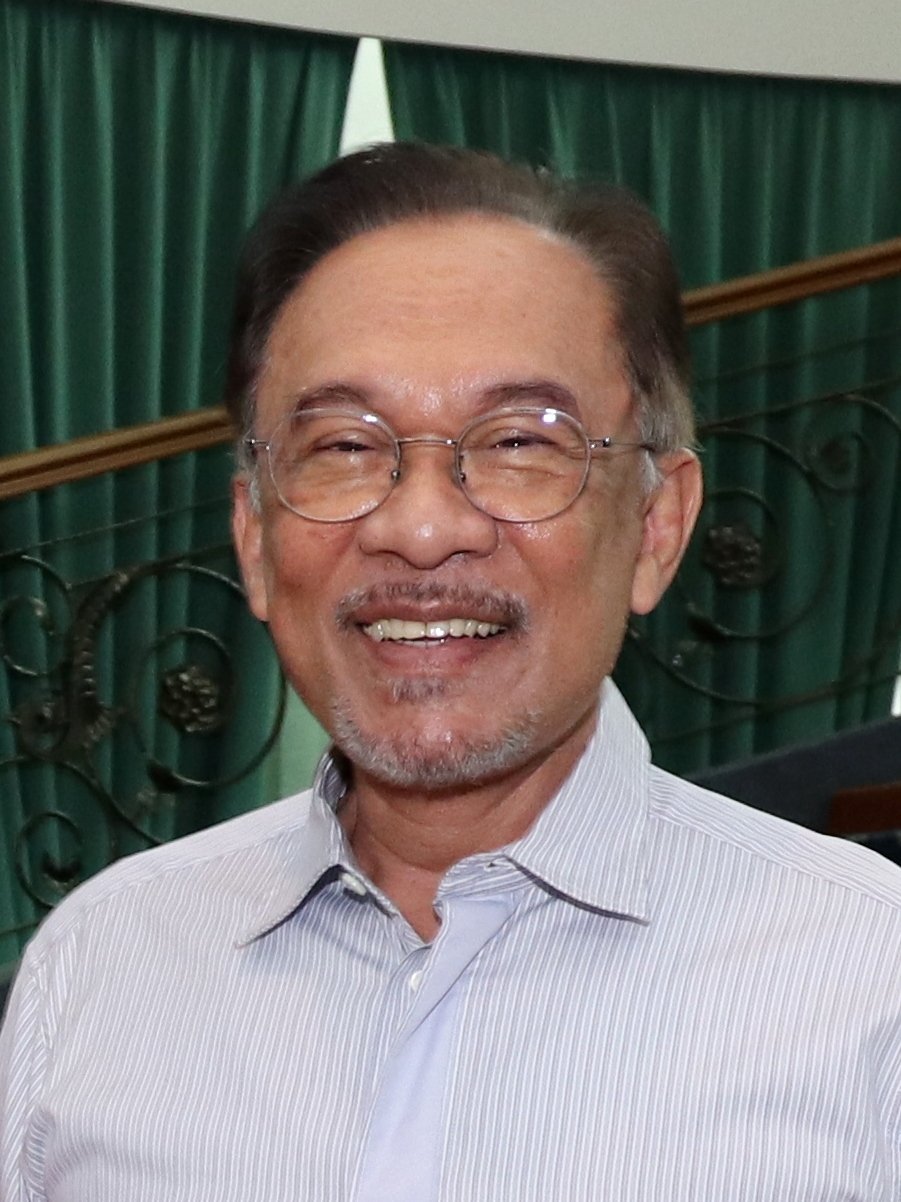 Malaysia · Politics
1947—
Anwar Ibrahim
Tenth Prime Minister of MalaysiaA student activist turned government minister, opposition leader and Malaysia’s tenth prime minister after one of the longest routes to national office.Read biography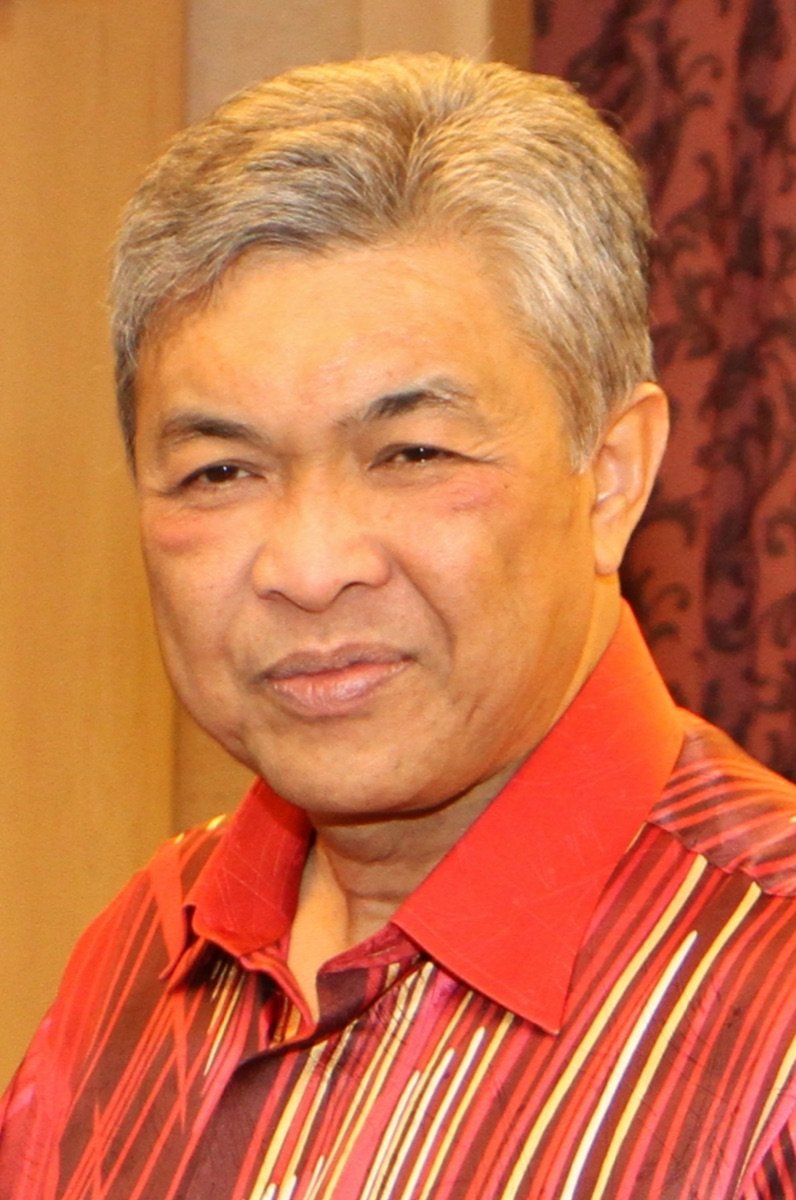 Malaysia · Politics
1953—
Ahmad Zahid Hamidi
Deputy Prime Minister and Minister of Rural and Regional DevelopmentThe UMNO president and Bagan Datuk member of Parliament who returned to the deputy premiership in 2022 after first holding the office from 2015 to 2018.Read biography Malaysia · Politics
1947—
Muhyiddin Yassin
Eighth Prime Minister of MalaysiaA veteran Johor politician who became prime minister after the 2020 coalition crisis and governed through the most disruptive phase of the pandemic.Read biography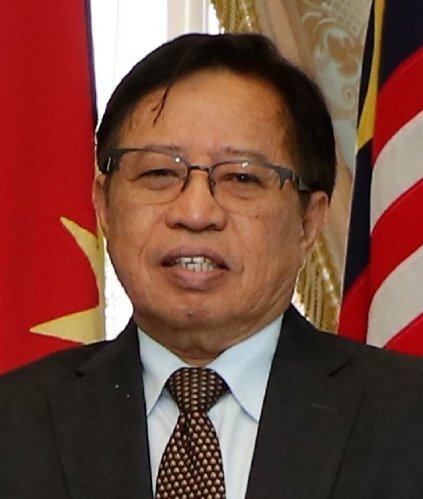 Malaysia · Politics
1950—
Abang Johari Openg
Premier of Sarawak and Chairman of Gabungan Parti SarawakThe long-serving Sarawak politician who succeeded Adenan Satem, formed GPS after GE14 and became the state’s first officeholder styled premier.Read biography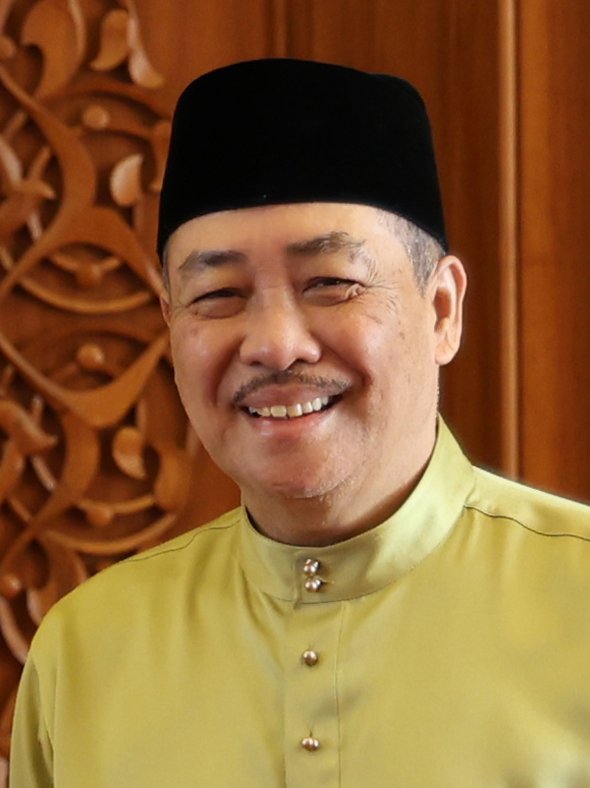 Malaysia · Politics
1955—
Hajiji Noor
Chief Minister of Sabah and Chairman of Gabungan Rakyat SabahThe long-serving Sulaman assemblyman who became Sabah chief minister in 2020 and won a second term at the 2025 state election.Read biographyQuick answers
Common questions
- What are Malaysia’s three main national coalitions?
- Barisan Nasional, Pakatan Harapan and Perikatan Nasional are the three best-known national coalitions in the current competitive era, alongside powerful regional coalitions such as GPS and GRS.
- Is UMNO the same as Barisan Nasional?
- No. UMNO is a political party and the largest component of Barisan Nasional; BN is a coalition that also includes other parties.
- Is PKR the same as Pakatan Harapan?
- No. PKR is one component party. Pakatan Harapan is the coalition formed with DAP and Amanah in its current core structure.
- Is PAS part of Perikatan Nasional?
- PAS remained central to PN’s 2026 campaigning and its chair led the coalition, but PAS ended political cooperation with Bersatu. The later membership dispute and RoS process mean current labels must be read with a date.
- Was Perikatan Nasional deregistered in 2026?
- No. RoS suspended coalition activities during a show-cause process and explicitly said the notice did not cancel PN’s registration.
- Which coalition won GE15?
- No coalition won the 112-seat majority. PH was the largest aligned bloc with 82 seats and later formed government with BN and regional partners; PN won 74 aligned seats and became the principal opposition.
- Are GPS and GRS part of Pakatan Harapan?
- No. They are separate Sarawak- and Sabah-based coalitions. They supported the post-GE15 federal government without becoming PH component parties.
- Can parties cooperate differently in state and federal politics?
- Yes. Malaysian parties may support the same federal government yet contest against one another in a state, or negotiate a state arrangement that does not apply nationally.
- When was this coalition guide last checked?
- Its current-party descriptions were reviewed on 4 October 2026. Historical election totals retain the date and alignment of the election they describe.
Primary and institutional sources
How this history was checked
Election and parliamentary records establish institutional roles and GE15 alignments; coalition, party and BERNAMA records establish dated membership and leadership changes; ISEAS supplies clearly attributed historical analysis. This article was reviewed on 4 October 2026.
- Election Commission of MalaysiaMalaysia’s General Election Journey and Multi-Party System
- Parliament of MalaysiaGovernment and Opposition Parties in the Dewan Rakyat
- Parliament of MalaysiaGE15 Parliamentary Seat Distribution
- ISEAS – Yusof Ishak InstituteRuling Coalitions and Policy Change Since GE14
- BERNAMAPPP Accepted as Barisan Nasional Component Party
- BERNAMAPakatan Harapan Convention and Current Core Leadership
- BERNAMAAhmad Samsuri Appointed Perikatan Nasional Chair
- BERNAMAPAS Ends Political Cooperation With Bersatu
- BERNAMARoS Notice Against PN Is Not Registration Cancellation