
The short answer
The Philippine speakership has crossed colonial rule, Commonwealth reorganisation, Japanese occupation, independence, martial-law closure, parliamentary government and democratic restoration. This timeline includes every presiding officer in that institutional sequence, identifies the periods when no elected House operated and records the September 2025 transition to current Speaker Faustino Dy III.
Chronology
A timeline of the turning points
Sergio Osmeña · first speaker
Led the Philippine Assembly and then the lower house of the Philippine Legislature under United States sovereignty.
Manuel Roxas
Represented Capiz and led the chamber for more than a decade before later becoming the first president of the independent republic.
Quintin Paredes
Completed the final phase of the colonial House before the Commonwealth replaced it with a unicameral National Assembly.
Gil Montilla · National Assembly
Became speaker when the original 1935 Constitution created a unicameral Commonwealth legislature.
Jose Yulo · National Assembly
Led the Second National Assembly until its elected term ended as the Pacific War reached the Philippines.
Benigno Aquino Sr. · occupation-era assembly
Presided over the National Assembly of the Japanese-sponsored Second Philippine Republic, not a freely elected continuation of the Commonwealth House.
Jose Zulueta · restored Commonwealth House
Led the chamber reconvened after liberation and before full Philippine independence.
Eugenio Perez
Became the first speaker of the independent republic and led through the Roxas and Quirino administrations.
Jose Laurel Jr. · first period
Took the chair after the Magsaysay–Nacionalista landslide and later ran for vice-president in 1957.
Daniel Romualdez
Led the House during the final Garcia years and the opening months of the Macapagal administration.
Cornelio Villareal · first period
Organised the Liberal majority and remained speaker through the 1965 presidential transition.
Jose Laurel Jr. · second period
Returned after a Nacionalista-led reorganisation during Ferdinand Marcos’s first presidential term.
Cornelio Villareal · second period and closure
Returned before martial law prevented Congress from meeting in September 1972; the 1973 Constitution formally ended the old bicameral legislature.
No operating elected House
Martial law closed Congress. Presidential decrees replaced ordinary bicameral lawmaking until a new parliamentary body convened.
Querube Makalintal · Interim Batasang Pambansa
The former chief justice became speaker of the parliamentary legislature created under the Marcos constitutional order.
Nicanor Yñiguez · Regular Batasang Pambansa
Led the Regular Batasan until it was dissolved after the February 1986 People Power Revolution.
Revolutionary transition without a House
Corazon Aquino governed under a provisional constitutional order while a commission drafted the 1987 Constitution and new elections were held.
Ramon Mitra Jr. · first restored-House speaker
Led the first lower chamber elected under the 1987 Constitution and managed the coalition supporting President Corazon Aquino.
Jose de Venecia Jr. · five speaker elections
Led during the Ramos administration and returned under Gloria Macapagal Arroyo, becoming the only person elected speaker five times.
Manuel Villar Jr.
Lost the chair after transmitting impeachment charges against President Joseph Estrada to the Senate.
Arnulfo Fuentebella
Led for ten weeks through the Estrada impeachment trial and the EDSA II transfer of presidential power.
Feliciano Belmonte Jr. · two periods
First led after EDSA II, then returned for the full six years of the Benigno Aquino III administration.
Prospero Nograles
Replaced de Venecia and became the first speaker from Mindanao.
Pantaleon Alvarez
Led at the opening of Rodrigo Duterte’s presidency and promoted federalism before a new majority removed him.
Gloria Macapagal Arroyo · first woman speaker
The former president replaced Alvarez shortly before Duterte’s annual address and completed the Seventeenth Congress.
Alan Peter Cayetano
Began a term-sharing arrangement brokered with Lord Allan Velasco and led through the opening months of the COVID-19 emergency.
Lord Allan Velasco
Won the delayed majority contest, had the result ratified in plenary and completed the pandemic-era Eighteenth Congress.
Martin Romualdez
Was elected in the Nineteenth Congress and reelected in July 2025 before resigning during scrutiny of flood-control spending.
Faustino “Bojie” Dy III · current speaker
Won 253 votes after Romualdez stepped down and remained speaker at this page’s 9 September 2026 review.
How did the Philippine speakership begin?
The Philippine Assembly opened on 16 October 1907 as the first nationally elected legislative chamber under United States rule. Its members elected Sergio Osmeña speaker, establishing the principle that the chamber—not voters in a separate national ballot—chooses its presiding officer.
The institution changed names and constitutional forms. It became the lower house of the Philippine Legislature, gave way to the unicameral Commonwealth National Assembly, returned as the House, disappeared under martial law, and was restored by the 1987 Constitution.
Why does this list include National Assembly and Batasan speakers?
A simple House-only list would leave large constitutional gaps unexplained. Gil Montilla and Jose Yulo led the Commonwealth National Assembly; Benigno Aquino Sr. led the assembly of the Japanese-sponsored Second Republic; Querube Makalintal and Nicanor Yñiguez led Marcos-era Batasang bodies.
They are included because official and historical speaker rosters place them in the institutional sequence. The labels remain explicit so readers do not mistake occupation or authoritarian legislatures for the freely elected bicameral House operating today.
How is the current speaker elected?
Article VI, Section 16 of the 1987 Constitution says the House elects its speaker by a majority of all its members. Citizens elect district and party-list representatives, but the chamber chooses its own presiding officer when a Congress organises.
The same majority can reorganise leadership between elections. Villar, de Venecia, Alvarez and Cayetano all left the chair before their Congress ended, showing that political agreements never replace the need to retain support inside the House.
What does the speaker do?
The speaker presides over sessions, maintains order, signs measures and appoints or influences committee assignments under House rules. The office also represents the chamber in negotiations with the Senate, president and other institutions.
Because the House initiates appropriations and taxation measures, majority control gives the speaker important agenda power over budgets and executive priorities. Formal authority nevertheless remains constrained by chamber votes, constitutional procedure and judicial review.
Why did leadership change three times in 2000–2001?
Manny Villar transmitted impeachment articles against Joseph Estrada in November 2000 and lost the speakership to Estrada ally Arnulfo Fuentebella. The Senate trial then collapsed into EDSA II, and Gloria Macapagal Arroyo assumed the presidency on 20 January 2001.
Four days later, a new House majority elected Feliciano Belmonte Jr. The sequence demonstrates how impeachment, street mobilisation and presidential succession can rapidly reorganise a chamber even while the same elected representatives remain in office.
What changed in the 2016–2025 speakerships?
Pantaleon Alvarez’s 2018 removal, the Cayetano–Velasco term-sharing dispute and Martin Romualdez’s 2025 resignation each turned on majority confidence. All three also unfolded within coalitions closely aligned with the sitting president.
Faustino Dy III became speaker on 17 September 2025 after Romualdez said an independent infrastructure inquiry should proceed without influence from top House leaders. Official House records still identified Dy as speaker in September 2026.
Continue the chronology
Related history guides
Restored-House Speakers: Biography Archive
Open all twelve biographies from Ramon Mitra Jr. through Faustino Dy III.
Read the timeline1986–1987The 1987 Philippine Constitution
Read the charter that restored bicameral Congress and defines election of the speaker.
Read the timelineJanuary 2001EDSA II and Presidential Succession
Follow the national crisis that moved House leadership from Villar to Fuentebella to Belmonte.
Read the timeline1972–1986The Martial Law Era
Place the closure of Congress and the later Batasang bodies in their authoritarian setting.
Read the timelineFebruary 1986The People Power Revolution
See how the Marcos legislature ended and constitutional reconstruction began.
Read the timeline1916–presentSenate Presidents of the Philippines
Compare leadership changes and constitutional interruptions in the upper chamber.
Read the timelineConnected biographies
Twenty House and assembly leaders with biographies
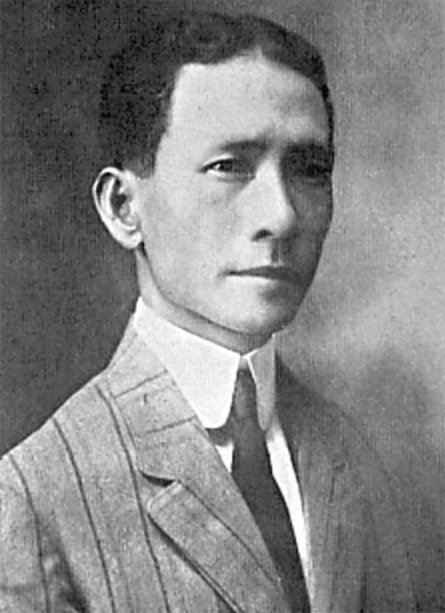
1878—1961
Sergio Osmeña
President of the Commonwealth of the PhilippinesA Cebu statesman who succeeded Manuel Quezon in exile and led the Commonwealth government during the liberation of the Philippines.Read biography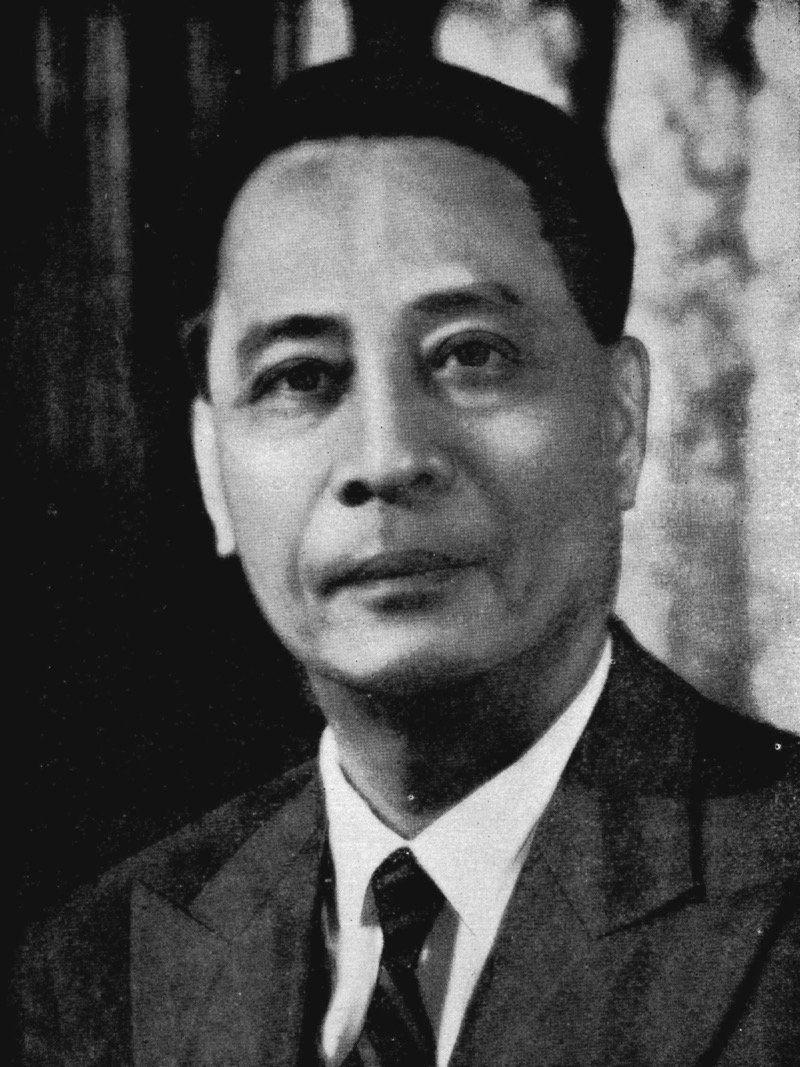
1892—1948
Manuel Roxas
Last Commonwealth president and first president of the independent Third RepublicThe final Commonwealth president who became the first leader of the independent Third Republic and confronted postwar reconstruction.Read biography
1884—1973
Quintin Paredes
Senate president, justice secretary and diplomatThe Abra lawyer whose legal service, independence negotiations and Commonwealth representation preceded a brief Senate presidency in 1952.Read biography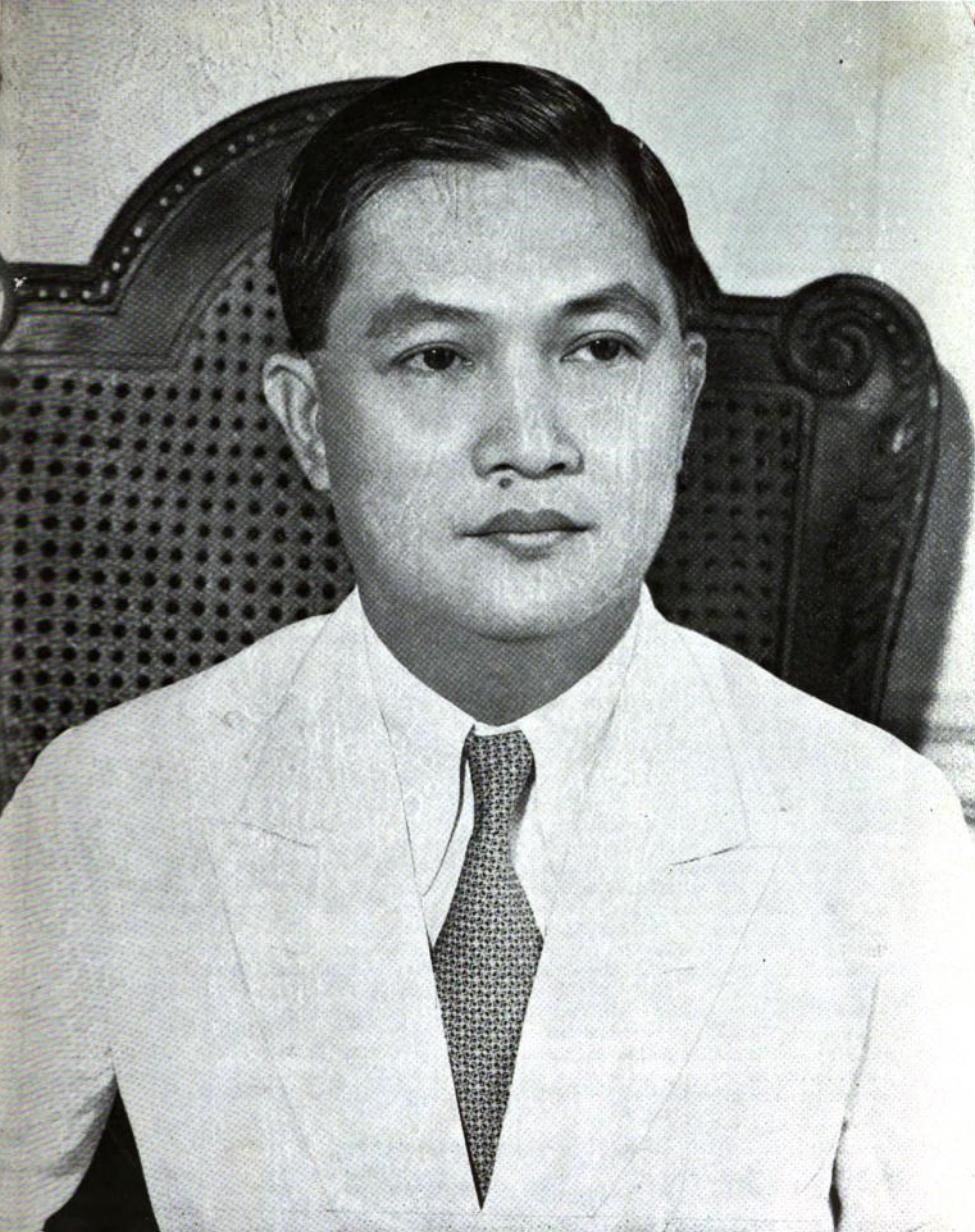
1894—1976
Jose Yulo
National Assembly speaker, justice secretary and chief justiceA lawyer and legislator who served as justice secretary, National Assembly speaker and wartime chief justice before twice joining a national election ticket.Read biography
1894—1947
Benigno Aquino Sr.
Legislator, cabinet secretary and occupation-era assembly speakerA prewar representative, senator and agriculture secretary who became KALIBAPI director-general and assembly speaker during Japanese occupation.Read biography
1889—1972
Jose Zulueta
House speaker, interior secretary and Senate presidentThe Iloilo politician whose career crossed the House, interior department, Senate and provincial government, distinct from the earlier historian José Clemente Zulueta.Read biography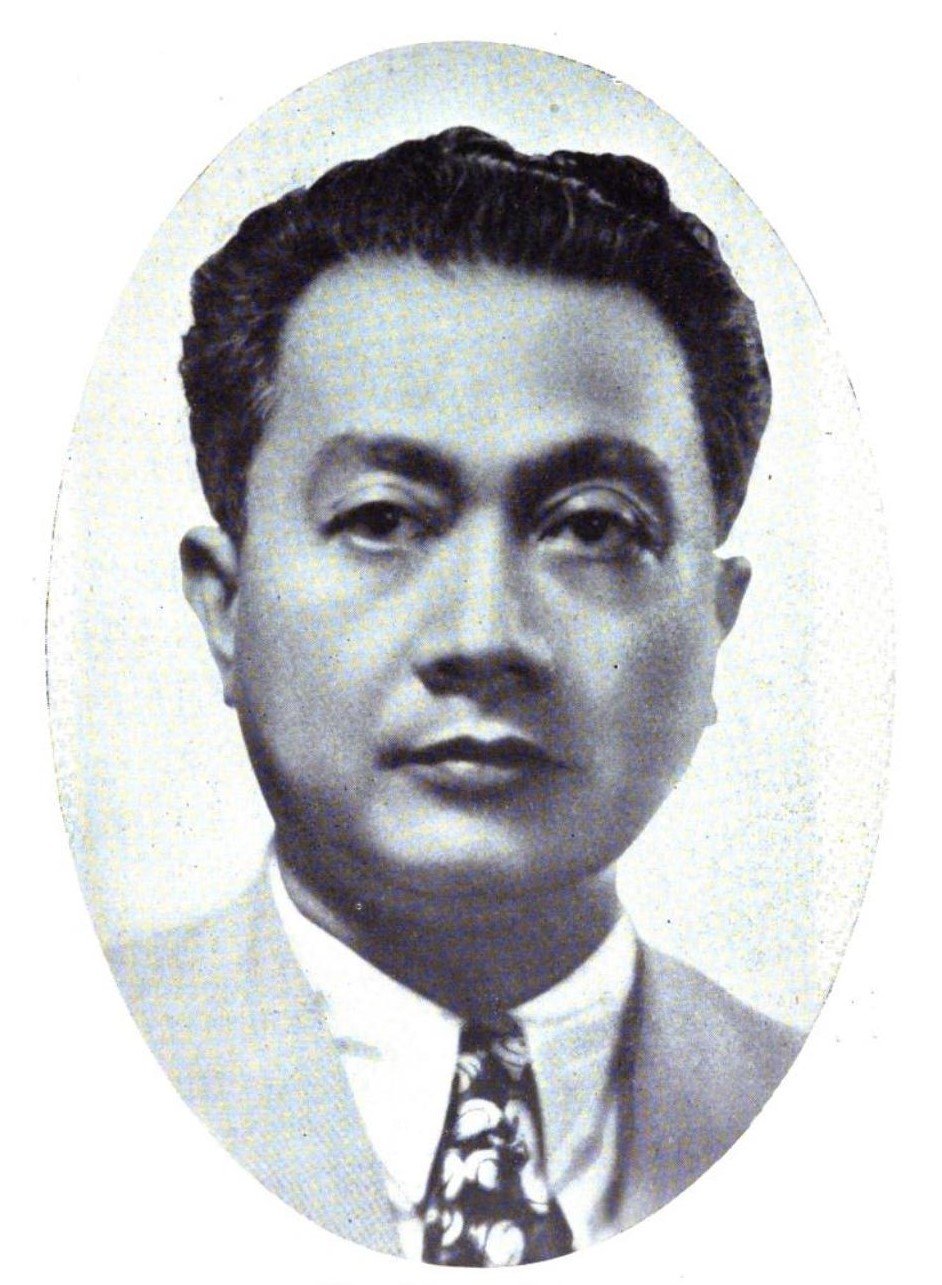
1896—1957
Eugenio Perez
First House speaker of the independent Philippine RepublicA Pangasinan lawyer and Liberal Party leader who became the first speaker of the House after Philippine independence.Read biography
1912—1998
Jose Laurel Jr.
Three-time elected House speaker and constitutional commissionerA Batangas legislator, Nacionalista leader and son of President Jose P. Laurel who was elected speaker three times across two periods.Read biography
1928—2000
Ramon Mitra Jr.
Senator, agriculture secretary and first post-EDSA House speakerA Palawan lawyer, diplomat and opposition politician who became agriculture secretary, speaker of the restored House and a 1992 presidential candidate.Read biography
1936—2026
Jose de Venecia Jr.
Five-term House speaker and presidential candidateA journalist, diplomat and legislator who served five terms as Speaker of the House, built broad governing coalitions and finished second in the 1998 presidential election.Read biography
1949—
Manuel Villar Jr.
Housing entrepreneur and former leader of both houses of CongressA Tondo-born accountant and property entrepreneur whose business career preceded leadership in both chambers of Congress and a third-place presidential result in 2010.Read biography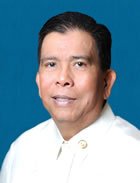
1945—2020
Arnulfo Fuentebella
Lawyer, Batasang member and House speaker during the Estrada crisisA long-serving Camarines Sur legislator who held the speakership for ten weeks between Manny Villar and Feliciano Belmonte Jr.Read biography
1936—
Feliciano Belmonte Jr.
Two-time House speaker and former Quezon City mayorA lawyer, national administrator and Quezon City mayor who served as speaker in 2001 and again from 2010 to 2016.Read biography
1947—2019
Prospero Nograles
Lawyer and first House speaker from MindanaoA Davao City lawyer and five-term representative who replaced Jose de Venecia Jr. and became the first speaker from Mindanao.Read biography
1958—
Pantaleon Alvarez
Lawyer, transport secretary and former House speakerA former Davao del Norte representative and transport secretary who led the House in 2016–2018 and later contested the provincial vice-governorship.Read biography
1947—
Gloria Macapagal Arroyo
President of the Philippines, 2001–2010The economist, senator and vice president who led the Philippines from 2001 to 2010 and later returned to Congress as a Pampanga representative.Read biography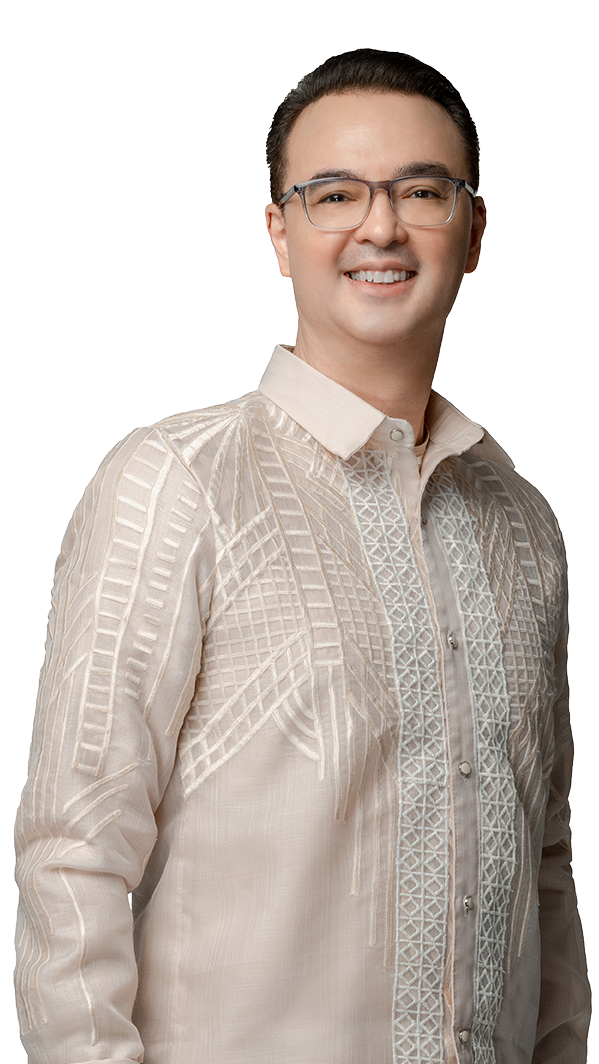
1970—
Alan Peter Cayetano
Lawyer, senator, former foreign secretary and House speakerA Taguig lawyer and legislator who served as foreign secretary, House speaker and briefly Senate president during the 2026 leadership dispute.Read biography
1977—
Lord Allan Velasco
Lawyer and former House speaker from MarinduqueThe Marinduque lawyer who became House speaker during the COVID-19 pandemic after a prolonged leadership contest with Alan Peter Cayetano.Read biography
1963—
Martin Romualdez
Leyte representative and former House speakerA lawyer, business executive and Leyte representative who served as majority leader before becoming speaker in 2022.Read biography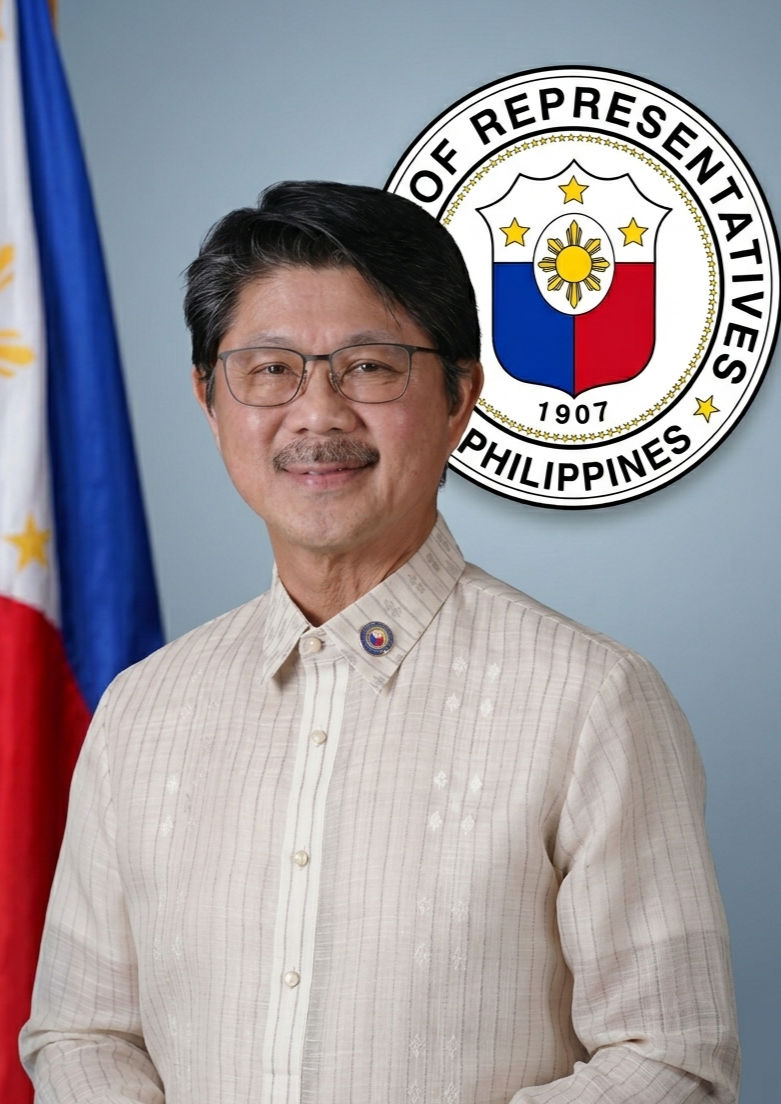
1961—
Faustino “Bojie” Dy III
Speaker of the House and former governor of IsabelaAn Isabela politician who rose from youth and barangay posts to mayor, representative, governor, vice-governor and speaker of the Twentieth Congress.Read biographyQuick answers
Common questions
- Who was the first speaker of the Philippine House?
- Sergio Osmeña became the first speaker when the Philippine Assembly opened on 16 October 1907.
- Who is the current speaker of the Philippine House?
- Faustino “Bojie” Dy III was elected on 17 September 2025 and remained speaker when this page was reviewed on 9 September 2026.
- Who served the most terms as speaker?
- Jose de Venecia Jr. is the only person elected speaker five times, across two broad periods from 1992 to 1998 and 2001 to 2008.
- Who was the first woman speaker of the Philippines?
- Gloria Macapagal Arroyo became the first woman elected speaker on 23 July 2018.
- Was there a Philippine House during martial law?
- The elected bicameral Congress was prevented from meeting after martial law in September 1972. An Interim Batasang Pambansa convened in 1978 under a different parliamentary and authoritarian constitutional order.
- Can the House replace its speaker between elections?
- Yes. The speaker depends on majority support inside the chamber, and representatives may elect a replacement without a national general election.
Primary and institutional sources
How this history was checked
Dates, legal milestones and historical claims are checked against the official and institutional records below. This article was reviewed on 9 September 2026.
- House of Representatives of the PhilippinesCurrent House leaders and speaker
- House of Representatives of the PhilippinesRoster of Philippine legislators, 1907–2019
- House of Representatives Reference LibrarianHistorical roster of House officials and members
- The LawPhil Project1987 Constitution — Article VI on the legislature
- House of Representatives of the PhilippinesRomualdez resignation and Dy election addresses
- House of Representatives of the PhilippinesFaustino Dy III elected speaker on 17 September 2025
- House of Representatives of the PhilippinesCurrent House record naming Dy as speaker, September 2026