
The short answer
Black May was the violent climax of Thailand’s attempt to convert a 1991 coup into a post-election government led by army commander Suchinda Kraprayoon. Chamlong Srimuang became the most visible protest leader, but a much wider coalition sustained the challenge. At least fifty-two people died before a civilian transition resumed.
Chronology
A timeline of the turning points
The military removes Chatichai Choonhavan
The National Peace Keeping Council seized power, repealed the constitution and ended an elected coalition government.
Anand Panyarachun becomes interim prime minister
The coup council appointed a civilian cabinet while retaining control of the constitutional and electoral transition.
A new constitution is promulgated
The charter allowed a prime minister who was not an elected MP, leaving open a path for a military leader after the election.
Thailand holds a general election
No party won a majority; a five-party coalition associated with the coup order secured enough House support to nominate Suchinda.
Suchinda Kraprayoon becomes prime minister
The coup leader accepted appointment without standing in the election, breaking expectations that the new premier would be an elected politician.
Chamlong begins a hunger strike
The former Bangkok governor used nonviolent protest to demand Suchinda’s resignation and a constitutional rule requiring an elected prime minister.
A mass march moves toward Government House
A very large crowd left Sanam Luang, encountered police barriers near Phan Fa Bridge and remained in the streets after negotiations failed.
Security forces fire on demonstrators
Troops and police used live ammunition, beat and arrested protesters, restricted reporting and detained Chamlong as casualties mounted.
A televised royal audience opens an exit
King Bhumibol summoned Suchinda and Chamlong, called for an end to confrontation and helped create conditions for their public de-escalation.
Suchinda resigns
The military-backed prime minister left office after seven weeks, while Deputy Prime Minister Meechai Ruchuphan briefly served as caretaker.
Anand returns to lead a transition
The interim government amended political rules, dissolved the House and prepared a second election.
A new election produces a civilian coalition
The Democrat Party won the largest bloc, and Chuan Leekpai became prime minister with support from parties identified with the democracy camp.
Why did the military overthrow Chatichai in 1991?
Chatichai Choonhavan’s elected coalition had helped move Thailand from Prem Tinsulanonda’s semi-democratic order toward government led by parliamentary politicians. Senior officers accused the cabinet of corruption, described ministers as interfering in military affairs and acted amid disputes over command succession. On 23 February 1991, the National Peace Keeping Council seized Chatichai and abolished the constitution.
The coup leaders appointed respected diplomat and business executive Anand Panyarachun rather than governing through a serving general. Anand introduced administrative, economic and transparency measures, but the cabinet’s legal authority still came from a coup. A new constitution and appointed Senate preserved military influence while an election was scheduled to return the lower house.
How did Suchinda become prime minister after an election?
The March 1992 election produced no majority party. Samakkhi Tham and four partners assembled a coalition able to command the House, while Palang Dharma won thirty-two of Bangkok’s thirty-five seats and became the capital’s main opposition force. The constitution did not require the prime minister to be an elected MP.
Coalition leaders nominated army commander and coup leader Suchinda Kraprayoon. He had not stood for election and had earlier created the expectation that he would not take the post. His appointment on 7 April was therefore constitutionally permitted under the coup-era charter but politically explosive. Opponents called it an attempt to turn military seizure into parliamentary legitimacy without direct accountability to voters.
Why did Chamlong lead the protests?
Chamlong Srimuang had recently left the Bangkok governorship after two electoral victories and led the Palang Dharma Party. His austere lifestyle and clean-government reputation gave him moral authority among many urban voters. He demanded Suchinda’s resignation and a constitutional amendment requiring the prime minister to come from the elected House.
A hunger strike drew attention to the campaign, but broader civic networks, students, middle-class office workers, political parties and ordinary Bangkok residents sustained it. Mobile telephones, fax machines and emerging independent media helped organisers work around official control. Calling the movement only Chamlong’s protest would miss the scale and diversity that made the challenge politically decisive.
What happened from 17 to 20 May?
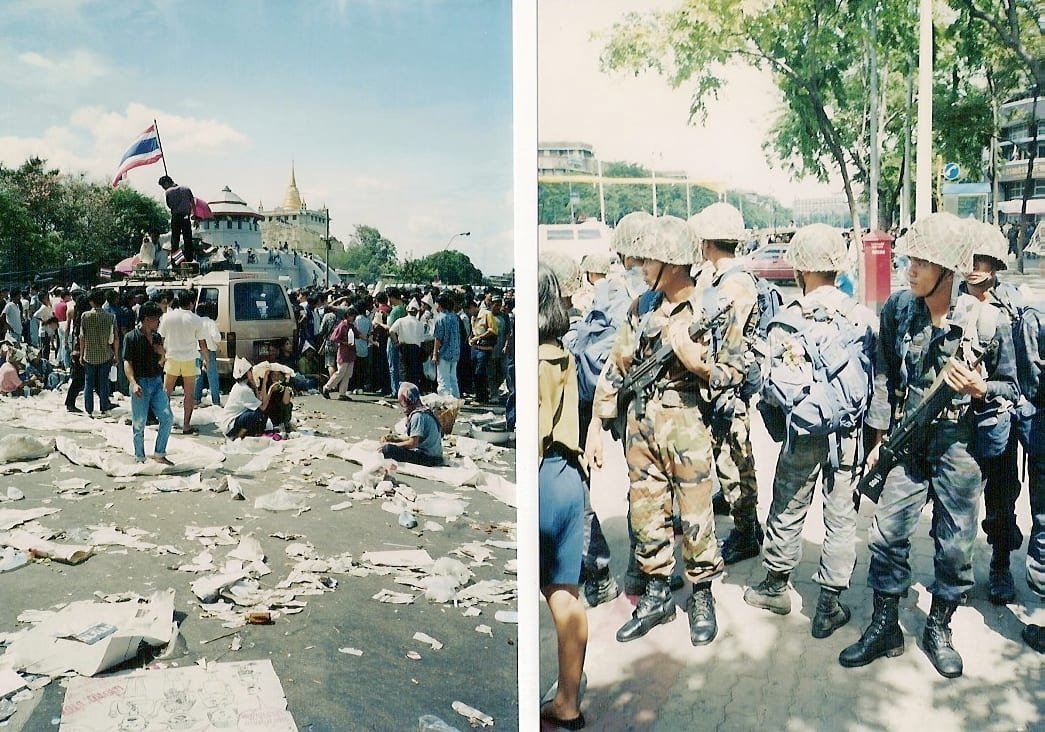
On 17 May, a crowd estimated in the hundreds of thousands gathered at Sanam Luang and began moving toward Government House. Police blocked the route near Phan Fa Bridge. Clashes escalated after nightfall, and military units opened fire with live ammunition as operations continued through the next days. Security personnel beat and detained demonstrators, and authorities restricted broadcast reporting.
Official figures recorded fifty-two deaths, 696 injuries and 175 missing people. Medical volunteers and witnesses believed more people were killed. Amnesty International documented prisoners of conscience, arbitrary arrests and deaths during the demonstrations. The page therefore uses “at least fifty-two” while identifying the official source of the missing-person figure rather than treating every later estimate as equivalent.
Did the royal audience end Black May?
On 20 May, television showed Suchinda and Chamlong kneeling before King Bhumibol, who urged them to stop the confrontation. Chamlong was released, both men appealed for calm and immediate street violence subsided. The scene became one of the reign’s defining images and strengthened public memory of the king as a political mediator.
It is still too simple to say one audience alone ended the crisis. Mass mobilisation had survived lethal force, casualty evidence was spreading, coalition support was weakening and the government had lost legitimacy. The royal intervention provided a face-saving exit within that wider balance of pressure. Suchinda did not resign until 24 May, and constitutional and electoral work still had to convert de-escalation into a civilian transition.
What changed after Black May?
Anand returned as interim prime minister in June. The House was dissolved, political rules were amended and a September election produced a Democrat-led coalition under Chuan Leekpai. For the rest of the 1990s, an elected lower-house mandate became a stronger public expectation for the premiership, contributing to the constitutional reform process that produced the 1997 charter.
Accountability was far weaker. An amnesty shielded the military and other participants from prosecution, and the fate of missing protesters remained unresolved for many families. Later coups in 2006 and 2014 showed that Black May had not removed the armed forces from politics. Its lasting change was normative rather than final: it made the costs of openly converting coup command into unelected premiership visible to a mass urban public.
Continue the chronology
Related history guides
The 1991 Thai Coup
Start with the intervention that removed Chatichai and created the political order behind the 1992 crisis.
Read the timeline22 March 1992The March 1992 Thai General Election
Read the pro-military result and unelected succession that directly preceded the confrontation.
Read the timeline13 September 1992The September 1992 Thai General Election
Continue to the civilian coalition formed after Suchinda’s resignation.
Read the timeline6 October 1976The Thammasat Massacre
Compare an earlier closure of democratic space through massacre and coup.
Read the timeline19 September 2006The 2006 Thai Coup
See why later military intervention avoided immediately installing its commander as prime minister.
Read the timeline1932–presentPrime Ministers of Thailand
Compare Suchinda’s route to office with every officially numbered Thai premier.
Read the timeline1851–todayThailand History Timeline
Place Black May inside the longer history of coups, protest and constitutional change.
Read the timelineConnected biographies
Six biographies connecting the coup, protest movement, royal intervention and civilian transition
 Thailand · Politics
1920—1998
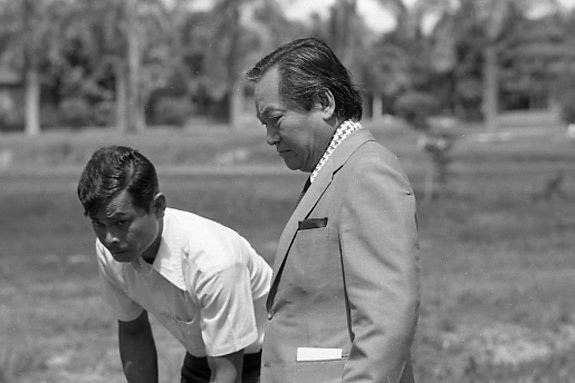
Chatichai Choonhavan
Diplomat, party leader and former prime ministerThe elected prime minister who accelerated economic diplomacy with Indochina and led a booming coalition government until the military removed it in February 1991.Read biography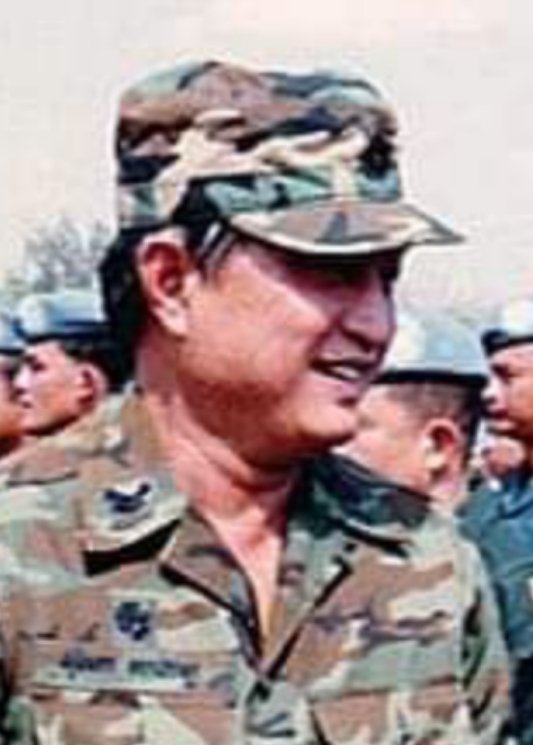 Thailand · Politics
1933—2025
Suchinda Kraprayoon
Army commander, 1991 coup leader and former prime ministerThe army commander who helped lead the 1991 coup, became prime minister without winning a House seat and resigned after the Black May violence of 1992.Read biography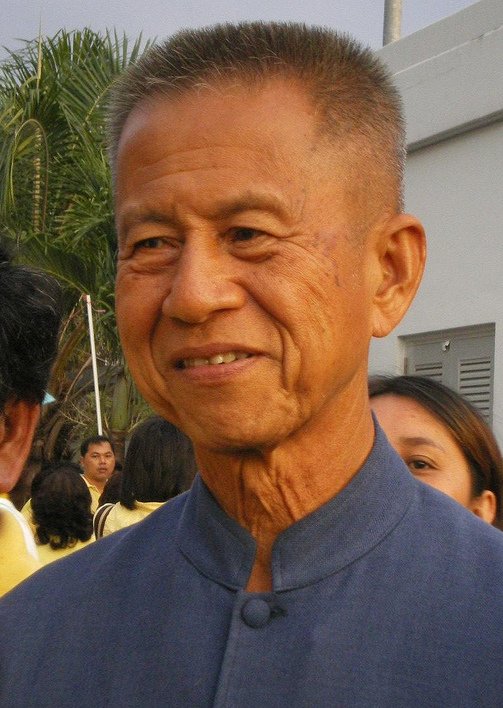 Thailand · Politics
1935—
Chamlong Srimuang
Former Bangkok governor, party leader and democracy activistThe former general and Bangkok governor whose austere public-service image, Palang Dharma movement and Black May leadership made him a major democratic campaigner.Read biography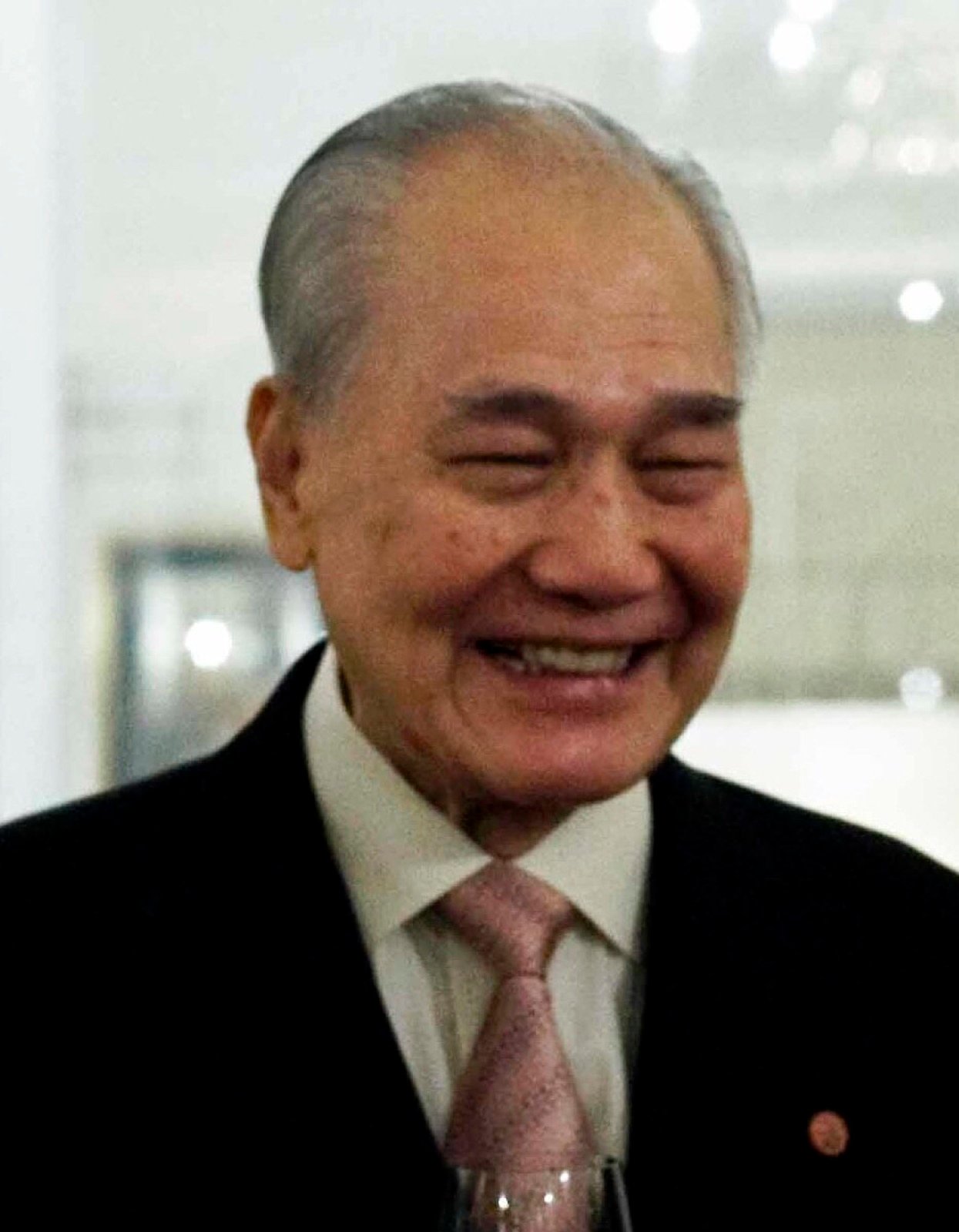 Thailand · Politics
1932—
Anand Panyarachun
Diplomat, business executive and former prime ministerA career diplomat and business leader who headed two appointed governments in 1991 and 1992 and later chaired major national and United Nations reform work.Read biography Thailand · Politics
1927—2016
Bhumibol Adulyadej
King of Thailand, 1946–2016Thailand’s longest-reigning monarch, whose seven decades on the throne spanned rapid development, repeated political crises and profound social change.Read biography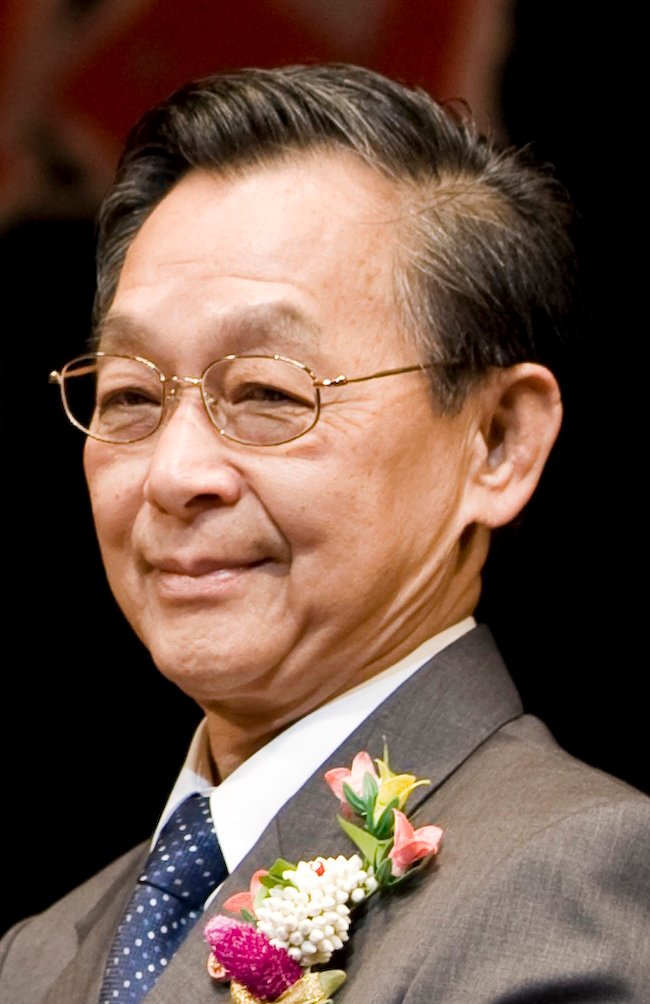 Thailand · Politics
1938—
Chuan Leekpai
20th Prime Minister of Thailand, 1992–1995 and 1997–2001The lawyer and veteran parliamentarian who led Thailand after the 1992 democratic transition and returned during the Asian financial crisis.Read biographyQuick answers
Common questions
- What was Black May in Thailand?
- Black May was the mass protest and military-police crackdown in Bangkok from 17 to 20 May 1992 against coup leader Suchinda Kraprayoon’s unelected premiership.
- Why was Suchinda opposed as prime minister?
- He had helped lead the 1991 coup, did not stand in the March 1992 election and accepted the premiership despite expectations that the post would go to an elected politician.
- Who led the Black May protests?
- Former Bangkok governor Chamlong Srimuang was the most visible leader, but students, civic networks, opposition parties, office workers and many other Bangkok residents sustained the movement.
- How many people died during Black May?
- Official figures recorded 52 deaths, 696 injuries and 175 missing people. Medical volunteers and witnesses believed the true death toll was higher.
- What happened at the televised royal audience?
- King Bhumibol summoned Suchinda and Chamlong on 20 May and urged an end to violence. Their public appeals helped de-escalate the crisis, while wider protest and political pressure continued until Suchinda resigned.
- What government followed Black May?
- Anand Panyarachun returned as interim prime minister in June 1992. A September election then produced a civilian coalition led by Democrat leader Chuan Leekpai.
Primary and institutional sources
How this history was checked
Dates, legal milestones and historical claims are checked against the official and institutional records below. This article was reviewed on 3 October 2026.
- Amnesty InternationalChamlong Srimuang and others arrested or killed during protest demonstrations
- Associated PressFormer Prime Minister Suchinda Kraprayoon dies at 91
- Ramon Magsaysay Award FoundationChamlong Srimuang: 1992 Ramon Magsaysay Awardee
- South East Asia ResearchThe Three Paths of Major-General Chamlong Srimuang
- Secretariat of the Prime Minister of ThailandOfficial directory of prime ministers of Thailand
- Inter-Parliamentary UnionThailand parliamentary election archive, 1992
- Wikimedia CommonsBlack May 1992 photographs and licence record