The short answer
Thailand has had 32 officially numbered prime ministers since constitutional government began in 1932. The sequence includes elected coalition leaders, military rulers, post-coup appointees, interim civilians and premiers selected after court-created vacancies. Anutin Charnvirakul is the current officeholder and retained number 32 when he began a second term in March 2026.
Complete officeholder table
All 32 Thai prime ministers in official order
Thailand numbers people, not separate administrations. A returning officeholder therefore keeps the same number: Plaek Phibunsongkhram, Khuang Aphaiwong, Seni Pramoj, Thanom Kittikachorn, Anand Panyarachun and Chuan Leekpai each appear once below even though they led more than one government. Acting caretakers are discussed separately because the official government directory does not assign them a new number.
| Prime minister | No. | Term(s) | Government path |
|---|---|---|---|
| Phraya Manopakorn Nititada | 1 | Jun 1932–Jun 1933 | Chosen under the new constitutional order |
| Phraya Phahonphonphayuhasena | 2 | Jun 1933–Dec 1938 | Led the June 1933 coup; received appointment |
| Plaek Phibunsongkhram | 3 | Dec 1938–Aug 1944; Apr 1948–Sep 1957 | Assembly choice; returned after the 1947 coup |
| Khuang Aphaiwong | 4 | Aug 1944–Aug 1945; Jan–Mar 1946; Nov 1947–Apr 1948 | Assembly choices; returned after the 1947 coup |
| Tawee Boonyaket | 5 | 31 Aug–17 Sep 1945 | House selection |
| Seni Pramoj | 6 | Sep 1945–Jan 1946; Feb–Mar 1975; Apr–Oct 1976 | House and coalition selections |
| Pridi Banomyong | 7 | Mar–Aug 1946 | House selection |
| Thawan Thamrongnawasawat | 8 | Aug 1946–Nov 1947 | House selection; removed by coup |
| Pote Sarasin | 9 | Sep–Dec 1957 | Appointed after the September 1957 coup |
| Thanom Kittikachorn | 10 | Jan–Oct 1958; Dec 1963–Oct 1973 | Military-backed appointment; later succeeded Sarit |
| Sarit Thanarat | 11 | Feb 1959–Dec 1963 | Coup leader and military ruler |
| Sanya Dharmasakti | 12 | Oct 1973–Feb 1975 | Appointed after the October uprising |
| Kukrit Pramoj | 13 | Mar 1975–Apr 1976 | House coalition |
| Thanin Kraivichien | 14 | Oct 1976–Oct 1977 | Appointed after the October 1976 coup |
| Kriangsak Chamanan | 15 | Nov 1977–Mar 1980 | Appointed after the October 1977 coup |
| Prem Tinsulanonda | 16 | Mar 1980–Aug 1988 | Parliamentary coalition support |
| Chatichai Choonhavan | 17 | Aug 1988–Feb 1991 | Elected House coalition; removed by coup |
| Anand Panyarachun | 18 | Mar 1991–Apr 1992; Jun–Sep 1992 | Post-coup appointment; interim return after Black May |
| Suchinda Kraprayoon | 19 | Apr–May 1992 | Parliamentary selection after coup-era election |
| Chuan Leekpai | 20 | Sep 1992–Jul 1995; Nov 1997–Feb 2001 | House coalitions |
| Banharn Silpa-archa | 21 | Jul 1995–Nov 1996 | House coalition |
| Chavalit Yongchaiyudh | 22 | Nov 1996–Nov 1997 | House coalition |
| Thaksin Shinawatra | 23 | Feb 2001–Sep 2006 | Election victories; removed by coup |
| Surayud Chulanont | 24 | Oct 2006–Jan 2008 | Appointed after the September 2006 coup |
| Samak Sundaravej | 25 | Jan–Sep 2008 | House selection; removed by court |
| Somchai Wongsawat | 26 | Sep–Dec 2008 | House selection; removed by court ruling |
| Abhisit Vejjajiva | 27 | Dec 2008–Aug 2011 | House coalition vote |
| Yingluck Shinawatra | 28 | Aug 2011–May 2014 | Election majority; removed by court |
| Prayut Chan-o-cha | 29 | Aug 2014–Sep 2023 | Post-coup legislature; later parliamentary vote |
| Srettha Thavisin | 30 | Aug 2023–Aug 2024 | House vote; removed by court |
| Paetongtarn Shinawatra | 31 | Aug 2024–Aug 2025 | House vote; removed by court |
| Anutin Charnvirakul | 32 | Sep 2025–present; reappointed Mar 2026 | House votes before and after the 2026 election |
Chronology
A timeline of the turning points
Manopakorn becomes the first prime minister
Four days after the People’s Party ended absolute monarchy, the new constitutional system installed Phraya Manopakorn Nititada as president of the People’s Committee, the office later called prime minister.
The first coup changes the premiership
Phraya Phahon led a military intervention that removed Manopakorn and established a pattern in which force repeatedly reshaped constitutional government.
Phibun leads two separated eras
Plaek Phibunsongkhram governed before and during most of the Second World War, then returned in 1948 after another military realignment.
Short civilian governments follow the war
Khuang, Tawee, Seni, Pridi and Thawan led nine cabinets across four unsettled years before the armed forces restored Phibun.
Sarit and Thanom consolidate military rule
Coups, restricted parties, development policy, U.S. alliance and renewed royal visibility defined a long authoritarian period.
Mass protest ends Thanom’s government
Student-led mobilisation and lethal clashes forced the ruling military group out and brought Sanya Dharmasakti into office.
Coups give way to Prem’s coalition era
The October 1976 and 1977 coups produced Thanin and Kriangsak before Prem combined military standing with parliamentary support for eight years.
Black May forces another civilian transition
Protest and state violence ended Suchinda’s premiership; Anand returned temporarily and Chuan later formed an elected coalition.
The Asian financial crisis changes government
The baht float and recession overwhelmed Chavalit’s coalition, and Chuan returned to lead the crisis response.
Thaksin builds a dominant electoral coalition
Thai Rak Thai won unprecedented mandates around national policy programmes before the military removed Thaksin’s government.
Votes, courts and coalitions produce six premiers
Surayud, Samak, Somchai, Abhisit and Yingluck followed one another through post-coup appointment, elections, party dissolution and judicial removal.
Prayut moves from coup leader to prime minister
The army commander seized power in May and received appointment as prime minister from the junta-selected legislature in August.
Srettha and Paetongtarn each leave after court rulings
Pheu Thai returned to government in 2023, but Constitutional Court decisions ended two successive premierships in August 2024 and August 2025.
Anutin moves from minority premier to an electoral mandate
The House first selected Anutin after Paetongtarn’s removal, then approved him again after Bhumjaithai won the largest number of seats in the February 2026 election.
When was the office of prime minister created?
The premiership began with the constitutional revolution of 24 June 1932. The People’s Party ended absolute monarchy and created a cabinet responsible for administering the state under a written constitution. On 28 June, Phraya Manopakorn Nititada became president of the People’s Committee; the title was later standardised as prime minister.
The new office did not settle where political power would reside. The elected and appointed assembly, military factions, senior officials, political parties, courts, palace and street movements have all shaped who could form or keep a government. A list of names therefore doubles as a chronology of Thailand’s unresolved contest over constitutional authority.
Why have several Thai prime ministers served more than once?
Thailand numbers individuals rather than administrations. Six officially numbered prime ministers returned after leaving office: Phibunsongkhram, Khuang Aphaiwong, Seni Pramoj, Thanom Kittikachorn, Anand Panyarachun and Chuan Leekpai. Each kept the number first assigned to that person, even when a later government followed a coup, election or national crisis.
This convention makes “32 prime ministers” different from “32 governments.” Thailand has had many more cabinets because reshuffles, resignations, elections and constitutional changes can end one council of ministers and begin another under the same prime minister. The table collapses repeated administrations into one row so it matches the government’s official personal sequence.
How have coups affected the premiership?
Military intervention began only a year after the 1932 revolution and became a recurring route to executive power. Coups directly removed governments in 1933, 1947, 1957, 1958, 1976, 1977, 1991, 2006 and 2014, while other unsuccessful attempts still changed political alignments. Some coup leaders became prime minister themselves; others installed civilian or retired-military figures.
Formal appointment after a coup did not erase the origin of the transition. Sarit, Thanom and Prayut exercised authority through military seizures before holding the prime-ministerial title, while Pote, Thanin, Kriangsak, Anand and Surayud entered office in political orders created by coups. The list therefore distinguishes an appointment’s legal form from the coercive event that made it possible.
When did elected coalition government become the norm?
Parliamentary selection existed from the first constitutional period, but controlled assemblies and military power repeatedly limited competition. From the late 1980s and especially after Black May in 1992, an elected lower-house mandate became a stronger public expectation. Chatichai, Chuan, Banharn and Chavalit each led multi-party coalitions, exposing both the legitimacy and instability of negotiated parliamentary government.
The 1997 Constitution strengthened parties and executive stability. Thaksin then built the first party to complete a full elected term and win re-election with an absolute majority. That concentration of electoral power generated ambitious national programmes as well as conflict over corruption, checks and balances and the relationship between majority rule and unelected institutions.
How have courts changed recent prime-ministerial succession?
Constitutional Court rulings ended Samak Sundaravej’s premiership in 2008, dissolved the ruling party during Somchai Wongsawat’s government later that year, removed Yingluck Shinawatra in 2014 and dismissed Srettha Thavisin in 2024. In August 2025, the Court ruled that Paetongtarn Shinawatra’s ministerial office had terminated following an ethics case arising from a leaked call with Cambodia’s Senate president.
These decisions applied different constitutional provisions, so they should not be treated as one identical mechanism. Together, however, they show that Thai succession cannot be understood from election results alone. Candidate eligibility, ministerial ethics, party-dissolution law and judicial review can all determine which parliamentary coalition receives the next opportunity to nominate a premier.
How is Thailand’s prime minister selected today?
Under sections 158 and 159 of the 2017 Constitution, the King appoints a prime minister approved by the House of Representatives. Political parties submit prime-ministerial candidates before an election, and the House normally chooses from those lists. A prime minister may hold office for no more than eight years in total, whether or not the service is consecutive.
A transitional rule allowed the military-appointed Senate to vote jointly with the House on premiers after the 2019 and 2023 elections, but that special role expired. The House alone selected Anutin in September 2025 and again in March 2026. That change matters when comparing the path to office of Prayut and Srettha with the latest parliamentary votes.
Who is the current prime minister of Thailand?
As reviewed on 3 October 2026, Anutin Charnvirakul is Thailand’s current and 32nd prime minister. The House first selected him in September 2025 after Paetongtarn’s removal. His minority government promised an early election, and the Bhumjaithai Party subsequently won the largest number of House seats in the 8 February 2026 poll.
The House approved Anutin for a second premiership on 19 March 2026. This did not make him the 33rd prime minister: official numbering follows unique individuals, so both administrations belong to the tenure of the 32nd officeholder. The latest status is checked against the Royal Thai Government’s current cabinet page and official prime-ministerial directory.
Continue the chronology
Related history guides
Thailand History Timeline
Place every premiership inside royal reform, constitutional revolution, popular uprisings and modern electoral conflict.
Read the timelineForty-three biographiesThai Political Turning Points
Compare prime ministers, monarchs, economists and reformers across the institutions that shaped modern Thai politics.
Read the timeline24 June 1932The Siamese Revolution
See how the end of absolute monarchy created the constitutional system and first premiership.
Read the timeline1941–1945The Free Thai Movement
Connect Phibun’s wartime government to Khuang, Seni, Pridi and the postwar cabinet transition.
Read the timeline8 November 1947The 1947 Thai Coup
Follow Thawan’s removal, Khuang’s appointment and Phibun’s return to office in April 1948.
Read the timeline26–27 February 1949The 1949 Palace Rebellion
Continue from Phibun’s return into Pridi’s failed counter-coup and permanent exile.
Read the timeline20 June 1968The 1968 Constitution of Thailand
Examine the constitutional structure under which Thanom remained prime minister.
Read the timeline10 February 1969The 1969 Thai General Election
Follow the election that returned Thanom to government without giving his party a House majority.
Read the timeline17 November 1971Thanom’s 1971 Self-Coup
See how an incumbent premier abolished the constitutional institutions of his own government.
Read the timeline6–14 October 1973The Thai Popular Uprising
Follow the mobilisation that ended Thanom’s government and brought Sanya into office.
Read the timeline7 October 1974The 1974 Constitution of Thailand
Connect Sanya’s transition to the constitutional system inherited by Seni and Kukrit.
Read the timeline26 January 1975The 1975 Thai General Election
Connect Sanya’s transition to Seni’s minority cabinet, Kukrit’s coalition and the 1976 return to the polls.
Read the timeline4 April 1976The 1976 Thai General Election
Follow Seni’s return with a stronger Democrat plurality and broad coalition.
Read the timeline19 September 1976Thanom’s Return to Thailand
Read the crisis that divided Seni’s cabinet and preceded the 6 October coup.
Read the timeline6 October 1976The Thammasat Massacre
Connect the collapse of the democratic opening to the governments that followed.
Read the timeline20 October 1977The 1977 Thai Coup
Follow Thanin’s removal, Kriangsak’s appointment and the controlled return to elections.
Read the timeline22 December 1978The 1978 Constitution of Thailand
Read the framework that restored an elected House while preserving an appointed Senate and military influence.
Read the timeline22 April 1979The 1979 Thai General Election
Follow the fragmented result through Kriangsak’s final government and Prem’s succession.
Read the timeline23 April 1980Order 66/2523 and the Prem Era
Connect Prem’s accession to the political strategy that reshaped counterinsurgency and reintegration.
Read the timeline1–3 April 1981The 1981 Young Turks Coup Attempt
See how Prem survived a military challenge and consolidated the coalition behind his premiership.
Read the timeline18 April 1983The 1983 Thai General Election
Follow the constitutional confrontation and coalition that retained Prem outside party competition.
Read the timeline9 September 1985The 1985 Thai Coup Attempt
Read the one-day military challenge that Prem survived while abroad.
Read the timeline27 July 1986The 1986 Thai General Election
Connect the Democrat plurality to Prem’s final four-party government.
Read the timeline24 July 1988The 1988 Thai General Election
Trace Prem’s decision to step aside and Chatichai’s elected succession.
Read the timeline23 February 1991The 1991 Thai Coup
Connect Chatichai’s removal to Anand’s interim cabinet, Suchinda’s succession and Black May.
Read the timeline22 March 1992The March 1992 Thai General Election
Connect the post-coup House result to Suchinda’s unelected premiership.
Read the timeline17–20 May 1992Black May 1992
Follow the protest crisis that ended Suchinda’s premiership and returned Anand temporarily.
Read the timeline13 September 1992The September 1992 Thai General Election
Follow Chuan’s election victory and 207-seat civilian coalition.
Read the timeline2 July 1995The 1995 Thai General Election
Trace Banharn’s Chart Thai victory and seven-party premiership.
Read the timeline17 November 1996The 1996 Thai General Election
Read the narrow result that brought Chavalit to office.
Read the timeline11 October 1997The 1997 Constitution of Thailand
See how reformers redesigned elections, oversight and government stability.
Read the timeline1997–1999The Asian Financial Crisis in Thailand
Trace the economic shock that ended Chavalit’s government and returned Chuan to the premiership.
Read the timeline6 January 2001The 2001 Thai General Election
Follow Chuan’s defeat, Thai Rak Thai’s breakthrough and Thaksin’s election as prime minister.
Read the timeline2001–2005Thaksin’s First Government
Connect the premiership to universal coverage, village funds, growth and rights controversies.
Read the timeline6 February 2005The 2005 Thai General Election
Read the result that gave Thaksin a second term and a 377-seat single-party majority.
Read the timeline19 September 2006The 2006 Thai Coup
Follow the removal of Thaksin, appointment of Surayud and post-coup constitutional transition.
Read the timelineJanuary–December 2008The 2008 Thai Political Crisis
Connect the Samak and Somchai governments to court rulings, protest occupations and Abhisit’s coalition.
Read the timelineMarch–May 2010The 2010 Thai Red Shirt Protests
Examine the conflict that defined Abhisit’s premiership and shaped the 2011 election.
Read the timelineNovember 2013–May 2014The 2013–2014 Thai Political Crisis
Connect Yingluck’s caretaker government to protest, election breakdown and institutional deadlock.
Read the timeline7 May 2014Yingluck Shinawatra’s Removal
Examine the constitutional ruling that ended her ministerial office and removed nine other ministers.
Read the timeline22 May 2014The 2014 Thai Coup
Connect Yingluck’s court removal, the caretaker cabinet and Prayut’s military takeover.
Read the timeline24 March 2019The 2019 Thai General Election
Connect the first post-coup House election and joint parliamentary vote to Prayut’s civilian premiership.
Read the timeline14 May 2023The 2023 Thai General Election
Connect Prayut’s outgoing government, Pita’s failed vote and Srettha’s coalition premiership.
Read the timeline8 February 2026The 2026 Thai General Election
Connect Bhumjaithai’s first-place result and coalition majority to Anutin’s second appointment.
Read the timelineConnected biographies
Twenty-nine Thai prime ministers with full biographies in the archive
 Thailand · Politics
1900—1983
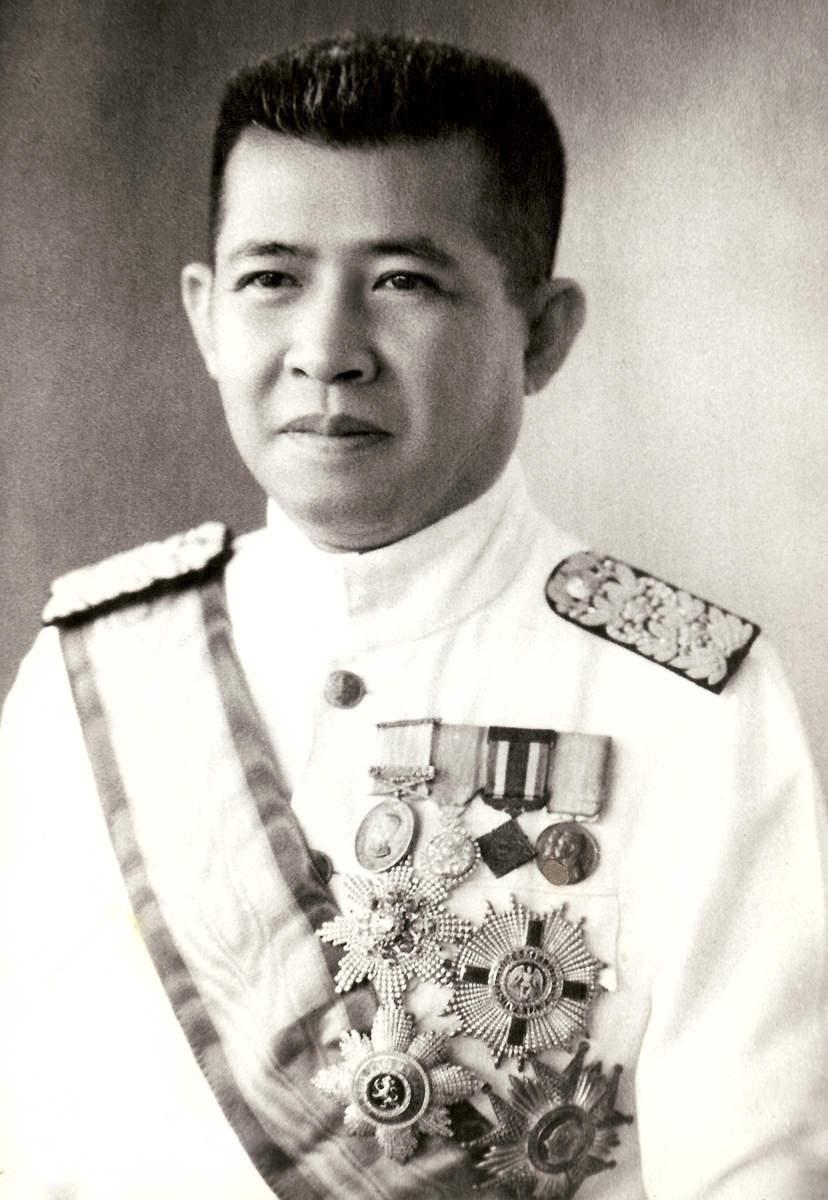
Pridi Banomyong
Statesman, jurist and prime ministerA jurist and statesman who helped end absolute monarchy, founded Thammasat University and led the civilian Free Thai resistance during the Second World War.Read biography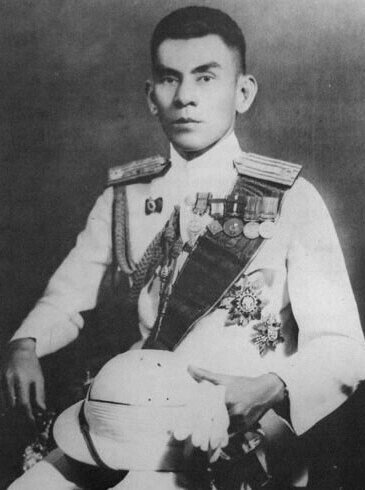 Thailand · Politics
1901—1988
Thawan Thamrongnawasawat
8th Prime Minister of Thailand and naval officerA naval officer, lawyer and People’s Party member who became prime minister during Thailand’s unstable postwar transition and was removed by the 1947 coup.Read biography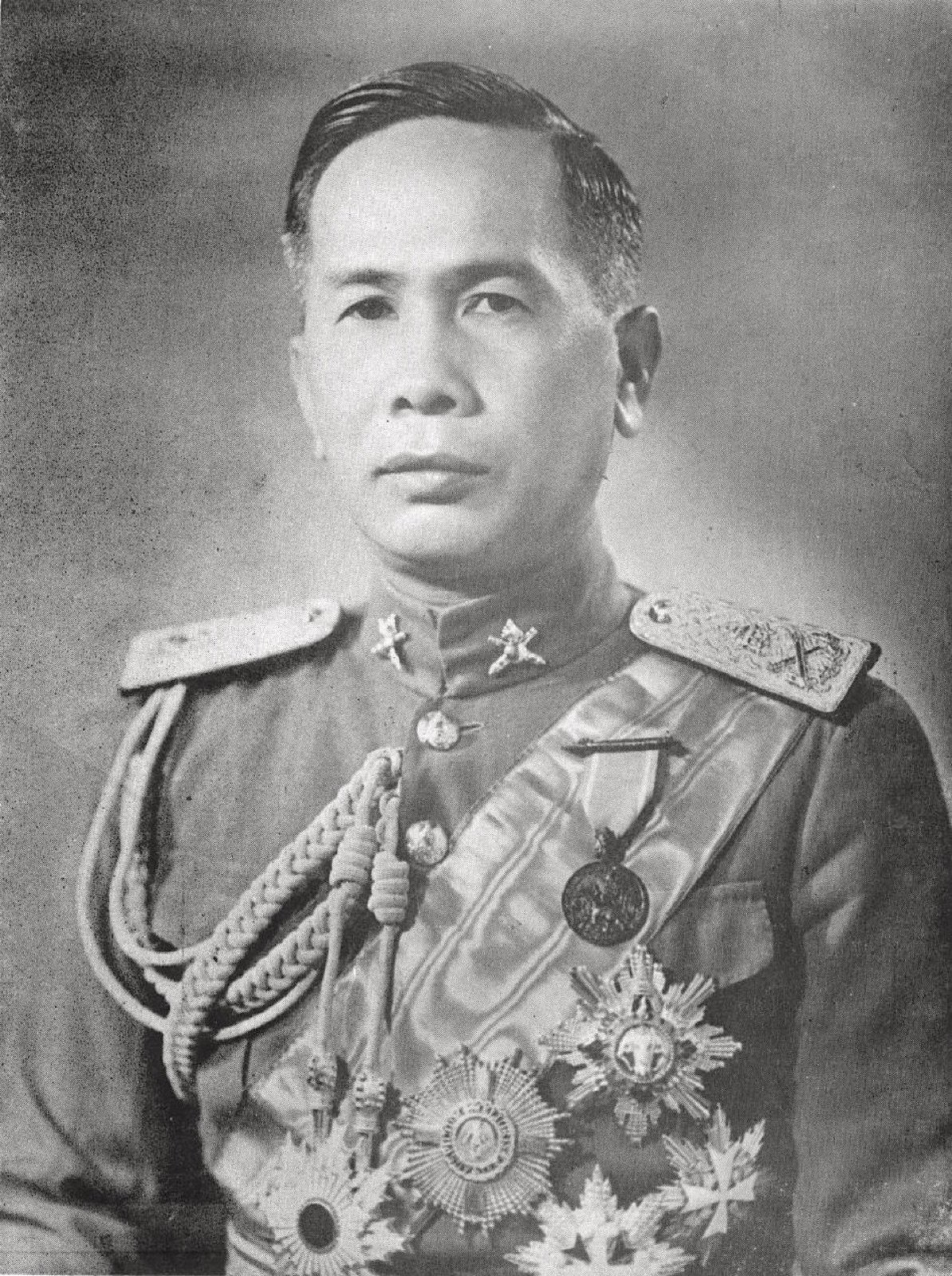 Thailand · Politics
1897—1964
Plaek Phibunsongkhram
Military officer and prime minister of ThailandA military leader of the 1932 revolution who twice served as prime minister and used state power to promote nationalism, social mandates and a new name for the country.Read biography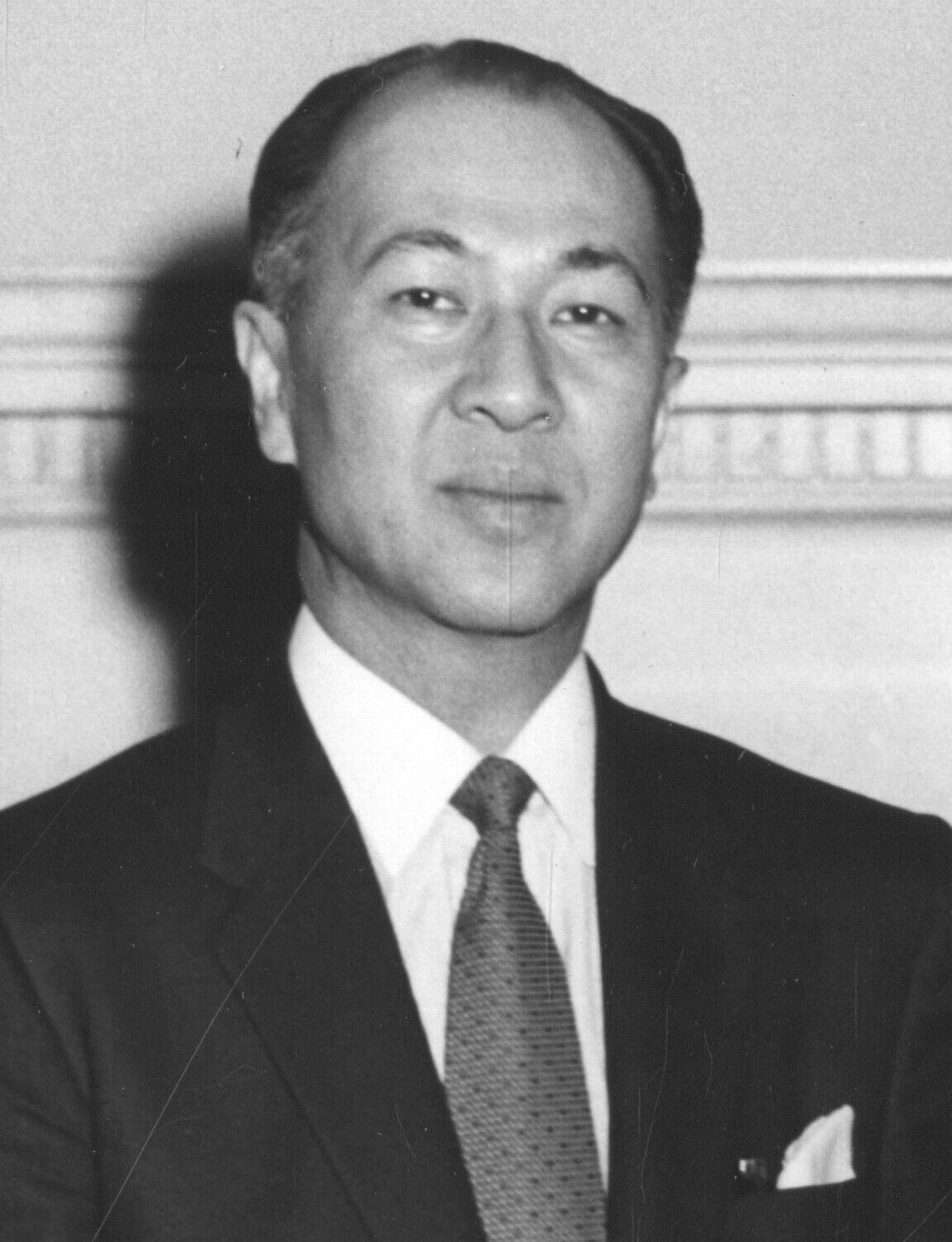 Thailand · Politics
1905—2000
Pote Sarasin
Diplomat, interim prime minister and SEATO secretary-generalA lawyer and diplomat who served briefly as prime minister after Sarit’s 1957 coup, supervised a return to elections and became SEATO’s first secretary-general.Read biography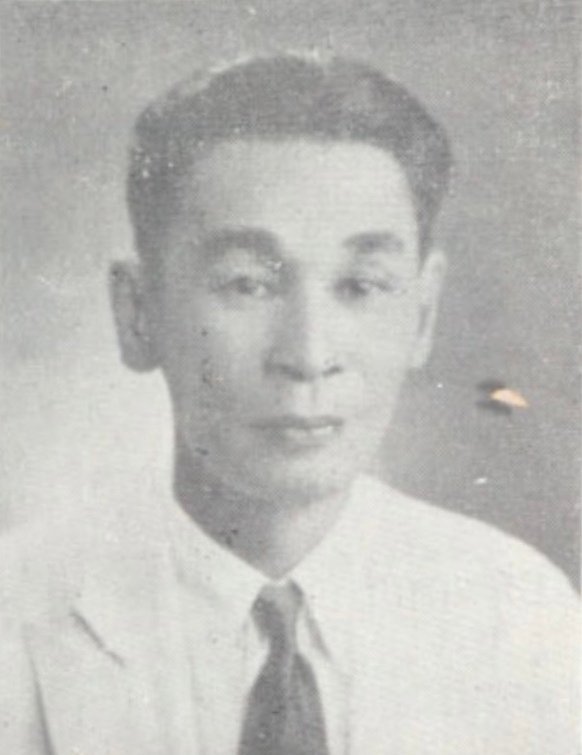 Thailand · Politics
1902—1968
Khuang Aphaiwong
4th Prime Minister of Thailand and Democrat Party founderThe engineer and People’s Party veteran who led a wartime transition, served three periods as prime minister and became the first leader of Thailand’s Democrat Party.Read biography Thailand · Politics
1908—1963
Sarit Thanarat
Military ruler and prime minister of ThailandA field marshal who displaced Phibun, abolished constitutional politics and paired coercive rule with development planning and a close United States alliance.Read biography Thailand · Politics
1911—2004
Thanom Kittikachorn
Military officer and prime minister of ThailandA field marshal whose governments deepened Thailand’s Cold War alliance and whose self-coup and continued military rule provoked the mass movement of October 1973.Read biography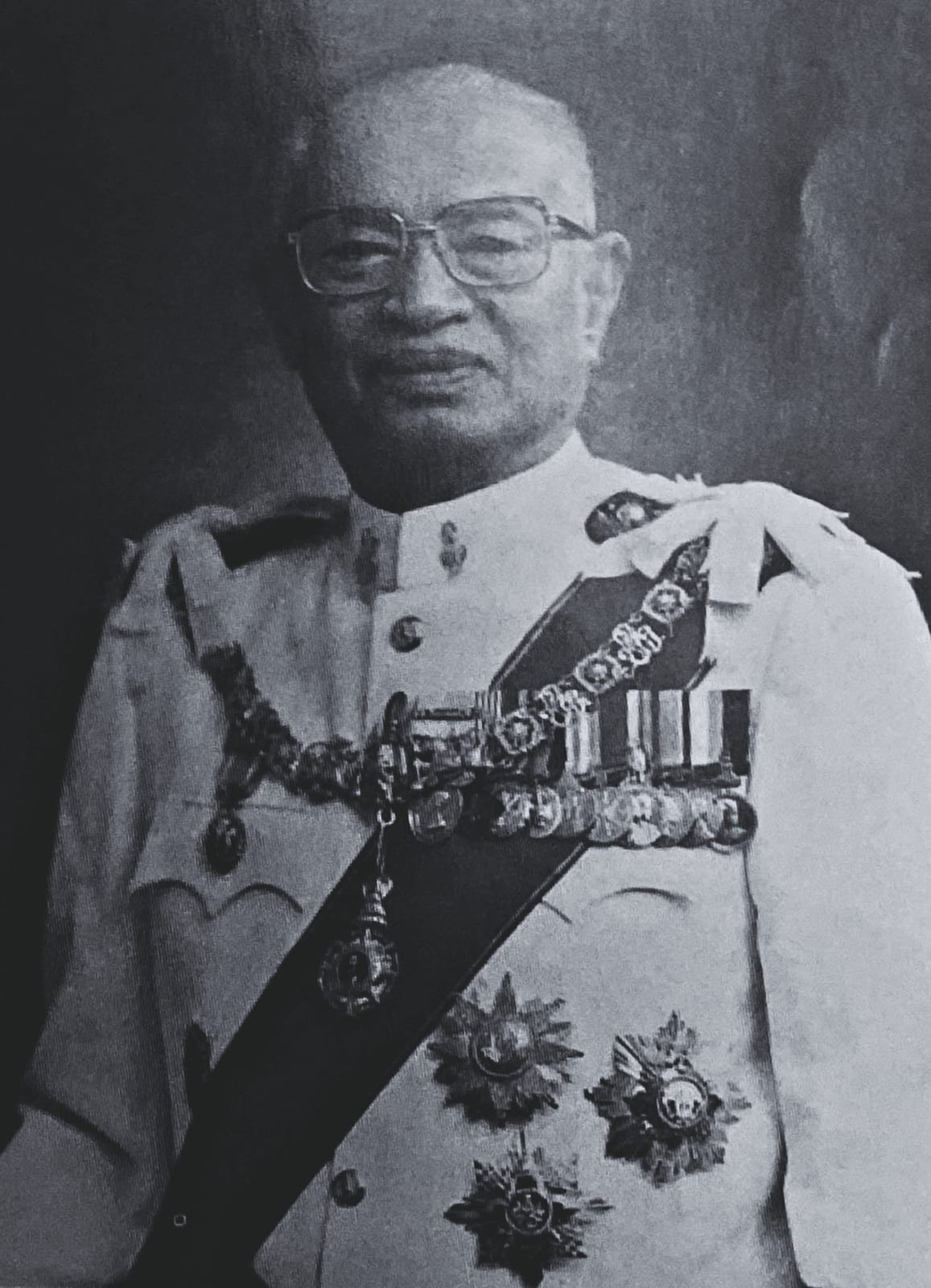 Thailand · Politics
1907—2002
Sanya Dharmasakti
Jurist, university rector and former prime ministerThe jurist and Thammasat rector appointed prime minister after military rule collapsed in October 1973, who oversaw a new constitution and return to elections.Read biography Thailand · Politics
1905—1997
Seni Pramoj
6th Prime Minister of Thailand and Free Thai diplomatThe lawyer and wartime diplomat who refused to deliver Thailand’s declaration of war to Washington, organised Free Thai resistance abroad and later led three governments.Read biography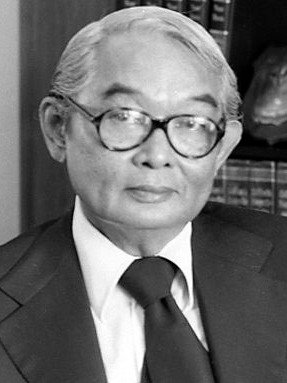 Thailand · Politics
1911—1995
Kukrit Pramoj
13th Prime Minister of Thailand and writerThe writer, newspaper founder and Social Action Party leader who assembled Thailand’s fragmented 1975 coalition and became its thirteenth prime minister.Read biography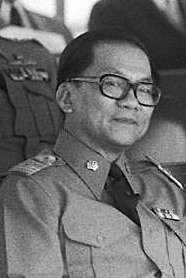 Thailand · Politics
1927—2025
Thanin Kraivichien
14th Prime Minister of Thailand and judgeThe judge and law professor appointed prime minister after the 1976 coup, whose hard-line anti-communist government was removed by another military takeover a year later.Read biography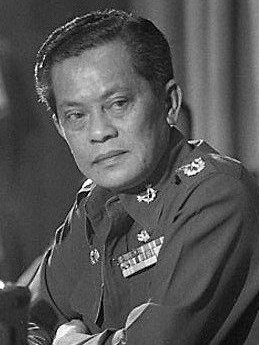 Thailand · Politics
1917—2003
Kriangsak Chamanan
15th Prime Minister of Thailand and military officerThe general who emerged from the October 1977 coup, relaxed parts of Thanin-era repression, restored an elected House and governed during the Indochina refugee crisis.Read biography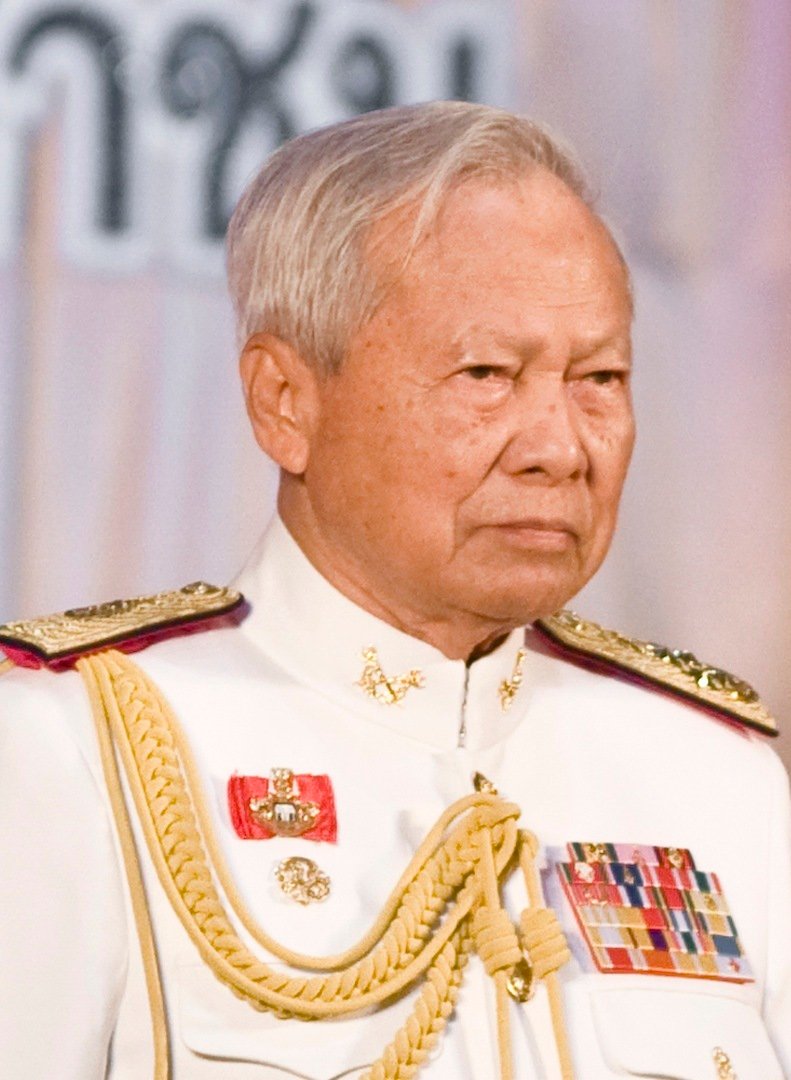 Thailand · Politics
1920—2019
Prem Tinsulanonda
16th Prime Minister of Thailand, 1980–1988The army commander who led Thailand through eight years of parliamentary coalition government before becoming a long-serving royal adviser and regent.Read biography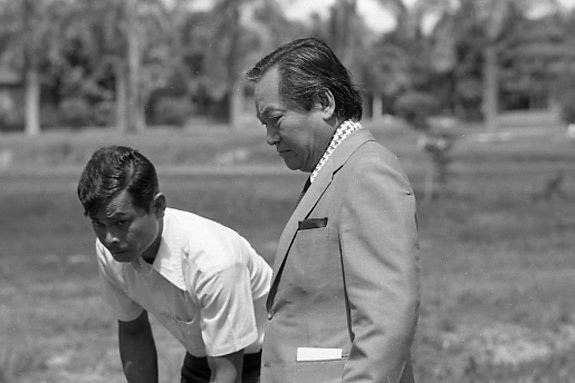 Thailand · Politics
1920—1998
Chatichai Choonhavan
Diplomat, party leader and former prime ministerThe elected prime minister who accelerated economic diplomacy with Indochina and led a booming coalition government until the military removed it in February 1991.Read biography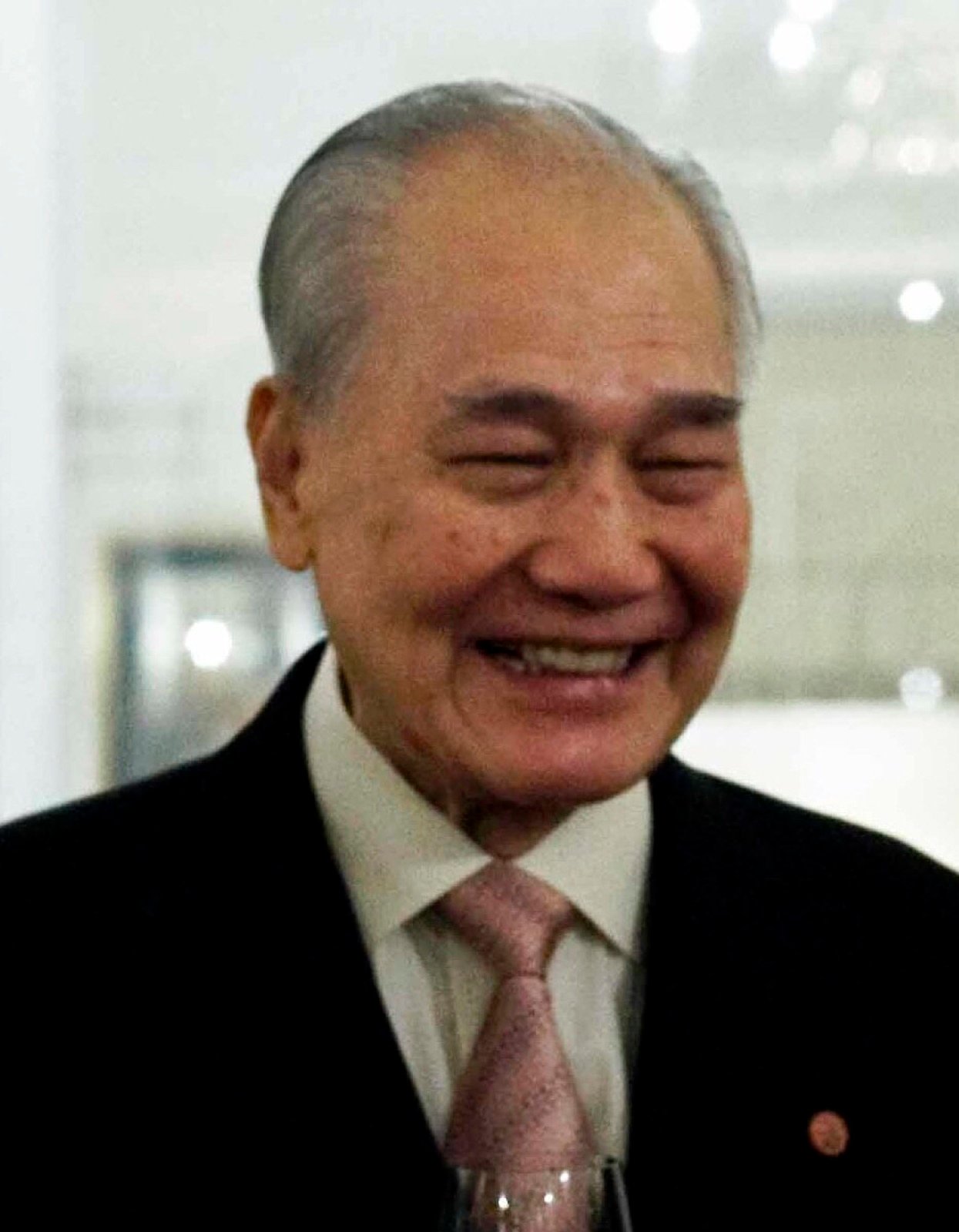 Thailand · Politics
1932—
Anand Panyarachun
Diplomat, business executive and former prime ministerA career diplomat and business leader who headed two appointed governments in 1991 and 1992 and later chaired major national and United Nations reform work.Read biography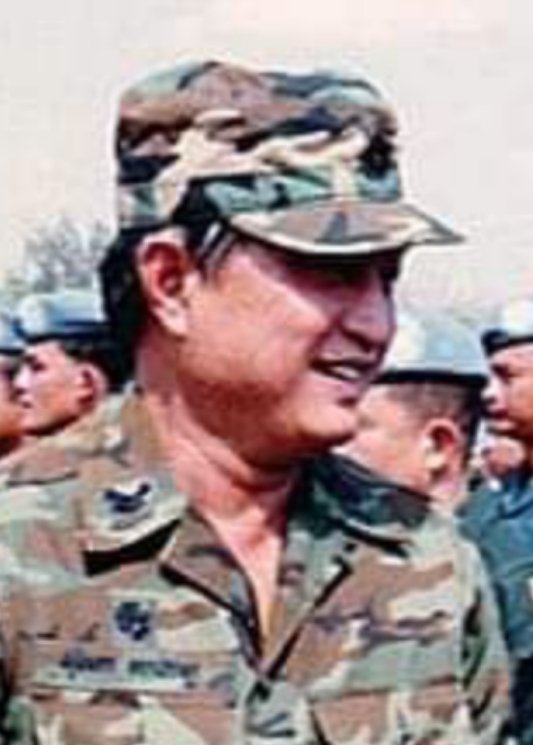 Thailand · Politics
1933—2025
Suchinda Kraprayoon
Army commander, 1991 coup leader and former prime ministerThe army commander who helped lead the 1991 coup, became prime minister without winning a House seat and resigned after the Black May violence of 1992.Read biography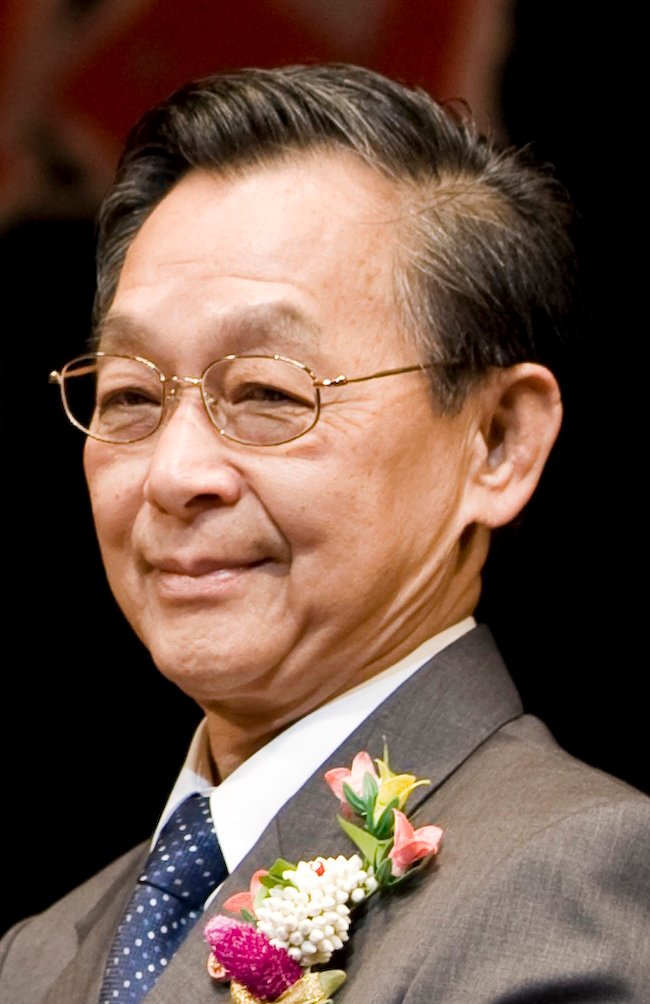 Thailand · Politics
1938—
Chuan Leekpai
20th Prime Minister of Thailand, 1992–1995 and 1997–2001The lawyer and veteran parliamentarian who led Thailand after the 1992 democratic transition and returned during the Asian financial crisis.Read biography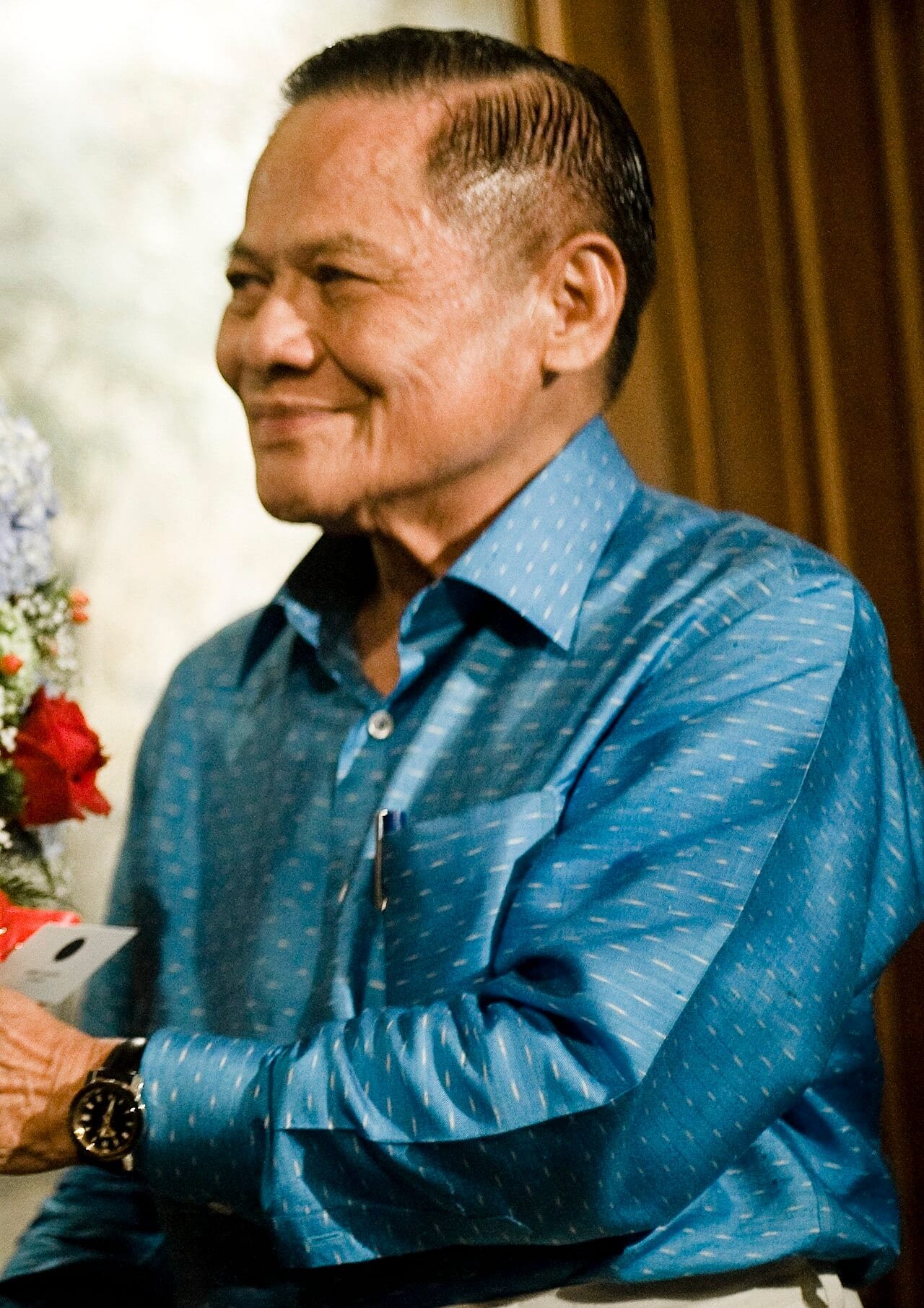 Thailand · Politics
1932—2016
Banharn Silpa-archa
21st Prime Minister of Thailand, 1995–1996The construction entrepreneur and Suphan Buri power broker who led Chart Thai to first place in 1995 and headed a seven-party coalition for sixteen turbulent months.Read biography Thailand · Politics
1932—
Chavalit Yongchaiyudh
Retired general and former prime ministerA former army commander who entered electoral politics, formed the New Aspiration Party and served as prime minister as the baht crisis became a regional financial shock.Read biography Thailand · Politics
1949—
Thaksin Shinawatra
Businessman and former prime ministerA telecommunications entrepreneur who became prime minister in 2001, transformed Thai electoral politics and remained influential through two decades of conflict.Read biography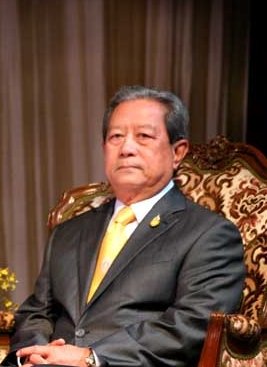 Thailand · Politics
1943—
Surayud Chulanont
24th Prime Minister of Thailand, 2006–2008The former army commander and privy councillor appointed prime minister after the 2006 coup, who oversaw a new constitution and Thailand’s return to elected government.Read biography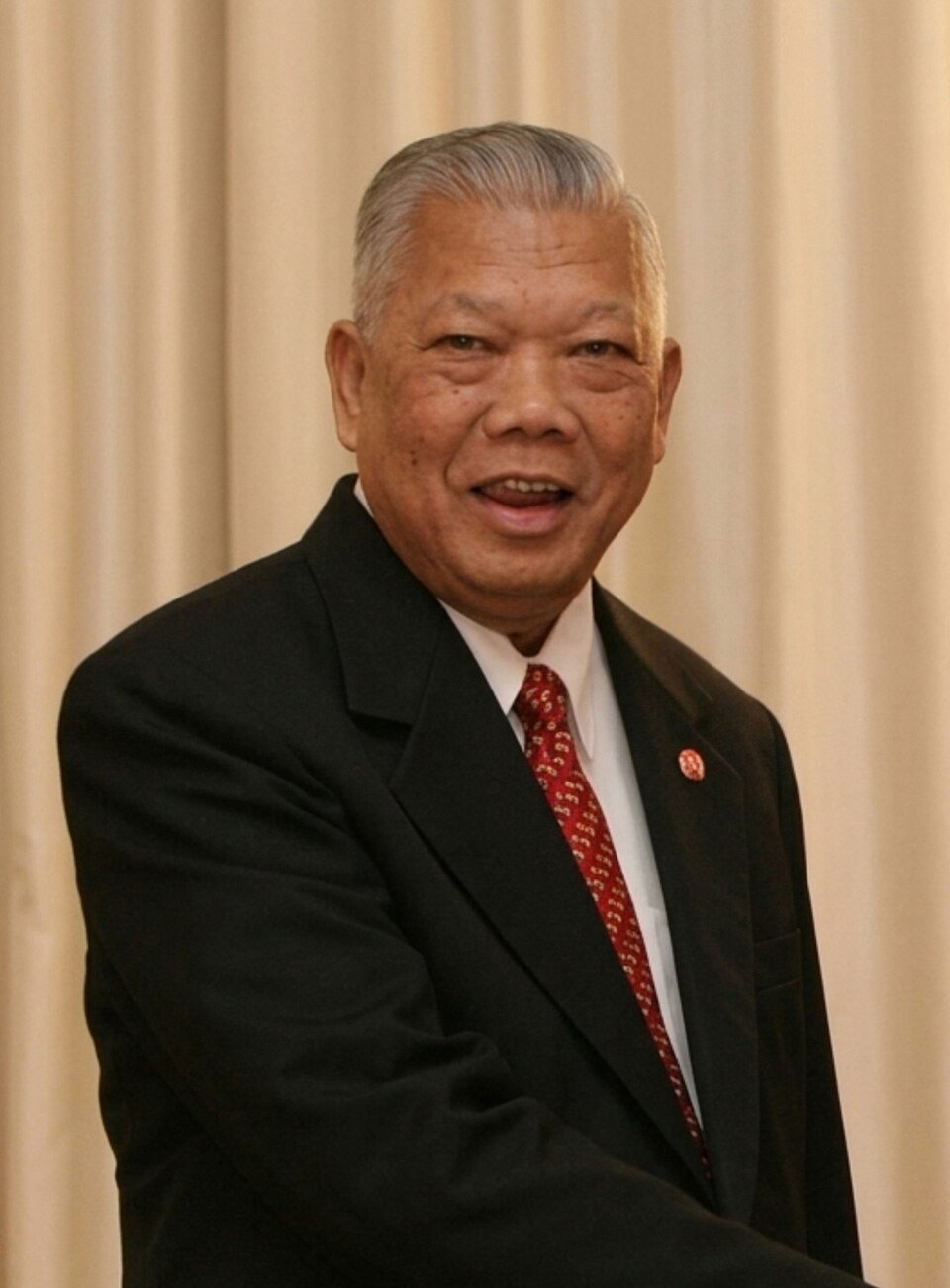 Thailand · Politics
1935—2009
Samak Sundaravej
25th Prime Minister of Thailand, January–September 2008The combative veteran politician, Bangkok governor and television cook who led the first elected government after the 2006 coup before a court ended his premiership.Read biography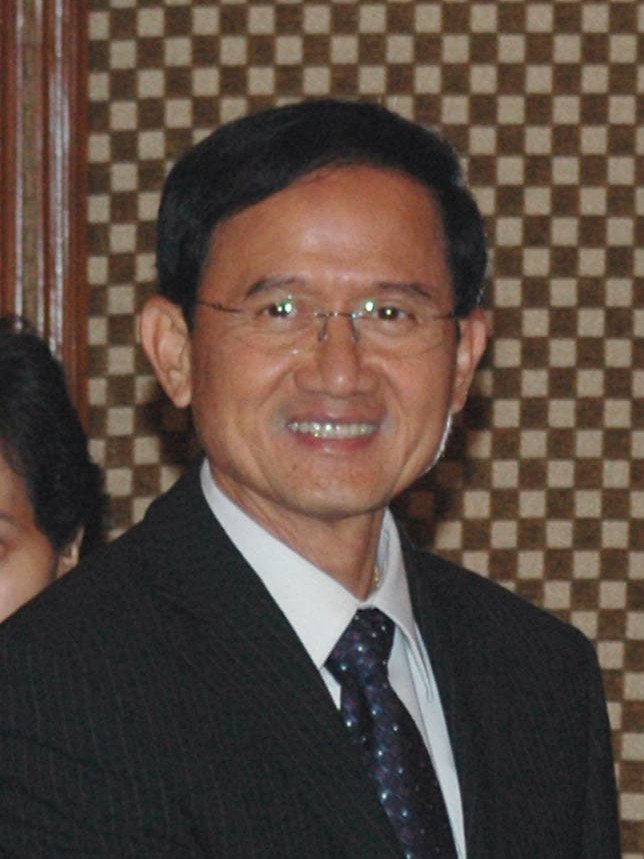 Thailand · Politics
1947—
Somchai Wongsawat
26th Prime Minister of Thailand, September–December 2008The former judge and senior civil servant whose three-month premiership ended when the Constitutional Court dissolved his party during the 2008 political crisis.Read biography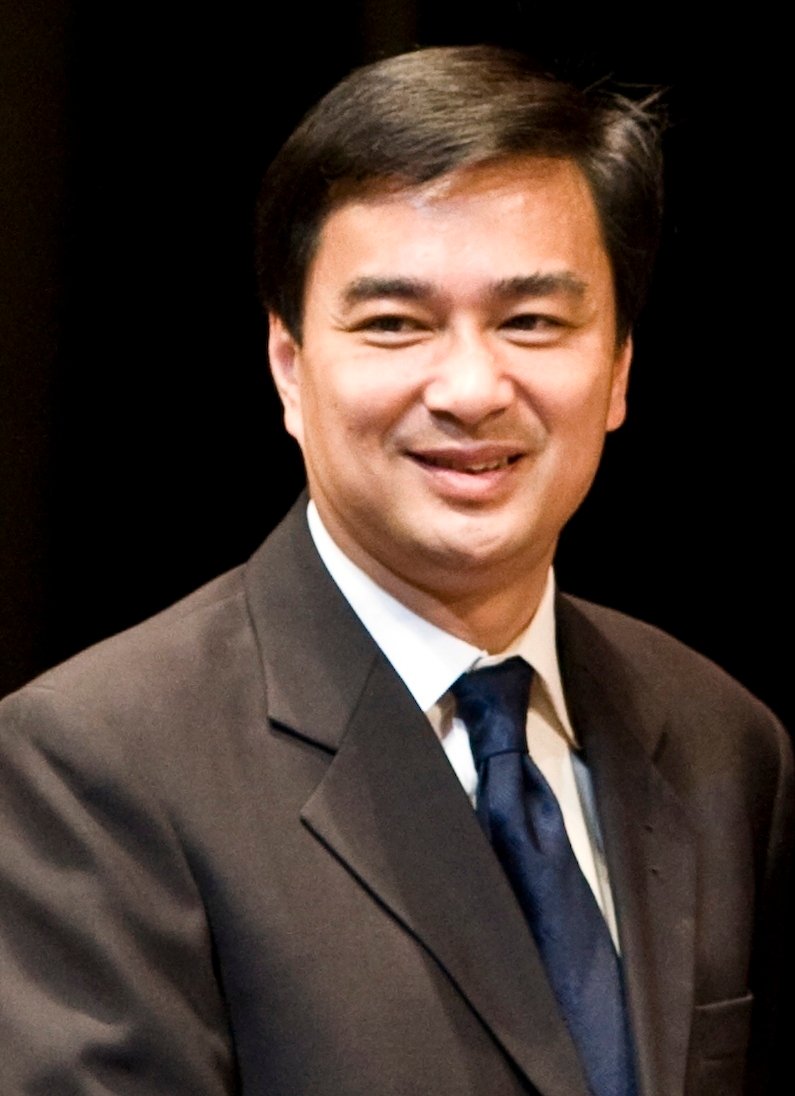 Thailand · Politics
1964—
Abhisit Vejjajiva
27th Prime Minister of Thailand, 2008–2011The Oxford-educated Democrat leader who became prime minister through a parliamentary coalition, launched crisis stimulus and governed during Thailand’s 2010 protest violence.Read biography Thailand · Politics
1967—
Yingluck Shinawatra
Business executive and former prime ministerA business executive who led a landslide election victory in 2011 and became Thailand’s first woman prime minister before a court removed her in 2014.Read biography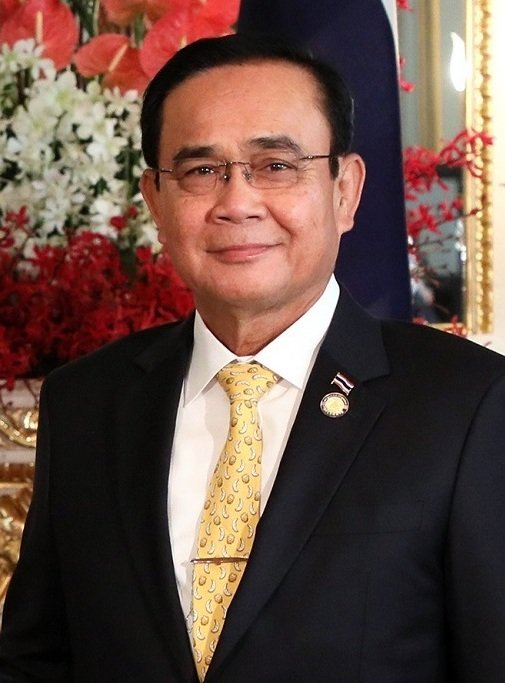 Thailand · Politics
1954—
Prayut Chan-o-cha
29th Prime Minister of Thailand, 2014–2023The army commander who seized power in 2014, led Thailand’s military government and remained prime minister after the 2019 election until 2023.Read biography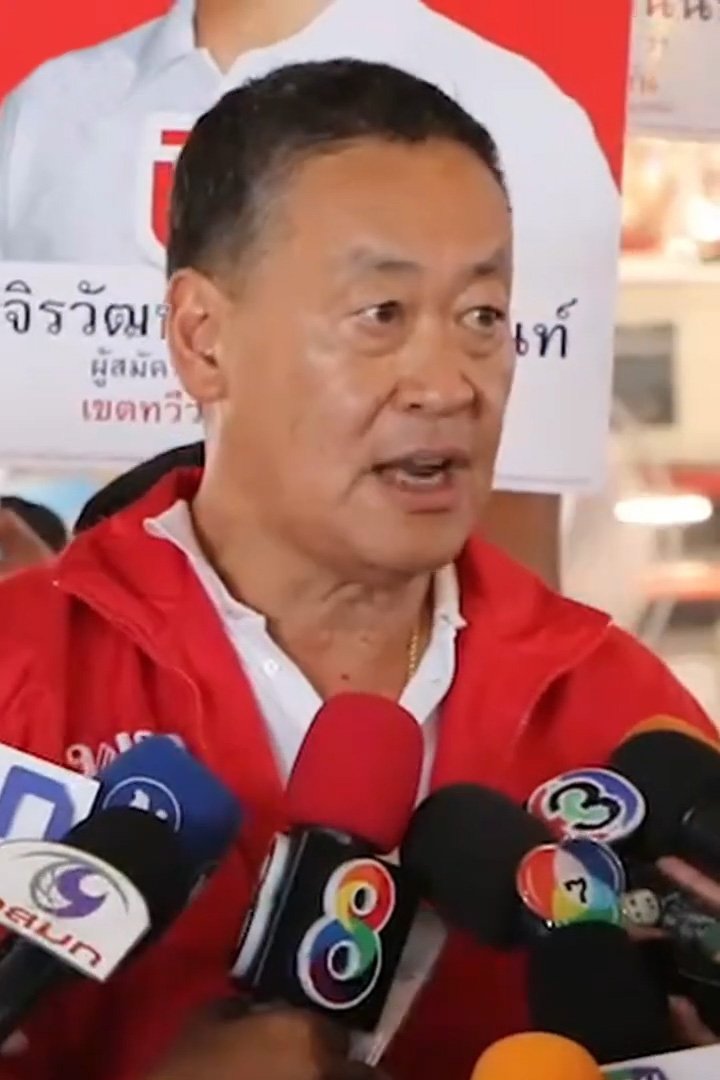 Thailand · Politics
1962—
Srettha Thavisin
30th Prime Minister of Thailand, 2023–2024The property executive who entered party politics in 2022, became Thailand’s 30th prime minister after the 2023 election and was removed by the Constitutional Court in 2024.Read biography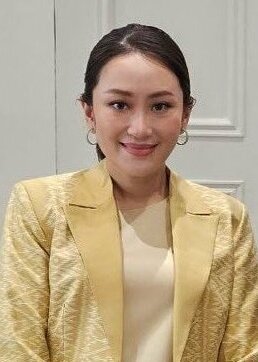 Thailand · Politics
1986—
Paetongtarn Shinawatra
31st Prime Minister of Thailand, 2024–2025The hotel executive and Pheu Thai leader who became Thailand’s youngest prime minister in 2024 before a Constitutional Court ethics ruling ended her tenure in 2025.Read biography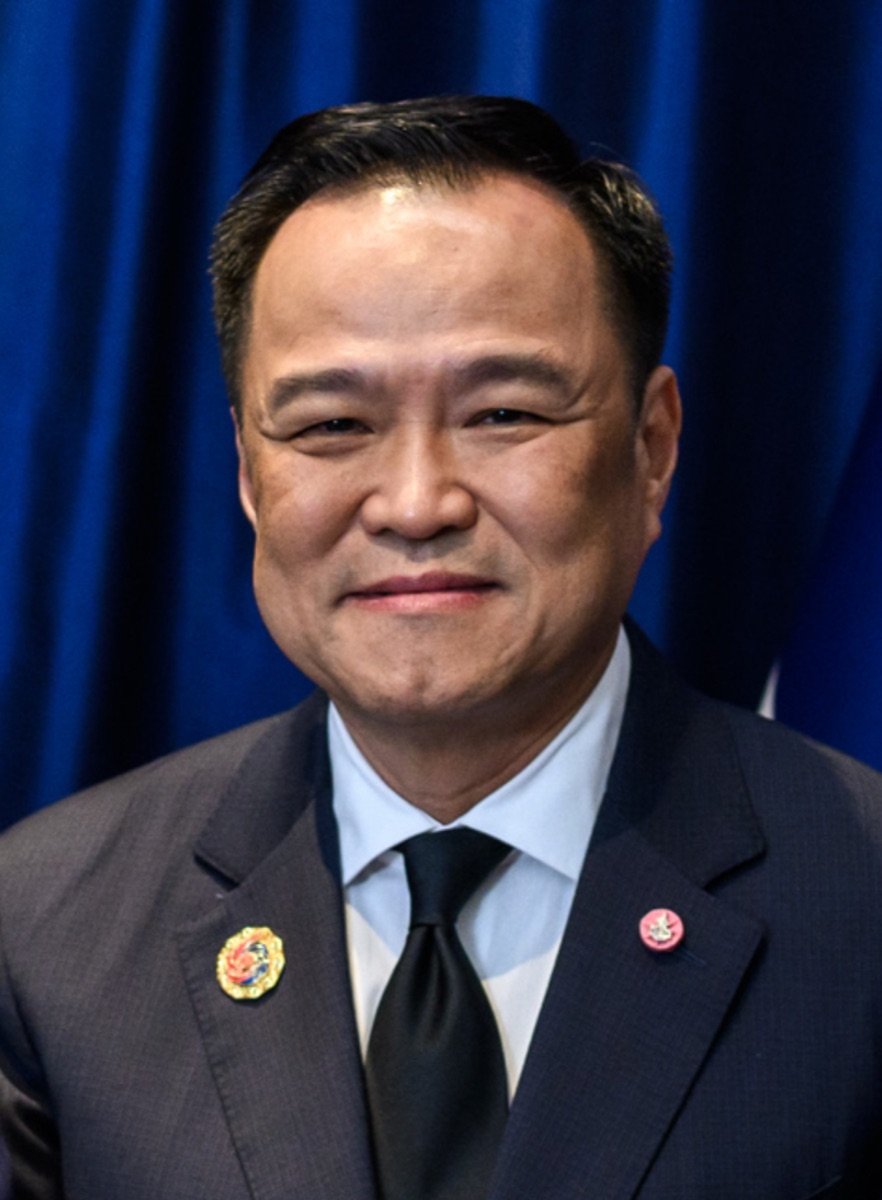 Thailand · Politics
1966—
Anutin Charnvirakul
32nd Prime Minister of ThailandA businessman-turned-politician who led Bhumjaithai through successive coalitions, became Thailand’s 32nd prime minister in 2025 and won a second appointment after the 2026 election.Read biographyQuick answers
Common questions
- Who was the first prime minister of Thailand?
- Phraya Manopakorn Nititada became the first head of Thailand’s constitutional government on 28 June 1932, four days after the revolution that ended absolute monarchy.
- Who is the current prime minister of Thailand?
- As reviewed on 3 October 2026, Anutin Charnvirakul is the current and 32nd prime minister. He first took office in September 2025 and received a second appointment in March 2026.
- How many prime ministers has Thailand had?
- Thailand has had 32 officially numbered prime ministers since 1932. The total number of governments and terms is higher because six people returned for later administrations.
- Who was Thailand’s first woman prime minister?
- Yingluck Shinawatra became Thailand’s first woman prime minister in August 2011 after Pheu Thai won a clear House majority.
- Who was Thailand’s longest-serving prime minister?
- Plaek Phibunsongkhram served the longest in total across two separated periods, from 1938 to 1944 and again from 1948 to 1957.
- Why is Anutin still called the 32nd prime minister after returning in 2026?
- Thailand numbers unique people, not separate terms. Anutin’s March 2026 reappointment began a second administration but did not create a new numbered officeholder.
- Does Thailand elect its prime minister directly?
- No. Voters elect the House of Representatives, and the House approves a prime ministerial candidate under the Constitution. The King then makes the formal appointment.
Primary and institutional sources
How this history was checked
Dates, legal milestones and historical claims are checked against the official and institutional records below. This article was reviewed on 3 October 2026.
- Secretariat of the Prime Minister of ThailandOfficial directory of prime ministers of Thailand
- Secretariat of the Prime Minister of ThailandOfficial cabinet directory
- National Assembly of ThailandConstitution of the Kingdom of Thailand, 2017
- Constitutional Court of ThailandRuling summary on the prime minister’s eight-year limit
- Constitutional Court of ThailandPress Release 32/2025 on the end of Paetongtarn’s office
- Royal Thai GovernmentAnutin appointed as 32nd prime minister for a second term
- Bank of ThailandThe Tom Yum Kung crisis: lessons from 1997
- Inter-Parliamentary UnionThailand parliamentary data and election archive