The short answer
The 2014 coup followed six months of protest, a disrupted election and judicial removal of the prime minister. On 22 May, army commander Prayut Chan-o-cha overthrew the remaining caretaker government and established the NCPO. Military rule formally lasted until 2019, but the constitution and appointed Senate carried its influence into the electoral system that followed.
Chronology
A timeline of the turning points
The House passes a broad amnesty bill
The proposal could have covered offences connected to political conflict since 2004 and helped trigger a mass anti-government campaign.
Yingluck dissolves the House
The prime minister called an early election while the People’s Democratic Reform Committee continued occupations and demanded reform before voting.
Voting is obstructed and incomplete
Candidate registration was blocked in 28 constituencies and voting cancelled in 89, preventing the election from returning the minimum number of MPs.
The Constitutional Court voids the election
The court held that the election had not been completed on the same day nationwide, leaving the caretaker administration without an elected House.
The court removes Yingluck and nine ministers
Ruling No. 9/2557 held that a 2011 transfer of the National Security Council secretary-general involved prohibited intervention for the benefit of another person.
Prayut declares martial law
The army commander imposed martial law nationwide, denied that it was a coup and convened rival political groups for negotiations.
The military seizes power
Prayut detained participants at the talks, removed the caretaker government and established the National Council for Peace and Order.
The Senate is dissolved
After initially leaving part of the legislature in place, the NCPO assumed full legislative authority and controlled executive appointments.
An interim constitution formalises NCPO power
The charter created appointed institutions, validated junta orders, granted broad Article 44 authority and protected coup actors from liability.
An appointed assembly selects Prayut
The National Legislative Assembly unanimously approved the coup leader as prime minister while he remained chair of the NCPO.
Voters approve a new constitution
A referendum endorsed the draft under restrictions on campaigning; the constitution was promulgated on 6 April 2017.
Thailand holds its first post-coup election
An elected House returned, but the NCPO-selected Senate joined it in choosing the prime minister and helped retain Prayut in office.
What created the 2013–2014 political crisis?
Yingluck Shinawatra’s Pheu Thai government held a large electoral mandate but remained identified with her brother Thaksin, whose governments had been removed by the 2006 coup. A broadly written amnesty bill passed by the House in November 2013 united opponents who believed it would erase Thaksin’s conviction with Red Shirts who feared it would also extinguish accountability for the 2010 deaths. The Senate rejected the bill, but the mobilisation continued.
Former Democrat politician Suthep Thaugsuban led the People’s Democratic Reform Committee in occupations of government offices and central Bangkok. The PDRC argued that an unelected reform council should redesign institutions before another election. Supporters treated this as necessary protection against corruption and majoritarian abuse; critics saw an attempt to prevent a popular government from testing its mandate at the ballot box.
Why did the February election fail to resolve the dispute?
Yingluck dissolved the House on 9 December 2013 and scheduled voting for 2 February. The Democrat Party boycotted the election, while protesters blocked candidate registration and polling in parts of Bangkok and the south. Around twelve million registered voters were unable to vote, and the incomplete result could not produce the 475 members required to convene the House.
On 21 March, the Constitutional Court voided the election because voting had not been completed nationwide on the same day. This was a legal judgment about the election decree and the disrupted poll, not a popular vote against Pheu Thai. It returned the conflict to the Election Commission, courts, caretaker cabinet, protest camps and security institutions without a functioning elected legislature.
Was Yingluck removed by the military coup?
Not directly. The Constitutional Court ended Yingluck’s individual ministerial office on 7 May, fifteen days before the coup. Its official summary held that the 2011 transfer of National Security Council secretary-general Thawil Pliensri had been rushed and used to benefit another person, violating constitutional rules against ministerial interference in permanent officials. Nine ministers who participated in the cabinet decision were also removed.
Other ministers remained in a caretaker administration led by Niwatthamrong Boonsongpaisan. The coup of 22 May overthrew that remaining government and terminated the wider constitutional order. Separating these two events matters: judicial action removed the prime minister, while military action later displaced the cabinet, detained political representatives and concentrated authority in the armed forces.
How did martial law become a coup?
Army commander Prayut Chan-o-cha declared nationwide martial law on 20 May and initially said the measure was not a coup. The army took control of broadcasters and invited government, opposition, protest and election representatives to talks at the Army Club. On 22 May, when no agreement emerged, Prayut detained participants and announced that the armed forces had assumed power.
The NCPO suspended most of the 2007 Constitution, removed the caretaker government, banned political gatherings of more than five people, imposed a curfew and summoned politicians, activists, academics and journalists. It later dissolved the Senate, leaving the council with executive and legislative control. The United Nations called for a prompt return to constitutional, civilian and democratic rule.
What did NCPO rule change?
The July interim constitution created an appointed National Legislative Assembly, reform bodies and a drafting process under NCPO influence. Article 44 allowed the council’s head to issue orders treated as legislative, executive or judicial and declared legal, constitutional and final. Article 48 protected coup-related actions from criminal, civil and administrative liability. The appointed assembly selected Prayut as prime minister in August.
Military authorities restricted expression, assembly and political organising, censored media and tried specified civilian offences in military courts. Hundreds of people were summoned for “attitude adjustment,” often in undisclosed military custody. Martial law ended in March 2015, but Order 3/2015 preserved detention, censorship and gathering restrictions through Article 44, so the formal legal change did not immediately restore ordinary civilian freedoms.
How did military rule become an electoral government?
After an earlier draft failed, voters approved a new constitution in August 2016 during a campaign in which criticism and organised opposition faced restrictions. The charter was promulgated in April 2017. Its transitional provisions created a 250-member Senate selected by the NCPO and allowed senators to vote with the elected House on the first post-coup prime minister.
The March 2019 election restored an elected lower chamber after repeated delays. Pheu Thai won the most House seats and the pro-military Palang Pracharath Party built a multiparty coalition. In the joint parliamentary vote, Prayut defeated Thanathorn Juangroongruangkit by 500 votes to 244. The NCPO formally ended, but the constitution and appointed Senate carried its institutional influence into the new government.
Continue the chronology
Related history guides
The 2013–2014 Thai Political Crisis
Start with the amnesty dispute, PDRC movement and six months of deadlock before the takeover.
Read the timeline2 February–21 March 2014The Annulled 2014 Thai General Election
Examine the incomplete election and ruling that left no elected House.
Read the timeline7 August 2016The 2016 Constitutional Referendum
Follow the junta-supervised vote that approved the draft charter and a transitional Senate role in selecting the prime minister.
Read the timeline6 April 2017–presentThailand’s 2017 Constitution
See how the post-coup charter redesigned elections, the Senate and the route to government formation.
Read the timeline7 May 2014Yingluck Shinawatra’s Removal
Read the judgment that removed Yingluck and nine ministers fifteen days before the coup.
Read the timeline3 July 2011The 2011 Thai General Election
Begin with Pheu Thai’s outright majority and the mandate later displaced by the coup.
Read the timeline24 March 2019The 2019 Thai General Election
Continue into the first post-coup House election, party results and the joint vote that retained Prayut.
Read the timelineMarch–May 2010The 2010 Thai Red Shirt Protests
Understand the violence and unresolved accountability that shaped the next cycle of mobilisation.
Read the timeline19 September 2006The 2006 Thai Coup
Compare the earlier military removal of a Thaksin government and its constitutional transition.
Read the timeline1851–todayThailand History Timeline
Place the takeover inside the longer history of constitutional rupture and military authority.
Read the timeline1932–presentPrime Ministers of Thailand
Compare every officially numbered premier and the routes by which each reached office.
Read the timelineConnected biographies
Five biographies connecting electoral government, protest mobilisation, military intervention and the post-coup order
 Thailand · Politics
1967—
Yingluck Shinawatra
Business executive and former prime ministerA business executive who led a landslide election victory in 2011 and became Thailand’s first woman prime minister before a court removed her in 2014.Read biography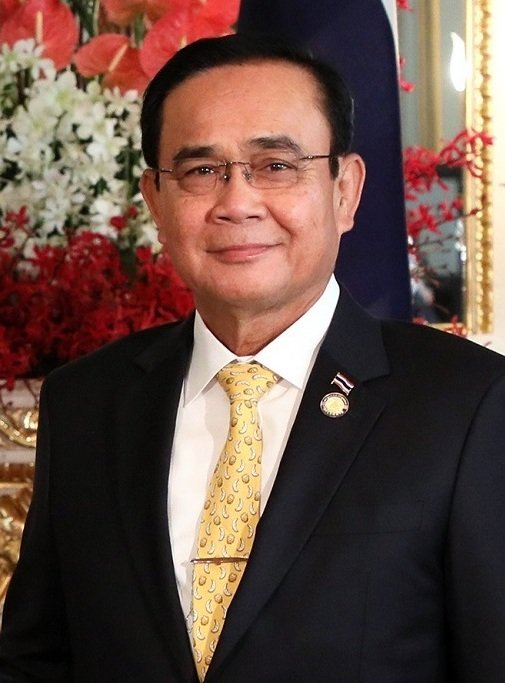 Thailand · Politics
1954—
Prayut Chan-o-cha
29th Prime Minister of Thailand, 2014–2023The army commander who seized power in 2014, led Thailand’s military government and remained prime minister after the 2019 election until 2023.Read biography Thailand · Politics
1949—
Thaksin Shinawatra
Businessman and former prime ministerA telecommunications entrepreneur who became prime minister in 2001, transformed Thai electoral politics and remained influential through two decades of conflict.Read biography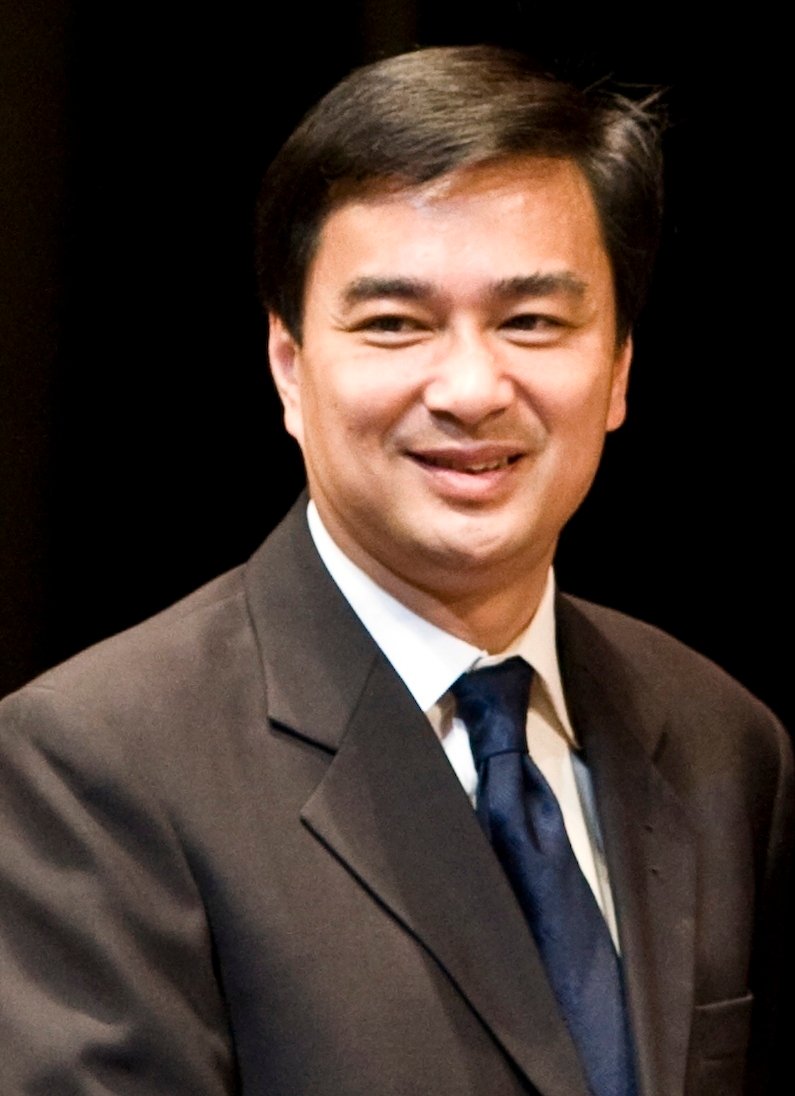 Thailand · Politics
1964—
Abhisit Vejjajiva
27th Prime Minister of Thailand, 2008–2011The Oxford-educated Democrat leader who became prime minister through a parliamentary coalition, launched crisis stimulus and governed during Thailand’s 2010 protest violence.Read biography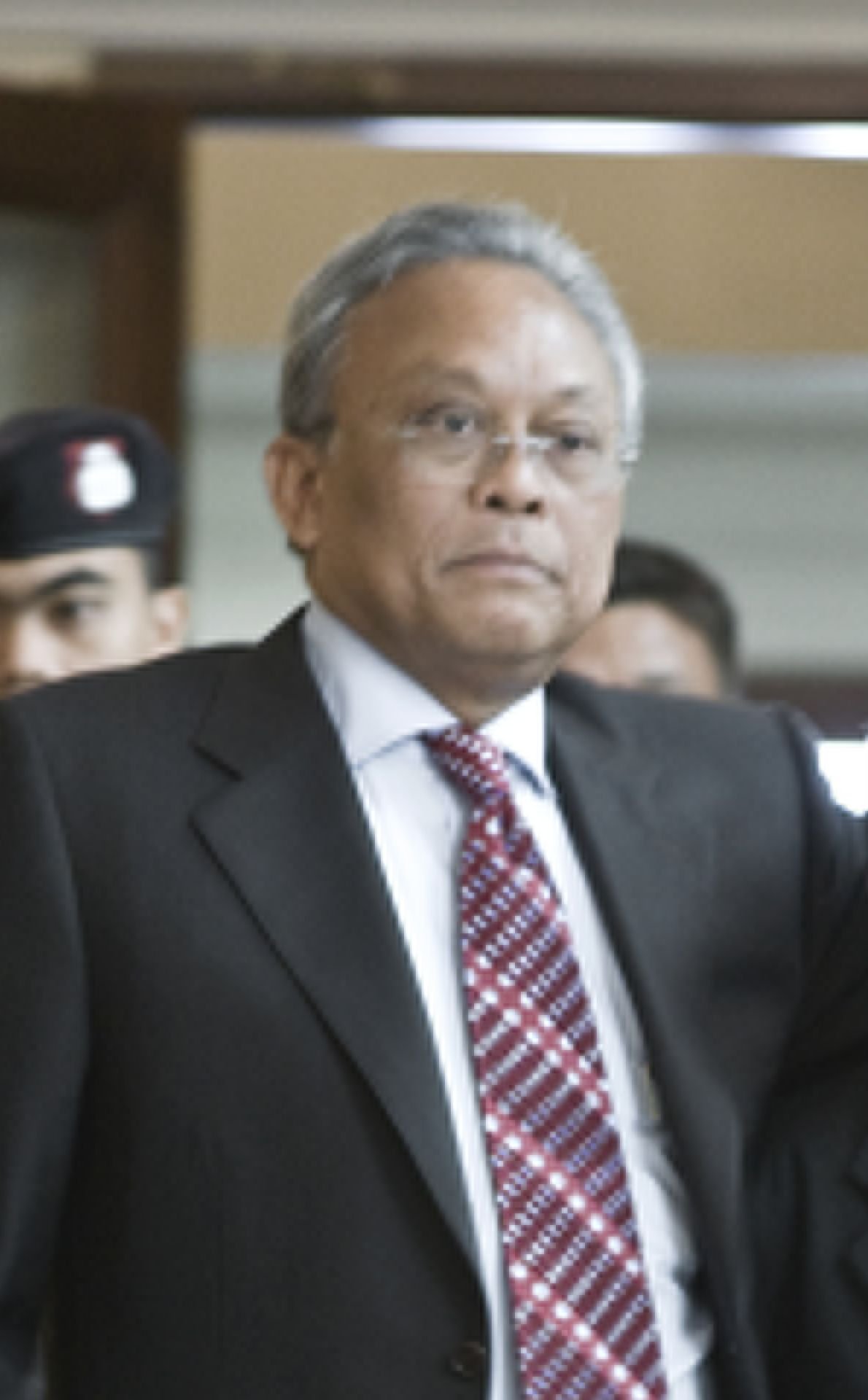 Thailand · Politics
1949—
Suthep Thaugsuban
Former deputy prime minister and PDRC protest leaderA veteran southern politician who rose through the Democrat Party, directed security policy during the 2010 Red Shirt crisis and later led the PDRC protests that preceded Thailand’s 2014 coup.Read biographyQuick answers
Common questions
- When did the 2014 Thai coup happen?
- Army commander Prayut Chan-o-cha announced the takeover on 22 May 2014, two days after declaring martial law nationwide.
- Who led the 2014 coup in Thailand?
- General Prayut Chan-o-cha led the coup and became chair of the National Council for Peace and Order. An appointed legislature selected him as prime minister in August 2014.
- Did the coup remove Yingluck Shinawatra?
- The Constitutional Court had already removed Yingluck on 7 May over the transfer of a senior security official. The coup fifteen days later overthrew the remaining caretaker government and suspended the constitutional order.
- Why was the February 2014 election annulled?
- Protest obstruction prevented simultaneous voting and left many constituencies incomplete. The Constitutional Court ruled that the election did not satisfy the constitutional requirement for nationwide voting on the same day.
- What was the NCPO?
- The National Council for Peace and Order was the military council created after the coup. It governed through orders, appointed legislative and reform bodies, and remained in place until a post-election cabinet took office in 2019.
- When did Thailand hold another general election?
- Thailand held its first post-coup House election on 24 March 2019, nearly five years after the takeover.
Primary and institutional sources
How this history was checked
Dates, legal milestones and historical claims are checked against the official and institutional records below. This article was reviewed on 3 October 2026.
- Constitutional Court of ThailandSummary of Ruling No. 9/2557: Yingluck Shinawatra
- Inter-Parliamentary UnionThailand House election, February 2014
- United Nations Secretary-GeneralStatement on the military takeover in Thailand
- UN Special ProceduresCommunications concerning rights restrictions after the 2014 coup
- Human Rights WatchTo Speak Out Is Dangerous: Criminalization of Peaceful Expression in Thailand
- International IDEAAnnual Review of Constitution-Building Processes: 2015
- Inter-Parliamentary UnionThailand House election, March 2019
- Wikimedia CommonsPrayut Chan-o-cha portrait and licence record