
The short answer
The Parliament Act 1911 created specified routes through which legislation could receive royal assent without the Lords’ agreement. It treated certified Money Bills differently from other public bills, shortened Parliament’s maximum life and left important exclusions. Its original rules should be distinguished from the later 1949 amendment.
Original powers and a later amendment
Which procedure applied?
The financial and ordinary public-bill routes had different conditions.
| Category | 1911 settlement | Important limit |
|---|---|---|
| Certified Money Bill | A one-month route following Commons passage and timely transmission. | Speaker certification and the statutory financial definition were required. |
| Other eligible public bill | Three successive sessions and at least two years under the original Act. | Repeated passage, rejection, timing and bill-continuity rules applied. |
| Extension beyond five years | Excluded from the section 2 bypass route. | The Commons could not use that route to extend Parliament’s maximum duration. |
| 1949 amendment | Reduced the other-public-bill route to two sessions and one year. | This shorter timetable should not be attributed to the original 1911 text. |
Chronology
A timeline of the turning points
The Lords rejected the Budget
The fiscal dispute intensified conflict about the authority of the two Houses.
An election preceded the Budget’s passage
The Finance Act received royal assent in April 1910, before the constitutional measure.
A second election concerned Lords reform
The continuing dispute focused on restrictions on the upper chamber.
The Parliament Act became law
The Act distinguished Money Bills from other public bills and reduced the maximum parliamentary term.
The procedure was used for contested measures
The Government of Ireland Act and Welsh Church Act passed without Lords agreement under the original rules.
A later Act shortened the ordinary delay
The original three-session, two-year requirements were reduced; the Money Bill route remained separate.
The problem concerned the authority to obstruct legislation
The immediate crisis grew from the Lords’ rejection of the 1909 People’s Budget, but the constitutional answer was broader than another vote on taxes. A government commanding the Commons needed to know whether the upper chamber could block its legislation indefinitely. The Act supplied alternative procedures within Parliament while leaving the Lords in existence.
The Budget had already become law in April 1910. The later struggle and second election concerned the balance between the Houses. Keeping that sequence clear prevents the Act being mistaken for the legal mechanism that finally enacted the original Budget. Its lasting subject was the passage of certain categories of legislation when the chambers disagreed.
Certified Money Bills followed a distinct one-month procedure
Section 1 concerned a Money Bill passed by the Commons and sent to the Lords at least one month before the session ended. If the Lords did not pass it without amendment within a month, it could proceed to royal assent without their consent, unless the Commons directed otherwise. The rule did not mean that the Lords vanished from the process or that assent occurred automatically.
The Commons Speaker’s certificate was essential. A Money Bill had to contain only specified financial provisions, such as national taxation, public money or loans and related matters. A bill does not qualify simply because it costs money or concerns the economy. The statutory category, timing requirements and certification distinguish this route from a general political claim to financial priority.
Other eligible public bills initially required three successive sessions
The original section 2 allowed an eligible public bill passed by the Commons in three successive sessions, and rejected by the Lords each time, to proceed without Lords consent. At least two years had to elapse between its first Commons second reading and its passage by the Commons in the third session. It also had to be sent to the Lords in time and meet the statutory continuity requirements.
This replaced an indefinite veto with a procedure involving substantial delay and repeated Commons approval. It did not grant ministers an immediate power to ignore opposition in the upper chamber. The 1949 Act subsequently reduced the requirements to two successive sessions and one year. Describing that shorter timetable as the original 1911 arrangement confuses two separate constitutional changes.
The exclusions explain why the settlement was substantial but limited
The route for other public bills excluded a bill extending Parliament’s maximum duration beyond five years. The Act itself replaced the previous seven-year maximum with five years. These provisions mattered together: reducing the ordinary term did not permit a Commons majority to use the new bypass procedure to prolong its own mandate.
The procedures concern eligible public bills originating in the Commons, not every parliamentary instrument or every dispute. They did not abolish the Lords, change its membership into an elected chamber or remove the need for royal assent. The practical settlement strengthened the Commons while preserving scrutiny and delay. Understanding its scope requires attention to the bill’s category and legislative history, as well as the political strength of its supporters.
Continue the chronology
Related history guides
Biography context
Explore United Kingdom through connected lives
Connected biographies
Read lives connected with parliamentary reform
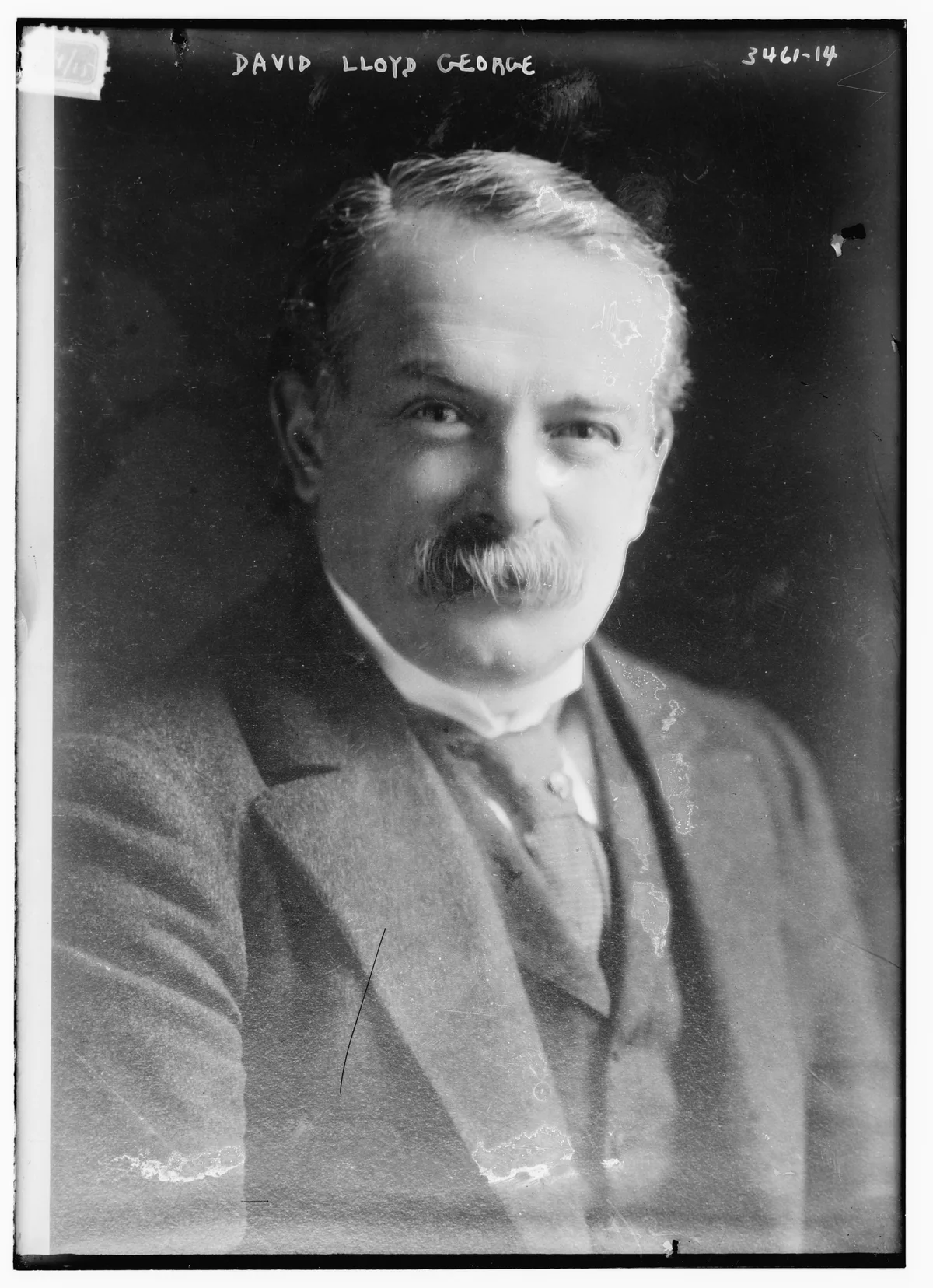
1863–1945
David Lloyd George
Welsh Liberal politician and British prime ministerDavid Lloyd George was a Welsh Liberal politician who served as British prime minister from 1916 to 1922. His career connected Welsh radicalism, pre-war social insurance, wartime mobilisation and a post-war coalition whose collapse deepened the Liberal Party’s divisions.Read biography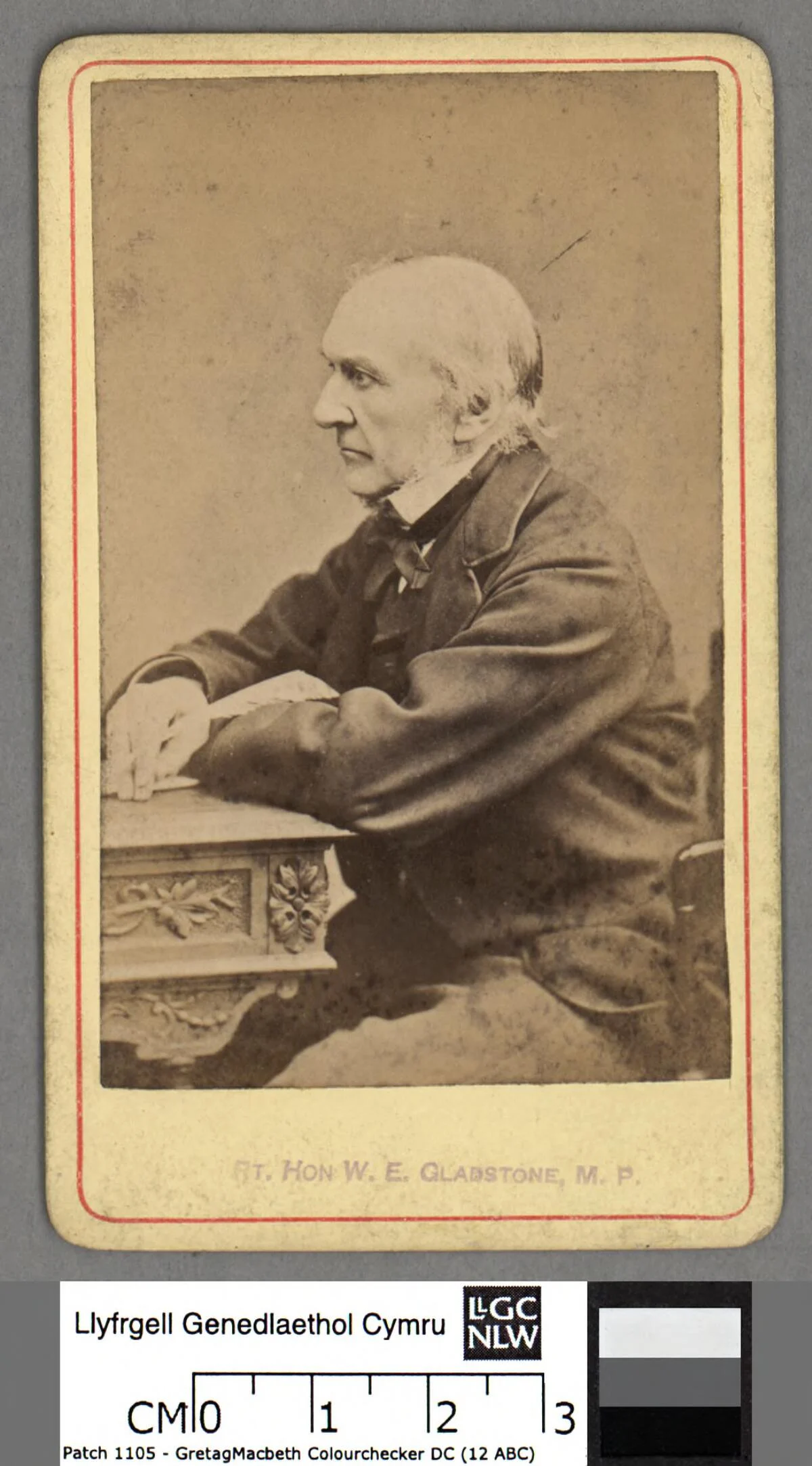
1809–1898
William Ewart Gladstone
British prime minister, Liberal leader and chancellorWilliam Ewart Gladstone was British prime minister four times between 1868 and 1894. Beginning as a Tory, he became a leading Victorian Liberal, served repeatedly as chancellor and pursued reforms of government, education and representation before dividing his party over Irish Home Rule.Read biographyQuick answers
Common questions
- Did the Parliament Act abolish the House of Lords?
- No. It restricted the Lords’ blocking powers in specified circumstances while retaining the chamber and its legislative role.
- Was the original delay one year or two?
- For eligible public bills other than Money Bills, the original 1911 procedure required three successive sessions and at least two years. The 1949 amendment reduced those requirements.
- Is every bill involving spending a Money Bill?
- No. The statutory definition is narrower, and the Commons Speaker must certify the bill. A general financial effect is not sufficient.
- Could the Commons use the Act to prolong Parliament beyond five years?
- That type of bill was expressly excluded from the section 2 procedure for passage without Lords consent.
Primary and institutional sources
How this history was checked
The enacted 1911 clauses were read through the official text, alongside Parliament’s explanations and the Joint Committee’s historical comparison. The 1911 and amended 1949 procedures are kept separate. The Lords Library’s procedure and historical-use passages were consulted; its discussion of a contemporary bill is outside this guide. No complete constitutional archive or litigation record is claimed as inspected. The portrait supplies personal context. This article was reviewed on 23 October 2026.
- UK ParliamentThe Parliament Acts: origin and broad effect
- The National Archives, legislation.gov.ukParliament Act 1911: original enacted text, sections 1–7
- Joint Committee on House of Lords ReformFirst report: historic powers, Parliament Acts and their limited scope
- House of Lords LibraryPrivate members’ bills and the Parliament Acts: procedures and original 1911 rules
- UK Parliament, Parliamentary ArchivesFinance Act 1910: royal assent on 29 April
- Library of Congress / Wikimedia CommonsDavid Lloyd George, LCCN2014698950: complete photograph and rights
- Creative CommonsPublic Domain Mark 1.0