
The short answer
What can a coalition do that an individual donor cannot? ISC’s 2015 launch addressed the gap between separate sanitation projects and the continuing services, behaviour and cooperation needed to make them work.
Chronology
A timeline of the turning points
Planning and a wider campaign
Partners discuss coordination before the coalition launch; Swachh Bharat begins in 2014.
Launch at FICCI
ISC’s institutional record dates its formal launch in New Delhi.
Recognition and shared learning
The coalition develops awards and platforms to exchange experience.
An expanded chain
Later programmes include water, reuse, recycling and technology partnerships.
Money and projects did not automatically form a system
Businesses, charities, public authorities and local organisations were already active in sanitation before ISC began. Contemporary reporting traces its discussions to 2013. The problem was not simply the absence of interested organisations: separate projects could pursue different objectives, duplicate effort or lack connections to the people needed for long-term operation.
The launch followed the government’s 2014 Swachh Bharat campaign, but the coalition was not the government mission itself. Its intended role was to connect organisations and practical knowledge. That distinction matters when assigning responsibility: government programmes, community action and a privately convened network can contribute to the same field without becoming one institution.
The launch created a place for cooperation
ISC’s own record dates the launch to 25 June 2015 at FICCI in New Delhi, with minister Birendra Singh and senior official Vijaylaxmi Joshi participating. FICCI housed the secretariat. The arrangement gave the coalition an institutional base capable of bringing businesses into discussions with development organisations, experts and public authorities.
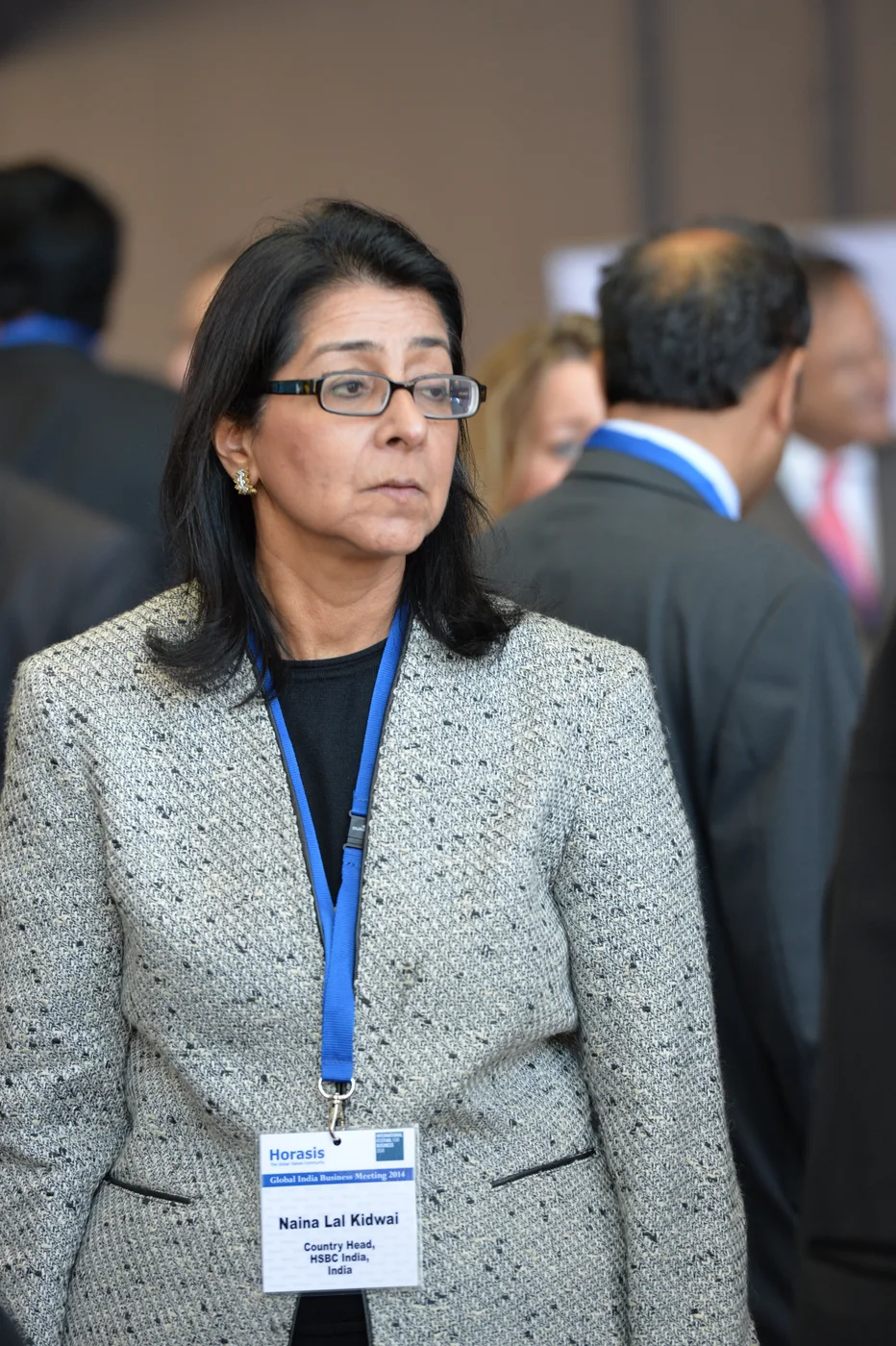
The present institutional account recognises Naina Lal Kidwai and Rashid Kidwai as founders. Reporting also identifies partners including WaterAid and the Gates Foundation in the preparatory work. This was a collective formation, not a solitary banker’s invention of sanitation. The secretariat and coalition members supplied continuing work beyond the visible launch event.
Construction was the first stage of a longer chain
The coalition described sustainable sanitation through four linked stages: build, use, maintain and treat. Construction creates a facility. Use depends on accessibility, acceptance and everyday behaviour. Maintenance keeps it usable. Treatment concerns what happens to waste after it leaves the immediate facility. Focusing on only the first stage can leave the others without responsible organisations or resources.
This framework changes what a funder needs to ask. A completed building is a visible output, but continuing service requires arrangements for upkeep, water where needed, safe waste handling and user needs. The model does not prove that every coalition project supplied all those things. It provides a way to identify missing parts of a proposal and to evaluate implementation beyond a completion photograph.
Convening is work with its own constraints
Kidwai’s HBS interview describes the difficulty of persuading businesses and non-profit organisations to agree on common agendas. Organisations may have different budgets, incentives, reporting systems and time horizons. A coalition can make introductions and share examples, but collaboration still requires participants to agree who will act, pay and remain accountable after the initial commitment.
Her banking background and business relationships could help open those conversations. They could not replace community knowledge or the operational experience of local providers. The mechanism was the combination of different capabilities: finance and convening on one side, implementation and service knowledge on the other, with public systems supplying an essential part of the setting.
Later programmes broadened the initial platform
ISC developed awards, shared-learning activities and later support for enterprises working in water, sanitation and hygiene. Its 2026 awards categories extend the original chain to reuse, recycling and water. The SWACH accelerator describes a role connecting start-ups, investors, corporates, researchers and public bodies. These programmes show how the network evolved rather than remaining only a founding announcement.
Recognition and introductions can improve visibility for a project, but an award is not the same as an independent assessment of health, inclusion or financial sustainability. New technology likewise needs an organisation able to operate it in local conditions. The historical question is whether a partnership strengthens a functioning service, not merely whether it introduces an attractive device or gains a public platform.
Continue the chronology
Related history guides
Biography context
Explore New Delhi and partner communities across India through connected lives
Connected biographies
One co-founder in a collective institution
1957–present
Naina Lal Kidwai
Banker, corporate director and India Sanitation Coalition co-founderNaina Lal Kidwai worked in investment and retail banking before becoming a senior HSBC leader in India. She was FICCI’s first woman president and later helped establish the India Sanitation Coalition. Her subsequent work spans corporate boards, finance and partnerships for sustainable sanitation.Read biographyQuick answers
Common questions
- Is ISC the Swachh Bharat Mission?
- No. ISC is a coalition and convening platform working in the same broad field. The government mission has its own institutions and responsibilities.
- What does BUMT mean?
- Build, Use, Maintain and Treat: the coalition’s linked stages for thinking about sanitation beyond constructing a facility.
- Does the founder personally deliver every project?
- No. Members, local providers, communities, secretariat staff, funders and public authorities have distinct roles in the work.
Primary and institutional sources
How this history was checked
The institutional launch date and operating model are compared with contemporary reporting and attributed testimony. Institutional programme descriptions establish aims and activities, not independently verified totals for every claimed outcome. This article was reviewed on 23 October 2026.
- Harvard Business School, Baker LibraryNaina Lal Kidwai oral-history interview, 4 April 2019: education and banking career
- BioconCurrent lead independent director biography and Indian nationality
- Biocon2025 AGM notice: retirement, qualifications and conflicting exact birth date
- BioconActual shareholder approval of independent-director term, 8 August 2025
- India Sanitation CoalitionCurrent founder and steering-committee chair profile
- Business Standard / Shaikh ZoaibFirst woman FICCI president takes office, 15 December 2012
- Business StandardSidharth Birla succeeds Kidwai, 21 December 2013
- India Sanitation CoalitionAbout ISC: founding mandate, launch and FICCI secretariat, January 2016
- Down To EarthContemporary coalition launch report, 29 June 2015
- India Sanitation CoalitionCurrent institutional identity and co-founders
- India Sanitation CoalitionBuild, Use, Maintain and Treat: the sanitation chain
- India Sanitation Coalition / SuSanASupport India Sanitation Coalition: platform, partnerships and taskforces
- The IndependentA View from the Top: Kidwai, partners and sanitation, 2018
- India Sanitation Coalition2026 awards: later expanded WASH categories
- India Sanitation CoalitionSWACH accelerator: partner roles and later technology support
- Horasis / Wikimedia CommonsComplete Liverpool 2014 photograph and reviewed Flickr grant
- Creative CommonsAttribution-ShareAlike 2.0 Generic licence